Best Reverse Osmosis Filter Systems: A Complete Buying Guide
Disclosure: We may earn a commission when you buy through links on this page, at no extra cost to you. As an Amazon Associate I earn from qualifying purchases. Learn more
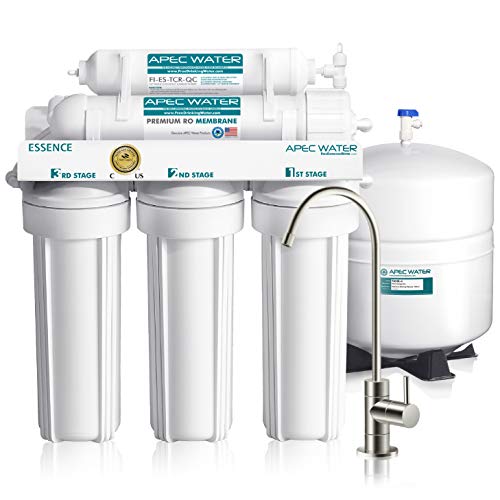
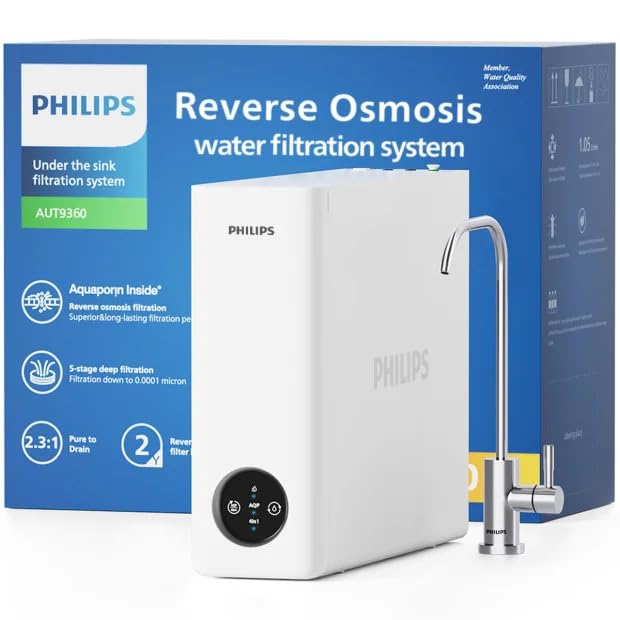
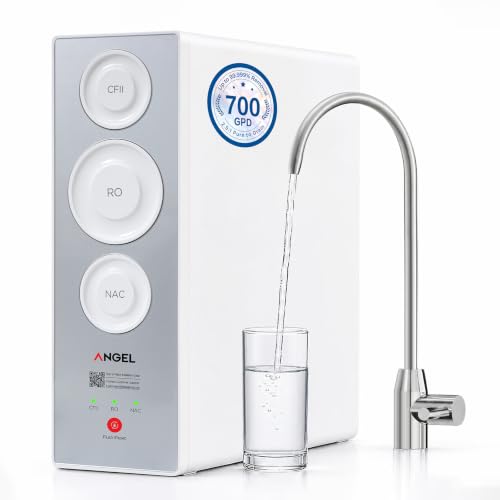
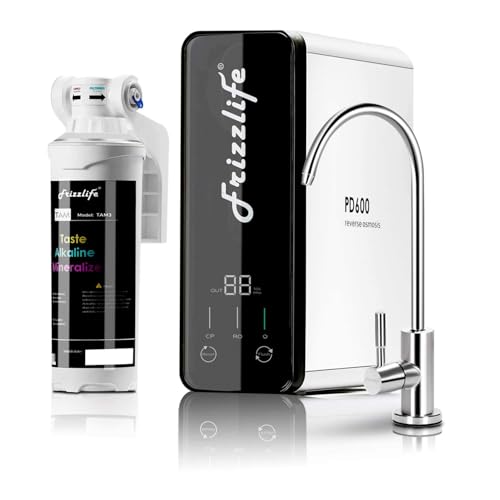
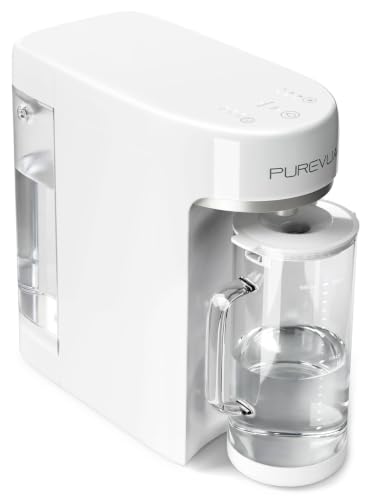
Tap water that tastes metallic, leaves white spots on your dishes, or just makes you nervous every time you fill a glass is one of the most common reasons homeowners start shopping for a filtration upgrade. Choosing the best reverse osmosis filter systems for your household means looking past marketing claims and understanding what actually happens inside these units, from filtration stages to waste water ratios to how much upkeep they demand. This guide walks through everything worth knowing before you compare options, including a step most buyers skip: testing your water first.





Test Your Water Before You Choose a System
It's tempting to jump straight to comparing filtration stages and flow rates, but the right reverse osmosis setup depends heavily on what's actually in your water to begin with. Skipping this step means you could end up paying for capabilities you don't need, or worse, missing a contaminant your chosen system was never designed to handle.
What a TDS Meter Tells You (and What It Doesn't)
A total dissolved solids meter is a cheap, quick way to get a baseline reading of your tap water in parts per million. Dip the probe about half an inch into a glass of tap water, note the reading, then compare it to the output after filtration. A properly working system should reduce that number by roughly 75 to 90 percent. What a TDS meter won't tell you is whether bacteria, lead, PFAS, or pesticides are present, since it only measures dissolved mineral content, not specific contaminants.
When to Get a Full Water Quality Report
If you're on a private well, or your municipal water report shows anything flagged for lead, arsenic, or nitrates, a TDS reading alone won't cut it. Request your local utility's annual water quality report, or send a sample to an accredited lab for a full contaminant panel. This tells you whether you need a system certified for specific reductions rather than just general filtration, and it prevents you from buying more (or less) capability than your household actually requires.
How Many Filtration Stages Do You Actually Need
Most home units run water through anywhere from three to seven stages before it reaches your glass, and the number alone isn't a great indicator of quality. What matters more is which stages are included and whether they're backed by independent certification.
Core Stages Every System Should Have
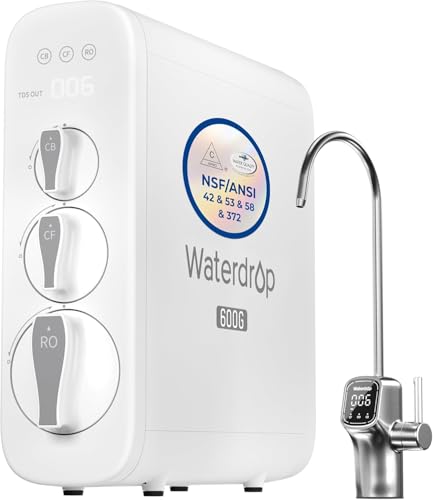
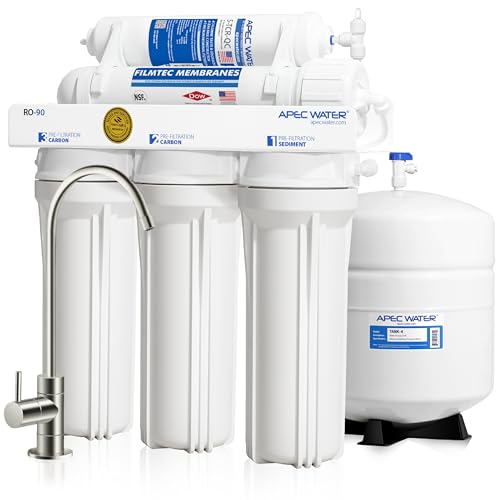
A solid baseline includes a sediment pre-filter to catch grit and rust particles, a carbon filter to pull out chlorine and odors, and the RO membrane itself, which is the workhorse that removes the bulk of dissolved contaminants. Look for systems tested against NSF/ANSI 58, the standard specifically written for point-of-use reverse osmosis units, since it verifies real-world TDS and contaminant reduction claims rather than just brand promises.
When Extra Stages Are Worth It
Beyond the core three, added stages usually mean a second carbon polishing filter or a remineralization cartridge near the end of the line. These extras improve taste and mouthfeel more than they add safety, so they're worth paying for if you're picky about flavor, but they're not a substitute for checking that the core filtration is actually certified for what you need removed.
Under-Sink vs Countertop vs Whole-House Systems
Where the unit lives in your home changes everything from install difficulty to how much filtered water you have access to.
Under-Sink Systems
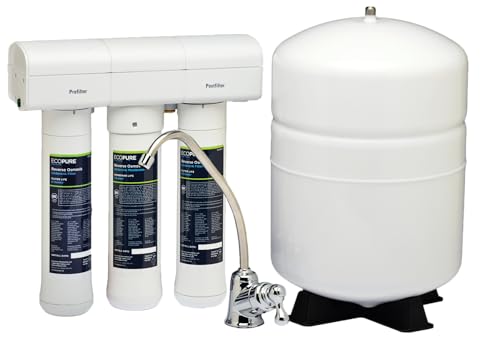
Tucked into the cabinet below your kitchen sink with a small dedicated faucet on the counter, under-sink units are the most common choice for a reason. They balance filtration quality, capacity, and price well, and most people with basic tools can install one in an afternoon without hiring a plumber.
Countertop Systems
These sit on the counter and connect temporarily to your existing faucet, which makes them a strong fit for renters or anyone who can't drill into cabinets. The trade-off is you'll be hooking the unit up and disconnecting it around your sink regularly, and filter changes on countertop models tend to come around more often than under-sink versions.
Whole-House Systems
A whole-house setup filters water where it enters your home, so every fixture gets treated water instead of just the kitchen tap. This is a much bigger investment and typically requires professional plumbing, so it only makes sense when water quality problems affect the entire property, not just drinking water. Anyone weighing this option should also look into a dedicated storage tank if consistent flow across multiple fixtures is a concern.
Tank vs Tankless: Which Fits Your Kitchen
Once you've settled on a system type, storage design is the next major decision point.
Storage Tank Systems
Traditional units store two to four gallons of finished water under pressure, so you get strong flow the instant you open the faucet. They take up more cabinet space, and because the water sits in the tank before use, some people notice a slight taste difference compared to water filtered on demand.
Tankless (On-Demand) Systems
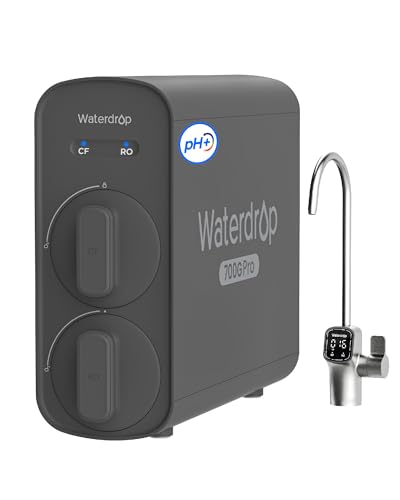
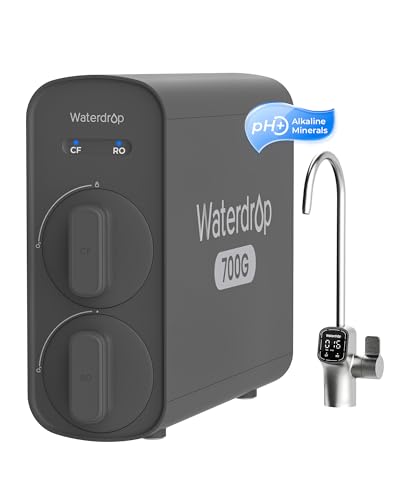
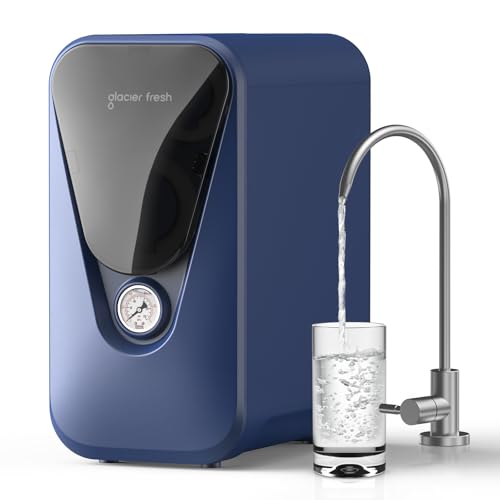
Tankless designs filter water as you need it using an internal pump instead of storing it. They free up cabinet space and generally waste less water in the process, but they cost more upfront and require a nearby electrical outlet, which tank-based systems don't need. If you already prefer on-demand appliances, the logic is similar to why people choose tankless water heaters over traditional storage tanks for hot water.
Waste Water Ratio and Why It Matters
When you start comparing best reverse osmosis filter systems side by side, waste water ratio is one spec that's easy to overlook. Every unit sends some water down the drain while filtering, and this ratio varies dramatically between designs. Older or budget models can waste three to four gallons for every gallon of clean water produced, while systems with permeate pumps or recirculation features bring that closer to one-to-one or two-to-one. If you're on a well with limited output, or your water bill is already a concern, this single spec can matter more than filtration stage count or brand reputation. Ask for the documented waste ratio before buying rather than assuming efficiency, since manufacturers rarely lead with this number.
Remineralization: Do You Need It
Because the RO membrane strips out nearly everything, including beneficial minerals like calcium and magnesium, filtered water can taste flat or slightly acidic straight out of the tap. A remineralization stage, usually positioned last before the faucet, adds those minerals back and nudges pH closer to neutral. It's not a safety requirement, but if you've tried reverse osmosis water before and found it tasted "empty," prioritizing a system with this stage built in, rather than bolting on drops later, tends to give better and more consistent results.
Installation and Ongoing Maintenance
What Installation Involves
Before buying, measure your under-sink space and confirm you have an accessible cold water line and a nearby drain connection, since most systems tap into both. You'll also typically need a hole drilled for the dedicated faucet, similar in concept to adding a separate kitchen faucet fixture, so check whether your countertop material can be drilled or if a hole already exists. Water pressure matters too. Most systems need at least 40 to 60 PSI, and homes with low municipal pressure or well water sometimes need a booster pump added.
Filter and Membrane Replacement Schedule
Three habits cover most of the maintenance workload. Sediment and carbon pre-filters generally need swapping every six to twelve months, the RO membrane lasts around two to three years, and the whole system benefits from an annual sanitizing when you change filters. Check how easy and affordable replacement cartridges are before you buy, since systems built around proprietary filter sizes tend to cost noticeably more over the years than ones using standard, widely available parts.
Common Mistakes to Avoid When Choosing a Reverse Osmosis Filter System
Buying based on gallons-per-day rating alone is a frequent misstep, since actual output usually runs at half to three-quarters of the rated number once real household water pressure is factored in. Ignoring the pre-filter schedule is another common error. A clogged sediment filter forces the membrane to work harder and shortens its life significantly. Finally, don't overlook the drain line connection during installation. A loosely secured saddle valve is a common source of slow leaks that go unnoticed until they've damaged the cabinet underneath.
Frequently Asked Questions
How do I know if I even need reverse osmosis filtration?
Start with a TDS reading and your local water quality report. If dissolved solids are high or specific contaminants like lead or nitrates are flagged, reverse osmosis is one of the most thorough options available for a home kitchen.
What's a normal waste water ratio for these systems?
Basic designs can waste three to four gallons per gallon produced, while efficient tankless or pump-assisted models often get closer to one-to-one. Always ask for this number before buying.
Do I need a water softener before installing reverse osmosis?
Not always, but if your water is very hard, a softener upstream can extend the life of the RO membrane significantly by reducing scale buildup.
How long does installation usually take?
Most under-sink units take one to two hours for someone comfortable with basic tools. Whole-house systems require professional plumbing and typically take longer.
Is reverse osmosis water safe to drink daily?
Yes, it's considered safe for everyday use and remains one of the most thorough home filtration methods available. Some people add remineralization or mineral drops if they prefer a fuller taste.
Why does my reverse osmosis water taste different from bottled water?
Without remineralization, RO water lacks the trace minerals found in many bottled waters, which can make it taste flatter. A system with a built-in remineralization stage closes that gap.
Can I install a reverse osmosis system myself?
Under-sink and countertop models are generally DIY-friendly if you have basic plumbing tools and comfort working under a sink. Whole-house systems almost always require a licensed plumber.
Final Thoughts
The best reverse osmosis filter systems aren't necessarily the ones with the most stages or the flashiest marketing. They're the ones matched to what your water testing actually shows, sized correctly for your household, and realistic about the maintenance you're willing to keep up with. Test your water first, confirm the waste ratio and certification, and you'll end up with a system that fits your kitchen and your budget without surprises later.