Best Inverter Generators
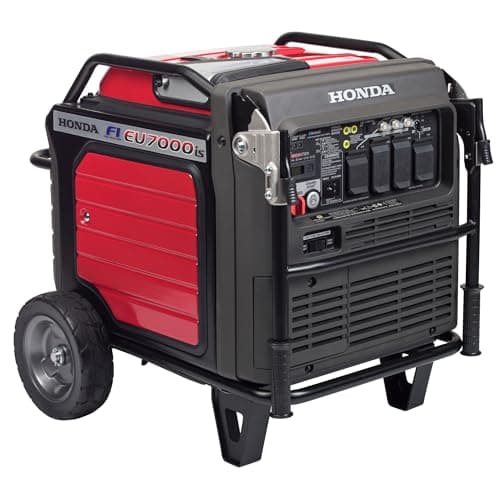
Clean sine wave power, sizing, and parallel capability are what set the best inverter generators apart for running sensitive electronics safely.
Plug a laptop or a flat-screen TV into the wrong kind of generator and you risk more than a flickering light. Rough, uneven power can damage sensitive circuit boards over time, which is exactly the problem inverter technology was designed to solve. The best inverter generators deliver stable, consistent electricity that behaves much more like the power coming out of a home outlet than a traditional generator does. This guide explains what makes inverter models different, how to size one for the electronics and appliances you actually own, and when the extra cost is worth it over a conventional generator.
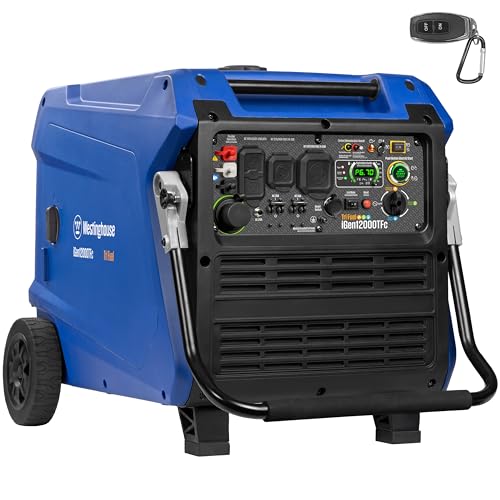
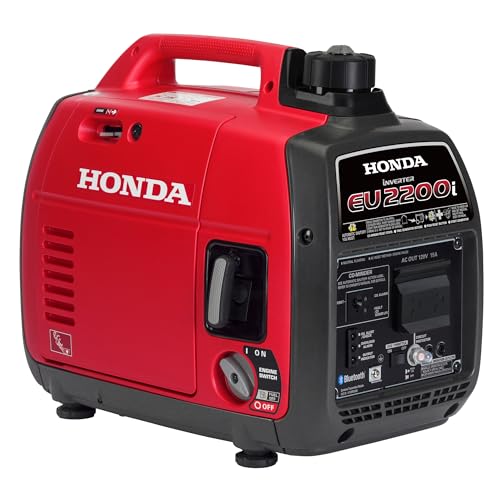
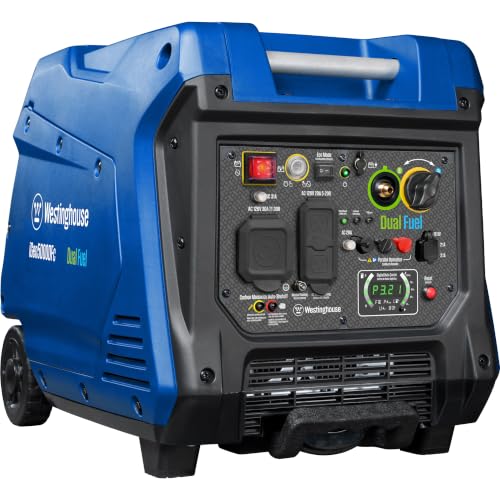
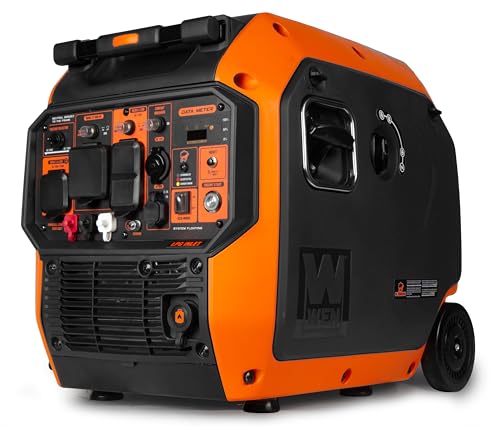
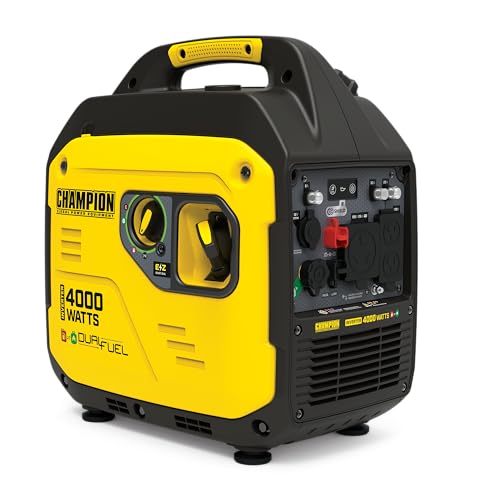
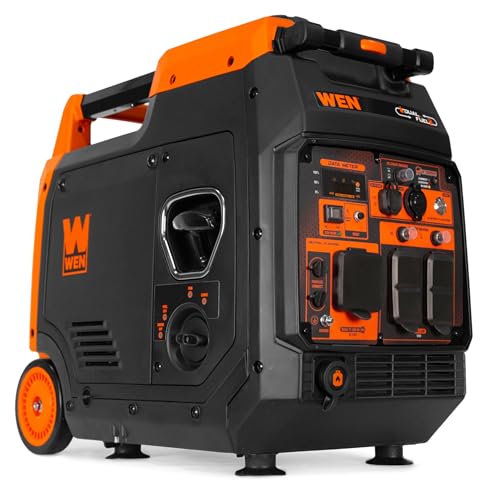


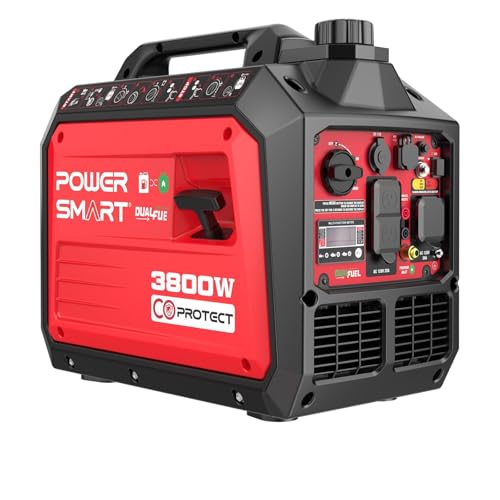
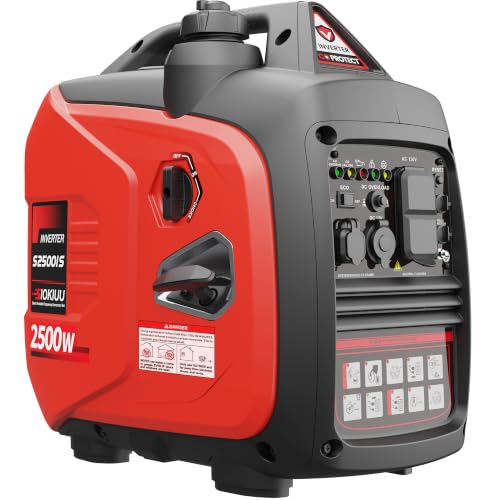
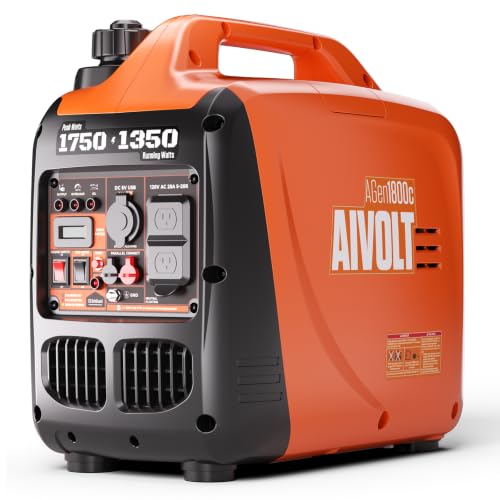
What Clean Sine Wave Power Means for Your Electronics
Household electricity flows in a smooth, consistent wave pattern, and sensitive electronics are built to run on exactly that pattern. Conventional generators produce a rougher, less consistent version of that wave, which is generally fine for basic tools and simple appliances but can cause problems for devices with delicate internal circuitry.
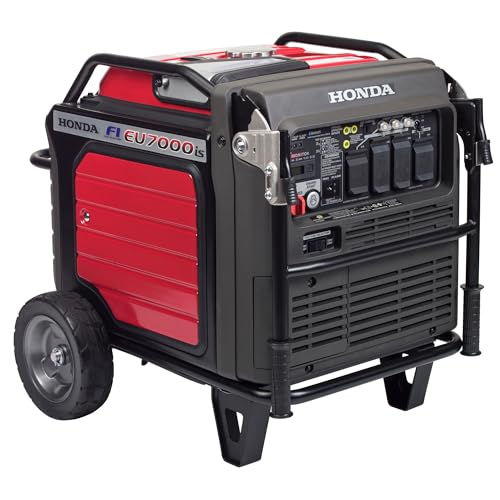
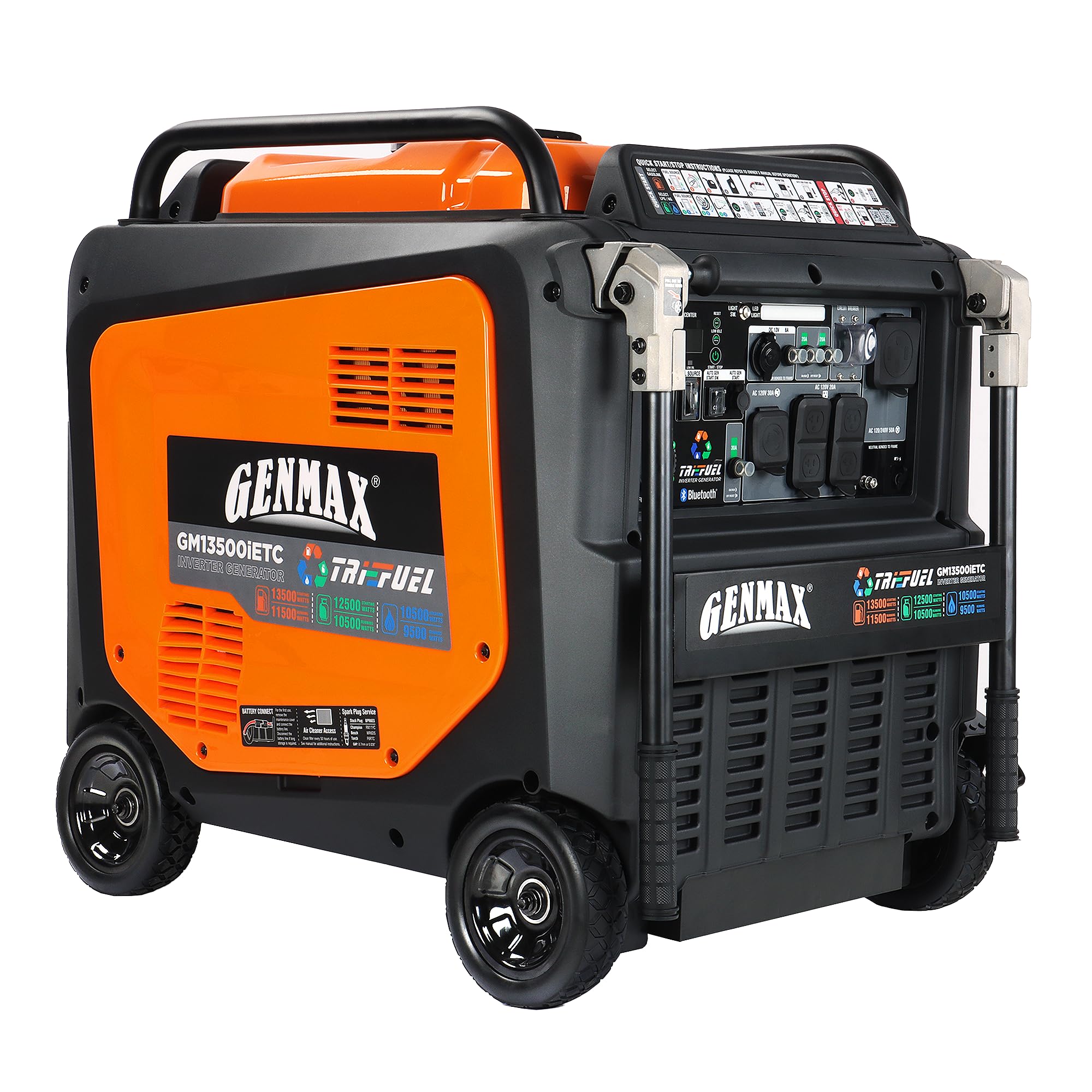
Inverter generators use electronic circuitry to convert and refine the power output into a smooth, consistent wave, often described as clean sine wave power, closely mirroring what comes out of a standard wall outlet. That matters directly for laptops, phones, medical equipment, and modern appliances packed with sensitive electronics, all of which are more likely to run safely and charge properly on clean power. If you regularly plug in anything you would not want to risk on rough power, this is the single biggest reason to choose an inverter model over a conventional one.
Inverter vs Conventional Generator Technology
Conventional generators spin an engine at a constant speed regardless of how much power is actually being drawn, which wastes fuel and produces more noise even at light loads. Inverter generators adjust engine speed to match the actual demand, running quieter and more efficiently when the load is light, then ramping up as needed.
That efficiency difference shows up directly in fuel consumption and noise level, with inverter models typically running noticeably quieter than a conventional generator of similar output. The internal electronics that produce clean power also add cost, which is why inverter generators generally sell for more than a conventional unit with comparable wattage. For anyone prioritizing quiet operation, fuel efficiency, and safe power for electronics, that price difference tends to pay off in daily usability rather than just being a premium label.
Sizing an Inverter Generator to Your Devices
Inverter generators are available in a wide range of output sizes, from small units meant for charging devices and running a few lights, up to larger models capable of handling several household circuits at once. Sizing starts with listing what you actually plan to power, adding up the running wattage, and checking the surge requirement of anything with a motor or compressor.
Smaller inverter units suit tailgating, camping, and light emergency backup for electronics and small appliances. Larger inverter models can handle a broader home backup role, including refrigerators and window air conditioners, while still delivering the same clean power benefit throughout the whole load. Buying more capacity than you need adds cost and weight without benefit, so matching size to your actual device list keeps the purchase efficient, which is really the whole point of shopping for the best inverter generators in the first place.
Parallel Capability for Extra Power When You Need It
Many inverter generators support parallel connection, letting you link two identical or compatible units together to combine their output for higher-demand situations, then run them separately the rest of the time for lighter loads. This flexibility is one of the more practical advantages of inverter technology over a single larger conventional generator.
Running two smaller units in parallel also means each one operates more efficiently at partial load individually, and if one unit ever needs service, the other still provides backup power on its own. Check that any two units you are considering are explicitly rated as parallel-compatible with each other before assuming they can be linked, since not every brand or model pairs freely across product lines.
Noise and Fuel Efficiency Advantages
Because inverter generators adjust engine speed to match demand instead of running at a fixed rate, they tend to run significantly quieter at partial loads than conventional generators of similar output. That difference matters for backyard use, camping trips, and any situation where noise disturbs neighbors or wildlife.
Fuel efficiency follows the same pattern, since the engine only works as hard as the current load requires rather than burning fuel at a constant rate regardless of demand. Over the life of the generator, that efficiency can meaningfully reduce fuel costs and extend how long a single tank lasts during lighter-load situations like charging electronics or running a few lights overnight.
FAQ
Are inverter generators safe for laptops and phones?
Yes, the clean sine wave output is specifically designed to be safe for sensitive electronics, generally safer than power from a conventional generator.
Why are inverter generators more expensive?
The internal electronics needed to produce clean, stable power add manufacturing cost compared to a simpler conventional generator design.
Can inverter generators run a refrigerator?
Larger inverter models can run a refrigerator, provided their output and surge wattage cover the appliance's running and startup power needs.
What does parallel capability mean on an inverter generator?
It means two compatible units can be connected to combine their power output, giving you flexibility between light and heavy load situations.
Are inverter generators quieter than conventional generators?
Generally yes, since they adjust engine speed to the actual load instead of running at a constant speed regardless of demand.
Do I need an inverter generator if I only power tools?
Not necessarily. Basic power tools generally tolerate rough power fine, so a conventional generator may be a more affordable choice for that use.
How much smaller are inverter generators compared to conventional models?
Inverter designs are often more compact and lighter for a given output, though larger high-capacity inverter models exist for home backup use too.
In Short
The best inverter generators earn their higher price through clean, stable power, quieter operation, and better fuel efficiency, especially for anyone running laptops, medical devices, or other sensitive electronics. Size the unit to your actual device list, consider parallel capability if your power needs vary widely, and you will get power that protects your equipment as reliably as it runs it.
Related reading: best generators for camping and best attic insulation.