Best Generators for Camping
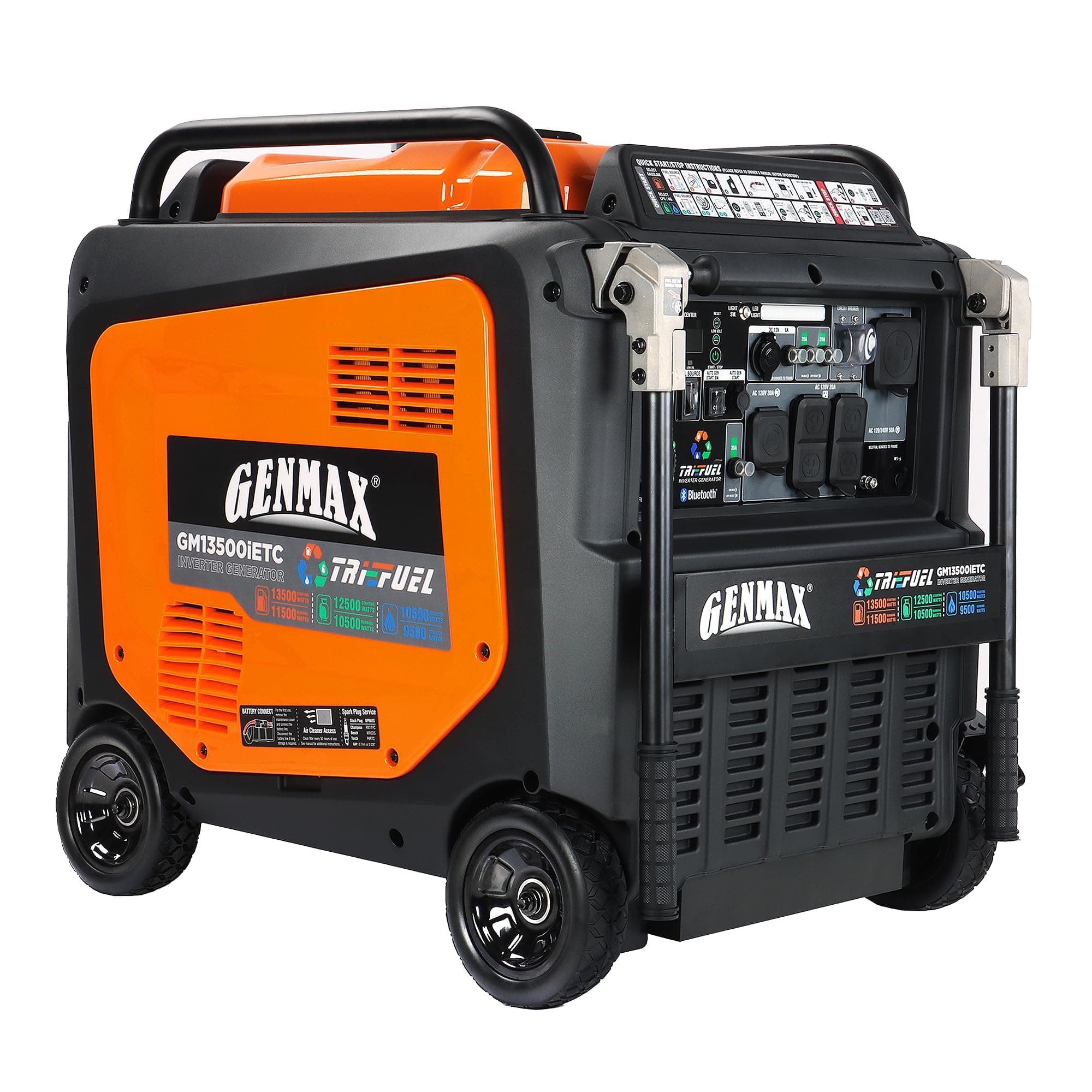
Noise level, portability, and run time on small camp loads are what actually separate the best generators for camping from the rest.
Nothing ends a peaceful night at the campsite faster than a generator that sounds like a lawnmower fifteen feet from your tent. Camping power needs are different from home backup needs in almost every way that matters: you are running small loads, you are carrying the unit by hand or in a trunk, and your neighbors are close enough to hear every decibel. The best generators for camping are chosen around noise, weight, and how long they run on a small tank, not raw output. This guide breaks down what to prioritize so you can keep the lights, fan, and cooler running without becoming the loudest site in the loop.
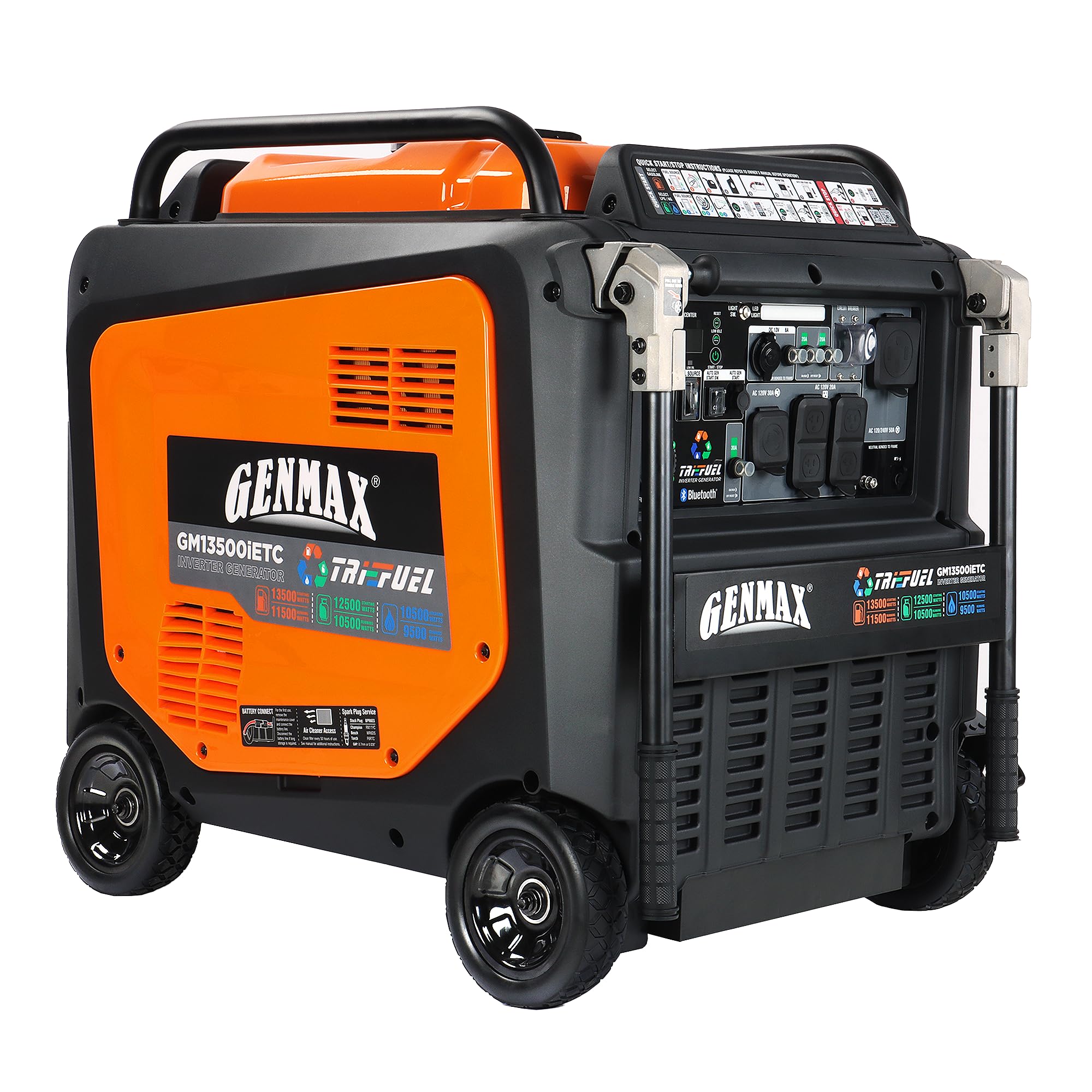
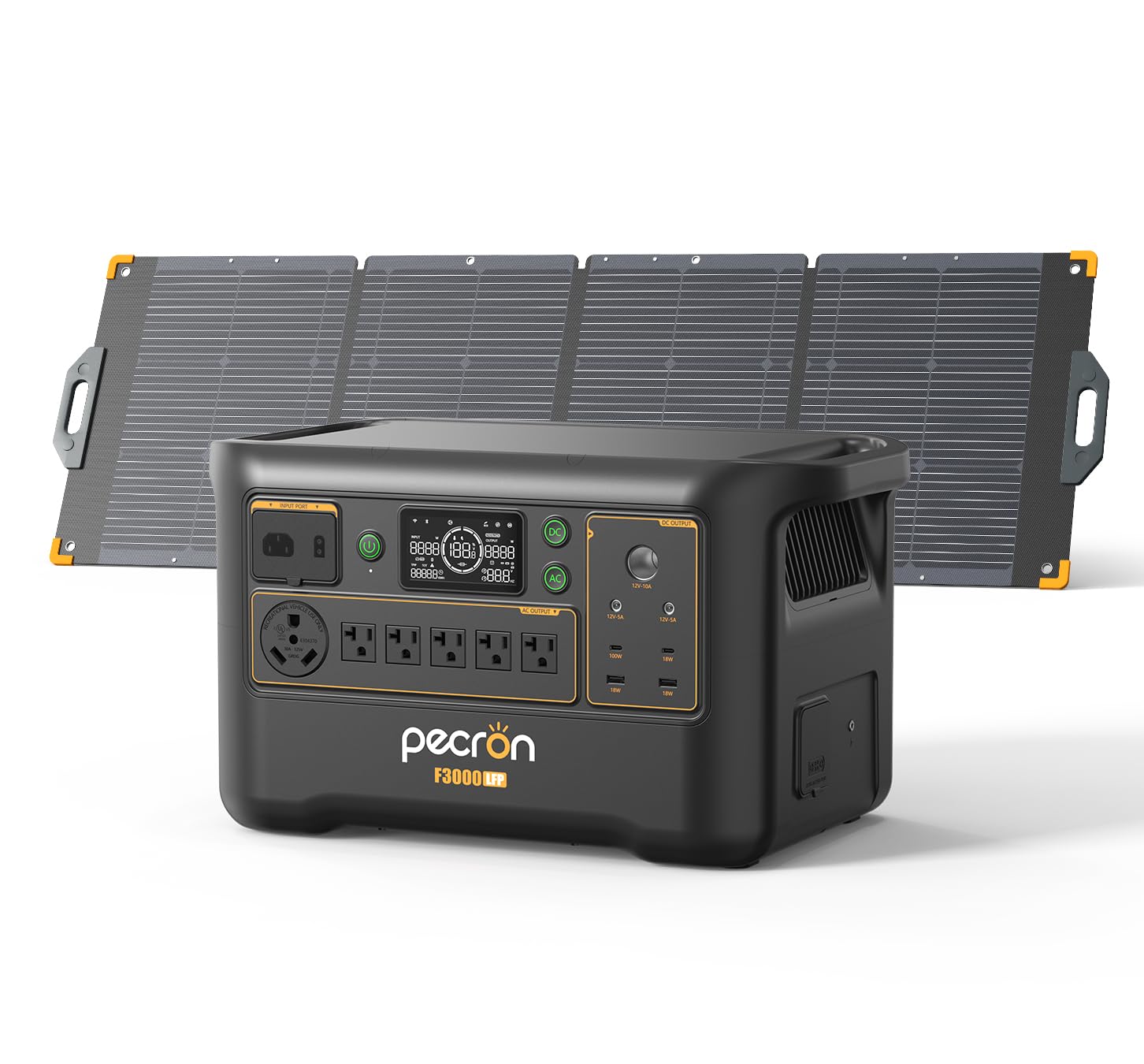
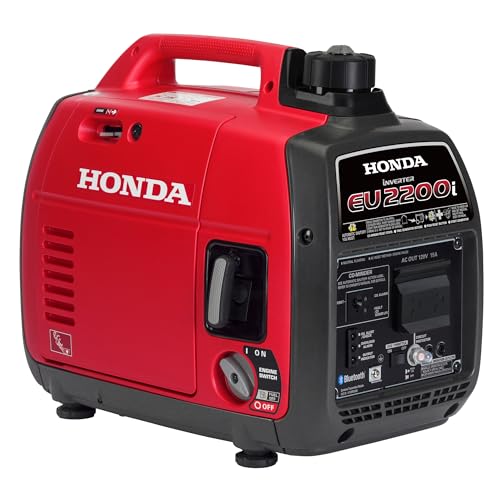
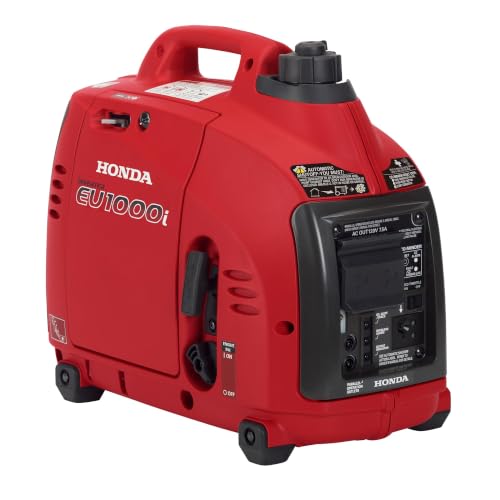
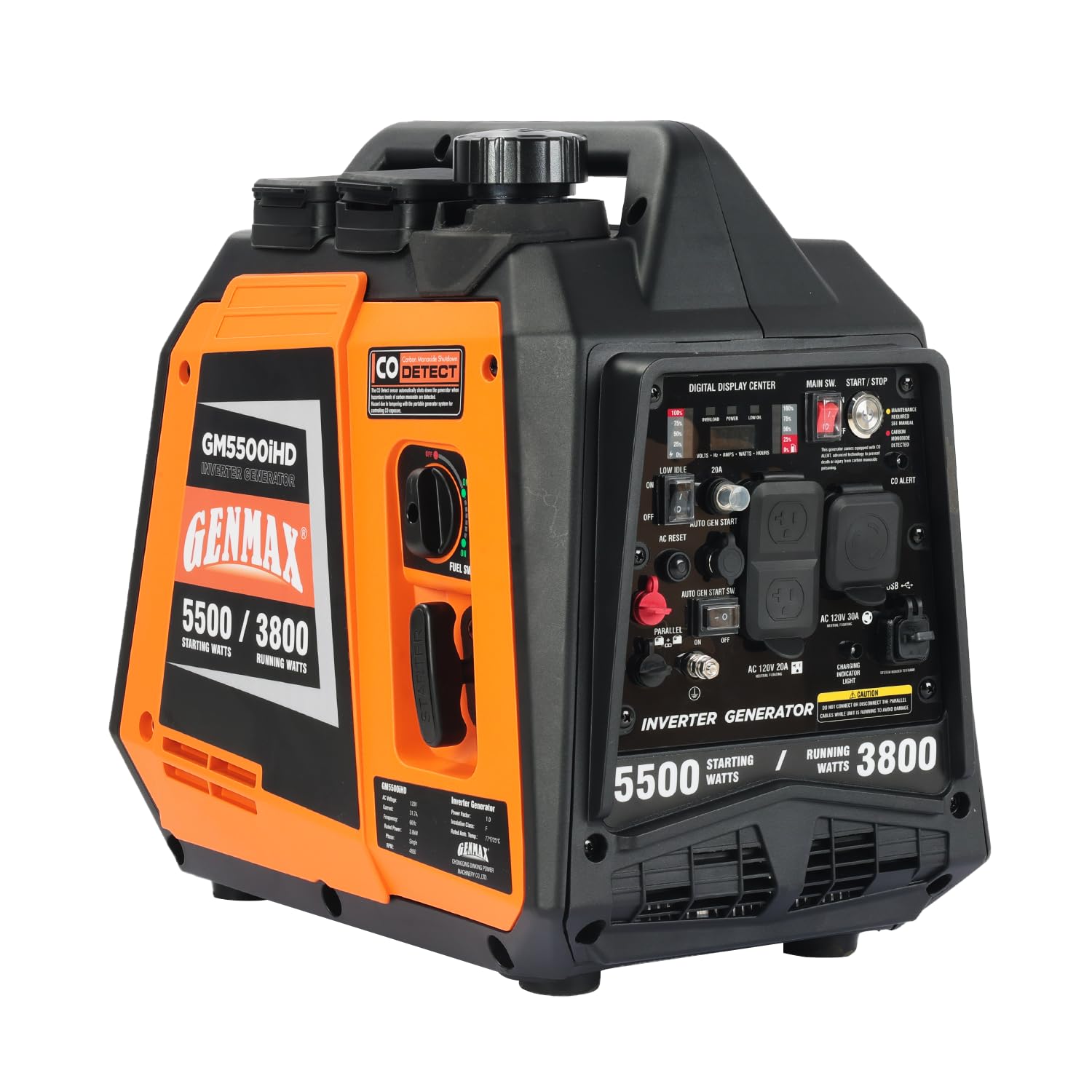

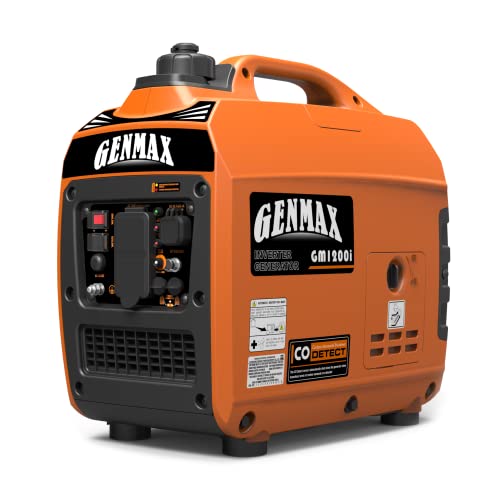

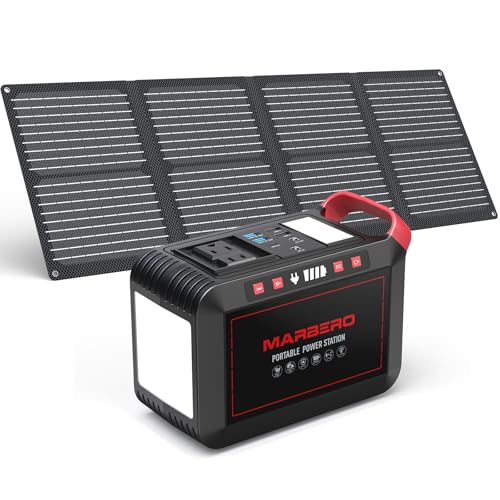
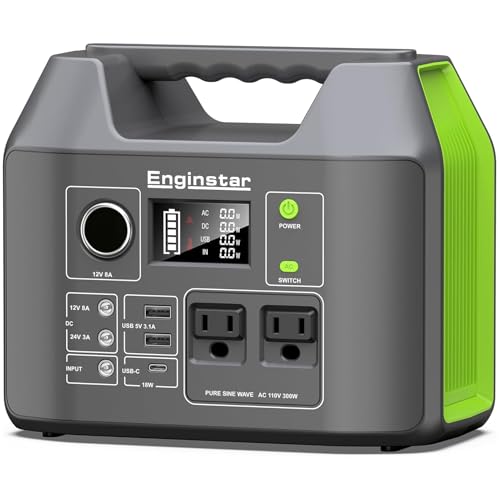
Why Noise Level Matters Most at the Campsite
Campground quiet hours exist for a reason, and many parks and private campgrounds now enforce decibel limits or ban generators outright during certain hours. A unit that runs at a low hum blends into the background noise of a campsite, while a louder model can draw complaints or even get you asked to shut it down.
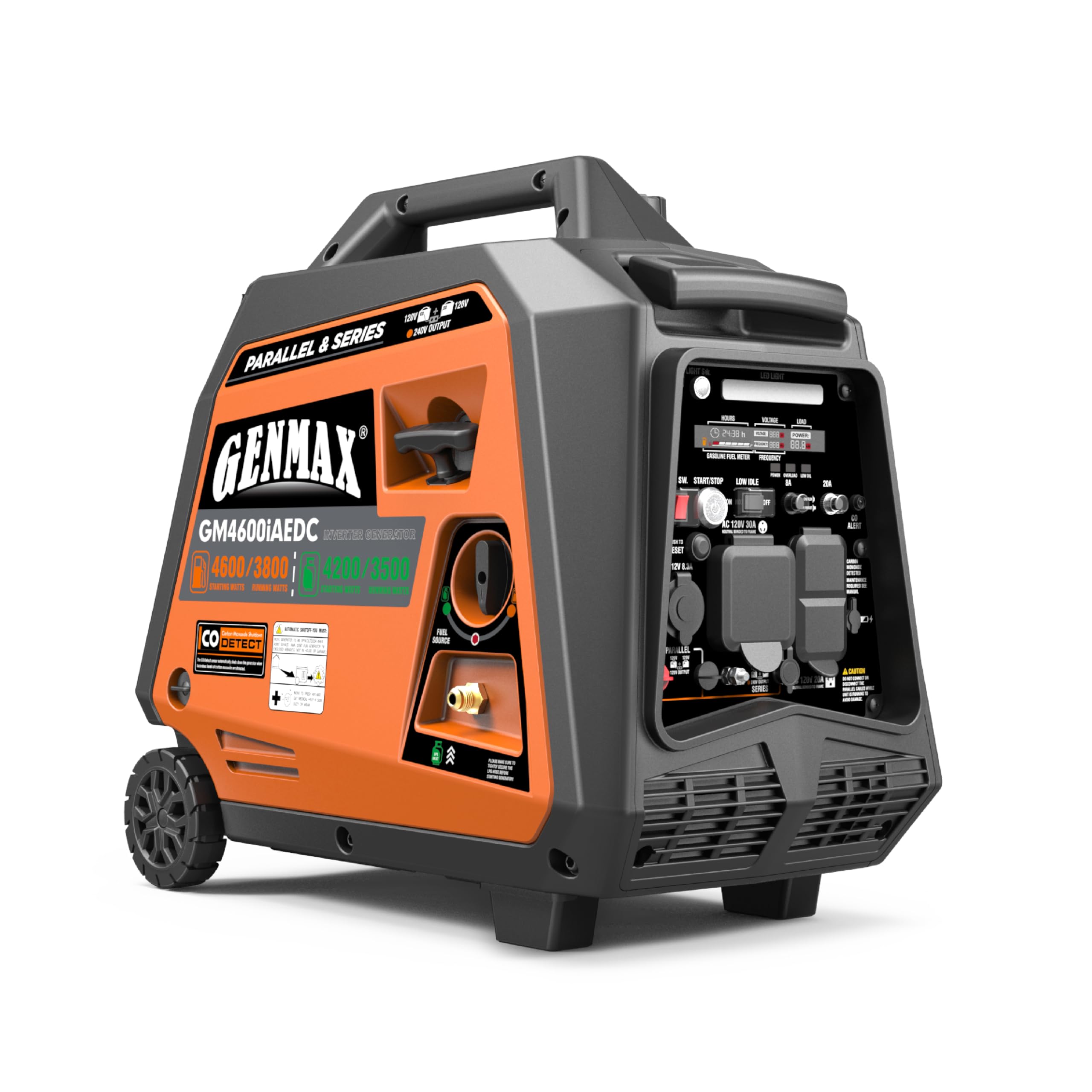
Look for generators built specifically with sound dampening in mind, often described by their decibel rating measured at a set distance. Lower numbers mean quieter operation, and the difference between a mid-range and a top-tier quiet model is very noticeable in person, even though the numbers on paper look close. Placement also matters. Running a generator further from sleeping areas and pointing the exhaust away from tents cuts perceived noise even with the same unit. If quiet operation is your top priority, prioritize the noise level spec above almost everything else, since it directly affects whether your site stays pleasant or draws attention from neighbors. This is generally the first spec that separates good generators for camping from ones better suited to a backyard.
Portability and Weight for Pack-In Sites
Camping generators need to travel the way you do, whether that means sliding into a packed trunk, riding in a truck bed, or getting carried a short distance from the car to a walk-in site. Weight and handle design matter more here than in almost any other generator use case.
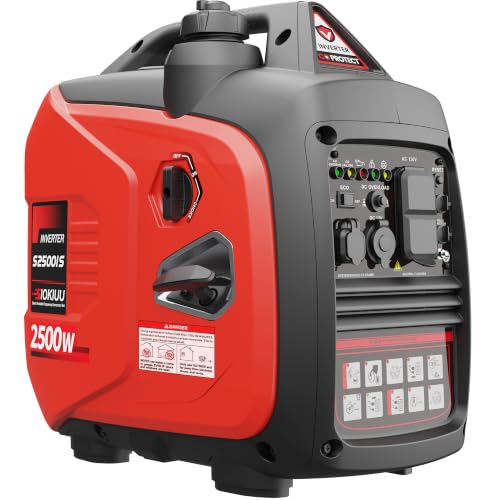
Compact units with a single carry handle work fine for car camping close to a parking spot, but if you are hauling gear any real distance, a lighter unit or one with wheels makes a meaningful difference. Size also affects how much space it takes up alongside coolers, tents, and other gear, so measuring your packing space before buying prevents an awkward surprise at the trailhead or campsite. A generator that is a hassle to carry tends to get left at home, which defeats the purpose of owning one.
Sizing Power for Small Camp Loads
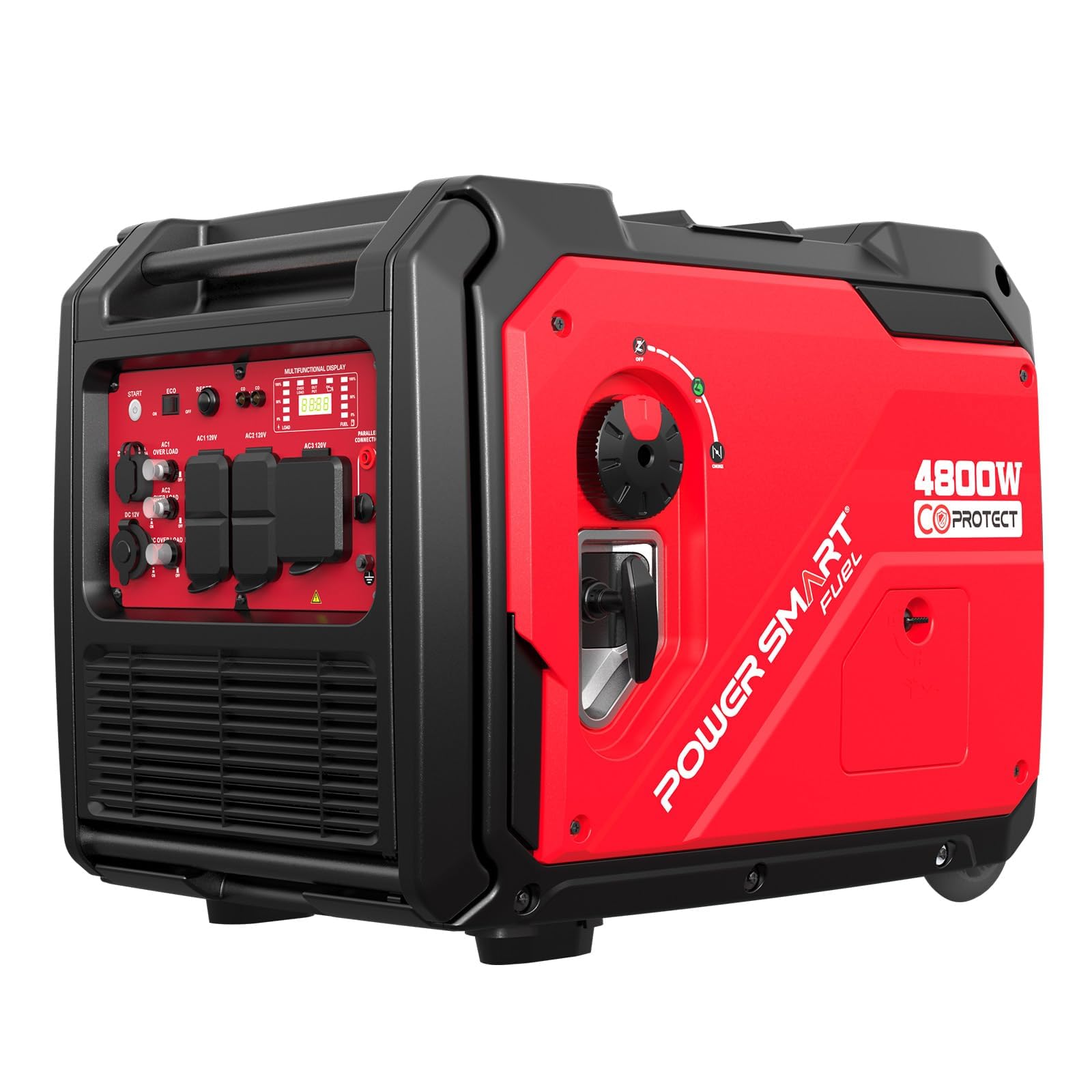
Camping power draws are modest compared to a house or RV. A phone charger, a string of lights, a small fan, a portable cooler, and maybe a coffee maker in the morning add up to a relatively light load. Sizing a generator for camping usually means looking at units in a smaller output range rather than the larger, heavier models built for home backup.
Add up the wattage of what you actually plan to run, including a bit of headroom for anything with a startup surge like a compressor-based cooler, and choose a generator that comfortably covers that total. Oversizing wastes weight and money, while undersizing leaves you unable to run everything at once. Most camping setups do fine with a smaller inverter-style unit that covers lights, small electronics, and one larger appliance without maxing out its capacity.
Fuel Options and Run Time Between Refuels
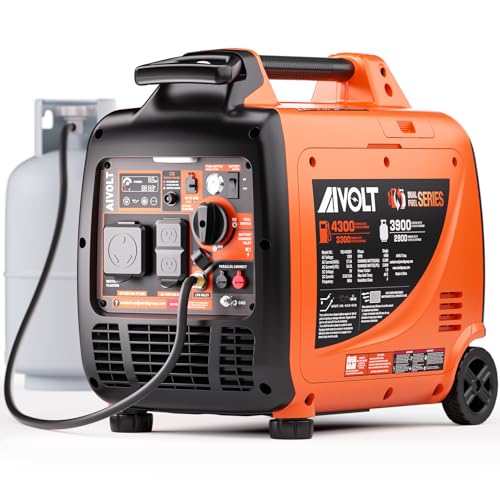
Run time on a single tank determines how often you are managing fuel instead of enjoying the trip. Gas-powered units typically offer several hours of run time at a partial load, while some models offer dual fuel or propane options that trade a bit of efficiency for easier storage and longer shelf life.
Since camping loads are lighter than home backup loads, run time often stretches longer than the spec sheet suggests, since generators sip less fuel when they are not working hard. Still, it is worth checking run time at a realistic load level rather than the minimum load number manufacturers sometimes advertise, since that figure can be misleading for planning an overnight trip.
Generator Safety Around Tents and Shared Campgrounds
Carbon monoxide is invisible and odorless, and it builds up quickly in enclosed or poorly ventilated spaces. A generator should never run inside a tent, camper shell, or any enclosed area, and it needs to sit a safe distance from sleeping areas with the exhaust directed away from people. Many campgrounds now require a minimum distance from tents and neighboring sites, so checking site rules ahead of time avoids problems.
Keep the unit on level, dry ground away from flammable materials, and let it cool before refueling to avoid a fire hazard. If you are camping in a group, coordinating with neighboring sites about generator hours goes a long way toward keeping everyone comfortable.
FAQ
How quiet should a camping generator be?
Look for models rated around the mid-50s in decibels or lower at a standard distance. Anything much louder tends to stand out at a quiet campsite.
What size generator do I need for basic camping?
Most car camping setups run comfortably on a smaller inverter generator sized for lights, charging, and one larger appliance like a cooler.
Can I run a generator overnight while camping?
Many campgrounds restrict generator hours overnight. Check site rules first, and always keep the unit outside and away from sleeping areas if it is allowed.
Are propane generators good for camping?
Propane stores longer than gasoline and burns cleaner, making it a convenient option for occasional trips, though it typically offers slightly less run time per unit of fuel.
How far should a generator be from my tent?
A good rule of thumb is at least twenty feet, with the exhaust pointed away from tents and seating areas to reduce noise and carbon monoxide risk.
Do I need a generator cover for wet weather camping?
Yes, a cover or canopy designed for generator ventilation protects the unit from rain while still allowing safe airflow around the engine.
Can a small camping generator charge a phone and run a fan at the same time?
Yes, both draw very little power. Even the smallest camping generators handle that combination easily with plenty of capacity to spare.
Ready to Pick Yours
The best generators for camping disappear into the background of your trip instead of becoming the main topic of conversation at the next site over. Prioritize a low decibel rating, manageable weight, and enough capacity for your actual gear list, and you will end up with a unit that earns its spot in the trunk trip after trip.
Related reading: best attic insulation and best basement flooring.