Best Solar Pathway Lights: A Complete Buying Guide
Disclosure: We may earn a commission when you buy through links on this page, at no extra cost to you. As an Amazon Associate I earn from qualifying purchases. Learn more
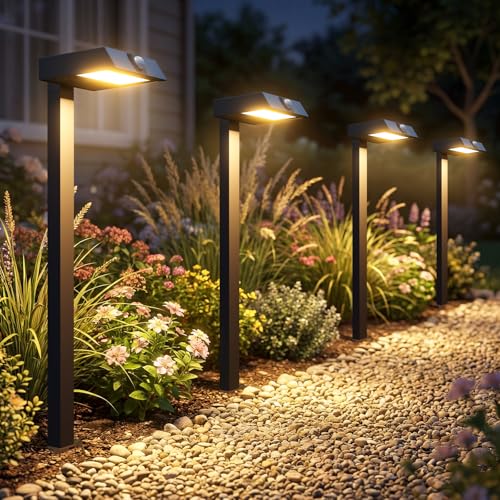
A walkway lined with solar stake lights only works if the light actually lands where your feet do. Get the spacing wrong, mount the fixtures too high, or let the panels go a season without attention, and the path looks decorated during the day and useless after dark.
Pathway lights have one specific job that sets them apart from other solar yard fixtures: marking a route for someone walking, not accenting a flower bed or flooding a driveway. That single difference changes how far apart to place them, how high to set each stake, and which brightness range actually helps instead of blinding whoever's approaching. Here's what tends to trip people up when planning a lit path.

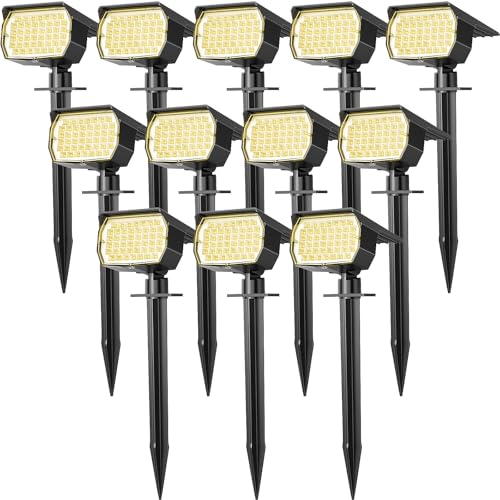
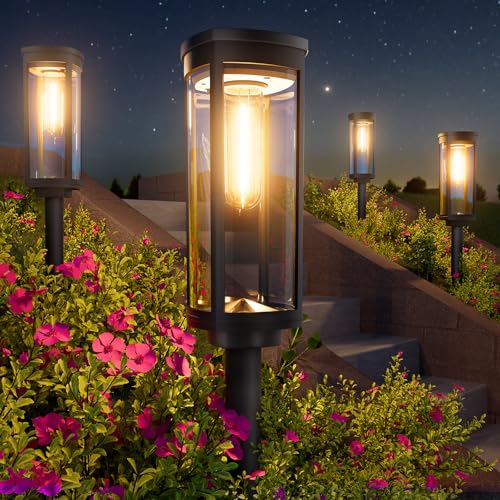
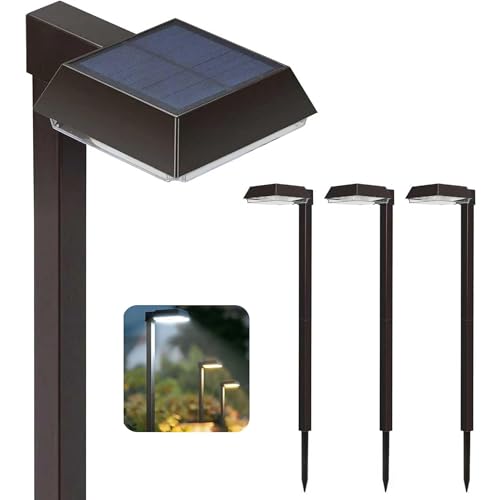
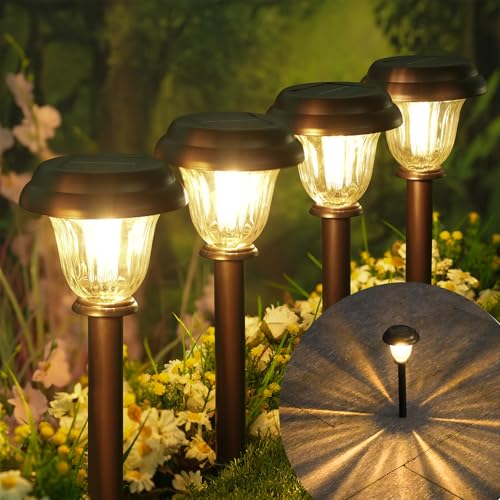
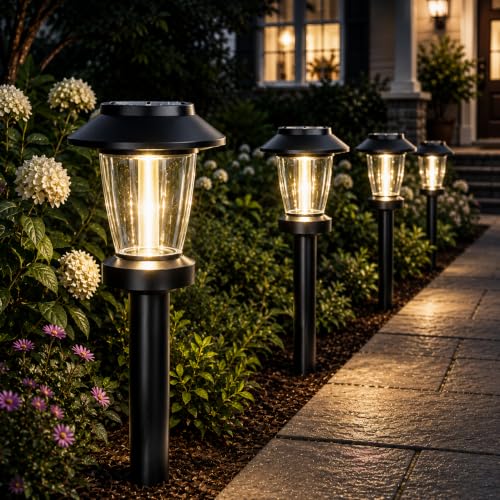
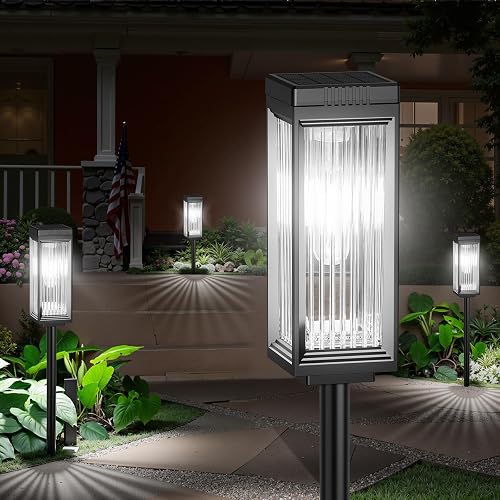
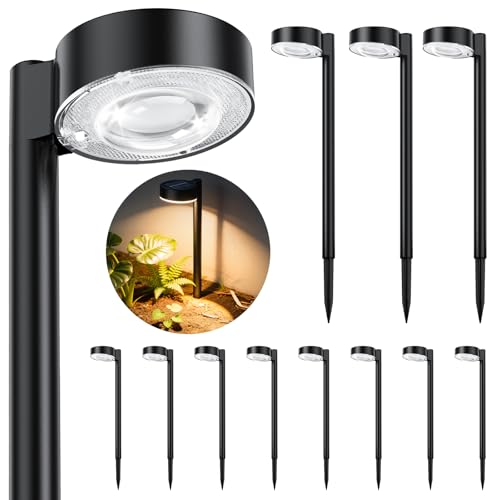
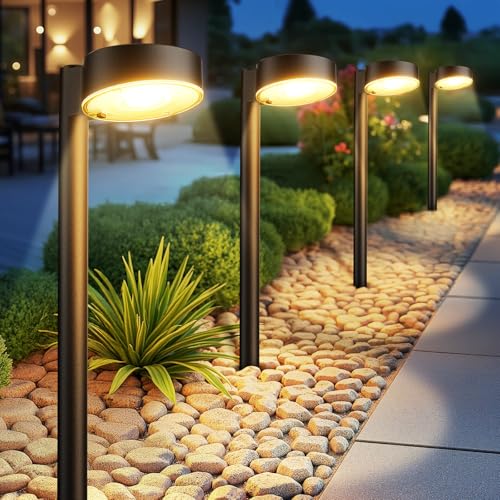
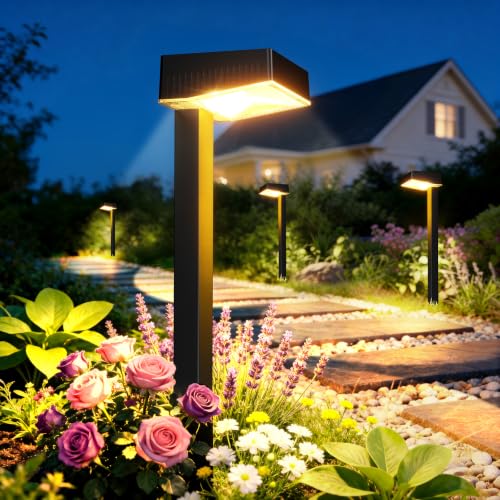
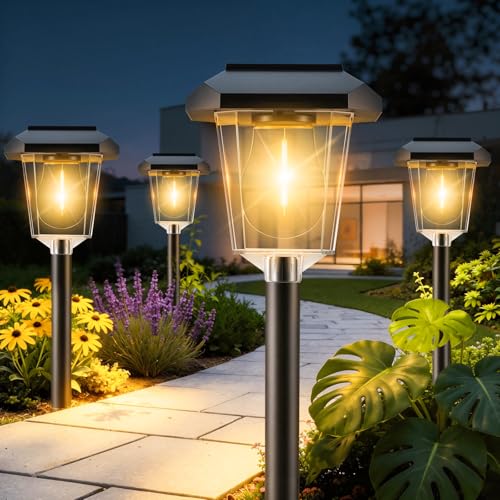
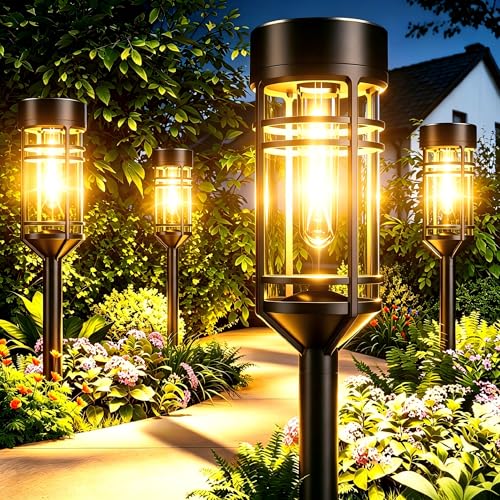
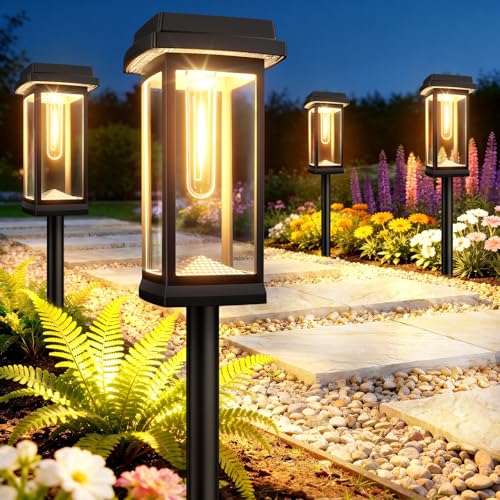

How Many Lights a Walkway Actually Needs
Start with the length of the path, not a pack size on a shelf. Measure the walkway, then divide by a spacing interval that matches the fixture's output. Smaller accent stakes in the 30 to 80 lumen range generally need 4 to 6 feet between them to avoid dark gaps. Mid-output fixtures work well at 6 to 8 feet apart. Brighter units, closer to 100 to 200 lumens, can stretch to 8 or even 10 feet and still keep the ground lit evenly.
A 40-foot front walk divided by a 7-foot interval works out to roughly six fixtures, plus one or two extra at the door and wherever the path bends. Corners, stair transitions, and the approach to an entryway all need tighter spacing than a straight, flat stretch, since a gap right where footing changes is where a trip is most likely.
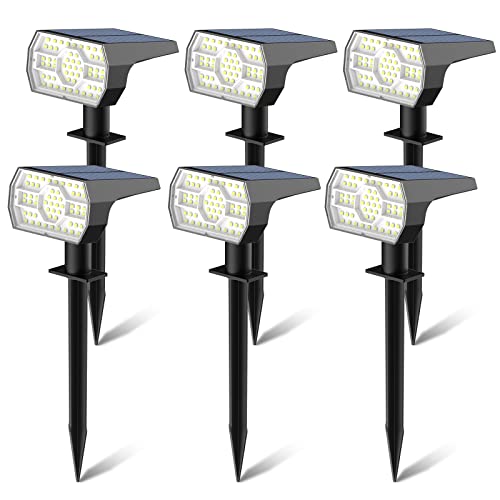
Staggering fixtures on alternating sides, rather than lining them up in two parallel rows, spreads light more evenly across the walking surface and reads as less mechanical once it's dark. It also means each side only needs half the fixtures a fully lined path would, which keeps a longer walkway from turning into a runway of identical stakes.
Driveway edges call for a different calculation entirely, since the fixtures there mark a boundary for vehicles rather than footing for pedestrians, and they need to survive being driven near or over. A dedicated guide to solar driveway lights covers that spacing and durability separately.
Setting Mount Height So Light Lands on the Ground, Not in Anyone's Eyes
Most pathway stakes hold the light head somewhere between 12 and 18 inches above grade. That height puts the bulb above typical groundcover while still angling illumination down onto the pavers or mulch in front of it, rather than out toward eye level.
The tradeoff shows up on a straight approach to a front door. A row of bare, unshielded LED heads at that height can sit right in the sightline of a shorter adult, a child, or anyone in a wheelchair walking toward the house, turning what should be helpful lighting into a string of small glares. Fixtures with a hood, cap, or downward-shielded lens avoid that problem by directing the beam onto the ground instead of straight out. It's worth checking that detail before buying a multi-pack, since photos on a product listing rarely show the beam angle.
This is also where pathway lights diverge from other solar fixtures worth knowing about. Flush-mounted ground lights sit level with the soil and sidestep glare entirely, at the cost of a shorter throw and less definition along a longer walkway. Uplighting fixtures built for trees or walls, covered in a guide to solar landscape spotlights, point in the opposite direction on purpose and aren't meant to light where you step at all. Neither substitutes well for a fixture whose whole design is aimed at the ground in front of your feet.
Brightness Levels That Make Sense for a Walking Surface
Lumen needs depend on what's nearby. A path already softened by porch light or a nearby window only needs 30 to 80 lumens per fixture to stay visible without looking harsh. A main entry walk with uneven pavers, steps, or heavier foot traffic after dark benefits from something closer to 100 to 200 lumens per stake.
More lumens isn't automatically better, though. Bright fixtures spaced too close together create hot spots that wash out the eye's night vision right at the spot where footing needs to be clearest, like a stair edge or a step down to a lower patio. If security matters as much as marking the path, a motion-activated approach that stays dim and brightens only when someone's walking by can solve both problems at once. A guide to solar motion sensor lights is worth a look for entryways where both concerns overlap.
Why Path Lights Dim Out Partway Through Summer
Fixtures installed in open spring sun often fade by midsummer, and the cause is rarely a failing battery. Grass, mulch beds, and groundcover keep growing through the season, and a stake that had clear sky overhead in April can end up half-shaded by July. A panel that only gets partial sun charges for a fraction of the day, which shows up at night as a light that runs an hour or two instead of lasting until dawn.
Setting the stake a few inches taller than the mature height of whatever's planted nearby heads this off before it starts. It's also worth a quick walk-through once a month during the growing season to check that nothing has crept up around the base. If a fixture that worked fine in spring starts fading fast, check for shade before assuming the unit is defective.
What Winter Does to Solar Path Lighting
Two things work against solar lights once the weather turns. Days get shorter, which cuts total charging time regardless of how clear the sky is, and snow or ice sitting directly on the panel can block sunlight from reaching it altogether. A fixture that ran ten hours in July might barely make it through a few hours by December, even without any hardware issue.
Brushing snow off gently with a soft broom, rather than scraping or pouring hot water on a cold panel, keeps the surface from cracking. Battery chemistry matters here too. Lithium-based cells hold up better in cold temperatures and keep more of their capacity through freezing nights than standard NiMH batteries, which is worth factoring in for anywhere that sees real winters.
Keeping Stakes Upright Near Mowed Lawn
A path that runs along or through a lawn puts fixtures directly in the path of mowers and string trimmers, and thin plastic stakes rarely survive contact with either. Positioning lights just off the mowed edge, rather than in the grass line itself, cuts down on accidental hits considerably.
Where lights do need to sit close to turf, a metal or reinforced stake driven several inches into the soil resists both wind and the occasional bump from equipment better than a hollow plastic peg. A stake that flexes under light pressure and springs back is generally a better sign than one that feels rigid but thin, since rigid plastic tends to snap rather than bend.
For paths that run alongside a fence, deck, or low wall instead of open lawn, mounting fixtures up on the structure itself sidesteps the mower problem entirely, since there's no stake in the grass to hit in the first place. A guide to solar post cap lights covers that mounting style in more detail, including how it compares for a path that runs along a property line rather than through open turf.
Common Questions About Solar Pathway Lights
How far apart should solar pathway lights be spaced?
It depends on the fixture's brightness. Lower-output stakes need roughly 4 to 6 feet between them, mid-range fixtures work at 6 to 8 feet, and brighter units can stretch to 8 or 10 feet apart without leaving dark gaps.
How high should the light sit above the ground?
Most pathway stakes place the light head 12 to 18 inches above grade. That's tall enough to clear typical groundcover while still angling light down onto the walking surface instead of out toward eye level.
Why do my pathway lights work fine in spring but dim by midsummer?
Grass, mulch, and nearby plants often grow tall enough over the season to partially shade the solar panel, even if the fixture had full sun when it was installed. A panel that isn't fully charging shows up at night as a light that fades early instead of lasting until dawn.
Will a lawn mower or string trimmer destroy solar path lights?
Thin plastic stakes are the most common casualty. Placing fixtures just off the mowed edge and choosing a metal or reinforced stake driven deep into the soil both cut down on accidental damage from yard equipment.
Do solar pathway lights still work in winter?
Yes, though shorter days mean less charging time overall, and snow or ice sitting on the panel can block sunlight entirely. Brushing snow off gently and choosing a lithium battery, which holds up better in cold temperatures than standard NiMH cells, both help maintain runtime through winter.