Best Smoke and Carbon Monoxide Detector: Buying Guide
Disclosure: We may earn a commission when you buy through links on this page, at no extra cost to you. As an Amazon Associate I earn from qualifying purchases. Learn more

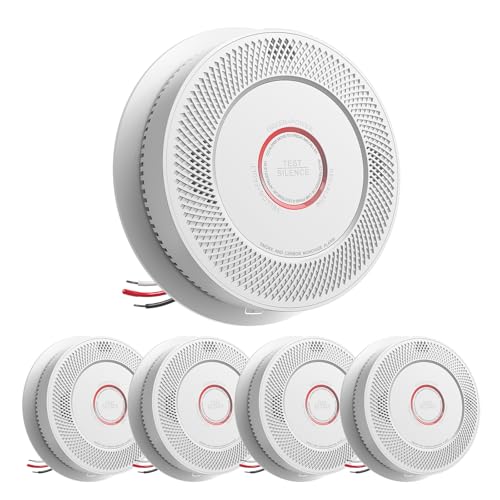
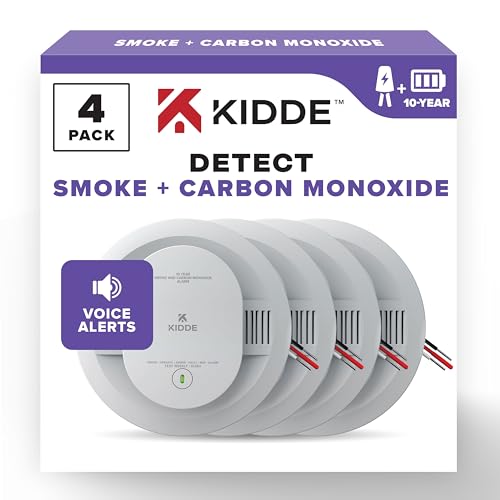

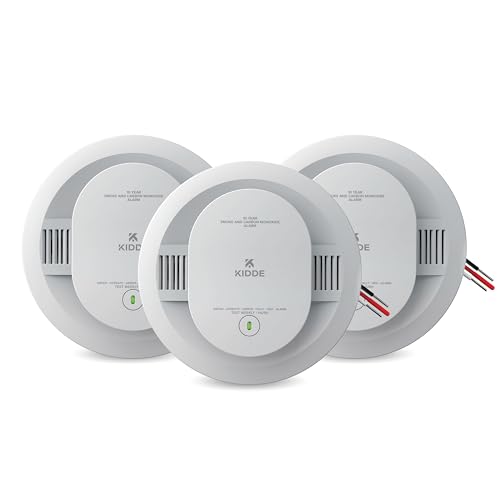
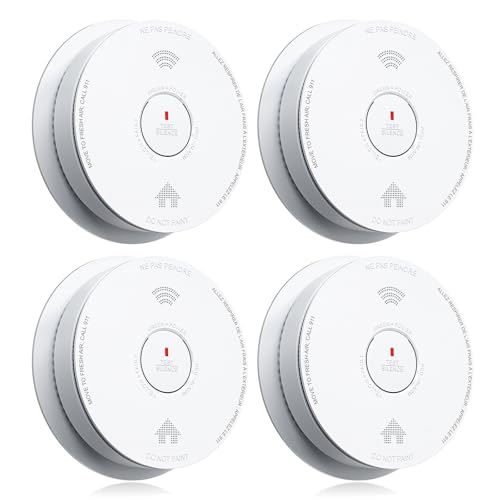
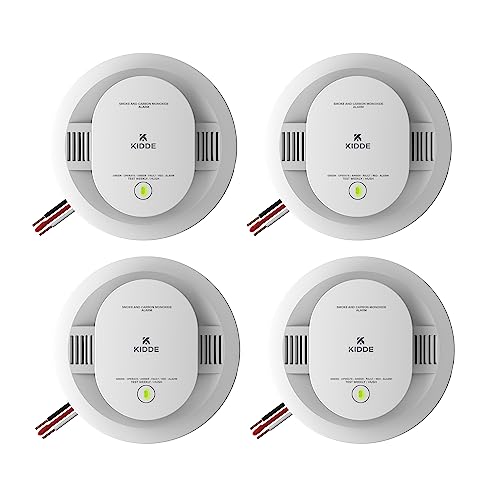
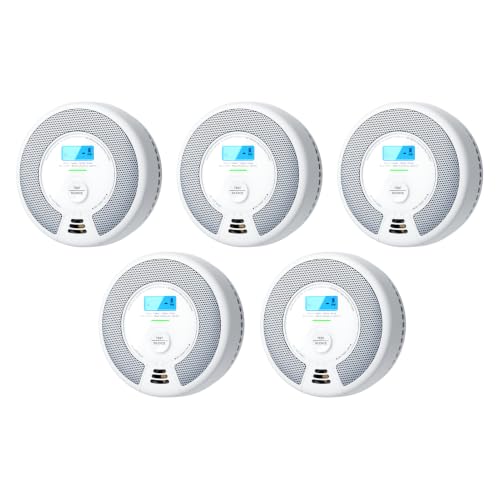
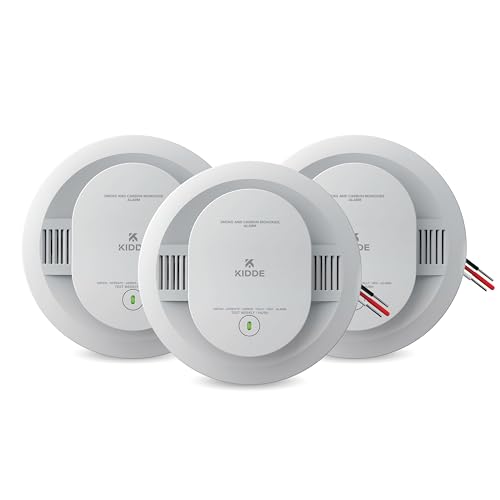
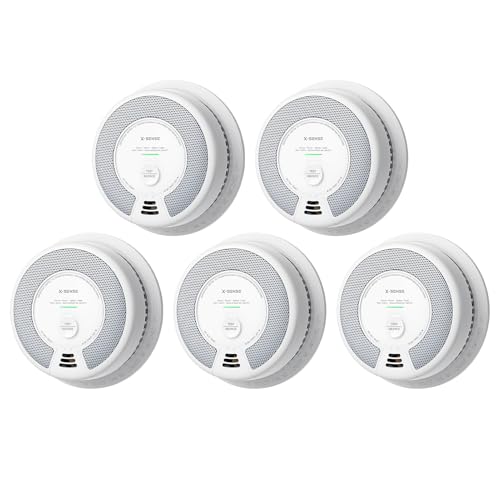
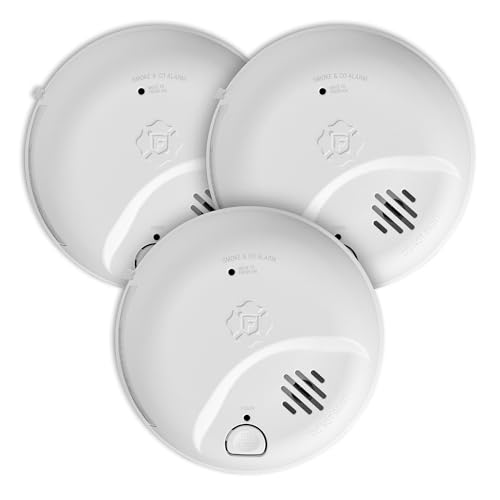
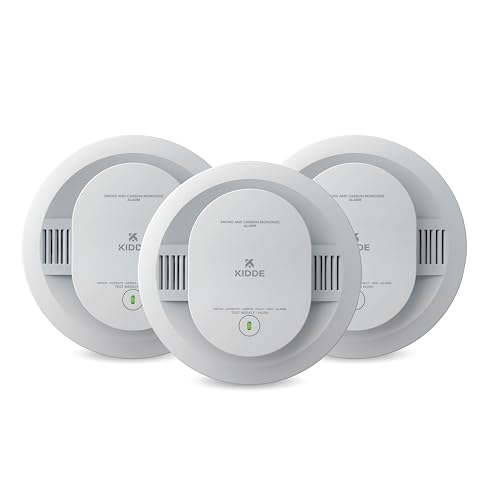
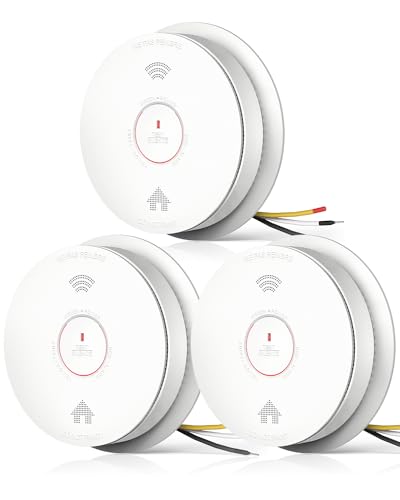
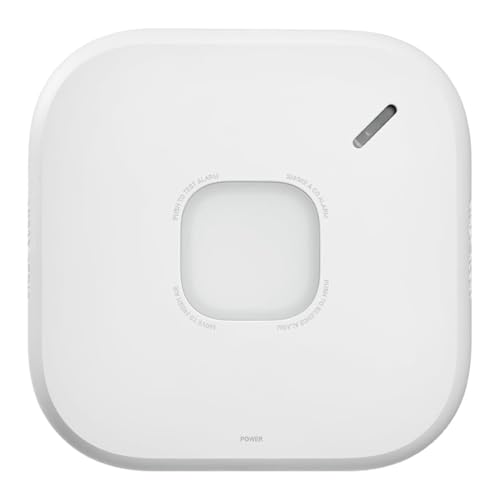
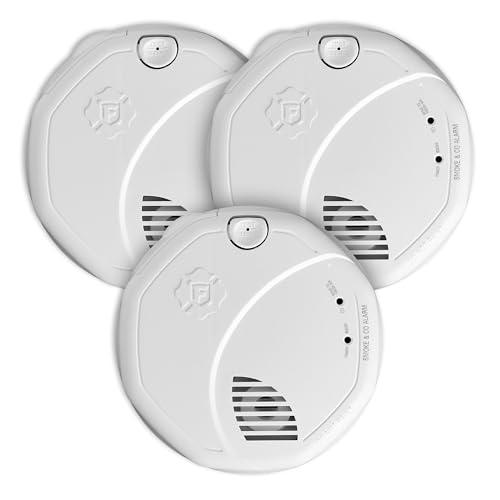
Combo Alarm or Two Separate Devices: Matching the Setup to Your Home
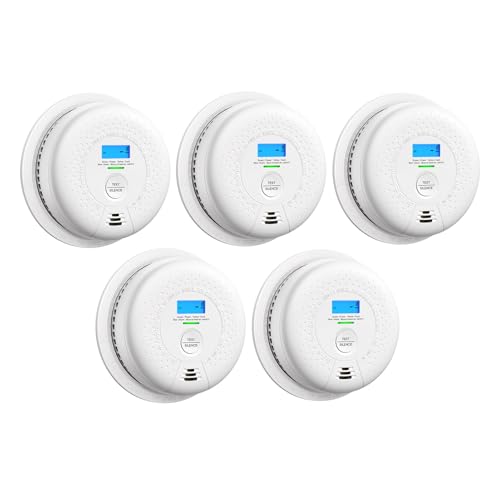
A single smoke and carbon monoxide detector senses both hazards in one housing, which cuts down on wall clutter and wiring runs. That convenience comes with a tradeoff worth knowing about before you buy: if either sensor fails or reaches end of life, the whole unit typically needs replacing, even though the other sensor may still work fine.
Two separate detectors cost more up front and take more wall space, but they let you swap out a dead CO sensor without losing smoke coverage, or vice versa. They also let you place each one where it performs best, since ideal smoke and CO placement is not identical.
For most households, a combo unit is the simpler and more budget-friendly choice, especially in bedrooms and hallways. Homes with fuel-burning appliances in specific rooms, like a furnace closet or an attached garage, often do better pairing a combo alarm in living spaces with a dedicated CO alarm near the equipment.
Sensor Types Inside a Combo Alarm, and Why It Matters
Smoke sensing comes in three flavors: ionization, photoelectric, and dual sensor. Ionization elements react fastest to flaming fires, the kind that spread quickly and produce little visible smoke at first. Photoelectric elements are better tuned to smoldering fires, the slow-burning kind that can start in bedding or wiring and fill a room with smoke for hours before flames appear.
Dual-sensor units combine both technologies in one chamber, which is why fire safety organizations generally recommend them over single-technology alarms when only one detector will cover a room. A smoke and carbon monoxide detector built with dual sensing catches a broader range of fire behavior without asking the household to guess which type is more likely.
On the CO side, nearly every consumer alarm uses an electrochemical sensor. It measures a chemical reaction between carbon monoxide and an internal solution to produce a reading, and it is the same core technology across most price points. What varies more is how the alarm interprets that reading, how quickly it responds to low, sustained CO levels versus a sudden spike, and how it displays or logs concentration over time.
Power Options: Hardwired, Plug-In, or Sealed Battery
Hardwired units tie into your home's electrical system and usually include a battery backup, so they keep working through a power outage. This setup is common in newer construction and is often required by local code for new builds or major renovations, though the exact rules vary by jurisdiction.
Plug-in models draw power from a standard outlet and typically include a battery backup as well. They install in minutes with no wiring, which makes them a practical fit for renters or anyone retrofitting an older home.
Battery-only units, particularly those with a sealed 10-year lithium battery, have become the most popular option for retrofits. A sealed battery eliminates the low-battery chirp cycle since it is designed to last the alarm's full service life, and the unit signals a single end-of-life alert when it is time to replace the whole device rather than just swapping cells.
Placement and Interconnection: Meeting Code Without Guesswork
Smoke rises quickly, so ceiling or high-wall mounting near sleeping areas gives the fastest response. Carbon monoxide behaves differently: it mixes with room air rather than rising straight up, so placement guidance for CO sensing is more forgiving about exact height, though units should still stay away from dead air pockets in corners.
General guidance calls for a detector on every level of the home, including basements, and one outside each sleeping area. Homes with an attached garage or a fuel-burning appliance benefit from an added unit near that source. Keep any combo alarm at least several feet from cooking appliances and fireplaces to cut down on nuisance triggers.
Interconnection is where households often fall short of what's expected. An interconnected system means every alarm sounds together when one is triggered, either through household wiring or a wireless RF link between battery units. That matters most in a large or multi-story home, where a fire on one floor might otherwise go unheard two floors away. Look for a smoke and carbon monoxide detector with a UL listing, which confirms it passed independent testing for sensitivity, alarm volume, and interconnect compatibility.
A whole-home approach to alerting often pairs interconnected alarms with a smart home hub, which can push a phone notification even when nobody is home to hear the alarm sound.
Keeping It Working: Testing, Batteries, and Replacement Timelines
Press the test button monthly. It confirms the horn, sensor circuit, and power source are all functioning, and it takes about ten seconds. Vacuum the vents twice a year to clear dust that can dull sensitivity or trigger false alarms.
Replacement timelines differ by sensor type, which is one more reason combo units complicate long-term planning. CO sensors generally lose accuracy after five to seven years, while smoke sensors are typically rated for about ten years. Check the manufacture date printed inside the unit, not the purchase date, since a detector may have sat on a shelf before you bought it.
- Test the alarm monthly using the built-in test button
- Vacuum dust from vents every six months
- Replace standard batteries twice a year, on a schedule you'll remember
- Replace the entire unit once it reaches its rated end-of-life date
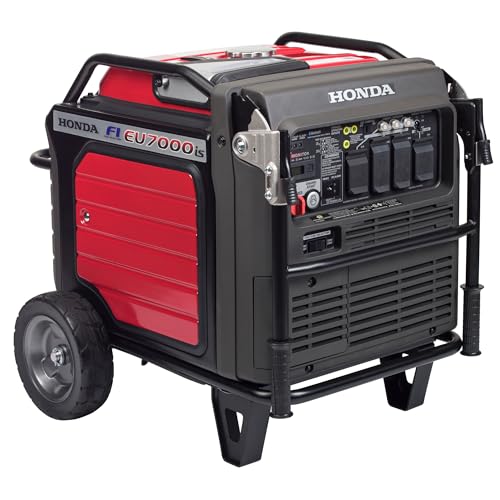
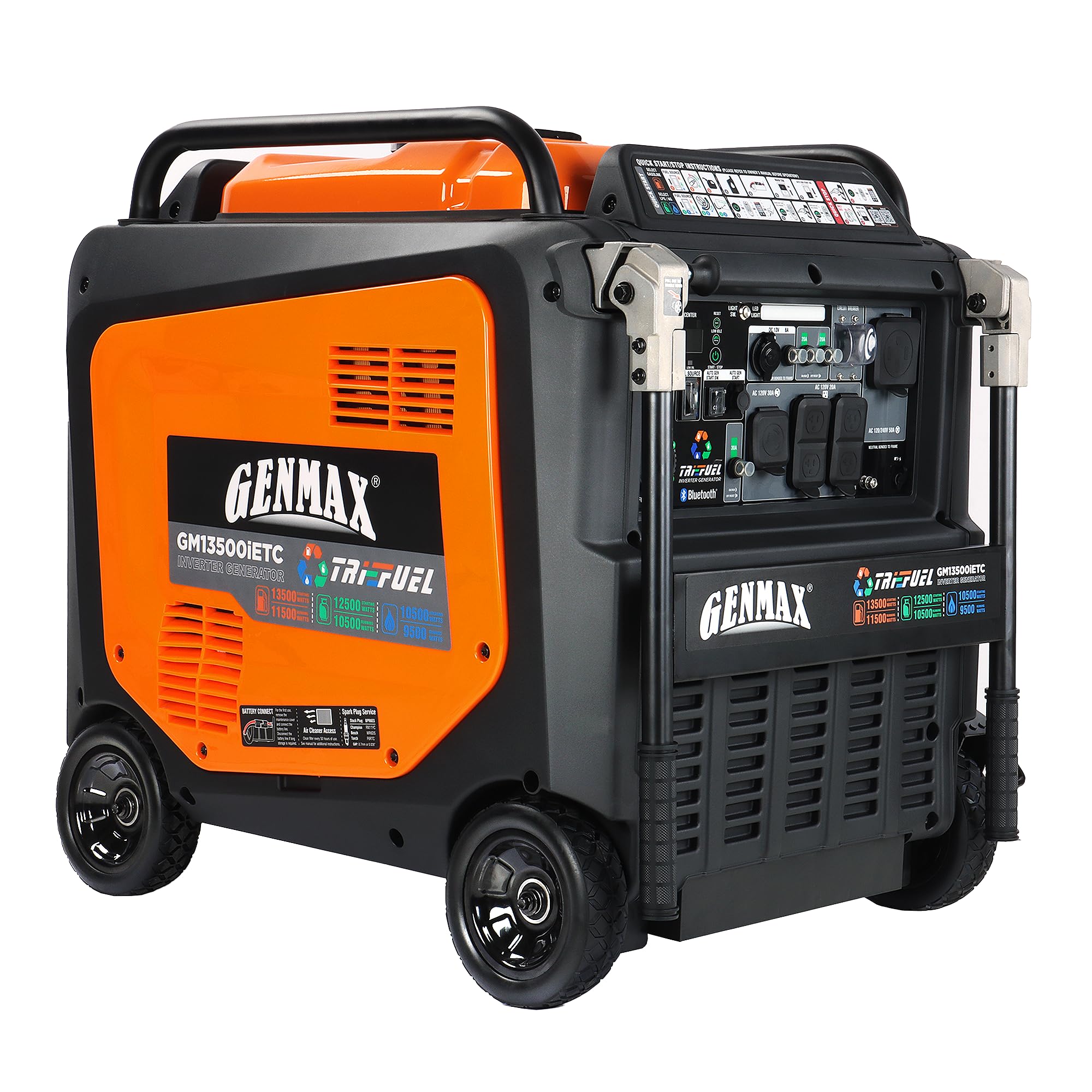
Households running a portable or standby generator have an added reason to stay current on CO coverage, since generator exhaust is a common source of accidental poisoning. Anyone shopping for a portable generator should treat a working CO alarm as mandatory equipment.
Mistakes That Quietly Leave a Room Unprotected
Mounting an alarm too close to a kitchen or bathroom is a common setup error. Steam and cooking exhaust trigger false alarms, and after a few late-night false alerts, many households disable the unit entirely, which defeats the purpose.
Painting over a smoke detector is another quiet hazard. A layer of paint can block smoke from reaching the sensing chamber, delaying or preventing an alarm. If a unit has ever been painted, replace it rather than trying to clean it.
Ignoring the interconnect feature is a missed opportunity in larger homes. Standalone units that don't communicate with each other mean a fire in a distant part of the house might not wake anyone. Pairing detectors with an indoor air purifier can also help manage everyday smoke and cooking particulates, reducing the nuisance triggers that lead people to disable alarms in frustration.
Frequently Asked Questions
How often should a combo smoke and CO alarm be replaced?
Most manufacturers rate combo units for about ten years, though CO sensors inside them may lose accuracy sooner. Check the manufacture date stamped inside the unit and plan replacement around that date rather than guessing.
Can one detector really cover both smoke and carbon monoxide reliably?
Yes, a quality dual-sensor combo unit tests both hazards independently within the same housing. Each sensor operates on its own circuit, so one hazard type triggering does not interfere with detection of the other.
Do combo detectors need to be interconnected to be effective?
Interconnection isn't strictly required for a single unit to function, but it significantly improves whole-home alerting in larger or multi-level homes. Without it, an alarm in a distant room may go unheard.
Where should a combo alarm not be installed?
Avoid direct proximity to cooking appliances, bathrooms with heavy steam, and areas near HVAC vents or ceiling fans that can disrupt airflow to the sensor. Also avoid dead air corners where smoke or gas may not reach the unit quickly.
What's the difference between ionization and photoelectric sensing?
Ionization sensing reacts faster to flaming fires, while photoelectric sensing responds better to slow, smoldering fires. Dual-sensor units combine both technologies for broader coverage in a single alarm.
Does a sealed 10-year battery mean zero maintenance?
No. A sealed battery removes the need for periodic battery swaps, but the unit still needs monthly testing and periodic dust cleaning to keep the sensor working accurately.
Is a hardwired unit better than a battery-powered one?
Hardwired units with battery backup offer the most consistent power supply and are often required in new construction. Battery-only units are easier to install and relocate, which makes them a practical choice for existing homes.
Choosing the Right Alarm for Your Household
The right setup depends less on brand and more on how your home is laid out. A small apartment with one or two bedrooms usually does well with a couple of combo units near sleeping areas. A larger, multi-level home benefits more from an interconnected system that includes a dedicated CO alarm near any fuel-burning equipment.
Whatever configuration you land on, a UL-listed smoke and carbon monoxide detector with a clear test routine and a known replacement date is the foundation of a reliable home safety plan. Consistency in testing and timely replacement matters more than any single feature on the box.