Best Reverse Osmosis Drinking Water System: A Complete Buying Guide
Disclosure: We may earn a commission when you buy through links on this page, at no extra cost to you. As an Amazon Associate I earn from qualifying purchases. Learn more

If your tap water tastes off, leaves spots on glasses, or you just don't trust what's coming out of the faucet, you're not alone. Millions of households turn to a reverse osmosis drinking water system to strip out chlorine, heavy metals, and other dissolved contaminants that regular pitcher filters miss. Finding the best reverse osmosis drinking water system for your home means understanding filtration stages, waste water ratios, tank design, and installation space before you spend a dollar. This guide walks you through everything you need to compare, so you can choose with confidence instead of guessing.
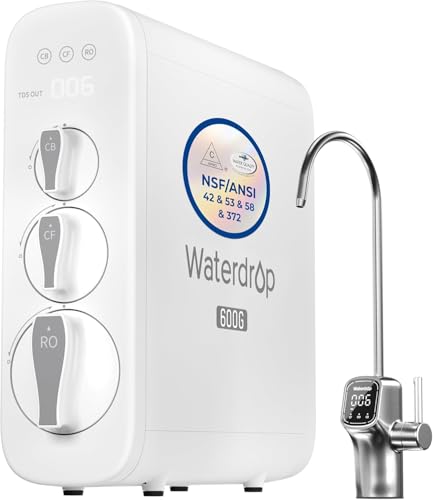


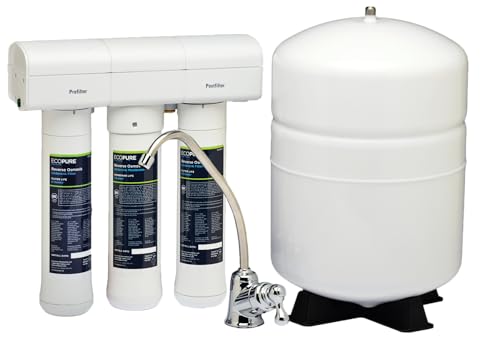
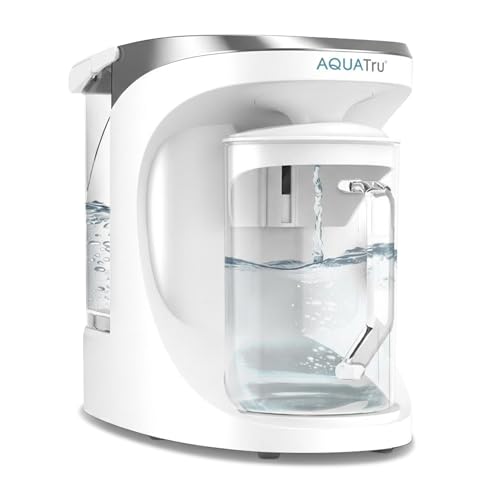
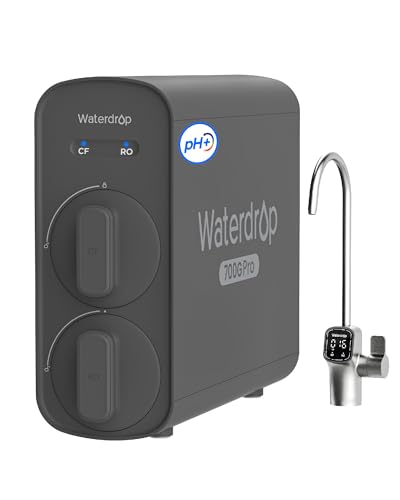
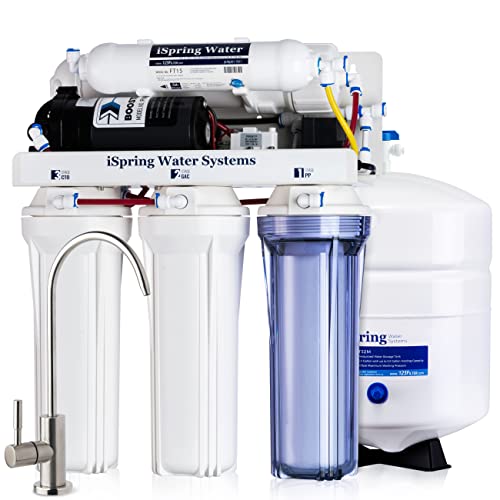


What to Look for in a Reverse Osmosis Drinking Water System
Choosing the best reverse osmosis drinking water system starts with these five specs, since they determine how the unit performs long after the initial installation.
Filtration Stages
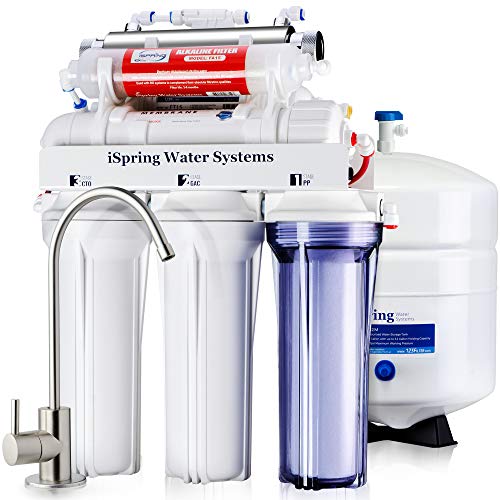
Most systems run water through anywhere from three to seven distinct stages before it reaches your glass. A basic setup typically includes a sediment pre-filter, a carbon filter to remove chlorine and odors, and the RO membrane itself. More advanced systems add a second carbon polishing filter and a remineralization cartridge. More stages generally mean better taste and broader contaminant reduction, but each added stage is also another cartridge you'll eventually replace, so weigh performance against long-term upkeep rather than chasing the highest number on the box.
Filtration Capacity and Flow Rate
Capacity is usually listed in gallons per day, or GPD, and it tells you how much filtered water the unit can produce under ideal pressure conditions. In real-world use, expect actual output to run at roughly half to three-quarters of the rated GPD, since household water pressure rarely matches lab conditions. A household of two or three people is typically fine with a 50 to 75 GPD unit, while larger families or homes that fill pots directly from the tap benefit from 100 GPD or higher.
Remineralization
Because the RO membrane filters out nearly everything, including beneficial minerals like calcium and magnesium, the finished water can taste flat and lean slightly acidic. A remineralization stage, usually the last filter before the faucet, adds those minerals back in and nudges the pH closer to neutral. If you're sensitive to flat-tasting water or prefer a more natural mouthfeel, prioritize a system that includes this stage rather than adding it as an aftermarket accessory later.
Waste Water Ratio
Every reverse osmosis system sends some water down the drain as it filters, and the ratio between purified water and wastewater varies a lot between models. Older, simpler designs can waste three to four gallons for every gallon of clean water produced, while newer designs with permeate pumps or recirculation features bring that closer to a one-to-one or two-to-one ratio. If your water bill or well capacity is a concern, this single spec can matter more than any other feature on the list.
Filter and Membrane Replacement Costs
Ongoing maintenance is where the real cost of ownership shows up. Sediment and carbon pre-filters generally need replacing every six to twelve months, the RO membrane every two to three years, and a remineralization cartridge on a similar schedule to the pre-filters. Before buying, check how easy replacement cartridges are to find and whether the system uses standard sizes or proprietary ones, since proprietary filters tend to cost more over time.
Types of Reverse Osmosis Systems Explained
Under-Sink Systems
This is the most common setup for a home reverse osmosis drinking water system, tucked into the cabinet beneath your kitchen sink and connected to a small dedicated faucet on the countertop. Under-sink units strike a good balance between capacity, filtration quality, and price, and most homeowners can install one without hiring a plumber if they're comfortable with basic tools.
Countertop Systems
Countertop units sit right on the counter and connect temporarily to your existing kitchen faucet, which makes them a solid option for renters or anyone who can't drill into cabinets or countertops. They trade some convenience for flexibility, since you'll need to hook up and disconnect the unit around your faucet, but there's no permanent plumbing work involved.
Whole-House Systems
A whole-house reverse osmosis setup filters water at the point it enters your home, so every fixture, from showers to washing machines, gets treated water. It's a similar concept to how whole-house air purifiers treat air at one central point instead of room by room. These systems cost significantly more to buy and install than under-sink options and require professional plumbing work, so they typically make sense only for households dealing with serious water quality issues throughout the whole property rather than just at the kitchen tap.
Tank vs Tankless Reverse Osmosis Systems
How Tank Systems Work
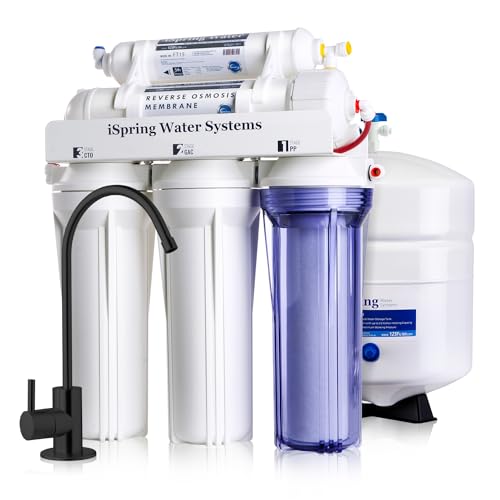
Traditional systems store finished water in a small pressurized tank, usually holding two to four gallons, so you get strong flow the moment you open the faucet. The tradeoff is that tank systems take up more cabinet space and the stored water sits for a while before use, which some people notice in taste.
How Tankless Systems Work
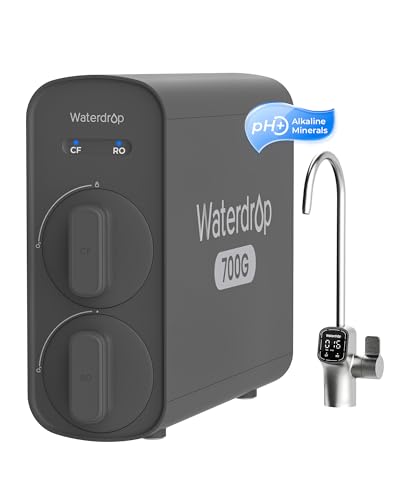
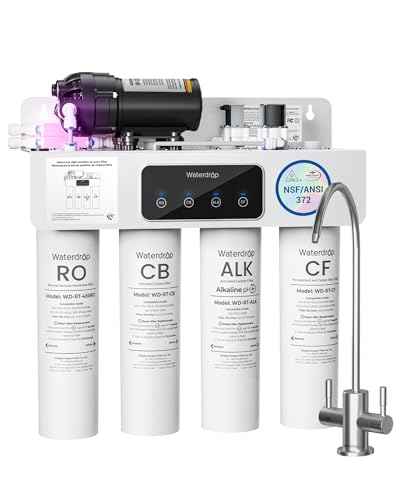
Tankless designs filter water on demand using an internal pump, skipping storage entirely. They take up less room under the sink and often deliver better waste water ratios, but they typically cost more upfront and require electricity to run the pump, which tank systems usually don't need.
Which One Fits Your Home
If cabinet space is tight and you want the most water-efficient option, tankless is worth the higher price. If you'd rather keep things simple, avoid relying on electricity, and don't mind giving up a bit of under-sink storage, a tank-based system is the more budget-friendly choice.
Installation Requirements to Know Before You Buy
Before you buy, measure the space under your sink and check for an accessible cold water line and a drain connection nearby, since most systems tap into both. Under-sink and whole-house units typically need a dedicated faucet hole drilled into your countertop or sink deck, similar to installing a separate kitchen faucet fixture, so confirm your countertop material can be drilled or that a hole is already available. Water pressure matters too. Most systems need at least 40 to 60 PSI to function properly, and homes on well water or with low municipal pressure may need a booster pump added to the setup.
Common Mistakes to Avoid
Skipping the pre-filter schedule is the most common mistake, since a clogged sediment filter forces the RO membrane to work harder and shortens its lifespan significantly. Another frequent error is buying based on GPD rating alone without checking real household water pressure, which leads to disappointing actual output. Finally, don't ignore the drain line installation. A poorly secured drain saddle valve is a common source of slow leaks that go unnoticed until they've caused cabinet damage. Avoiding these missteps matters just as much as picking the best reverse osmosis drinking water system in the first place.
Frequently Asked Questions
How many filtration stages does a good RO system need?
Three to five stages cover most household needs well. Systems beyond five stages usually just add remineralization or extra carbon polishing rather than dramatically better filtration.
Does reverse osmosis water need remineralization?
Not strictly, but many people prefer the taste and pH balance it restores. If your system doesn't include this stage, you can also remineralize with drops or add-on cartridges later.
How much waste water does a reverse osmosis system produce?
It depends on the design. Basic systems can waste three to four gallons per gallon produced, while efficient tankless or pump-assisted models often get closer to a one-to-one ratio.
What's the difference between tank and tankless RO systems?
Tank systems store filtered water under pressure for instant flow, while tankless systems filter on demand using a pump. Tankless models save space and waste less water but cost more and need electricity.
How often do RO filters need to be replaced?
Pre-filters typically last six to twelve months, the membrane lasts two to three years, and a remineralization filter usually matches the pre-filter schedule. Well water shortens these intervals.
Do I need a whole-house RO system or just an under-sink one?
Most households only need filtered water for drinking and cooking, which an under-sink unit handles well. Whole-house systems are worth the added cost only if water quality issues affect every fixture in your home.
Does a reverse osmosis system need electricity?
Basic tank-based systems run on water pressure alone and need no electricity. Tankless systems and any unit with a booster pump do require a nearby outlet.
Is reverse osmosis water safe to drink every day?
Yes, it's considered safe for daily use and is one of the most thorough home filtration methods available. Some people add mineral drops if they prefer water with more natural mineral content.
Final Thoughts
The best reverse osmosis drinking water system for your home comes down to matching filtration stages, capacity, and tank design to how your household actually uses water. Take the time to check your under-sink space and water pressure before comparing specific models, and you'll end up with a system that fits your kitchen and your budget without surprises down the road.