The Best Freestanding Gas Grills for 2026
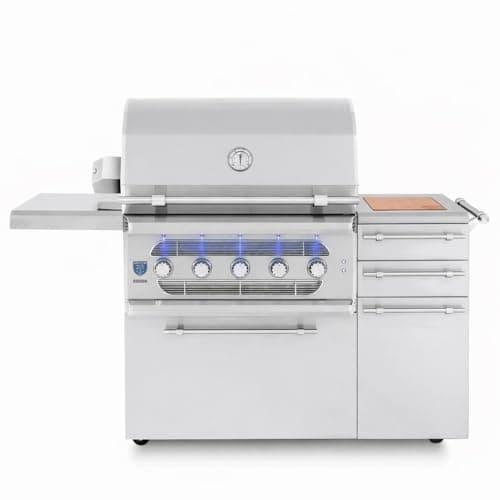
A backyard cookout only goes as well as the grill running it. The best freestanding gas grills combine a sturdy cart, reliable burners, and enough cooking space to handle everything from weeknight dinners to a full patio party. Because these grills sit on their own wheeled cart rather than being built into an outdoor kitchen, they offer flexibility that a fixed unit simply cannot match. This guide walks through the features that separate a grill built to last from one that rusts out after a single season.




What Makes a Freestanding Gas Grill Worth Buying
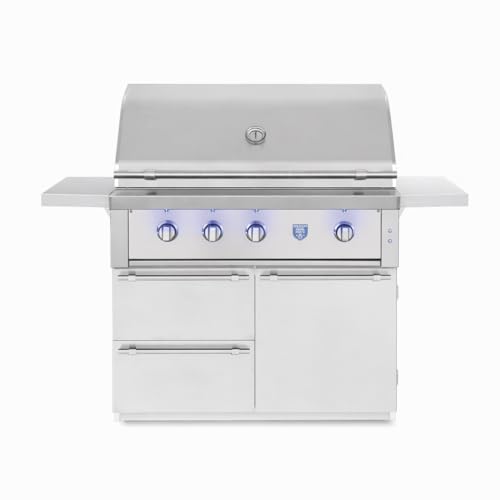
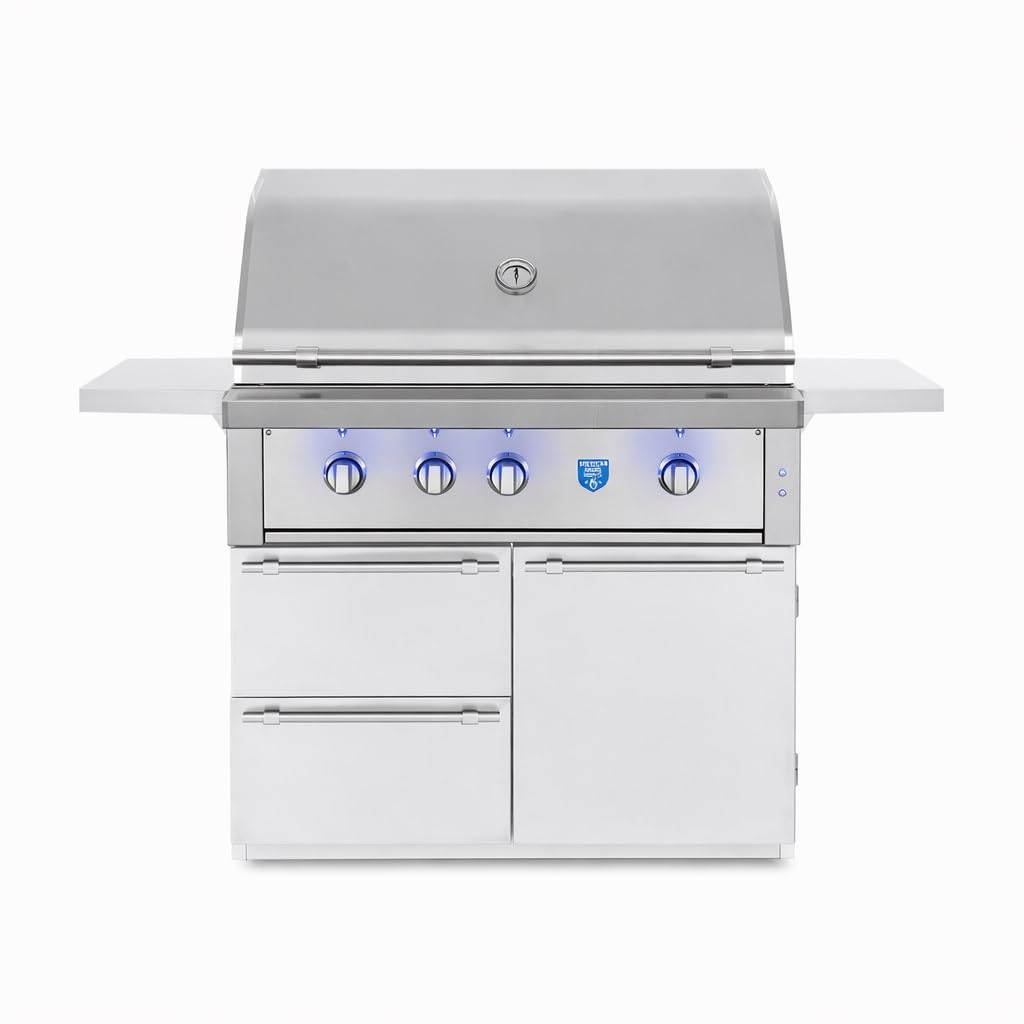
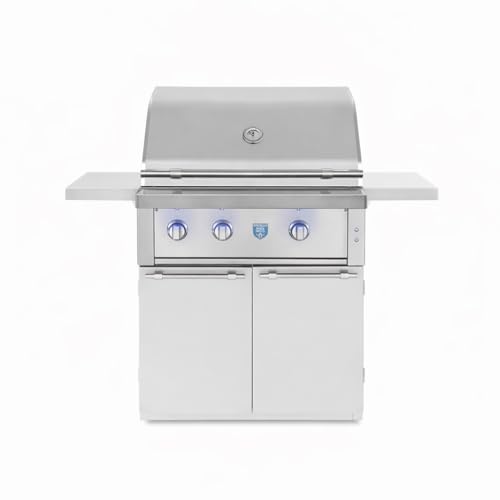
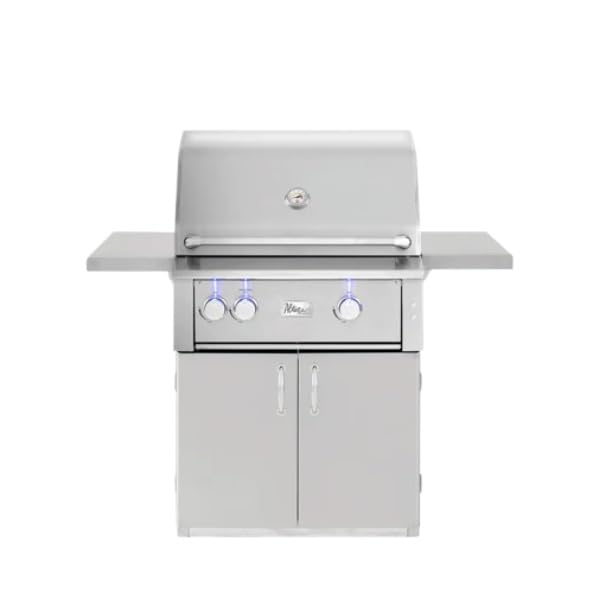
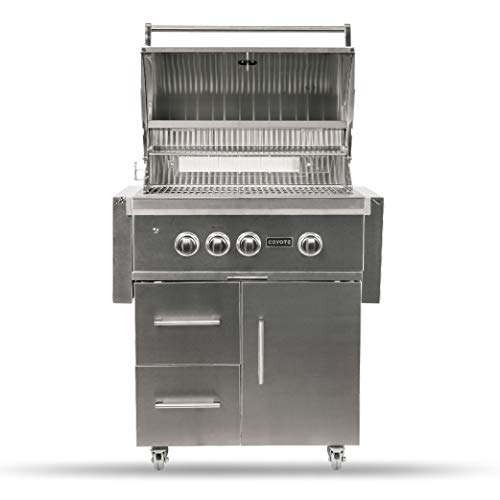
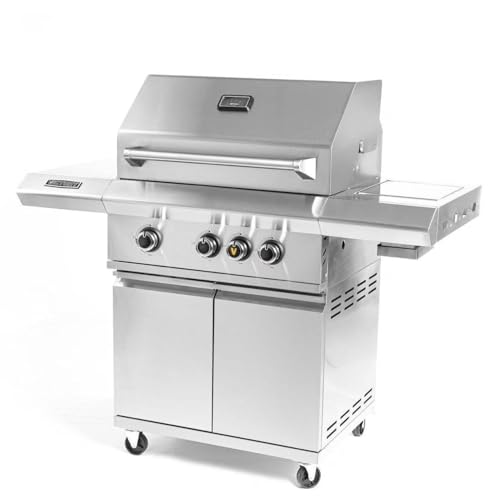
Freestanding grills mount the cooking head directly onto a cart, usually with wheels for easy repositioning. That mobility is the main draw: you can roll the grill closer to the house in winter, tuck it into a corner during a storm, or move it entirely if your patio layout changes. Most models also include storage space underneath for a propane tank, tools, and accessories, which keeps the cooking area tidy.
Because the cart and grill head are one connected unit, quality construction matters more here than with a built-in grill that gets extra support from surrounding cabinetry. A flimsy cart undermines even a well-built cooking head.
Key Features to Check Before You Buy
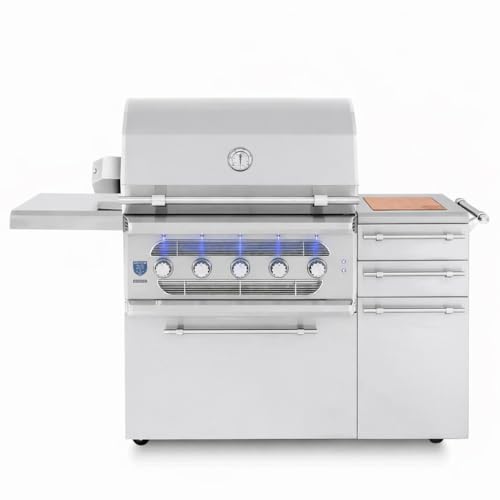
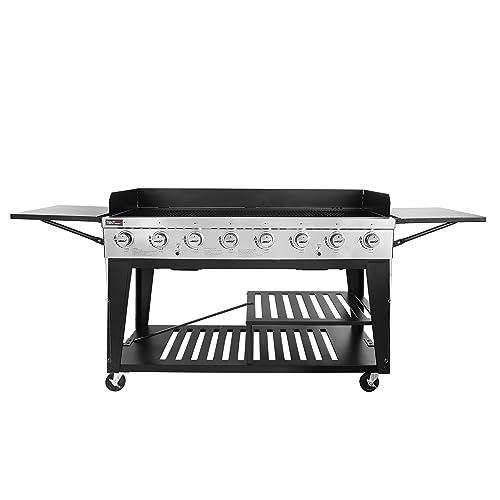
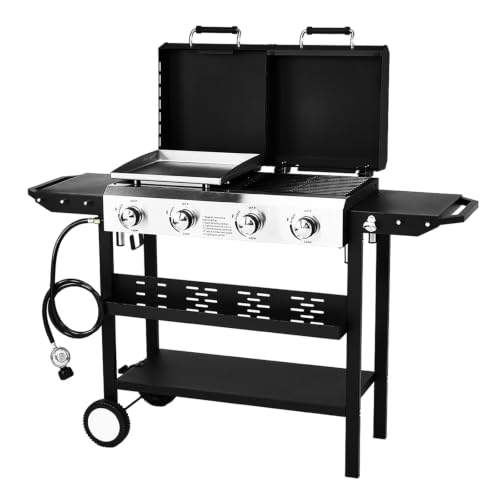
Most freestanding gas grills look similar from a distance, with a metal cart, a hood, and a control panel of knobs. The differences that matter most show up once you look closer at materials, burner design, and how the parts are put together.
Construction Materials and Durability
Stainless steel is the standard for good reason: it resists rust and holds up to years of heat cycling. Not all stainless steel is equal, though. Thicker gauge steel with a higher chromium content lasts longer than thin, budget-grade sheets that dent and discolor quickly. Cast aluminum components are also common in the firebox and lid, since aluminum resists corrosion without adding much weight.
Burner Count and BTU Output
More burners mean better temperature zoning, which lets you sear on one side while cooking gently on the other. BTU output matters just as much as burner count. As a rule of thumb, look for roughly 80 to 100 BTUs per square inch of cooking surface. A grill with high BTUs but poor heat distribution can still cook unevenly, so burner design matters alongside raw output.
Cart, Casters, and Storage
The cart should feel rigid when you push on it, not wobbly. Locking casters on at least two wheels make it easier to keep the grill steady while cooking. Side shelves add prep space, and a fully enclosed cabinet underneath keeps a propane tank protected from the weather and out of view.
Ignition System
A dependable ignition system saves a lot of frustration on a windy evening. Push-button electronic igniters are common and generally reliable, though battery-powered versions eventually need a replacement battery. Some higher-end grills use a spark-generating igniter that does not rely on batteries at all.
Choosing the Right Size for Your Needs
Cooking surface size should match how often you cook for a crowd. A grill with around 500 square inches of primary cooking space comfortably handles food for six to eight people. Households that regularly host larger gatherings should look toward 600 square inches or more, plus a secondary warming rack to keep cooked food hot while the next batch finishes.
It helps to think about the largest event you host in a typical year rather than an average weeknight meal. Buying slightly larger than needed is usually better than running out of grill space mid-cookout.
Gas Type: Propane vs Natural Gas
Propane grills run on portable tanks, which makes them easy to move and simple to set up anywhere with no installation required. Natural gas grills connect to a home's gas line, giving unlimited fuel without the need to swap tanks, but they require a professional hookup and lose some of the mobility that makes freestanding grills appealing in the first place. Many freestanding models can be converted between the two fuel types, so it is worth checking whether a conversion kit is included or sold separately.
Extra Features Worth Considering
A side burner adds a dedicated space for sauces or side dishes without crowding the main cooking surface. Rotisserie burners are useful for anyone who cooks whole chickens or roasts regularly. Infrared burners sear meat at very high heat and can be a nice addition for steak lovers, though they are not essential for everyday grilling.
None of these extras make up for weak core construction. It is worth prioritizing a solid cart, dependable burners, and quality grates first, then treating side burners or rotisserie kits as a bonus rather than a deciding factor.
Warranty Coverage and What It Signals
A generous warranty is often a quiet indicator of build quality, since manufacturers rarely back cheap materials with long coverage. Look for at least a five to ten year warranty on the firebox and burners, with shorter coverage on cosmetic parts like the cart and side shelves being normal. Reading the warranty terms closely also reveals how a brand expects the grill to be used and maintained over time.
Comparing warranty length across a few options is one of the fastest ways to narrow down the best freestanding gas grills without testing each one in person. A brand confident enough to cover the firebox for a decade usually has good reason to be.
Maintenance Tips to Extend the Life of Your Grill
- Clean grates after each use while they are still warm to prevent buildup from hardening.
- Check and clean burner tubes at the start of each grilling season to prevent clogs from insects or debris.
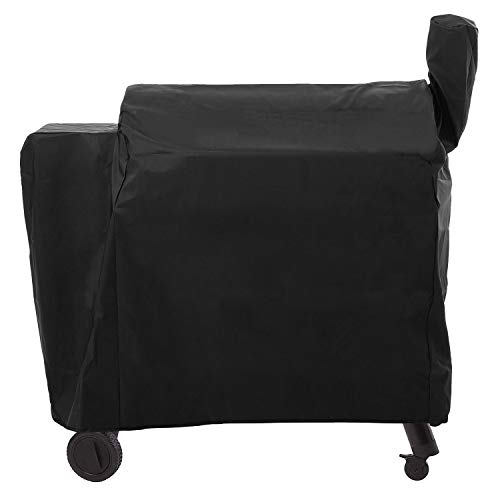
- Cover the grill when not in use, especially during rain or heavy snow.
- Inspect hoses and connections periodically for cracks or leaks, particularly on propane models.
Frequently Asked Questions
Is a freestanding gas grill better than a built-in grill?
It depends on the setup. Freestanding grills offer mobility and lower upfront cost, while built-in grills suit a permanent outdoor kitchen but cannot be moved once installed.
How many BTUs are needed for good grilling results?
Roughly 80 to 100 BTUs per square inch of cooking surface is a solid target, though even heat distribution matters just as much as the total BTU number.
Can a propane grill be converted to natural gas?
Many models support conversion with the correct kit, but it is worth confirming compatibility with the manufacturer before assuming a swap is possible.
How often should a gas grill be deep cleaned?
A thorough cleaning of burners, grates, and the grease tray once or twice per grilling season keeps performance consistent and reduces flare-ups.
Related reading: best 3 burner gas grills and best 4 burner gas grills.