Best Small Electric Smoker: A Complete Buying Guide
Disclosure: We may earn a commission when you buy through links on this page, at no extra cost to you. As an Amazon Associate I earn from qualifying purchases. Learn more

A narrow balcony or a corner of a small patio can still turn out real smoked flavor, but not with a unit built for a whole backyard cookout. The best small electric smoker is sized for exactly that gap: enough rack space for a couple of racks of ribs or a pork shoulder without needing a footprint that eats half your outdoor square footage or a circuit that trips every time you turn it on. This guide covers how much room these units actually need, how much food they realistically hold, what they draw from a standard outlet, and the clearance rules that matter most when you're cooking near shared walls or railings.




How Much Room a Compact Smoker Actually Needs
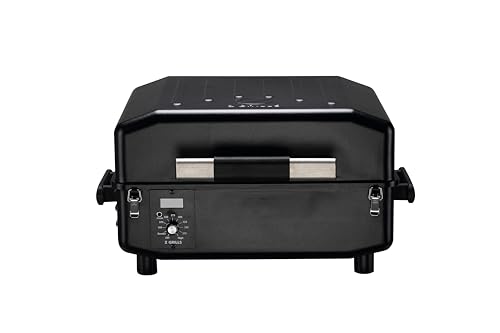
Footprint is the first thing to check, and it's easy to get wrong from photos alone. Most compact models list a base of roughly 16 to 20 inches wide and 15 to 18 inches deep, which is small enough for a balcony corner or a narrow strip of patio next to a railing. Height varies more than width does, since taller cabinets trade floor space for vertical rack capacity.
Don't judge size by the box dimensions alone. A door that swings open, a side chip loader that needs clearance to slide out, and a control panel that sticks out the top all add to the working space a unit needs once it's actually in use, not just sitting in storage. If you have a full backyard and no space constraints, a standard-size electric smoker will usually hold more food for roughly the same price, so a best small electric smoker only makes sense once square footage is genuinely limited.
Weight and Moving It In and Out of Storage
Many renters and condo owners store the unit indoors between cooks rather than leaving it out year round. A model in the 30 to 45 pound range with a handle or a wheeled base is realistic to carry through a doorway or down a hallway. Anything heavier starts to feel like a two-person job, which discourages regular use.
Rack Space for Small-Batch Cooking
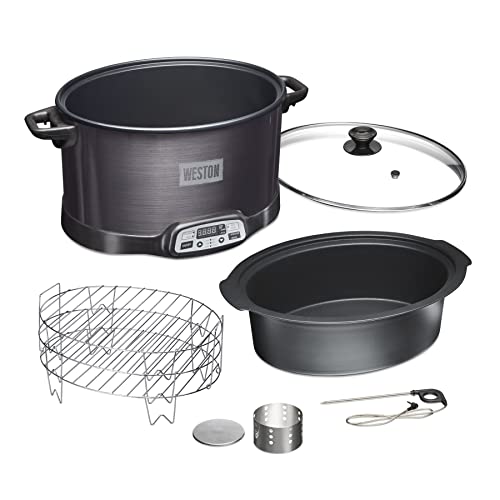
Rack capacity is where a best small electric smoker shows its limits fastest, so it pays to know what you're actually getting before you buy. Most compact electric smokers ship with two or three racks and somewhere between 300 and 550 square inches of total cooking space. That's enough for two to four servings of ribs, a small pork shoulder, or a handful of chicken thighs at once, but it won't fit a whole packer brisket lying flat.
Rack spacing matters as much as the count. Fixed racks set close together block taller cuts, while adjustable or removable racks let you angle a slab of ribs on edge to make better use of a shorter cabinet. If your household regularly cooks for a crowd or wants to smoke a full brisket in one go, it's worth looking at units built around that specific capacity, like the picks in our guide to the best electric smoker for brisket, rather than trying to stretch a compact model past what it's designed for.
Cooking in Batches Instead of Going Bigger
For a lot of small households, running two shorter batches through a compact chamber is more practical than buying a bigger unit that sits mostly empty. It takes more of your afternoon, but it keeps the footprint and the price down for cooks that rarely need to feed more than four people anyway.
Power Draw and Outlet Requirements
One thing that sets a best small electric smoker apart from a full-size cabinet is how little it asks from your electrical panel. Compact electric smokers typically draw between 800 and 1,500 watts, noticeably less than the 1,400 to 1,800 watts common on larger cabinet units. On a standard 120-volt outlet, that works out to roughly 7 to 12.5 amps, well within what a normal 15 or 20 amp household circuit can handle on its own.
Plug directly into a GFCI-protected outlet whenever the smoker is running outdoors, and avoid sharing that circuit with anything else that draws heavy current, like a window air conditioner or a space heater. If a cord is unavoidable, use a heavy-duty outdoor-rated extension no longer than 25 feet, since a longer or thinner cord causes a voltage drop that makes the heating element work harder to hold temperature. If you'd rather not depend on an outlet at all, a propane smoker sidesteps the wiring question entirely, though it trades away the low-maintenance digital control that draws most people to electric models in the first place.
Clearance Rules for Balconies, Patios, and Shared Walls
Clearance is the rule most people skip when shopping for a best small electric smoker, and it's the one that matters most in shared housing. Even without an open flame, an electric smoker vents genuinely hot air and smoke, so placement still matters. Manufacturer guidance commonly calls for several feet of open space from siding, railings, and anything combustible, and local fire codes can be stricter than that, especially in multi-unit buildings.
Before you buy, check your lease or condo association rules specifically, since some buildings restrict any outdoor cooking device regardless of fuel type, while others allow electric units but not propane or charcoal. A few habits reduce risk regardless of what your building allows:
- Keep the unit's back and sides clear of railings, walls, and stored items, not just the front where you access it.
- Avoid running it directly beneath an overhang or awning where smoke and heat have nowhere to vent.
- Never leave it unattended near anything that could blow into it, like patio furniture cushions or hanging plants.
- Let it cool completely, and unplug it, before moving it or covering it after a cook.
Getting Reliable Results From a Smaller Cooking Chamber
Running a best small electric smoker well takes a few habits that matter less in a bigger cabinet. A small chamber loses heat faster when the door opens, since there's less air volume to buffer the swing. Resist checking on the food every few minutes, and rely on a probe thermometer through the vent or door gasket instead of opening the door to peek. A separate digital probe, like the ones covered in our meat thermometer guide, is more reliable than most built-in gauges for tracking doneness without losing heat.
Add wood chips through a side loader rather than the main door whenever the design allows it, and add them in small amounts every 45 minutes or so rather than one large batch, which tends to smolder unevenly in a tighter space. A smaller water pan, refilled partway through a long cook, does more for humidity control in a compact cabinet than it does in a full-size one, since there's less air to keep moist in the first place.
Frequently Asked Questions
How big should a small electric smoker be for two to four people?
For a best small electric smoker sized to that group, look for two to three racks and roughly 300 to 500 square inches of total cooking space. That covers a small pork shoulder, a couple of chicken halves, or a slab and a half of ribs without crowding the chamber.
Can I run a small electric smoker on an apartment balcony?
A best small electric smoker is often the most balcony-friendly option available, but check your lease and local fire code first, since rules vary a lot between buildings. Even where it's allowed, keep the unit well clear of railings and siding and never leave it running unattended.
How many amps does a small electric smoker need?
Most compact models draw between 7 and 12.5 amps on a standard 120-volt outlet, which a normal 15 or 20 amp household circuit handles without issue as long as nothing else heavy is sharing that same circuit.
How close can I place an electric smoker to a wall or railing?
Follow the manufacturer's clearance number first, since it's usually several feet, and defer to local fire code if it's stricter. When in doubt, give it more room than the minimum, especially near painted siding or wood railings.
Do compact electric smokers still need wood chips?
Yes. The heating element only provides heat, not smoke flavor, so wood chips smoldering in a side tray or chip box are still what gives the food its smoked taste.
How long does a small batch take to smoke in a compact unit?
It depends on the cut, but a small pork shoulder or a couple of racks of ribs generally takes several hours at a steady low temperature, similar to what a full-size electric smoker needs for the same cut.
Do small electric smokers work well in cold weather?
They can, but a smaller heating element has less reserve capacity, so cold, windy conditions extend cook times more noticeably than they would on a larger unit. A sheltered spot out of direct wind helps hold temperature more evenly.
Matching the Smoker to Your Space
Picking the best small electric smoker for your situation comes down to being honest about how much floor space, outlet capacity, and clearance you actually have to work with, not how much food you'd ideally like to cook at once. A unit sized for two to four servings, plugged into a standard outlet, and placed with real clearance from railings and siding will hold up far better over time than a bigger smoker squeezed into a space that was never built for it.