Best 3 Burner Gas Grills: A Complete Buying Guide
Disclosure: We may earn a commission when you buy through links on this page, at no extra cost to you. As an Amazon Associate we earn from qualifying purchases. Learn more
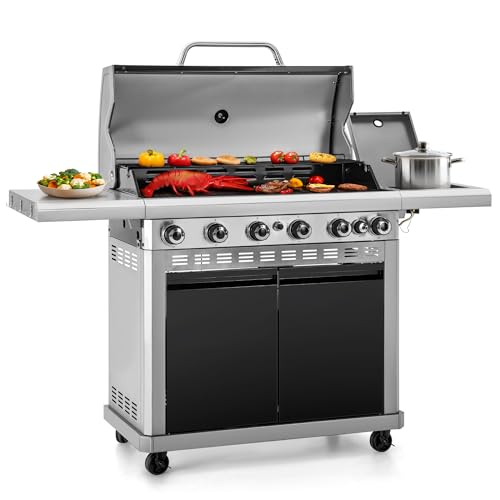
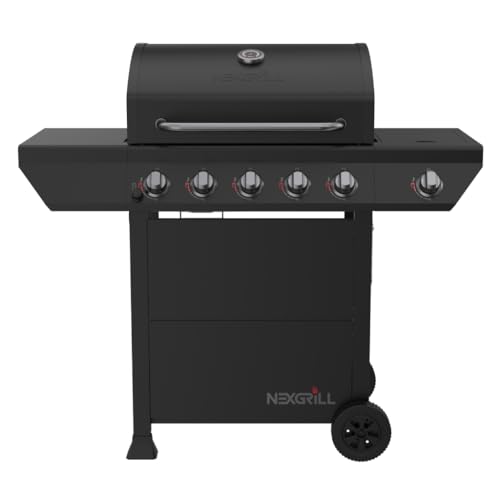
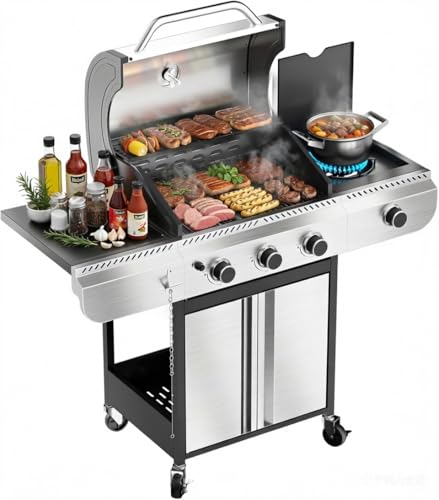
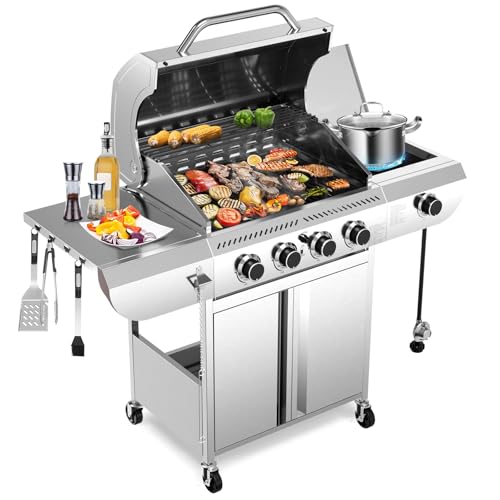
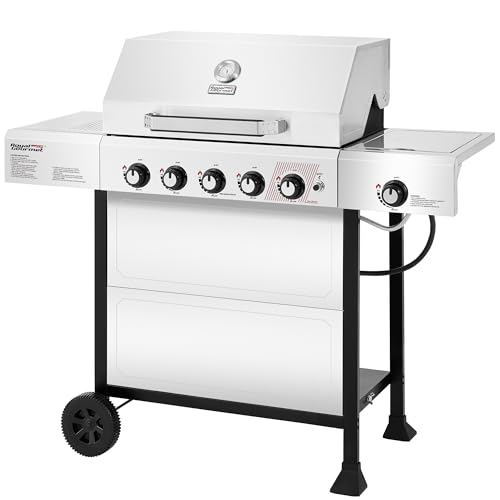
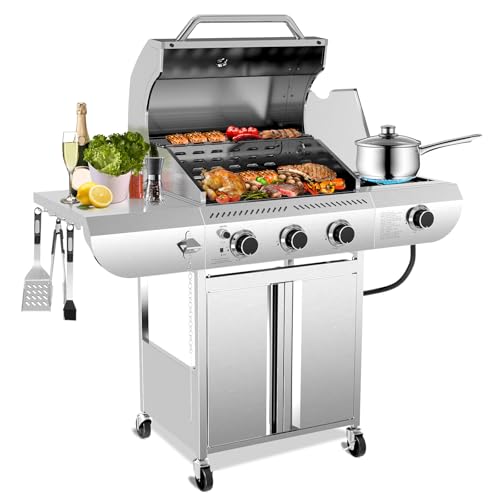
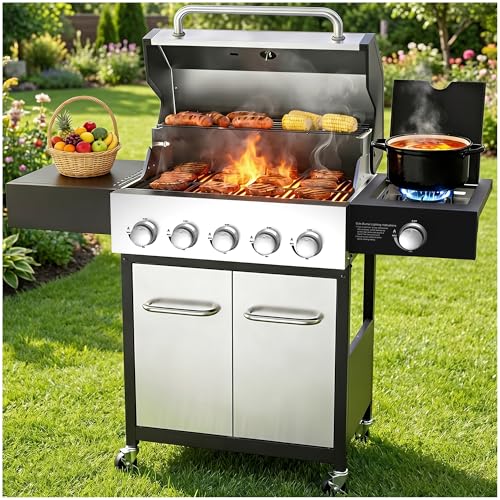
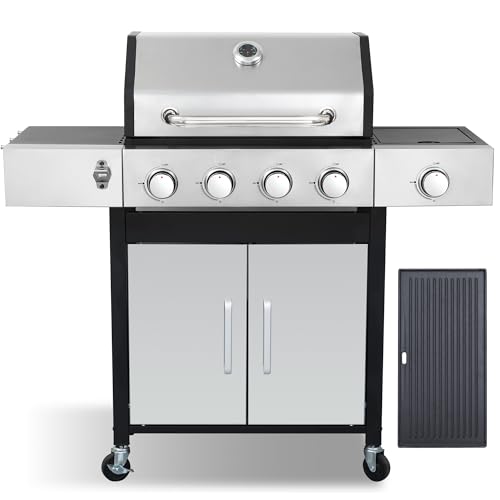
Picking a grill size often comes down to a simple gap. A two-burner unit feels tight once you're cooking for more than three or four people, while a four- or six-burner model can eat up more patio space and propane than a household of four to six actually uses on a typical week. The best 3 burner gas grills sit right in that middle ground. They offer enough grate space and burner count to run a genuine two-zone setup, hot on one side and cooler on the other, something a two-burner grill can't really pull off without leaving half the grate unused. This guide covers how much cooking area a mid-size household needs, why the middle burner matters more than most listings suggest, and how a three-burner grill stacks up against the sizes on either side of it.

How Much Cooking Space a Family of Four to Six Actually Needs
Cooking Area and BTU Per Burner
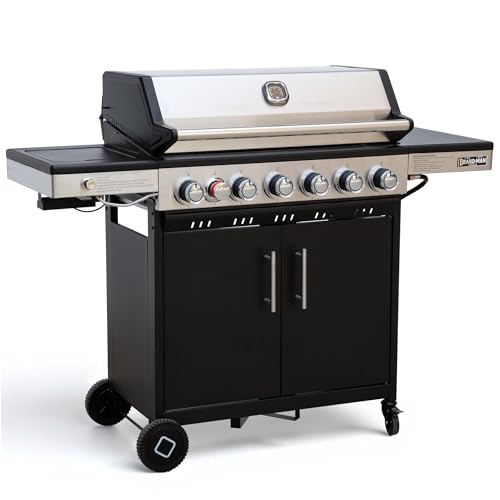
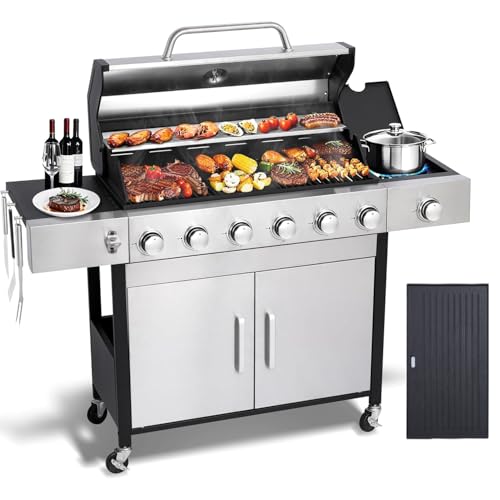
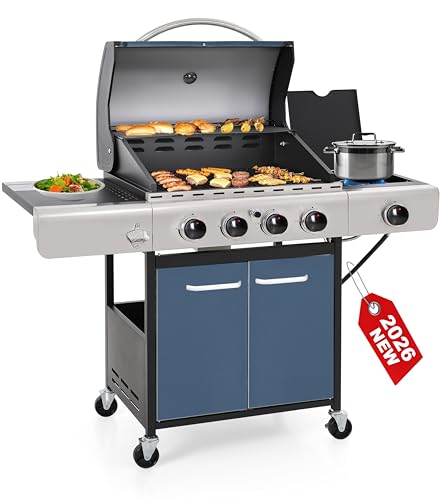
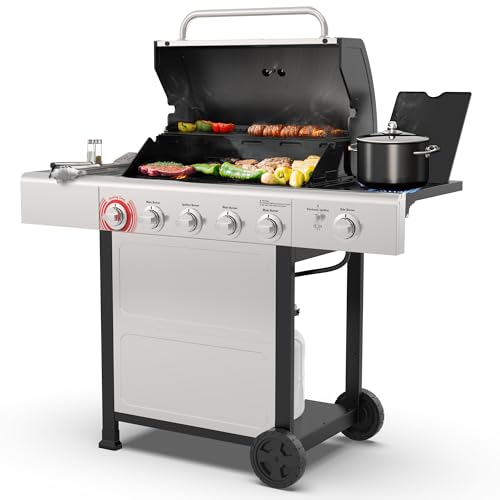
Primary cooking area, the actual grate space over direct flame, determines how much food fits at once, not the total footprint of the cart. A three burner gas grill built for regular family use typically offers somewhere between 400 and 550 square inches of primary cooking space, noticeably more than a typical two-burner grill's 250 to 450 square inches but usually short of the 500 to 700-plus square inches common on four-burner models. Total BTU output matters less on its own than BTU per burner. Look for roughly 9,000 to 14,000 BTU per burner, which on a three-burner unit usually works out to 30,000 to 42,000 BTU total, enough for a real sear without burning through a propane tank in a couple of cookouts. A grill that undershoots that range struggles to sear a steak properly, while one that overshoots it burns propane faster than the extra heat is worth for everyday cooking.
How Many People You Can Realistically Feed
A rough planning number is 70 to 100 square inches of grate space per person, tighter if you're comfortable cooking in a couple of batches, looser if you want everything on the grate at once. At 400 to 550 square inches, a three burner gas grill comfortably handles four to six people eating a full meal together, with room left for a few extras like corn or skewers. That's the range where a three-burner model earns its keep, big enough for a normal family dinner or a small weekend gathering, without the extra propane draw and cart width that comes with feeding ten or more people on a regular basis.
What the Middle Burner Actually Buys You: Real Two-Zone Cooking
Setting Up Hot, Buffer, and Cool Zones
The real advantage of three burners over two isn't just more grate space, it's the ability to run true two-zone cooking. Turn the two outer burners to medium-high for a direct heat zone and leave the middle burner off or on low, and you get a genuine buffer between the hot and cool sides of the grill instead of one abrupt line. That setup lets you sear a steak on one side while a chicken breast or a rack of vegetables finishes gently over indirect heat on the other, then use the buffer zone to hold food warm without drying it out. A two-burner grill can really only go half on, half off, which works for basic direct-versus-indirect grilling but skips that graduated middle zone.
Independent Controls Matter More Than Total BTU
None of this works if the burners share a single control knob or step up and down in fixed pairs. Check that each of the three burners has its own independent valve before comparing anything else on the spec sheet. A grill with independent controls also makes it easier to check food for doneness without guessing. Keeping a reliable meat thermometer on hand helps confirm food finishing on the indirect side is actually done rather than just looking right, since a three-zone setup often means different cuts finish at different times. Relying on cook time alone tends to undercook thicker cuts on the cooler side and overcook thinner ones on the hot side.
Three Burners vs. Two or Four: Where the Break-Even Point Falls
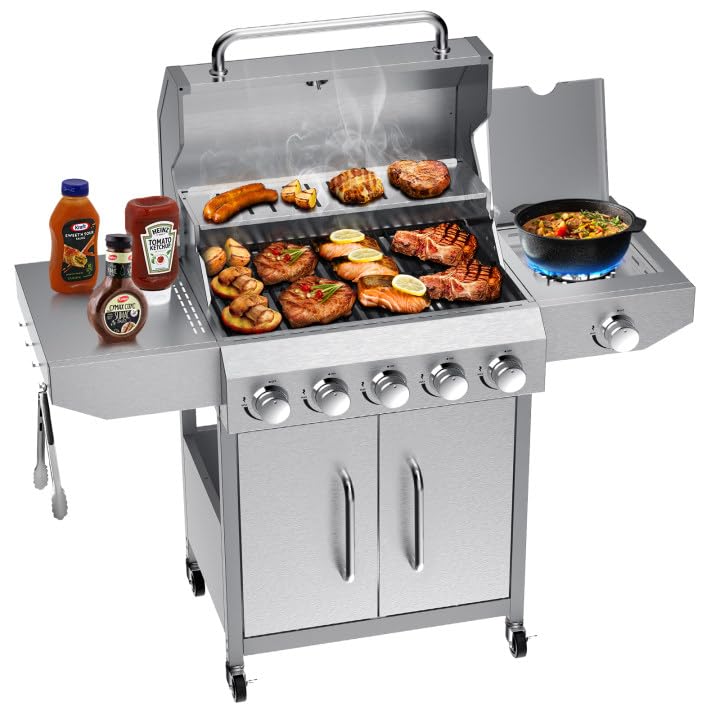
Burner count is really a proxy for two things: how many people you cook for regularly, and how much patio space you're willing to give up. A 2 burner gas grill makes more sense for a couple or a small apartment patio where floor space is the limiting factor, but it starts to feel cramped once you're regularly cooking for more than three or four people at once. On the other end, a 4 burner gas grill earns its keep once you're hosting six or more guests on a regular basis or want a dedicated searing zone separate from the main cooking area, but that extra burner also means a wider cart and higher total propane use. For most households cooking dinner for four to six people a few times a week, the best 3 burner gas grills hit the practical middle: enough grate space and zone control for a full meal, without paying for cooking capacity that sits idle most nights. If budget matters more than burner count on its own, comparing options within a set price range can also be a more useful starting point than comparing configurations side by side.
Cart Width, Materials, and What Holds Up on a Standard Patio
Stainless vs. Painted Steel
Cart and lid material affects how well a grill survives regular outdoor exposure more than it affects how food actually cooks. Stainless steel resists rust and holds up better through humid summers and winter storage than painted steel, though painted steel carts cost less upfront and can last for years with a properly fitted grill cover and a reasonably dry storage spot. Porcelain-coated cast iron and stainless grates both hold heat well and clean up easier than bare steel grates, which matters more on a grill getting weekly use. A lid built with double-wall construction or thicker gauge steel also holds heat more evenly during indirect cooking, which matters more on a three-burner grill than a two-burner one since indirect cooking is a bigger part of what the extra burner is for.
Cart Width and Side Shelf Space
Most three burner gas grills measure somewhere between 48 and 58 inches wide including side shelves, noticeably narrower than a comparable four-burner cart but wider than most two-burner units. Measure the actual spot on your patio, including clearance on both sides for opening the lid and moving around the cart, before assuming a three-burner model will fit. Side shelf space matters more than it seems too. Enough room for a cutting board and a plate on each side saves a lot of trips back into the kitchen mid-cook.
Frequently Asked Questions
How many people can a 3 burner gas grill feed?
Comfortably four to six people eating a full meal at once, based on the typical 400 to 550 square inches of primary cooking area. Planning around 70 to 100 square inches per person is a reliable way to check before buying.
Is a 3 burner grill big enough for a family?
For most households of four to six, yes. Larger families who regularly host six or more guests, or who want a dedicated searing zone, may get more consistent use out of a four-burner model instead.
How many BTUs do I need for a 3 burner gas grill?
Look for roughly 9,000 to 14,000 BTU per burner rather than judging by total output alone. That typically works out to 30,000 to 42,000 BTU total on a three-burner grill, enough for a real sear without wasting propane.
What's the difference between a 3 burner and a 4 burner gas grill?
A four-burner grill adds roughly 100 to 150 square inches of cooking area and a wider cart, useful for feeding larger groups or running a dedicated high-heat zone. A three-burner model stays narrower and uses less propane, which suits smaller households better.
How do you set up two-zone cooking on a 3 burner grill?
Turn the two outer burners to medium-high for direct heat and leave the middle burner off or on low. That creates a hot zone, a buffer zone, and effectively a cooler zone near the unlit burner for holding food or finishing it gently.
How wide is a typical 3 burner gas grill?
Most models measure between 48 and 58 inches wide including side shelves. Measuring the intended spot on your patio, with clearance for the lid and side movement, is worth doing before comparing specific models.
Do all three burners need independent controls?
Yes. Independent controls are what let the middle burner function as a real buffer zone rather than just extra grate space. Shared or paired controls limit how precisely you can separate hot and cool zones.
Making the Right Call for Your Patio
Choosing among the best 3 burner gas grills comes down to matching cooking area, BTU per burner, and cart width to how your household actually cooks, not just counting burners on the front panel. The real payoff of a three-burner layout is the middle burner itself: it turns a simple hot-or-cold grill into one capable of genuine two-zone cooking for a family meal. Measure your patio space and think honestly about how many people you cook for in a typical week before deciding, and a well-chosen three-burner grill should handle that job reliably for years.