Best 6 Burner Gas Grill: A Buying Guide for Hosting at Scale

Hosting a backyard cookout for a dozen or more people turns a small grill into a bottleneck fast. A 6 burner gas grill solves that by giving you enough surface area and independent heat zones to sear, roast, and hold food warm in the same session instead of running multiple rounds. That capacity is exactly why households who cook for a crowd on a regular basis end up shopping this size. It is also a serious footprint and a serious commitment, and more grill than plenty of homes ever put to real use. This guide walks through what that much cooking surface is actually good for, what space it demands, and which extras are worth paying for.
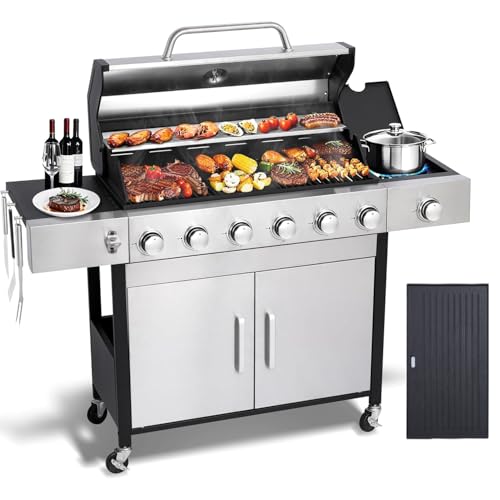
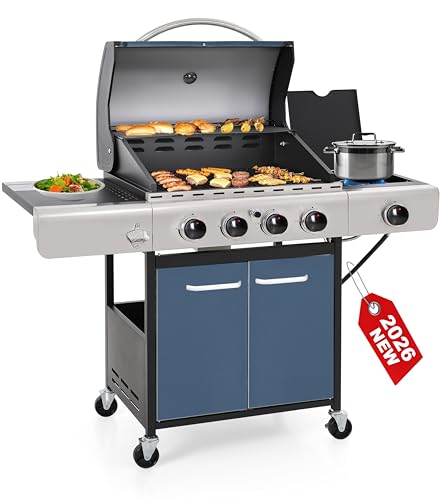
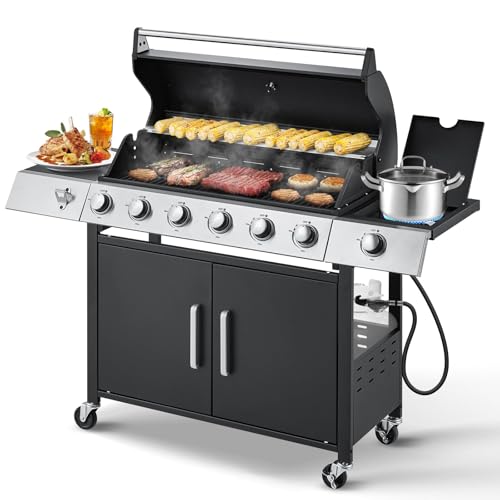
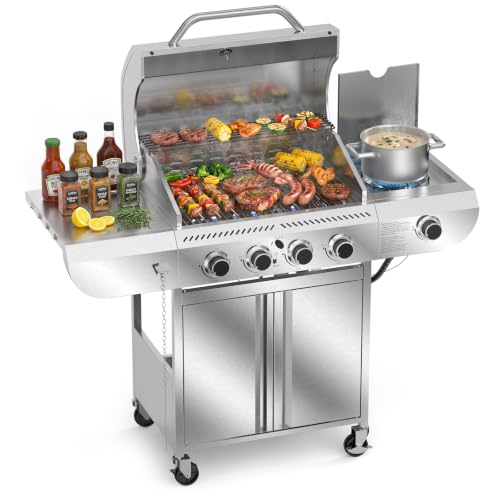
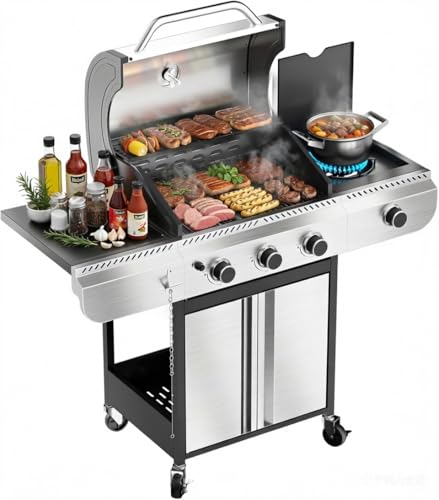
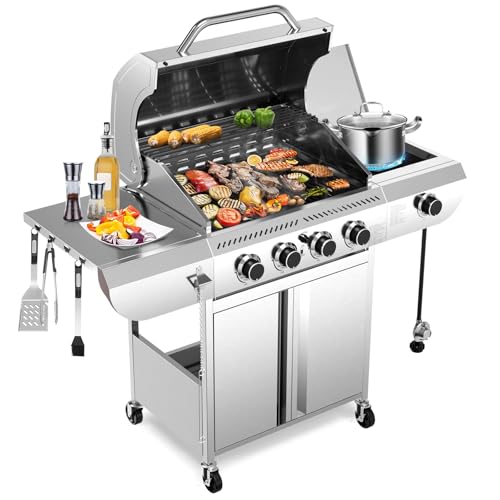
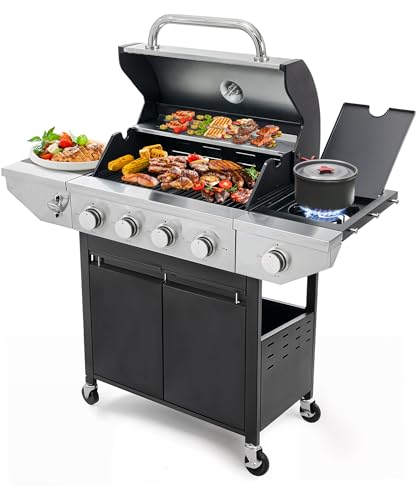
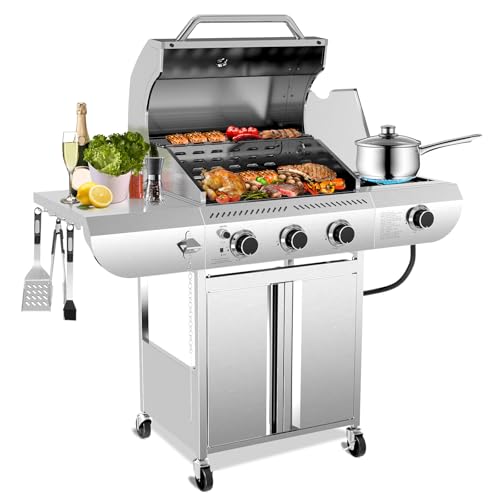
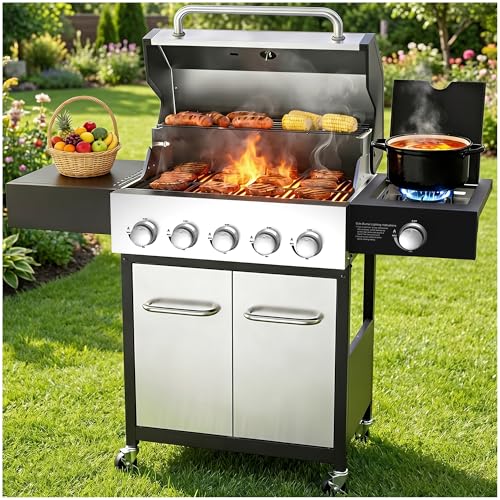
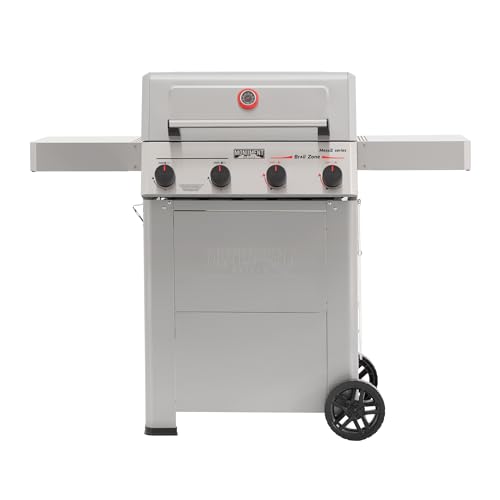
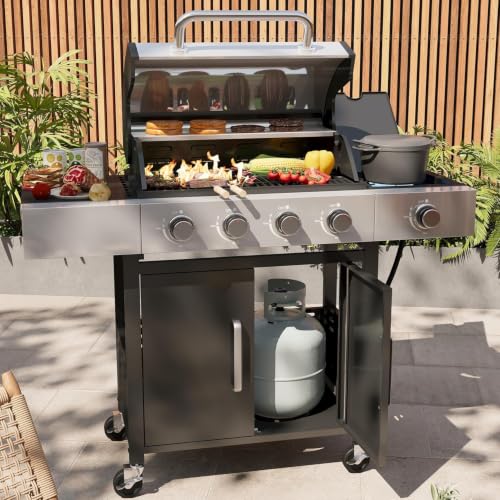
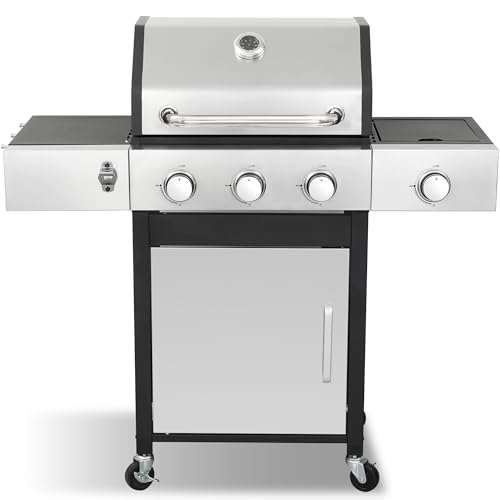
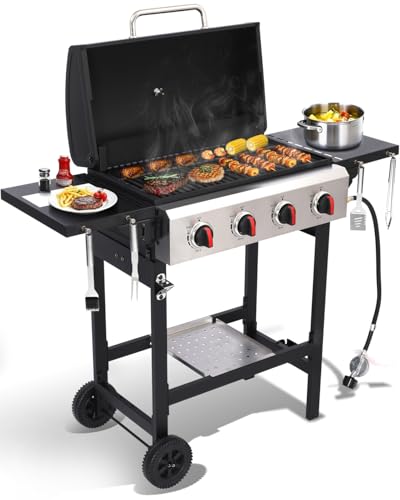
Footprint and Placement: What a Six-Burner Grill Needs From Your Patio
Grills in this size class typically run 34 to 42 inches wide with 700 to 900 or more square inches of total cooking surface, which is a different scale of object than a compact cart grill. Before you shop, measure the actual spot where the grill will sit, including clearance from your house siding, railings, and any overhead structure, since manufacturers set minimum distances from combustible surfaces for good reason.
Because of their size, a 6 burner gas grill is more often treated as a permanent fixture than a piece you roll around the yard. Many are built into a countertop or outdoor kitchen island rather than sitting on a portable cart, and even the freestanding cart versions tend to stay put once positioned. If you are also planning seating nearby, leave enough room for a dining table and walking space, not just the grill itself, so the cooking area does not swallow the whole patio.
What Six Independent Burners Actually Let You Cook at Once
The real advantage of six burners over three or four is running more heat zones at once, not just cooking bigger portions. With that many independently controlled burners, you can hold one zone on a low simmer for delicate items, run a hot sear zone burner for steaks, and keep a third area on medium for vegetables or bread, all on the same grate at the same time. That is what makes multi-course cooking for a crowd realistic instead of a juggling act.
Do not chase total BTU numbers as a proxy for quality. What actually matters is heat flux, meaning BTU per square inch of primary cooking area, and a figure in the range of 80 to 100 is considered strong. A grill with a huge BTU rating spread across a very large surface can end up cooking no hotter than a smaller, better-built model. Since you will be juggling several zones at once, a reliable meat thermometer becomes more useful here than on a smaller grill, since eyeballing doneness across six burners gets harder than it sounds.
Side Burners, Griddles, and Rotisserie Kits: Which Extras Earn Their Keep
Grills at this size almost always come loaded with extras, and it is worth being honest about which ones you will actually use. A side burner is genuinely handy for keeping a sauce warm or finishing a side dish without giving up grate space. A griddle attachment extends what the grill can do well beyond direct grilling, covering pancakes, stir-fry, or smash-style cooking on the same unit. A warming rack is close to standard at this tier and costs you nothing to use.
A rotisserie kit is the one extra worth thinking through carefully before you buy. It produces excellent results for whole birds and roasts, slowly self-basting as it turns, but only if rotisserie cooking is something you will actually do regularly. If your typical cookout is burgers, steaks, and vegetables, a rotisserie motor tends to sit unused once the novelty wears off. If you do want one, look for a kit built into the rear burner from the factory rather than a bolted-on add-on, since those tend to perform noticeably better. If precise, even searing across a dedicated zone matters more to you than rotisserie, it is also worth comparing how infrared sear burners handle that job.
Natural Gas or Propane for a Grill This Size
Fuel choice matters more once you get to a 6 burner gas grill than it does on a small cart grill, mainly because of how permanent these units tend to be. Propane keeps you flexible. There is no installation required, and you can reposition the grill later if your patio layout changes, but you will be swapping or refilling tanks regularly given how much a six-burner unit can burn through during a long cookout.
Natural gas costs less to run over time and never runs out mid-cook, which matters when you are feeding a large group and cannot afford to lose heat halfway through. The tradeoff is a professionally installed gas line, which adds cost and locks the grill's location in place. For a built-in outdoor kitchen setup, that tradeoff usually makes sense. For a grill that might move in a few years, propane is the more forgiving choice.
Is a 6 Burner Grill Overkill for Your Household
This size class is generally built around gatherings in the 10 to 15 person range, and it shows in the price, footprint, and number of features on offer. If your typical cookout tops out at six or eight people, a 6 burner gas grill for family use on a normal weekend may be more grill than you need, and a 3 or 4 burner model will get the job done with a smaller footprint and lower cost. The most common regret with this size is buying more grill than your actual hosting habits justify, then rarely using the extra zones or the rotisserie kit.
On the other hand, if you host often, cook multiple dishes at once as a matter of routine, or regularly feed extended family, the added six burner grill layout genuinely earns its keep. If you are still narrowing down your budget rather than the burner count, it is worth comparing options in the broader field of gas grills under $1000, since several mid-size grills in that range cover most households comfortably without the full six-burner footprint.
Frequently Asked Questions
How many people can a 6 burner gas grill feed?
Most models in this class are sized for gatherings of roughly 10 to 15 people, thanks to a primary cooking area in the 700 to 900 square inch range. That makes them well suited to regular entertaining rather than everyday family meals.
Is a 6 burner grill too big for an average family?
For a household of four to six that cooks a few times a week, six burners is usually more capacity than needed. A 3 or 4 burner grill typically covers that use case with a smaller footprint and lower cost.
Do you need to use all six burners at once?
No. The value of six burners is flexibility, not obligation. You can run two or three zones for an everyday meal and reserve the full spread for larger gatherings.
What BTU per square inch is considered good for a large grill?
A heat flux of roughly 80 to 100 BTU per square inch of primary cooking area is considered a strong benchmark. Total BTU output alone tells you very little without knowing the cooking surface it has to heat.
Is natural gas or propane better for a 6 burner grill?
Natural gas costs less over time and never runs dry mid-cook, which suits a permanent built-in setup. Propane requires no installation and keeps the grill portable, at the cost of more frequent tank refills.
Is a rotisserie kit worth it on a 6 burner grill?
Only if rotisserie cooking is something you will do regularly. It is excellent for whole birds and roasts, but many owners stop using it once the novelty fades if their usual cooking is simpler fare.
How much clearance does a 6 burner grill need from the house?
Clearance requirements vary by manufacturer, but you should always check the minimum distance from siding, railings, and overhead structures before placing a grill this size, since it will likely stay in that spot long term.
Weighing the Investment
A 6 burner gas grill makes the most sense for households that host often and want to cook several dishes at once without running multiple rounds. Measure your space, be honest about which extras you will actually use, and match the fuel type to how permanent the setup will be. Get those three details right and the extra burners will earn their keep instead of sitting idle.