Best Gas Smoker Cover: A Complete Buying Guide
Disclosure: We may earn a commission when you buy through links on this page, at no extra cost to you. As an Amazon Associate I earn from qualifying purchases. Learn more
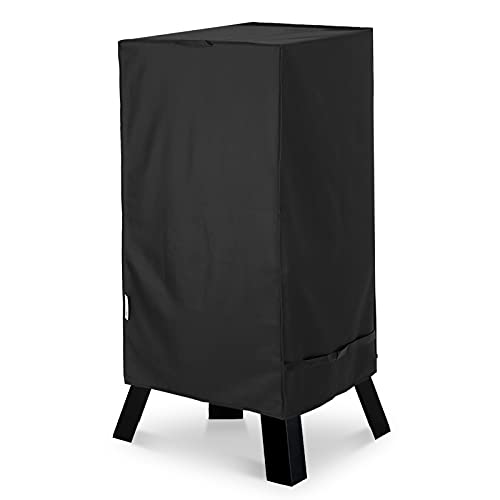
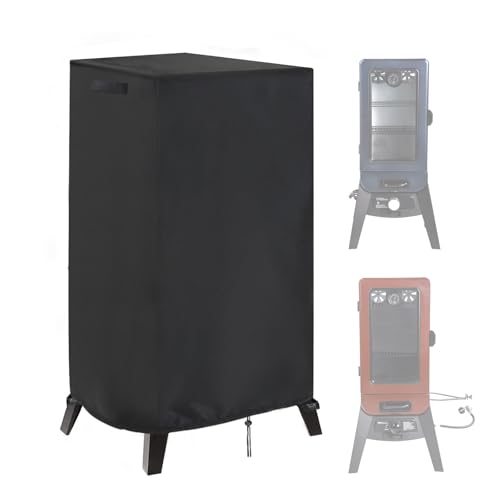
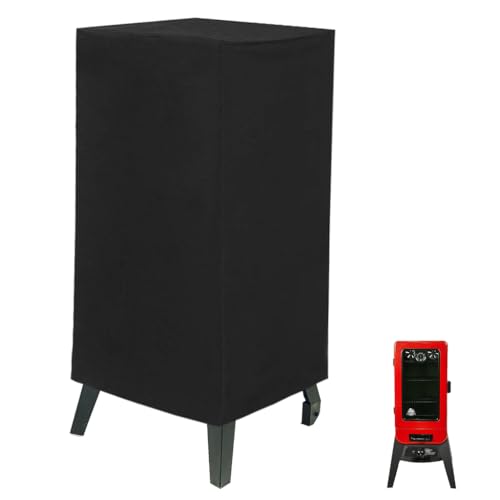
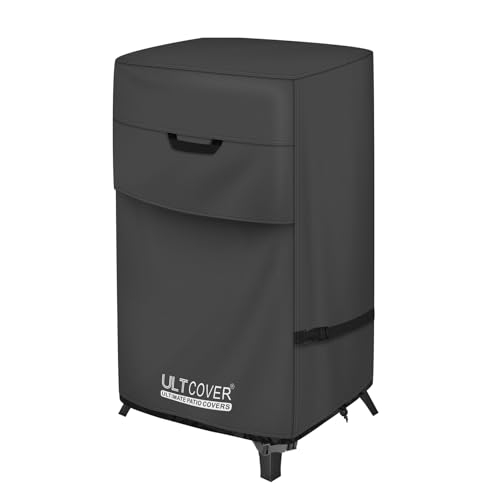
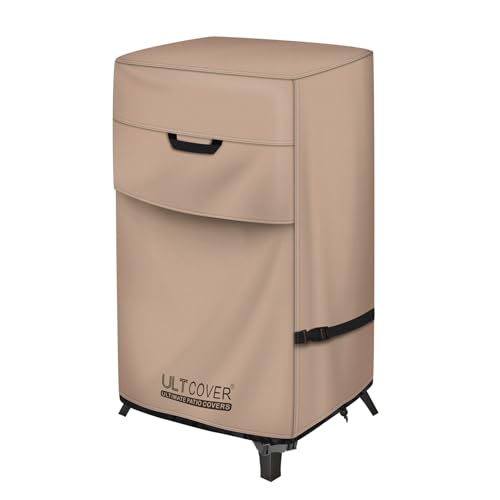
A gas smoker sits outside through rain, sun, and dust long after the last brisket comes off the grate, and that exposure adds up fast. Finding the best gas smoker cover is less about picking something that looks nice on the patio and more about stopping rust, cracked hoses, and a fogged-up regulator before they start. The right cover shields the burner tubes and control knobs from moisture while still letting trapped air escape so mildew never gets a foothold. Below is a practical look at what actually separates a cover worth buying from one that tears apart after a single windy season, along with the fit, ventilation, and maintenance details that keep a gas smoker running well for years.
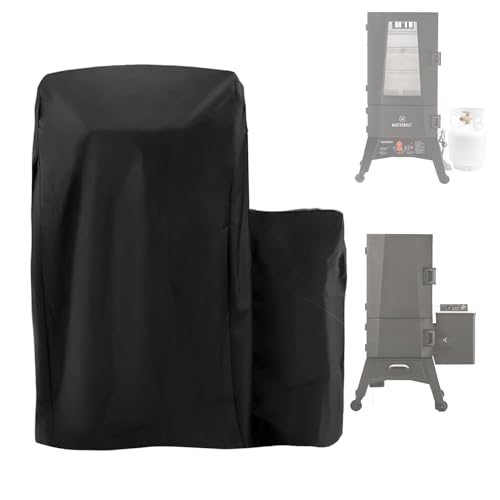
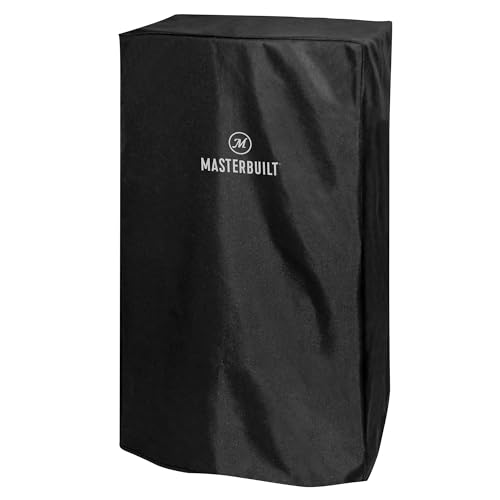
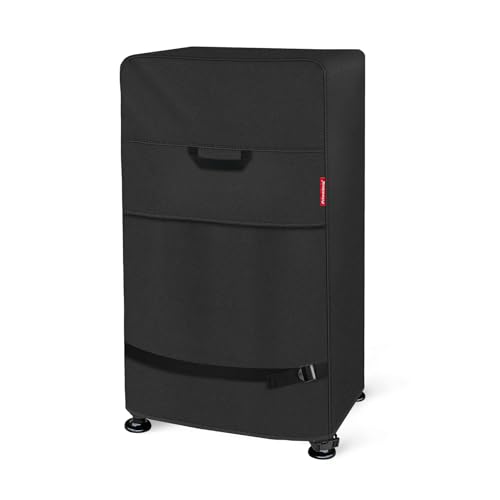
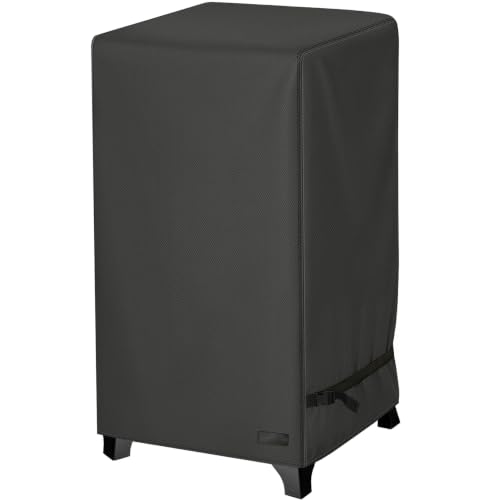

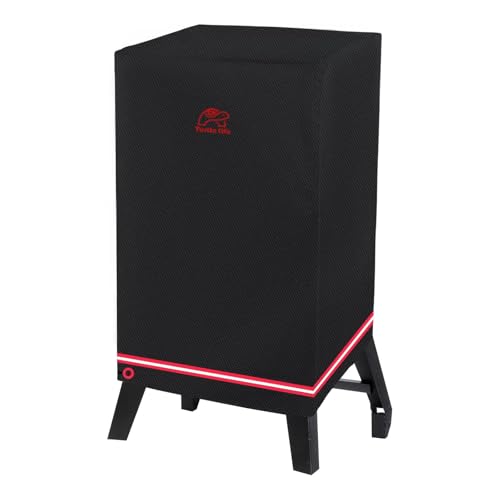
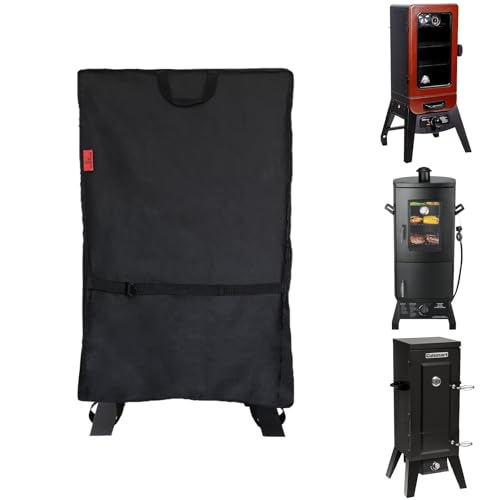
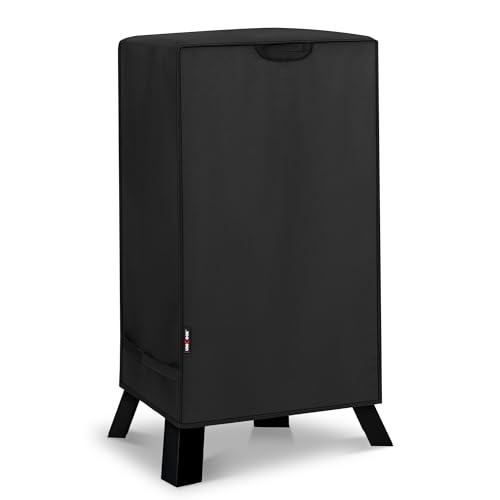
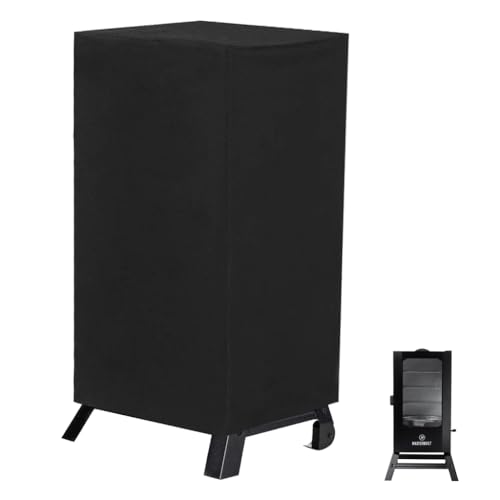
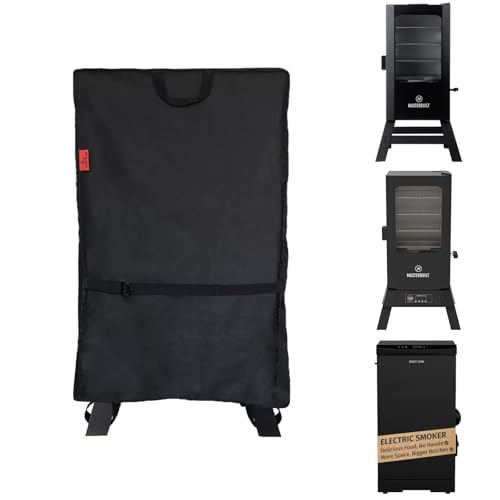
Why a Dedicated Cover Protects More Than the Exterior
Gas smokers have more exposed hardware than a simple charcoal drum. The propane hose, regulator, and igniter wiring all sit close to the surface, and any one of them can corrode or crack after repeated exposure to rain and UV rays. A cover keeps water out of those connections, which matters most for anyone who cooks year-round instead of only in summer.
Rust is the other big concern. Once moisture gets trapped against painted steel or powder-coated panels, it works fast, especially near welds and seams where the coating is thinnest. A snug, breathable cover slows that process dramatically compared to leaving the smoker bare or tucking it under a tarp that traps condensation against the metal.
Sun exposure causes damage too, just more slowly. UV rays fade control panel labels, dry out rubber gaskets, and make plastic knobs brittle over a season or two. Even smokers stored on a covered patio benefit from a cover, since reflected heat and ambient UV still reach the unit.
Fabric, Waterproofing, and Vents That Actually Work
Material weight and weave
Heavier fabric generally holds up better outdoors, but weight alone does not guarantee performance. Polyester with a polyurethane or vinyl backing tends to resist tearing while staying flexible in cold weather, whereas thin vinyl-only covers can crack and split once temperatures drop. Look for a denier rating in the fabric description; higher numbers usually mean a tighter, more durable weave.
Waterproof rating versus water-resistant
These two terms get used loosely by manufacturers, so it helps to check for taped or sealed seams rather than trust the word "waterproof" on its own. A cover with exposed stitching along the seams will eventually let water seep through no matter what the fabric itself is rated for.
Vents that prevent trapped moisture
Ironically, a completely sealed cover can cause more problems than a slightly breathable one. Temperature swings pull moisture out of the air inside the cover, and without a vent, that moisture has nowhere to go. Covers with a small mesh vent or a gap near the base let humid air escape without letting rain blow in, which keeps condensation from pooling on the smoker's surface overnight.
Matching Cover Dimensions to Your Smoker Model
Sizing a cover correctly makes a bigger difference than most people expect. A cover that is too loose flaps in the wind, rubs against paint, and lets rain drive in sideways during a storm. One that is too tight stresses the seams every time it is pulled on or off, and it can also trap heat and moisture against the smoker instead of letting air move around it.
Measure the smoker's height, width, and depth with any side shelves extended, since manufacturers usually list dimensions for the unit in its widest working position. Compare those numbers against the cover's listed measurements rather than relying on the model name alone, since two smokers marketed as similar sizes can differ by several inches.
A cover that hangs an inch or two above the ground is usually the right balance. It fully shields the cabinet and legs while leaving enough airflow underneath to keep the interior dry, and it avoids dragging on wet grass or gathering dirt along the hem. In practice, a best gas smoker cover balances a snug fit with enough breathing room that condensation never becomes an issue.
Keeping the Cover Secured in Wind and Storms
A cover that blows off in a storm does no good at all, and it can end up damaged or lost in a neighbor's yard. Straps that buckle underneath the base, elastic hems that cinch tight, or a drawstring at the bottom all help hold the cover in place during gusty weather. Velcro closures work fine in mild conditions but tend to loosen faster than buckled straps over repeated use.
For smokers kept in genuinely windy spots, an extra ratchet strap or a couple of tie-down points wrapped around the smoker's legs adds real security without much added cost. It is a small step, but it prevents the most common complaint people have with lightweight covers: waking up to find one wrapped around a fence three yards away.
Cleaning and Off-Season Storage
Mold and mildew are the most common reasons a cover fails early, and they usually start when the fabric stays damp for days at a time. Wiping the cover down and letting it air dry before putting it back on after a rainy stretch prevents most of that buildup. Machine-washable covers make this even easier, though hand washing with mild soap works just as well for most fabrics.
During long stretches without use, such as over winter in colder climates, folding the cover and storing it indoors extends its life considerably. Constant sun exposure while the smoker sits idle does more fabric damage than actual cooking use, so a cover left on an unused smoker for months still benefits from an occasional check for trapped moisture underneath.
Anyone shopping for a cover alongside other smoker accessories might also want to compare notes with a guide to propane smoker options, since fit and ventilation needs often overlap between the smoker itself and the cover meant to protect it.
Frequently Asked Questions
Do gas smokers need a cover if they are stored in a garage?
Indoor storage still benefits from a cover, since dust, garage humidity, and accidental scrapes from nearby tools can all cause wear. A lightweight indoor cover is usually enough in that setting.
Can a grill cover be used on a gas smoker instead?
Only if the dimensions genuinely match, since smokers are often taller and narrower than a standard grill. A cover built for a wide gas grill usually leaves the sides of a smoker exposed.
How often should the cover be washed?
Every two to three months of regular use is a reasonable schedule, or sooner if mildew spots appear. Rinsing off dirt and pollen periodically also helps the fabric's waterproof coating last longer.
Will a dark-colored cover fade faster in direct sun?
Darker fabrics tend to absorb more heat and can fade a bit faster under constant sun than lighter colors, though a UV-treated fabric largely offsets this. It mostly affects appearance rather than protective performance.
Is a vent really necessary, or is it just marketing?
Vents genuinely help by letting trapped humid air escape instead of condensing on the smoker's surface. Skipping this feature is more of a problem in humid or rainy climates than in dry ones.
Should the propane tank stay covered along with the smoker?
Some covers include a separate pouch or flap for an attached tank, which is convenient, but the tank itself does not need the same weatherproofing as the smoker's electronics and hardware. Check local propane storage guidelines regardless of the cover setup.
What is a reasonable lifespan for a well-made cover?
A quality cover used consistently outdoors typically lasts two to four years before the fabric or seams start to wear out. Storing it indoors during off-months and cleaning it regularly can push that lifespan closer to the higher end.
Getting the Most Out of a Cover Over Time
A little consistency goes further than any single feature on the label. Choosing a best gas smoker cover that fits snugly, breathes properly, and stays secured through rough weather keeps the whole unit, tank hose included, in better shape for longer. Pairing that with occasional cleaning and mindful off-season storage is really all it takes to keep a gas smoker looking and running like new.