Best BBQ Grills Under $500: A Complete Buying Guide

Shop for a gas grill with a firm budget in mind and you will notice the options start to look nearly identical somewhere in the middle of the price range. Every cart promises even heat and a spacious cooking surface, so how do you tell which model near your ceiling is a genuinely solid pick and which one is just priced to look that way? Finding the best BBQ grills under 500 dollars means knowing exactly what this price tier reliably delivers, where the corners get cut compared to pricier models, and which trade-offs, like fewer burners or lighter-gauge steel, are worth accepting. This guide breaks down what $500 actually buys you in a grill, so you can shop with realistic expectations instead of guessing from a spec sheet.
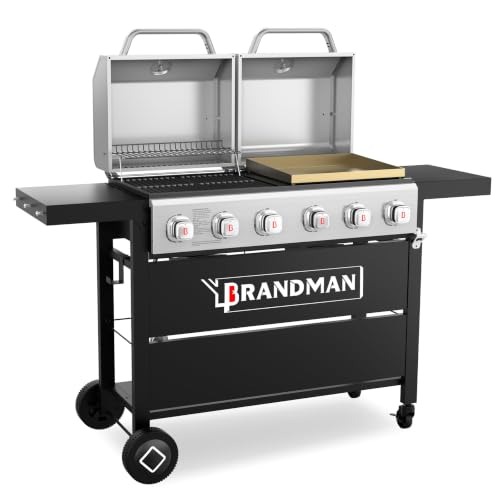
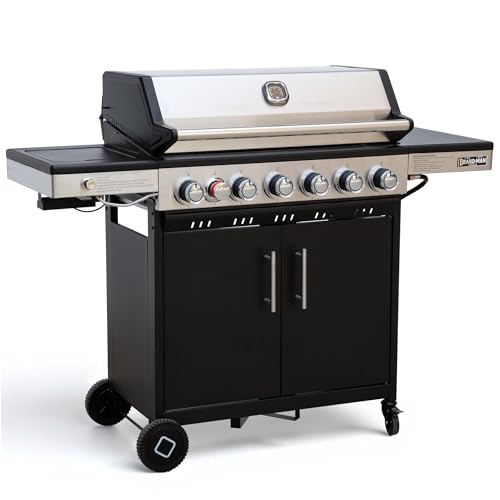
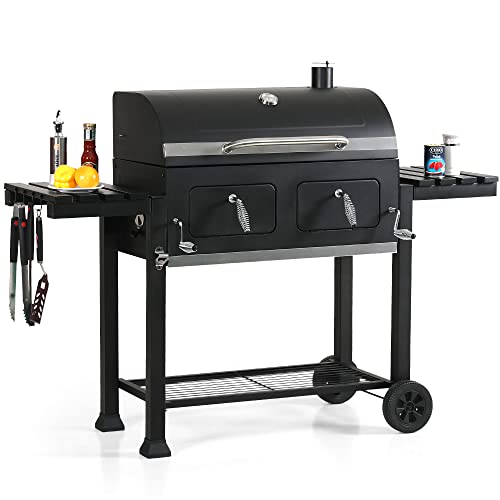
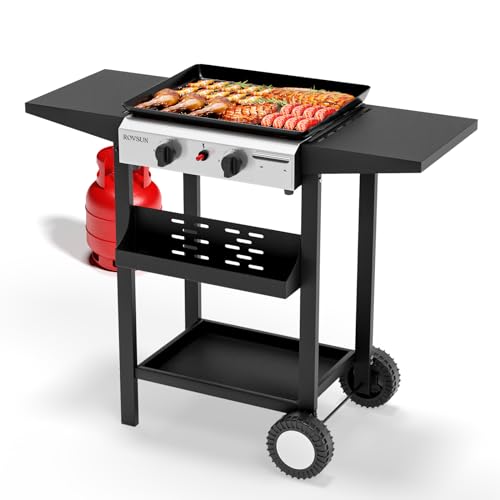
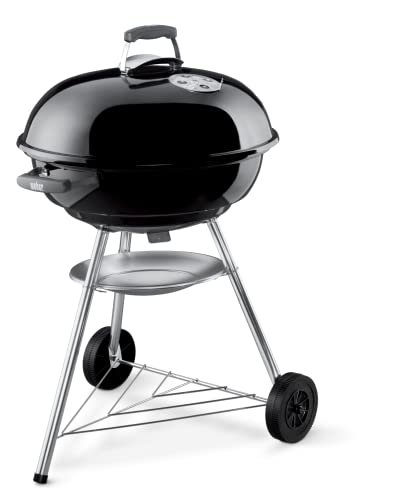
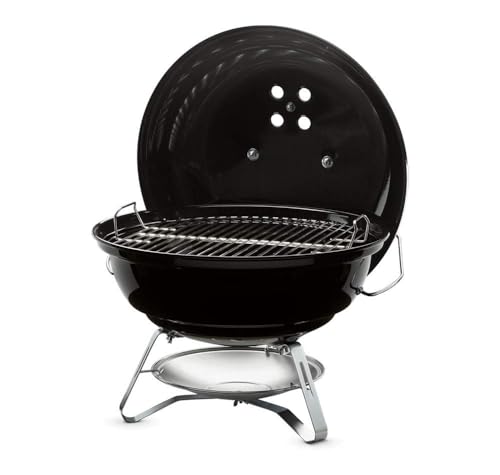
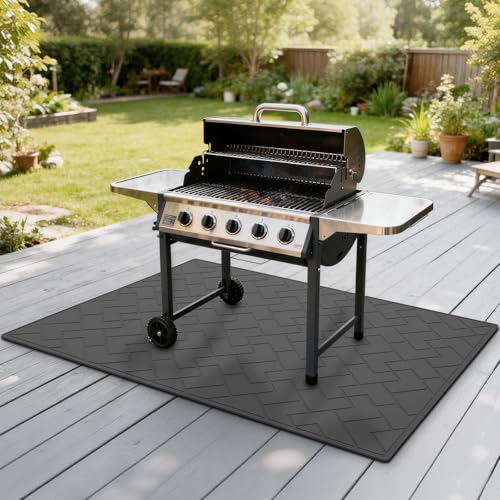
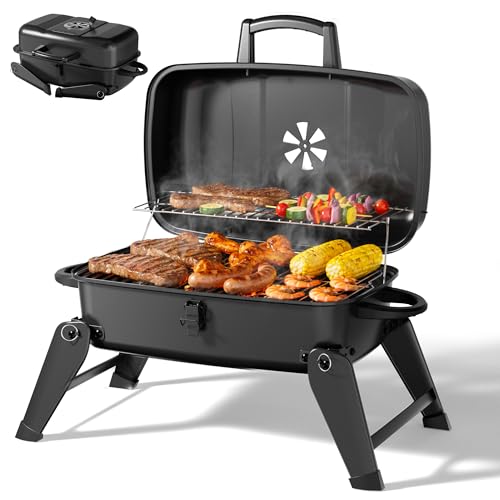


What "Under $500" Actually Buys You in a Grill
The $500 mark tends to sit right at the point where grills stop feeling like a bare-bones starter unit and start behaving like something you could own for years. Shoppers hunting for the best BBQ grills under $500 will not get every feature on the market, but they also will not be stuck with the flimsiest builds sold at the entry level.
Burner Count and Total Heat Output
Most grills in this range run two or three burners, producing somewhere around 24,000 to 36,000 total BTUs. That is enough heat to sear, hold a steady temperature for indirect cooking, and manage a full weekend cookout without struggling. A true four-burner layout with independently controlled zones is less common at this price and usually means sacrificing build quality elsewhere to hit the number.
Cooking Surface and Grate Material
Expect a primary cooking area in the 400 to 500 square inch range, often paired with a smaller warming rack that adds another 100 to 150 square inches for buns or resting food off direct heat. Porcelain-coated steel or cast iron grates are standard here, holding up well to regular use as long as they are cleaned and oiled. Solid stainless steel grates, which resist rust more completely over time, tend to show up once you move past this bracket.
Build Quality: Cart, Lid, and Body
The cart and body are usually painted or powder-coated steel rather than stainless, which keeps costs down but means you will want to watch for chipping and touch up exposed spots to prevent rust. Lids are typically lighter-gauge steel or a steel and aluminum mix. It gets the job done without the reinforced, heavier construction found on pricier units built to handle years of outdoor exposure.
Standard Features at This Price
Built-in lid thermometers, side shelves, and either piezo or battery-powered electronic ignition are all common at this level. Wheels or casters for repositioning the grill are near universal, though locking casters that keep the unit steady on uneven patio ground are more of a bonus than a guarantee. These features are consistent enough across BBQ grills under $500 that skipping more than one of them on a given listing is worth a second look.
What You'll Give Up Below This Price Range
Drop under roughly $300 and the compromises stack up fast. Grills at that level often ship with just two burners and noticeably lower total BTU output, thin grates that warp under high heat, and a cart that flexes or wobbles when you lean on the side shelf. Ignition systems tend to be less reliable too, sometimes requiring a lighter as a backup within the first season. In practice, the best BBQ grills under 500 dollars fix most of these pain points without pushing you into premium territory. If a durable cover is part of your plan either way, our guide to the best BBQ grill covers covers what actually keeps a grill protected through a full season outdoors.
What Stays Out of Reach Above This Price Range
Push past $500 and manufacturers start adding upgrades that change day-to-day cooking rather than just adding shine. Full stainless steel construction throughout, a true four-burner setup with independent zone control, infrared searing burners, and larger total cooking areas past 600 square inches all tend to cluster in the pricier tier. If a full four-burner layout with separate temperature zones is a must-have for how you cook, it is worth comparing options in our guide to the best 4-burner gas grills, since most grills at this price point top out at two or three burners instead. Rotisserie attachments and thicker cast aluminum lids also become more common as the price climbs.
How to Prioritize Features When $500 Is Your Ceiling
With a firm budget cap, you cannot have every feature on grills under $500, so the smartest move is deciding upfront which two or three things matter most for how you actually grill.
Rank Your Non-Negotiables First
If you regularly cook for a crowd, total cooking area and BTU output probably outrank extras like a side burner. If you grill mostly on weeknights for a small household, a compact two-burner model with a reliable ignition system may serve you better than a bigger cart you rarely fill up. Writing down your top two priorities before comparing models keeps marketing language from pulling your attention toward features you will not actually use.
Know Where It's Safe to Compromise
A digital app connection, built-in speakers, or a full stainless cart rarely affect how evenly your food cooks. These are reasonable places to compromise if a grill checks your must-have boxes but skips the extras. Save your budget flexibility for burner quality and grate material rather than convenience add-ons.
Check Warranty Coverage, Not Just Specs
Two grills at a similar price can carry very different warranty terms on the burners, cart, and grates. A longer burner warranty in particular is often a sign the manufacturer trusts that part to hold up, and it can matter more over years of ownership than a slightly larger cooking surface.
Common Mistakes to Avoid at This Price Range
- Assuming every model near $500 includes stainless steel grates, when many still use porcelain-coated steel at this tier.
- Skipping the BTU-per-square-inch math and ending up with a grill that looks large but heats unevenly.
- Choosing based on burner count alone without checking whether total cooking area actually fits your needs.
- Leaving the grill uncovered between uses, which speeds up rust on painted steel carts and lids.
- Overlooking the warranty on burners and grates, since those parts wear out well before the frame does.
Frequently Asked Questions
Can you get a good grill for under $500?
Yes, for most households. At this price you can typically get two to three reliable burners, a solid cooking area, and durable porcelain-coated grates. You will just be trading away features like full stainless construction or a fourth burner zone that do not affect core grilling performance much anyway.
How many burners should a grill under $500 have?
Two or three burners is standard and plenty for most home cooks, giving you enough heat zones to sear on one side and cook indirectly on the other. A true four-burner model is possible at this price but often means a lighter-gauge build to hit the number.
Is stainless steel worth it at this budget?
Partial stainless, like a stainless lid paired with a steel cart, is common and offers a reasonable middle ground. Full stainless construction throughout usually pushes a grill above the $500 mark, so it is a trade-off between corrosion resistance and staying within budget.
What size grill do you get for around $500?
Expect a primary cooking area in the 400 to 500 square inch range, enough for a typical family cookout without needing multiple rounds on the grate. Some models add a small warming rack that increases usable space without adding much to the footprint.
Are grills under $500 durable?
Reasonably, if you maintain them. Painted steel carts and lids hold up well for years as long as you cover the grill between uses and touch up any chipped paint before rust sets in. Neglecting basic care shortens the lifespan of even a well-built budget grill.
Gas or charcoal for a $500 budget?
Gas grills at this price generally offer more consistent temperature control and faster startup, while charcoal models put more of the budget into the cooking grate and firebox since there is no ignition system or burner assembly to pay for. The right choice comes down to whether you prioritize convenience or the flavor charcoal delivers.
How long do budget gas grills typically last?
With regular cleaning and a cover to block rain and sun, a well-chosen grill in this range commonly lasts five to eight years before burners or grates need replacing. Neglected maintenance, especially skipping a cover, tends to cut that lifespan noticeably shorter.
Final Thoughts
Shopping with a $500 ceiling does not mean settling for a weak grill. At this price point, you can reasonably expect two to three dependable burners, a cooking area that handles a real weekend crowd, and grates that hold up with basic care, even if a fourth burner zone or full stainless build stays out of reach. Focus on the features that match how often and how much you actually cook, and the best BBQ grills under 500 dollars for your backyard becomes a much easier pick to spot on the showroom floor.