Best 4 Burner Gas Grills: What to Know Before You Buy

You're standing in the grill aisle, or scrolling through a dozen open tabs, trying to figure out if you actually need four burners or if that's just the size everyone seems to buy. It's a fair question. The search for best 4 burner gas grills pulls up everything from bare-bones budget carts to premium stainless steel setups, and burner count alone doesn't tell you which one fits your backyard. This guide walks through what actually separates a good 4-burner grill from an oversized purchase, including cooking area, extra burners worth paying for, and how to get real use out of four separate heat zones.
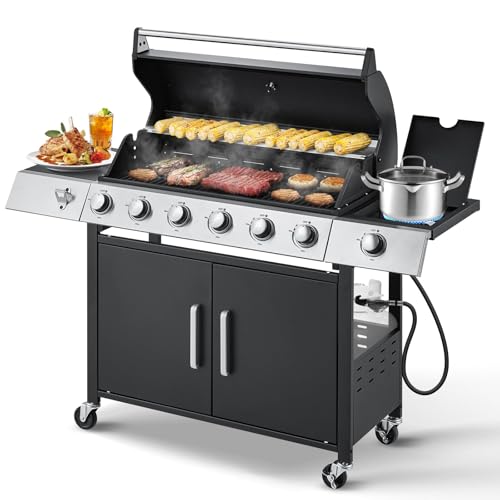
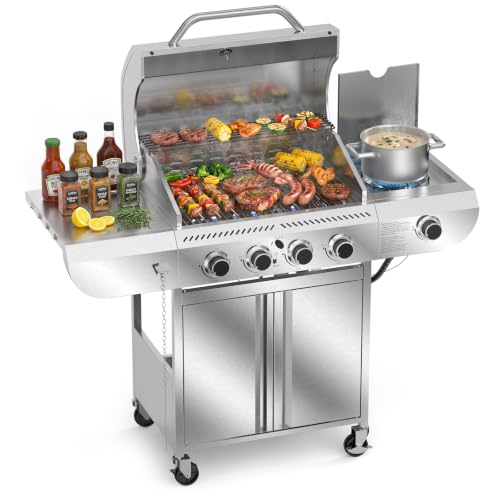
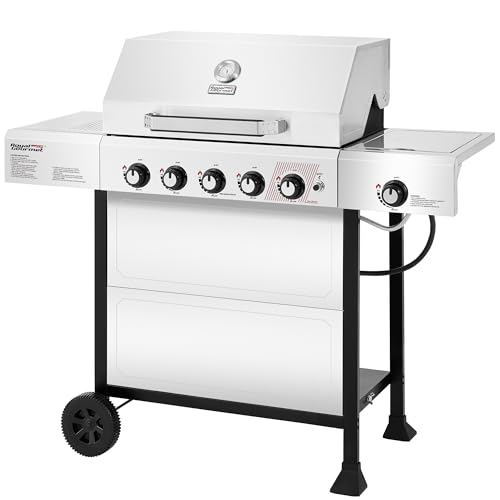
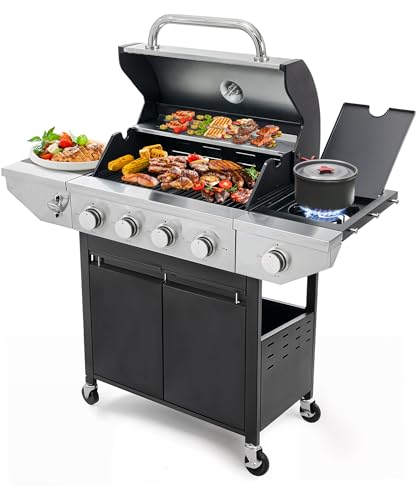
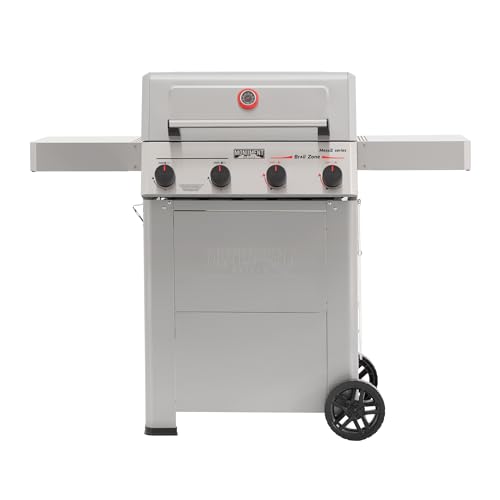
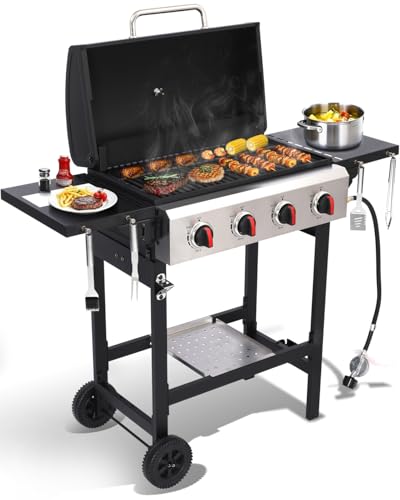

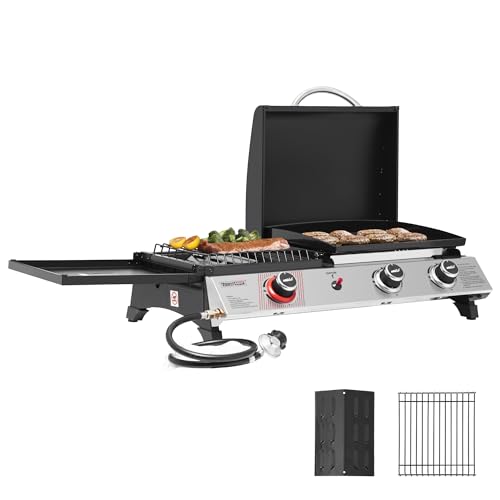

Why Four Burners Hits the Sweet Spot for Family-Size Cooking
Four burners land in a specific place on the sizing curve. It's enough separate heat zones to cook proteins, vegetables, and buns at different temperatures without babysitting a single flame, but it's not so much grill that you need a dedicated corner of the yard for it. For a household that regularly feeds four to six people, or hosts a slightly bigger group a few times a month, that balance matters more than raw BTU numbers. It's also why a 4 burner gas grill tends to be the default recommendation once a family outgrows a smaller two-burner setup, rather than jumping straight to something built for large-scale entertaining.
Where Four Beats Two or Three Burners
A two-burner setup works fine for a couple who grills a few nights a week, and a three-burner grill stretches that a little further for occasional guests. Four burners is where you stop compromising. You get a genuine third or fourth zone, which means you can hold a low-and-slow section going while still searing something else on high, something that's awkward to pull off with only two or three burners to split. That extra zone is what turns a 4-burner gas grill into a real step up rather than just a bigger nameplate on the same basic setup.
Where Four Stops Being Enough (Six-Burner Territory)
The jump to six burners is really a jump in intent, not just size. That range is built for people who host often, cook multiple full meals at once, or want restaurant-style capacity, and it typically demands a much larger patio footprint and a bigger budget to match. If you're mostly cooking for your own household with the occasional cookout, a six-burner grill is usually more grill than you'll use on a normal Tuesday. Four burners covers the family-size use case without asking you to rearrange your patio furniture.
Side Burners, Sear Stations, and Rotisserie Burners: What's Actually Worth Adding
Once you're shopping in the 4-burner range, you'll start seeing grills advertised with a side burner, a sear station, or a rotisserie burner tacked on. Some of these genuinely change how you cook. Others just add another surface to clean. Here's how to tell the difference.
Side Burner: Genuinely Useful or Just One More Thing to Clean
A side burner lets you heat a sauce, warm a side dish, or keep something simmering without walking back to the kitchen. If you regularly cook full meals outdoors rather than just grilling the protein, this earns its keep. If your outdoor cooking is mostly burgers and chicken with sides made inside, it tends to sit unused and just becomes one more thing to scrub down at the end of the night. Think honestly about the last few times you cooked outside before paying extra for it.
Sear Station: When the Extra Heat Zone Pays Off
A sear station is a dedicated high-heat burner, often infrared, built to put a hard crust on steaks or chops in a couple of minutes. It's genuinely useful if you cook steaks regularly and care about that restaurant-style finish. For everyday grilling of chicken, burgers, and vegetables, a well-designed standard burner gets you close enough that the sear station becomes a nice-to-have rather than a must. Shoppers who specifically want that infrared high-heat performance are often better served comparing dedicated infrared grills rather than treating a sear station as an afterthought feature.
Rotisserie Burner: Worth the Extra Hardware
A rear-mounted rotisserie burner is built for slow-roasting whole chickens or roasts on a rotating spit, which self-bastes the meat as it turns. It's a real feature if you already enjoy roasted meats and want that texture at home. If you've never used a rotisserie before, it's worth testing the concept with a countertop unit before paying extra for a built-in burner you might use twice a year. Skipping it usually doesn't hurt resale or usefulness much either, since it's an add-on rather than a core part of how the grill performs day to day.
Reading Cooking Area and BTU Numbers Without Getting Fooled
Burner count on its own is an easy number for listings to inflate, since some brands count a side burner as one of the "four." Two other numbers tell you far more about what you're actually buying.
Cooking Area in Square Inches, Not Just Burner Count
A true 4-burner grill should offer roughly 450 to 550 square inches of primary cooking area, enough to comfortably handle food for a family of five or six at once. As a rough guide, aim for at least 70 to 100 square inches per person you typically cook for. If a listed "4-burner" model has a noticeably smaller cooking surface than that range, part of the burner count is likely tied up in a side burner that doesn't add to your primary grilling space. Checking the primary cooking area in the spec sheet, not the marketing headline, is the quickest way to catch that before you buy.
BTU Per Square Inch Is the Number That Actually Matters
A higher total BTU rating sounds like more power, but it doesn't mean much without context. What matters is heat flux, the BTU rating divided by the cooking area in square inches. A range of roughly 80 to 100 BTU per square inch delivers fast, even heat. Go much higher than that and you risk scorching food before the inside cooks through, especially on thicker cuts. Before comparing two grills by total BTU alone, do that quick division first.
Getting Real Zone Cooking Out of Four Burners
The real advantage of a 4 burner gas grill isn't lighting all four burners every time, it's using them independently. A practical setup looks like this: one or two burners on high for direct searing, one burner on low or off for an indirect zone where thicker cuts finish cooking without flaring up, and a fourth burner left low as a holding area to keep finished food warm while the rest comes off the grate. That's a genuine three-zone setup that two- or three-burner grills simply can't replicate as cleanly.
This only works if you're checking actual internal temperature rather than guessing by time, especially when you're moving food between zones with different heat levels. A reliable meat thermometer takes the guesswork out of knowing when something's actually done, regardless of which zone it finished in.
Frequently Asked Questions
Is a 4-burner grill too big for two people?
It's larger than strictly necessary, and you'll likely preheat more grate space than you use on an average weeknight. Many owners solve this by lighting only the middle or one side of the grill for smaller meals and using the full width only when hosting.
How many burners do I need for a family of 5?
Three burners can technically cover a family of five, but four gives you more flexibility, including a dedicated zone for proteins, sides, and a warming area, without upgrading all the way to a six-burner grill.
What's the real difference between a 4-burner and a 6-burner gas grill?
Beyond two extra burners, a six-burner grill needs more patio space, costs more upfront, and is really built for people who host large groups or cook multiple full meals at once rather than everyday family cooking.
What size propane tank do I need for a 4-burner grill?
A standard 20-pound propane tank is the typical size for a 4-burner grill and generally lasts through several grilling sessions depending on how often you cook and at what heat level.
Can you do indirect or two-zone cooking on a 4-burner grill?
Yes, and four burners actually make it easier than smaller grills. You can dedicate one or two burners to direct heat and leave the others off or on low for an indirect zone, which is useful for thicker cuts or foods prone to flare-ups.
Do more BTUs always mean a better grill?
No. What matters more is BTU per square inch of cooking area. A grill with a lower total BTU rating but a well-matched cooking surface often heats more evenly than one with a higher rating spread across too much space.
The Bottom Line on 4-Burner Grills
A 4-burner gas grill makes the most sense for households that regularly cook for four or more people and want real flexibility between searing, indirect cooking, and keeping food warm. Focus less on the burner count printed on the box and more on actual cooking area, BTU per square inch, and whether the extra features match how you actually cook. Get those right, and the size takes care of itself.