Best Camping Grills for Cooking Outdoors
Disclosure: We may earn a commission when you buy through links on this page, at no extra cost to you. As an Amazon Associate I earn from qualifying purchases. Learn more

A buying guide to the best camping grills, covering portability, campsite setup, fuel choices, and packing them down between trips.
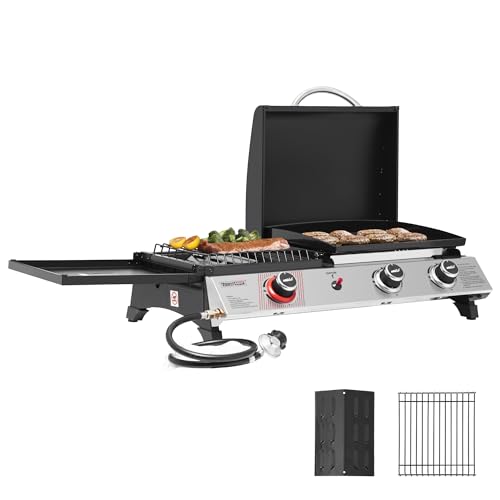


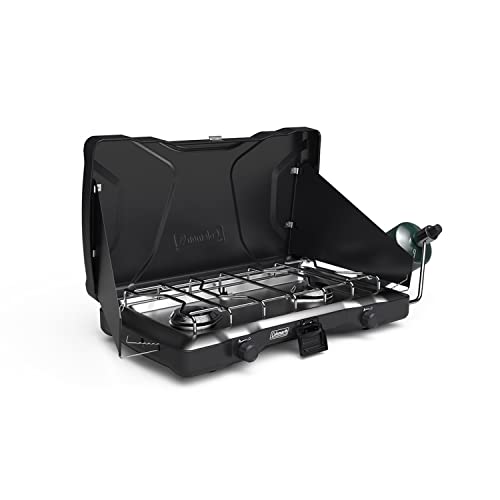
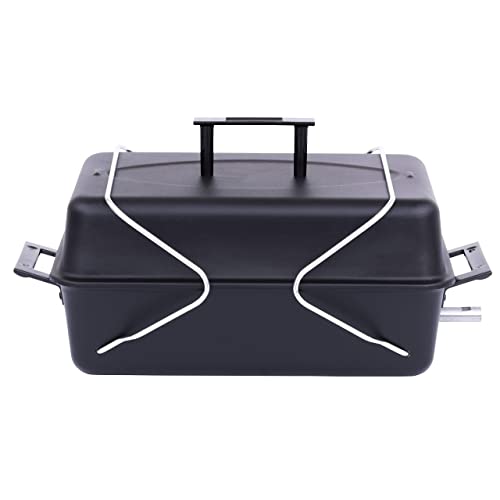

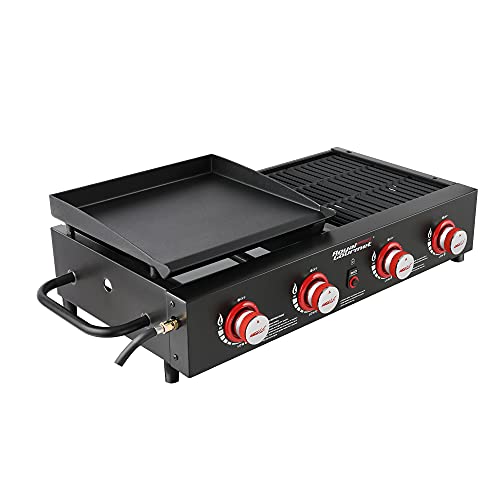
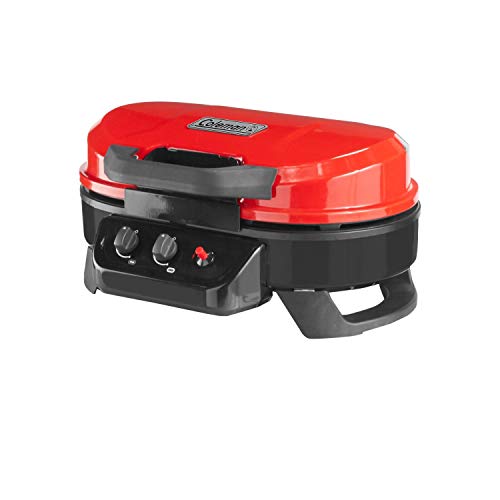
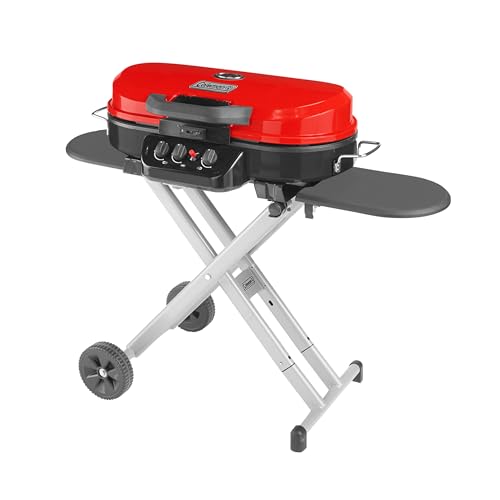
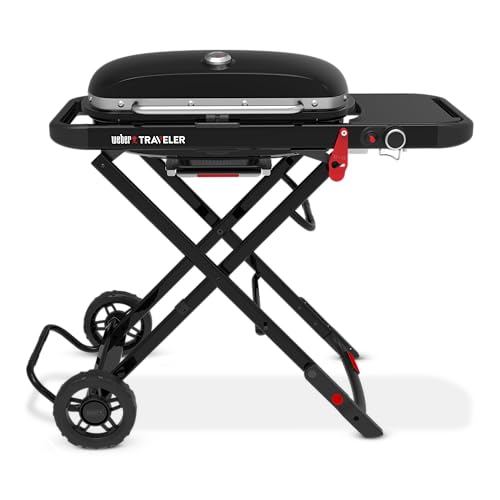
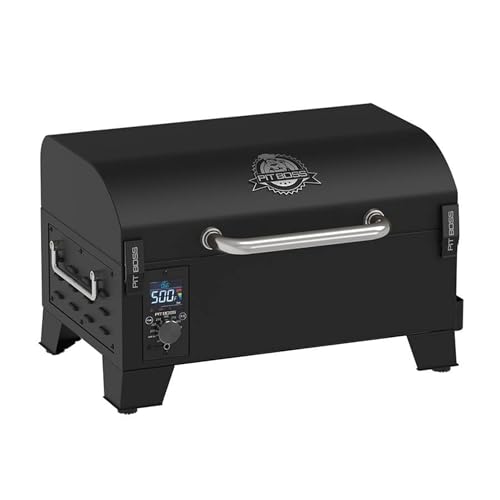
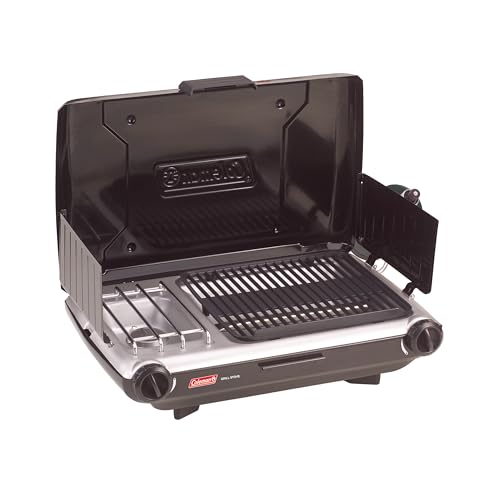
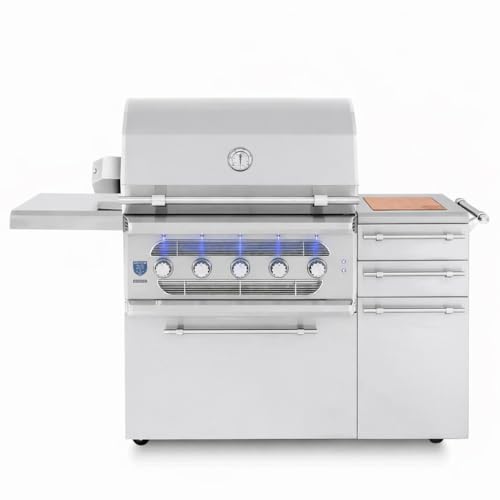
Cooking a hot meal at a campsite feels different from grilling in your own backyard, mainly because everything you use has to travel with you. Weight, packed size, and how quickly a unit sets up all matter more than they would at home. Anyone comparing the best camping grills soon realizes that the winning pick is rarely the one with the most features, but the one that matches how and where you actually camp.
Weight, fuel type, and folded size deserve more attention than a long spec sheet once you start comparing options seriously, especially if the same grill needs to work for both a car-camping weekend and a longer hike-in trip.
What Makes a Grill Actually Camping-Ready
Weight sits near the top of the priority list for anyone hiking into a site or working with limited vehicle space. A grill that feels reasonable in a driveway can feel considerably heavier after carrying it across uneven ground to a tent site.
Folding legs or a collapsible frame make a real difference in packed size, letting a grill that cooks a full meal shrink down to something that fits in a car trunk or the bottom of a pack. Look closely at how a unit folds, since some designs collapse flat while others still leave an awkward shape that eats up cargo space.
Durability matters more here than in a backyard setting, since a camping grill deals with dirt, moisture, and rougher handling during transport. Sturdy latches, solid hinges, and a construction that tolerates being tossed into a truck bed repeatedly are worth checking closely before you buy.
- Lightweight, packable frame for backpacking or minimal gear setups
- Folding, car-camping-friendly size for site-based trips
- Rugged construction that tolerates repeated loading and transport
Portability and Setup at the Campsite
Setup speed matters more at a campsite than almost anywhere else, especially if you are cooking after a long hike or arriving close to dark. A unit that assembles in under a minute with clear, simple steps beats one with a longer setup process, even if the more complex option offers a slightly larger cooking surface.
Stability on uneven ground is another factor that rarely comes up when grilling at home. Adjustable or wide-set legs help keep a grill steady on rocky or sloped terrain, reducing the risk of a tipped grill and a lost meal.
Carrying method affects how the unit fits into your overall gear plan. A built-in handle or shoulder strap makes a real difference on a hike-in site, while a grill meant purely for car camping can afford to prioritize cooking surface over carry comfort, since it rarely leaves the trunk until you reach the site.
Fuel Choices for Cooking Away from Home
Small propane canisters are a popular choice for camping because they light quickly and burn cleanly with minimal setup. They pair well with grills built around a screw-on canister connection, though supply can run out mid-trip if you are camping for several days without resupply access.
Charcoal offers classic grilled flavor and works well for car camping trips where weight matters less, but it takes longer to reach cooking temperature and needs a way to dispose of ash safely afterward. Wood-burning options exist too, appealing to campers who want a fully self-sufficient setup that does not depend on carrying fuel canisters at all.
Match fuel type to your trip style rather than picking based on habit. A quick weekend at a drive-up site handles charcoal's slower pace fine, while a multi-day backcountry trip usually favors the speed and predictability of canister fuel over anything that needs tending.
Packing It Down Between Trips
Clean grates before packing a grill away, since dried grease attracts pests and becomes harder to remove the longer it sits. A quick scrub with water and a stiff brush right after cooking saves effort before the next trip.
Let the unit cool completely before folding it into a carrying case or storage bag, both for safety and to avoid warping components that are still warm. Check fuel connections and hardware periodically between trips, since loose fittings are easier to fix at home than at a remote site with no tools on hand.
Store the folded grill somewhere dry to prevent rust on metal components, especially if it travels in a damp truck bed or garage between uses. A few minutes of care after each trip keeps a camping grill ready to go the next time you head out.
Frequently Asked Questions
What is the best fuel type for backcountry camping?
Small propane canisters are usually the most practical choice, since they are lightweight, light quickly, and do not require managing ash or embers.
How much cooking surface do you actually need while camping?
A compact surface suited to two or three people works for most trips. Larger group trips may call for a bigger folding grill instead.
Are folding camping grills sturdy enough for regular use?
Quality folding designs hold up well to repeated use. Check hinge and latch construction, since these wear first with frequent packing and unpacking.
Can I use a camping grill for car camping and backpacking both?
Some models work for both, but backpacking favors lighter, more compact designs, while car camping allows for a larger, heavier setup.
How do I keep a camping grill from rusting?
Dry it fully before storage and keep it somewhere without excess moisture. A light coat of oil on metal grates helps between trips too.
Is charcoal or propane better for a weekend camping trip?
Either works well for a short drive-up trip. Propane offers faster setup and easier cleanup, while charcoal gives more traditional grilled flavor at a slower pace.
How long does a small propane canister last while camping?
A standard small canister typically provides one to two hours of cooking time, depending on heat setting and how often you cook.
Ready for the Next Trip
Finding the right grill for your trips comes down to matching weight, packed size, and fuel type to how you actually camp, whether that means a short drive-up weekend or a multi-day hike into the backcountry. Setup speed and stability on uneven ground matter just as much as cooking surface once you are actually at the site.
A little care after each outing, from cleaning grates to drying components before storage, keeps a portable grill ready for years of trips without becoming the piece of gear that slows down your packing. Match it to how you actually camp, and the rest of your kit falls into place around it.