
Best Cameras for Microsoft Teams in 2026: Matching the Right Model to Your Routine
Disclosure: We may earn a commission when you buy through links on this page, at no extra cost to you. As an Amazon Associate I earn from qualifying purchases. Learn more
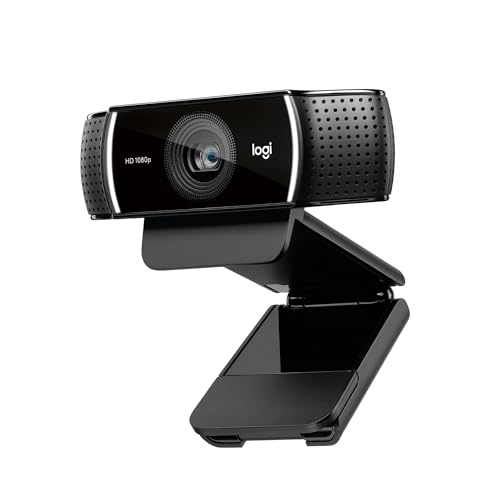
Discover the best cameras for microsoft teams for your needs. We match features to real use cases so you avoid overpaying and get the right fit the first time.
There is no single camera that suits every Microsoft Teams call. A solo desk, a shared room and a presenter who moves around each need a different view and a different sound pickup. The best cameras for microsoft teams match your usual call, your room light and the computer you already use, and you can check that fit in the comparison table below.
Start by naming your most common meeting. Count how many people sit in view and how far you sit from the screen. Those facts will rule out more poor choices than any headline resolution number.

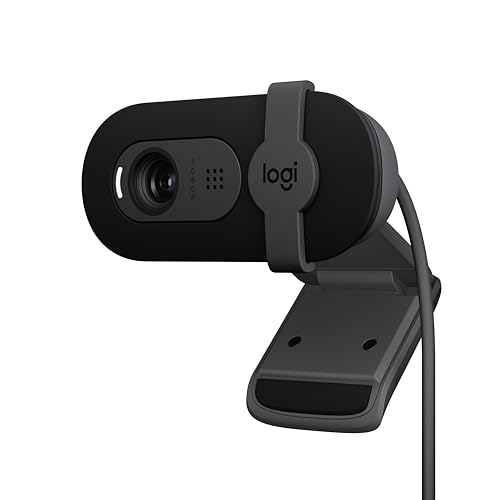

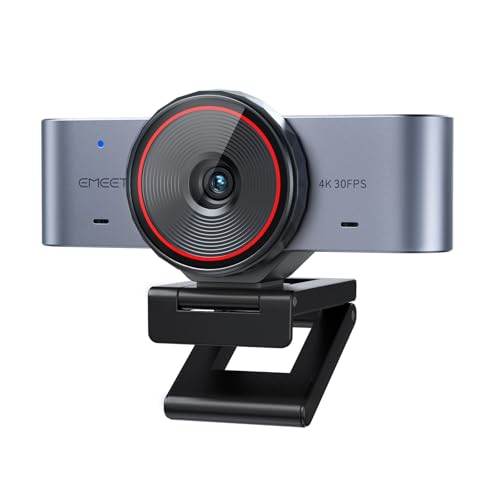
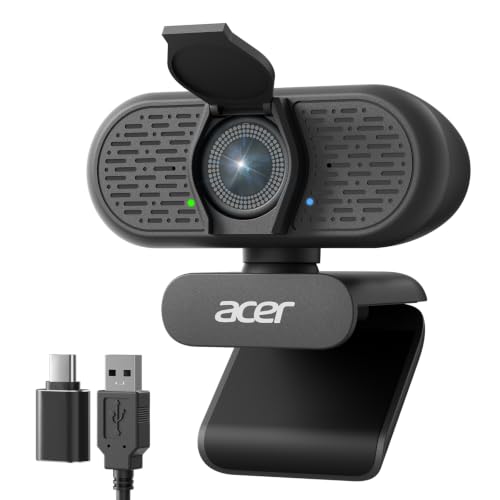
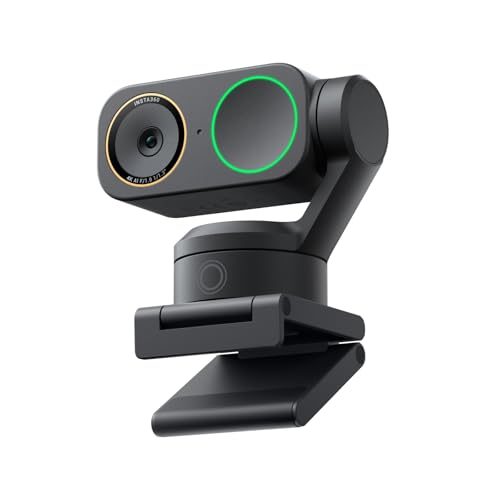


Who Should Buy Which Cameras for Microsoft Teams?
Your routine decides the type first and the details second. A camera that frames a room well will often frame a single face poorly.
Solo Remote Workers at a Home Desk
You sit in one place, close to the screen, and join calls through the whole workday. Prioritise a narrow to medium field of view, reliable autofocus and light correction that handles a window to one side. A monitor clip at eye level will serve you better than a wide room view. Put your budget toward clear 1080p video and a dependable built in microphone.
Hybrid Workers Who Split Time Between Home and the Office
You carry your setup in a bag and set it up in more than one place, often with little time before a call. Choose a light and compact camera with a simple clip, a tidy cable and a privacy cover you can close in a shared space. Quick setup matters more for you than advanced framing, because a camera that connects at once saves stress.
Small Teams in Huddle Rooms and Shared Meeting Spaces
You need several people to be seen and heard from one position, often around a small table. Choose a wider field of view, auto framing that widens or tightens as people join or leave, and microphone pickup that reaches the far side of the table. A stable table placement works better than a laptop clip here. A desk camera stretched beyond its range will leave some faces small and some voices faint.
Key Features to Compare
Compare these factors in order. These factors change what other people see and hear on your call. When you compare best cameras for microsoft teams options side by side, treat headline resolution as only the starting point.
Resolution and Frame Rate for Clear Teams Video
Resolution decides how much detail the camera sends, and frame rate decides how smooth movement looks. For most desk calls, 1080p at 30 frames per second gives a sharp face and natural motion. A 4K camera helps mainly when the software crops into a wide view for auto framing, because the cropped picture keeps more detail.
Field of View and Auto Framing for One Person or a Group
Field of view is the width of the scene the camera shows, measured in degrees. A view of about 65 to 78 degrees suits one person at a desk, because it shows your head and shoulders with little empty room behind you. A view of about 90 degrees fits two people, while wider views suit a room but can make a solo face look small. Auto framing crops the wide view to whoever is present.
Autofocus, Exposure and Light Correction in Real Rooms
Autofocus keeps your face sharp when you lean in, lean back or hold up a page. Exposure and white balance decide whether your skin looks natural or washed out. A larger sensor and good light correction help in a dim room, because the camera gathers more light before it adds grain. Face based exposure is worth seeking if a bright window sits behind you.
Built In Microphones and Voice Pickup on Teams Calls
Many Teams cameras carry built in microphones that pick up your voice and reduce room echo and keyboard noise. Pickup range matters more than microphone count. For a quiet home office, the built in microphones are often enough. If you share a room, see our guide to the best headsets for microsoft teams for clearer voice pickup.
Mounting, Privacy Cover and Camera Placement
How a camera mounts decides where it can sit, and placement decides how natural you look. A flexible monitor clip suits most desks and lets you tilt the lens to eye level, while a tripod thread suits a small desk tripod. A physical privacy cover is worth having, because you can close it and know at a glance that the lens is blocked.
Connection, Compatibility and Teams Certification
Most cameras for Teams connect by USB and draw power from the computer, so check for a free port or a dock port that carries video without a loose adapter. A cable of about 5 to 6 feet suits most desks. Cameras certified for Microsoft Teams are checked to work with Teams controls and call features, and they usually connect without extra software, which matters most in shared rooms.
Choosing Between a Desk Camera, a Room Camera and a Mirrorless Setup
A desk camera is the simplest type. It clips to a monitor, connects by USB and works as soon as Teams selects it. If you want this type on its own, see our guide to the best webcams for microsoft teams. Choose it if you are the only person in view and you value a setup you can move in minutes.
A room camera offers a wider view, stronger microphones and often remote control of zoom and framing for a fixed group space. A mirrorless camera used as a video source can give the softest background and the best low light picture, but it adds cost, extra parts and more that can fail before a call.
Whichever type you choose, check the computer at the centre of the setup. If you are also updating that computer, see our guide to the best laptops for microsoft teams so the ports and processor support your planned video quality. A strong camera cannot fix a computer that struggles to run Teams alongside other apps.
Common Mistakes to Avoid
- Buying the widest field of view for a solo desk makes your face small and shows more clutter behind you.
- Paying for 4K resolution on a slow connection leads Teams to lower the stream quality during calls.
- Placing the camera well above or below eye level makes you look down or up at everyone on the call.
- Ignoring microphone pickup range leaves your voice faint when you sit back from the desk or table.
- Skipping a privacy cover leaves you unsure whether the lens is blocked between meetings.
- Choosing a camera that needs extra software for basic use adds a failure point in a shared room.
Keeping Your Webcam Lens and Cable in Good Shape
Clean the lens with a soft lens cloth and gentle circular strokes, because grit dragged across the glass can leave fine marks that soften the picture. Blow loose dust off before you wipe, and close the privacy cover when the camera is not in use, since the cover also shields the lens from dust and knocks.
Protect the cable and the connection as carefully as the lens. Avoid sharp bends near the plug, do not pull the camera down by its cable, and coil spare length loosely. Store a travel camera in a padded pouch, and check the clip hinge now and then.
Cameras for Microsoft Teams: Your Questions Answered
What features matter most in a camera for Microsoft Teams calls?
Clear 1080p video, a field of view that fits your group size and reliable autofocus matter most for Teams calls. Those three decide whether faces stay sharp and well framed through a normal meeting. After them, look at light correction and microphone pickup. A useful extra is a status light you can see from your chair, because it confirms when the camera is active.
How much should I spend on a first camera for Microsoft Teams?
A first camera for Microsoft Teams usually costs about $50 to $120 for a solid desk model, covering 1080p video, autofocus and a privacy cover. Spending about $120 to $250 can add a wider view or better low light handling for a small room. Set the budget by group size first, because including more people is a clearer gain than resolution alone.
Is a smartphone enough for Microsoft Teams meetings instead of a dedicated camera?
A smartphone can be enough for occasional Teams meetings, because its camera is sharp and its light handling is strong. It is less practical daily, since you must mount it at eye level, keep it charged and give up its use during long calls. A dedicated camera stays in place and frees your phone for notes. Test a phone setup for a full meeting before you rely on it.
Do I need 4K resolution for Microsoft Teams meetings?
No, you do not need 4K resolution for most Microsoft Teams meetings. Teams often sends video at a lower resolution than the camera can capture, so a good 1080p picture in decent light will look clear to other people. A 4K camera earns its cost mainly when auto framing crops into the picture. Check your upload speed during a busy hour before you pay more.
Where should I place a camera for Microsoft Teams meetings at a desk?
Place a desk camera at eye level, centred on the monitor you look at most during Microsoft Teams meetings. That position lines your gaze up with the people on screen. Keep the lens about an arm length away for a head and shoulders view. If your monitor sits low, raise the camera on a small tripod.
Our Verdict
Match the camera to the call you make most often. Solo workers should favour a medium field of view, dependable autofocus and light correction. Groups should favour a wider view, auto framing and microphone pickup that reaches everyone. Use the product table above to check resolution, field of view and mounting against those needs.
Chosen that way, the best cameras for microsoft teams become a simple fit for your desk or your room. Pick the simplest type that frames everyone clearly, set it at eye level and join your next call with confidence.

