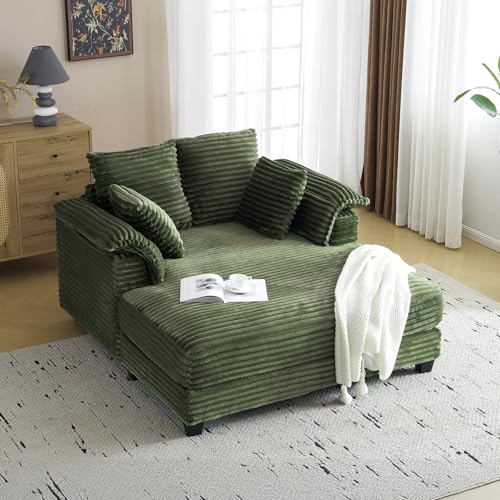
Best Comfy Sofa Buying Guide for 2026
Disclosure: We may earn a commission when you buy through links on this page, at no extra cost to you. As an Amazon Associate I earn from qualifying purchases. Learn more

Choose the best comfy sofa for your body, room and budget with clear guidance on seat depth, cushion fill, frame build, fabrics and lasting care.
A sofa can look soft in photos and still leave you stiff after one film. The best comfy sofa for you matches your body, your posture and the way you actually sit, whether that is upright with a book or stretched out with your feet up. Comfort comes from seat depth, cushion fill and back support working together, not from plush styling alone.
This guide covers the profiles, dimensions and materials that matter most. Use the comparison table below to check sizes and key specs side by side as you read.




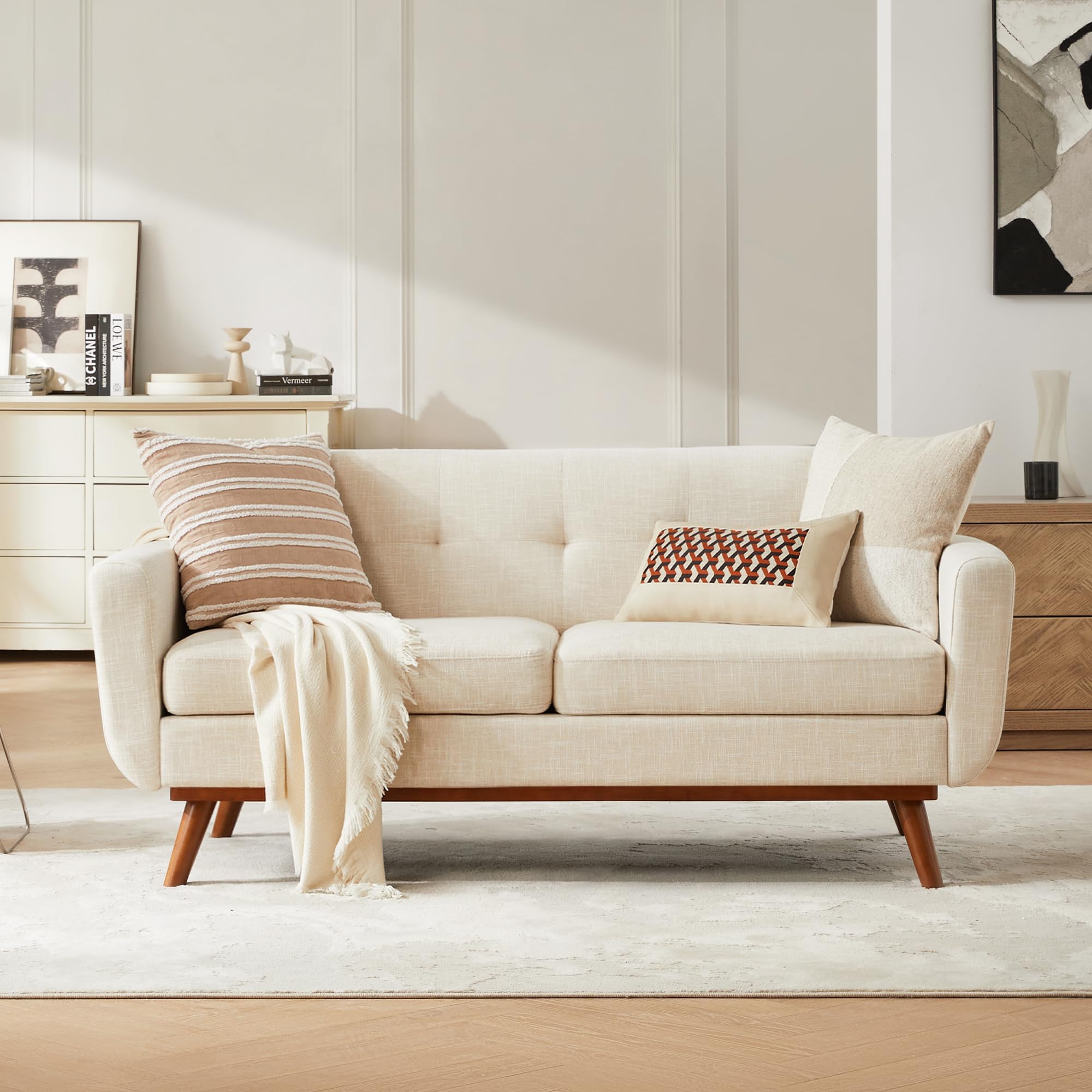


Three Buying Profiles and What to Prioritise
The Lounger Who Wants Deep, Soft Seating
You sit sideways, tuck your legs up or lie along the seat, so depth matters more than a neat upright shape. Look for a seat depth of about 23 to 25 inches, low and wide arms you can lean on, and back cushions that let your shoulders sink in. Skip very firm foam, because a surface that feels supportive for five minutes can feel unyielding during a long evening.
The Reader and TV Watcher Who Needs Support
You sit upright for hours, so your lower back and neck decide whether the sofa feels good. Prioritise a seat height of about 18 to 20 inches, a back that reaches your shoulder blades, and cushions with a firm core under a softer top layer. Your feet should rest flat on the floor, with your knees level with or slightly below your hips.
The Busy Household With Kids and Pets
Your sofa takes spills, crumbs, paws and daily climbing, so comfort has to survive real use. Choose a tight weave performance fabric or a removable cover you can wash, and cushions that hold their shape after repeated sitting. Medium firmness usually works best here, because very soft seats are harder for kids and older relatives to rise from.
What Makes a Sofa Feel Comfortable
Comfort is the fit between your body and three things: how deep the seat is, how the cushion responds when you sit, and how the back meets your spine. A deep seat with a soft back invites lounging, while a shallower seat with a firmer cushion keeps you upright and makes standing easier. Neither is better in general. The right mix depends on your height and how long you stay seated.
Adjustability is limited on most sofas, so the fixed shape has to suit you from the start. Some designs offer movable back cushions, adjustable headrests or loose pillows you can place behind your lower back. Treat those extras as fine tuning, not as a fix for a seat that is far too deep or too high.
Key Features to Compare
Seat Depth and Seat Height
Seat depth runs from the front edge to the back cushion. About 20 to 22 inches suits most upright sitters, while about 23 to 25 inches suits loungers and taller people. If the seat is too deep, your back will not reach the cushion without a pillow and your legs will press into the edge. About 19 to 21 inches of seat height makes rising easier for taller sitters and sore knees.
Cushion Fill and Firmness
High density foam gives a firm, even seat that holds its shape and needs little plumping. Foam wrapped in fibre or down adds a softer top, so you sink in slightly while the core supports you. Loose fibre fills feel softest at first, but they need daily plumping and lose support faster. For most homes, a foam core with a soft wrap is the best balance.
Back Support and Arm Height
A good back cushion supports your lower back without pushing your head forward. Split back cushions let each sitter adjust their side, while a single long cushion gives a cleaner look but less control. Arm height shapes comfort too. Low arms suit lying down, while higher padded arms give you a place to rest an elbow or prop a cushion while reading.
Frame and Suspension
The frame carries everything, so look for kiln dried hardwood or strong engineered wood with joints that are glued, dowelled or screwed rather than only stapled. A solid frame should feel quiet and rigid when you sit on one corner. Under the cushions, sinuous springs give a firmer, even seat, while webbing feels softer and can stretch over time.
Fabric and Upholstery Choices
Fabric decides how the sofa feels against your skin, how it handles spills and how it ages. Performance fabrics resist stains and suit homes with pets and kids. Velvet feels soft and warm but shows marks and needs gentle care. If you are weighing leather vs fabric sofa options, remember that leather wipes clean but can feel cool or sticky with weather, while fabric feels softer at first touch. Choose washable covers if spills are frequent.
Size, Form Factor and Layout
Measure your room before you fall for a shape. A loveseat of about 58 to 72 inches suits small rooms, a three seat sofa of about 78 to 90 inches suits most living rooms, and designs over 90 inches need real floor space. If your layout changes often, our guide to the best modular sofa explains how separate pieces can rearrange for guests or moving day.
How to Choose the Right Comfy Sofa
Measure Your Room and Your Doorways
Write down the wall length, the depth of the space and the path the sofa must travel to reach it. Check door widths, hallway turns and stair corners before you order, because a sofa that fits the room but not the doorway is a costly return. Tape the footprint on the floor to see whether the size blocks a walkway or crowds a coffee table.
Match the Sofa to Your Body and Your Habits
Think about who sits most often and for how long. A household that hosts film nights needs depth and durable cushions, while a person who reads each evening needs back support and a good arm to lean on. If guests stay over often, the best sleeper sofa guide covers fold out designs that give you a real bed without giving up daily seating.
Features Worth Paying For and Features to Skip
Pay for a strong frame, good cushion cores and fabric that fits your life, because those decide comfort for years. A chaise, reclining seats or storage can be worth it if you will use them weekly, and washable covers earn their cost with pets or children. Skip built in speakers, novelty lighting and extra USB ports if they raise the price, because a lamp or a power strip costs far less. Comfort should come from the seat, not from gadgets.
Assembly, Delivery and Warranty
Many large sofas arrive in sections with legs and backs to attach, which helps with narrow doors but means you should allow time and a clear floor for assembly. Check whether delivery includes room placement and packaging removal, or only doorstep drop off. Read the warranty for the frame, the springs and the cushions separately, because coverage often differs by part.
How Much Should You Spend
Under $500, expect simple frames and basic foam, which can still suit a first apartment or a spare room. About $500 to $1,000 brings stronger frames and better cushion cores for daily use. About $1,000 to $2,000 is where deep seats, performance fabrics and solid suspension become common. Spend first on fit and frame, then on fabric, then on extras.
Comfort Focused Sofas Versus Firmer Traditional Sofas
A comfort focused design trades a tidy silhouette for depth, softness and room to shift position. That suits relaxed rooms and long sitting sessions, but very soft seats can make standing harder and can look untidy without regular plumping. If you are choosing between a single sofa and a corner layout, the sofa vs sectional comparison covers space, seating and cost trade offs.
Think about your main use rather than the label. If most evenings end with you stretched out and half asleep, depth and softness should win. If you host guests or welcome older relatives who need an easy rise, a firmer, higher seat will serve everyone better.
Common Mistakes to Avoid
- Buying on looks alone, which leaves you with a seat depth that does not fit your legs or your back.
- Ignoring doorway and hallway sizes, which can turn delivery day into a return and a long wait.
- Choosing the softest cushion in the store, which often loses support and shape within the first year.
- Forgetting how the fabric handles your real life, which leads to stains and wear you could have avoided.
- Cramming an oversized sofa into a small room, which blocks walkways and makes the space feel smaller.
How to Make Your Comfy Sofa Last Longer
Rotate and flip seat cushions if the design allows it, and plump loose back cushions weekly so the fill spreads evenly. Vacuum the fabric and the gaps between cushions with a soft brush tool to lift grit that wears fibres down. Deal with spills at once by blotting, never rubbing, and follow the maker care code on the label.
For a full routine by fabric type, see our guide on how to clean a couch, which covers washing covers and knowing when a professional clean is worth it. Lift the sofa when you move it rather than dragging it, because dragging can twist the frame. If a cushion sags early, contact the seller while the warranty still covers it.
FAQ
What is the best comfy sofa for a small living room?
For a small room, choose a compact design with a seat depth near 21 inches and slim arms that give you seating width without bulk. Raised legs help the room feel lighter because you can see floor beneath the frame. Measure the taped footprint first, and allow walking space on at least one side. A loveseat or a short three seat design usually beats a deep oversized model.
Are comfy sofas worth it for everyday use?
Yes, a comfort focused sofa is worth it if you sit for long stretches each day, because the right depth and support reduce fidgeting and stiffness. The value depends on the frame and cushions rather than softness alone. A well built medium priced sofa used for hours daily gives better value than a cheap soft sofa that sags within a year.
How can you clean a comfy sofa without damaging the fabric?
Start by checking the care code on the label, because some fabrics allow water based cleaners and others need solvent only products. Vacuum first to lift grit, then try any cleaner on a hidden spot and let it dry before treating a visible mark. Blot spills instead of rubbing, work from the edge of a stain inward, and let the area dry fully before sitting. Removable covers should be washed cold and dried flat to avoid shrinkage.
How do you choose a comfy sofa if you have back pain?
Choose a seat height that lets your feet rest flat and a firmness that keeps your hips level with your knees, because dangling feet and a deep slump both strain your back. A supportive core with a softer top layer and a pillow placed at your lower back usually helps. This is general fit guidance only. If pain persists, spreads or follows an injury, see a doctor or a qualified clinician for personal advice.
How long should a comfy couch last with daily use?
A well built sofa used daily should keep its comfort for about 7 to 10 years, while a light build may sag within 3 to 5 years. Frames of kiln dried hardwood and high density cushion cores last longest. When the frame creaks, the suspension dips and new cushions no longer restore the seat, replacement is near.
How can you make a comfy sofa feel firmer?
You can firm up a soft seat by placing a dense foam insert or a firm support board under the cushion, because a solid base stops the cushion sinking into the suspension. Swapping a worn insert for high density foam gives a more lasting fix. If the frame or springs are sagging, surface fixes help only a little and repair may be the better spend.
Final Thoughts
The right sofa fits your body, your room and your routine, not simply the softest model you can find. Use the product table above to compare sizes and specs, return to the profiles that match your household, and put fit, frame and cushion quality ahead of styling extras. Choose well and your best comfy sofa will be the seat everyone heads for, evening after evening.