
Best Track Lighting for Living Room: Complete Buying Guide
Disclosure: We may earn a commission when you buy through links on this page, at no extra cost to you. As an Amazon Associate I earn from qualifying purchases. Learn more

A living room rarely needs one style of light. It needs a wash of general brightness for evenings on the couch, a focused beam for the reading chair, and something that makes the art on the wall look intentional rather than accidental. Track lighting for a living room is one of the few fixture types that can do all three jobs from a single run of ceiling hardware, which is why it keeps showing up in renovation plans for open-concept spaces.
Unlike a single pendant or a scattering of recessed cans, a track system lets you add, remove, or re-aim individual heads long after installation. That flexibility is the whole appeal, but it also means the buying decision involves a few more variables than picking a fixture off a shelf. This guide walks through what actually changes the outcome, from track type to head count to the wiring behind the ceiling.

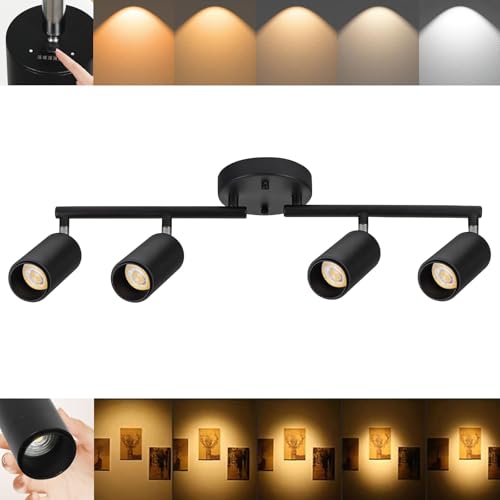
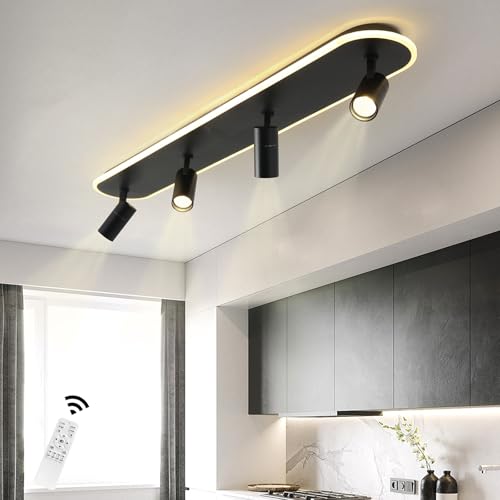
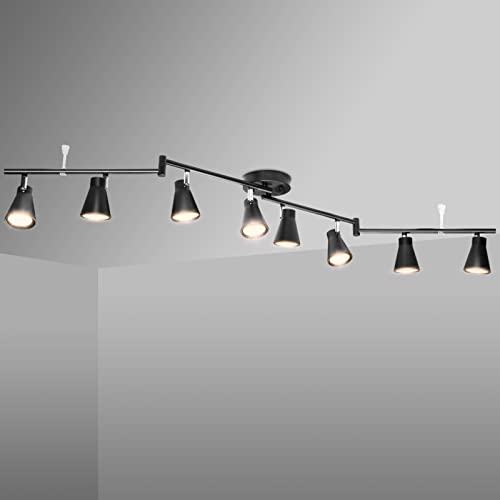
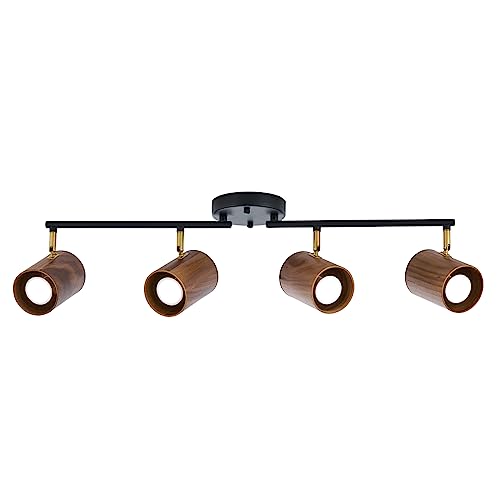
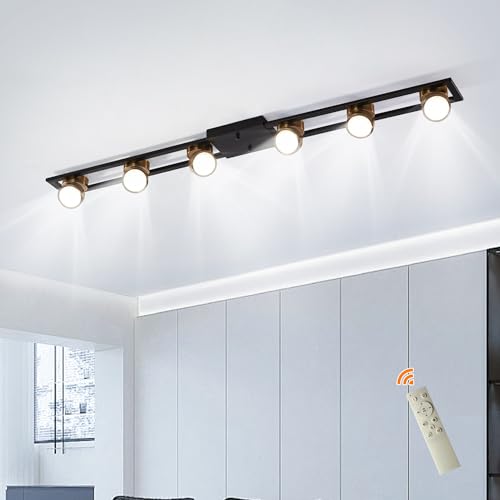
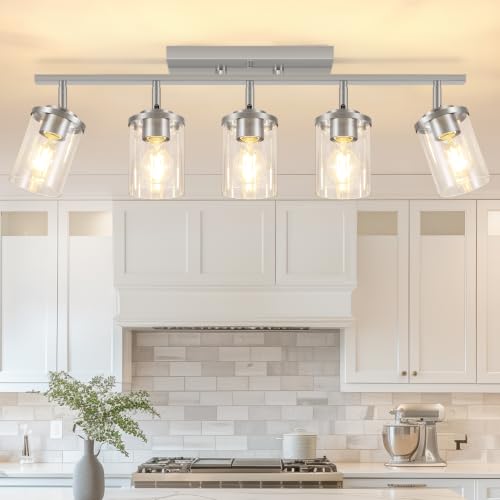
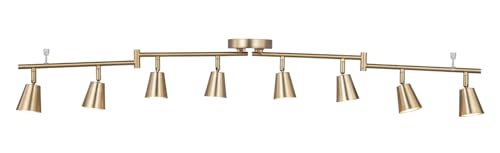
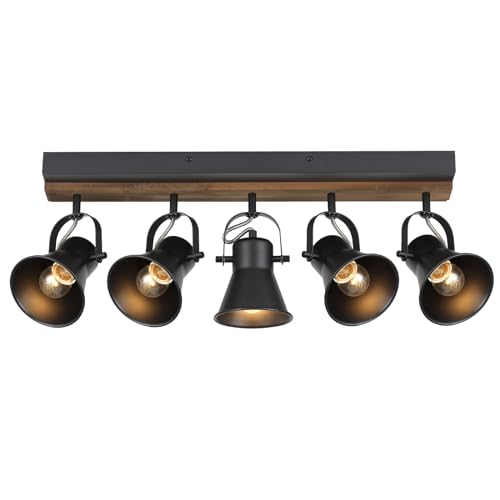
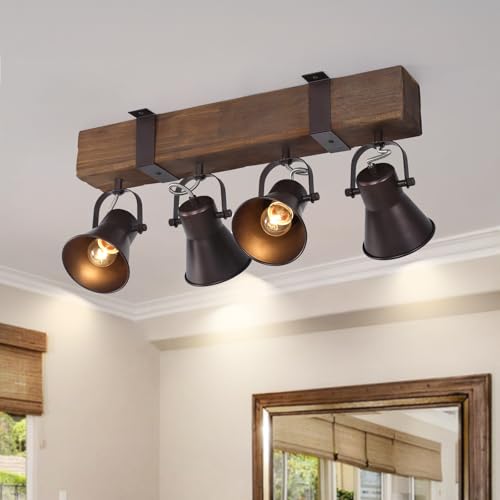
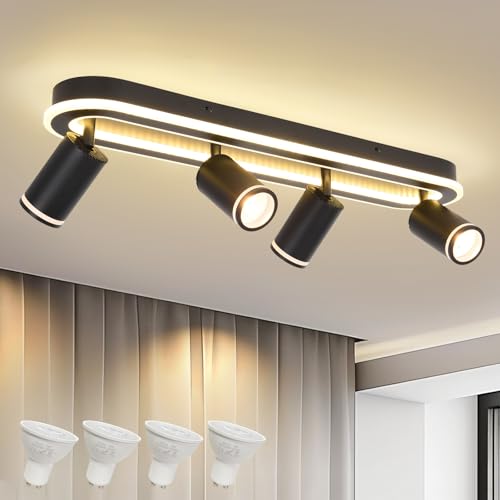
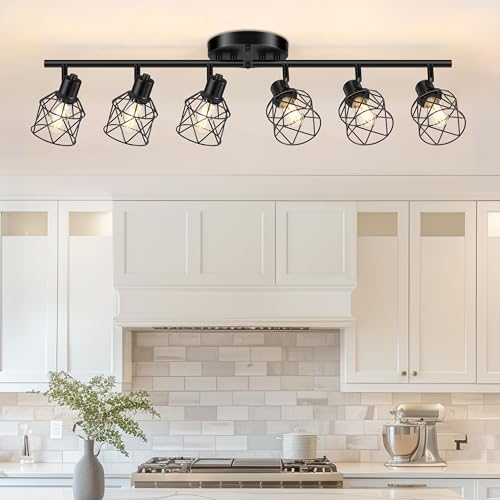
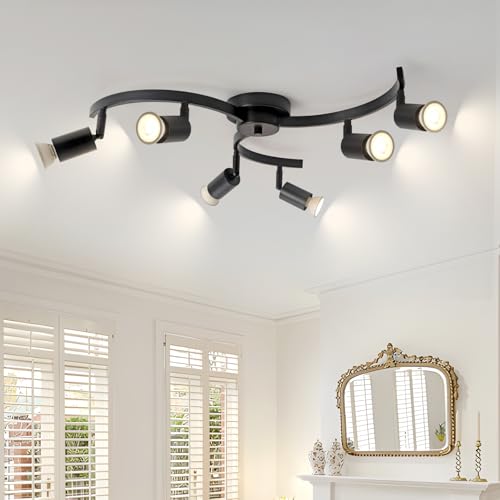
What Matters Most When Choosing Track Lighting for a Living Room
Start with color temperature, since it affects the mood of the room more than any other spec. Warm white light in the 2700K to 3000K range reads as cozy and residential, while anything closer to 4000K starts to feel closer to office lighting. Most living rooms lean warm, though a north-facing room with little natural light sometimes benefits from a slightly cooler bulb to avoid feeling dim.
Next, look at the connector type on the track itself. Track systems from different manufacturers are not always cross-compatible, so the track, the heads, and the power feed need to share the same rail profile. Dimmability matters just as much: a living room used for both movie nights and daytime reading needs heads that can be dialed down without flickering, which usually means confirming the driver or transformer is rated for dimming before purchase.
Finally, think about how many heads the run will actually carry. A track loaded with too few heads leaves dark gaps between pools of light, while overcrowding a short run wastes money on fixtures that overlap each other's coverage.
Fixed Track vs. Monorail: Which System Fits Your Ceiling
Standard fixed track runs on line voltage and stays in straight or gently angled sections, which keeps installation simple and keeps replacement parts easy to source later. It suits rectangular living rooms where the layout follows the walls and the goal is a clean, predictable line of light.
Monorail track works differently. It runs on low voltage through a transformer, and the rail itself can be bent into curves or custom shapes that follow an unusual ceiling line or a room with an open floor plan. That flexibility comes at a cost: monorail systems generally run more expensive per foot and the transformer adds a component that can eventually need replacing.
A second decision inside this category is single-circuit versus multi-circuit track. Single-circuit track has one hot wire, so every head on the run turns on and off together from one switch. Two-circuit track splits the run into independently switched zones, which is useful in a living room where the seating area and the media wall call for different lighting moods at different times.
For a broader look at how track compares with a discreet, ceiling-flush alternative, see this guide to ultra-thin LED recessed lighting, which covers a very different install profile.
How Much Track and How Many Heads Your Room Actually Needs
As a starting point, plan on roughly one head for every four to six linear feet of track, then adjust based on what the heads are lighting. Heads aimed at a wall of art or a bookshelf can sit closer together, since the goal is layered highlights rather than even coverage. Heads meant to supplement general room light can space out further, especially if the room already has another light source in play.
Ceiling height changes the math too. In a room with standard eight-foot ceilings, track mounted close to the ceiling throws a tighter, more defined beam. Higher ceilings spread the beam wider by the time it reaches eye level, which sometimes means adding an extra head or two to avoid dark patches near the floor.
Rooms with limited ceiling space for a full track run sometimes do better mixing in wall-mounted fixtures instead of adding more heads. This guide to wall lights for a living room covers that approach for anyone weighing a hybrid setup rather than relying on the ceiling alone.
It also helps to map the room's actual use before settling on a layout:
- Seating and conversation areas usually want softer, indirect coverage rather than a direct beam overhead
- Reading chairs benefit from a head aimed specifically at that spot, not general ambient light
- Art, shelving, or a fireplace mantel often looks better lit at an angle than lit straight on
- Media walls generally need less direct light to avoid glare on a screen
Retrofitting an Existing Junction Box vs. Running New Wiring
Most living room retrofits start from an existing ceiling junction box, often the same spot that used to hold a flush-mount fixture or a ceiling fan. A track system can usually connect straight into that box with an adapter plate, which keeps the project close to a DIY-friendly afternoon rather than a full rewiring job.
Running new wiring is a bigger undertaking but opens up more layout options, since the track no longer has to originate from wherever the old box happened to be. This route makes sense when the desired track run is far from the existing box, when the room needs a two-circuit setup that the old wiring can't support, or when the ceiling is being opened up for other renovation work anyway.
Either way, a permit and a licensed electrician are worth involving whenever new circuits are added, even if the visible part of the job looks simple. Mounting the physical track is usually the easy part; the wiring behind it is where mistakes get expensive to fix later.
Track Lighting or Recessed Cans: Which Wins for a Living Room
Track lighting and recessed lighting solve similar problems in different ways, and the right choice depends on what the ceiling needs to look like as much as what the light needs to do. Track sits below the ceiling surface and stays visible as part of the room's design, which makes it easy to reposition later but means it has to match the room's style. Recessed cans disappear into the ceiling for a cleaner, more minimal look, but once installed they're fixed in place and harder to reroute.
Cost tends to favor track lighting for a retrofit, since it typically connects to a single existing junction box rather than requiring individual holes cut and wired for each can. Recessed lighting often costs more per fixture when new wiring or ceiling work is involved, though it can look more built-in for buyers who prioritize a seamless ceiling over adjustable light.
A living room that already has a separate lamp or two, such as the sort covered in this guide to wooden table lamps, may not need track lighting to handle every function. In that case, track can be scaled back to just the accents that lamps can't reach, like a vaulted ceiling or a piece of wall art.
Frequently Asked Questions
Is track lighting still a good option for a living room?
Yes, particularly in rooms that need flexible, redirectable light for art, shelving, or multiple activity zones. It has fallen out of favor in some ultra-minimal designs, but it remains practical wherever adjustable lighting matters more than a flush ceiling.
How high should track lighting be installed above the floor?
Most installers aim for at least seven feet of clearance so the track and heads stay out of the way of tall furniture or foot traffic, while still leaving enough distance from the ceiling to throw a useful beam.
Can track lighting be dimmed?
Most modern LED track heads support dimming, but the transformer or driver feeding the track needs to be dimmer-compatible as well. Mismatched components are the most common reason dimming fails after installation.
Does track lighting work in a room with low ceilings?
It can, though low-profile heads and a track mounted flush to the ceiling help avoid a cramped feel. Rooms under eight feet may do better with fewer, more focused heads rather than a long run.
How many track heads does an average living room need?
Most living rooms land somewhere between four and eight heads, depending on room size and how many features, like art or shelving, need dedicated light.
Is track lighting hard to install compared to recessed lighting?
When connecting to an existing junction box, track lighting is generally easier and faster to install than recessed cans, which usually require cutting and wiring separate openings in the ceiling.
Putting a Living Room Lighting Plan Together
The right track lighting setup comes down to matching the system to the room's actual layout rather than picking whatever looks appealing in a showroom. A rectangular room with a simple layout usually does fine with straightforward fixed track, while an oddly shaped or open-concept space might justify the extra cost of monorail. Head count and spacing should follow the room's real focal points, not a generic formula.
Before buying, it's worth confirming what the ceiling can support without new wiring, since that single detail often determines whether a project stays a weekend job or turns into an electrician's afternoon. For rooms that also use accent lighting elsewhere, such as under shelving, this overview of under-cabinet LED puck lights shows a different way to layer supplemental light into the same space.


