
Best Comfy Chairs: The Buyer Checklist for 2026
Disclosure: We may earn a commission when you buy through links on this page, at no extra cost to you. As an Amazon Associate I earn from qualifying purchases. Learn more

A checklist for the best comfy chairs: fit, cushioning, build, warranty, and value for home, office, or reading.
Comfort feels different after ten minutes than it does after three hours, so a quick sit in a store rarely tells the full story. Best comfy chairs need the right seat height, cushion depth, back support, and frame strength for the way you will actually use them, whether that means desk work, reading, or relaxed evenings. This guide turns those needs into a checklist you can run through before you buy, and it points you to the comparison table below so you can compare options side by side.
A checklist helps because it keeps you from judging a chair on looks alone. Work through ergonomics, cushioning, build, materials, assembly, and warranty in order, and note any answer that is vague or missing. Later sections describe what each spending level buys, so you can match your budget to a chair type. Use the product table above as a reference while you work through each check.

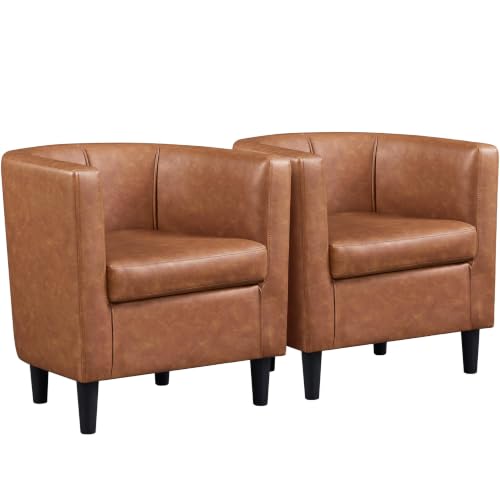
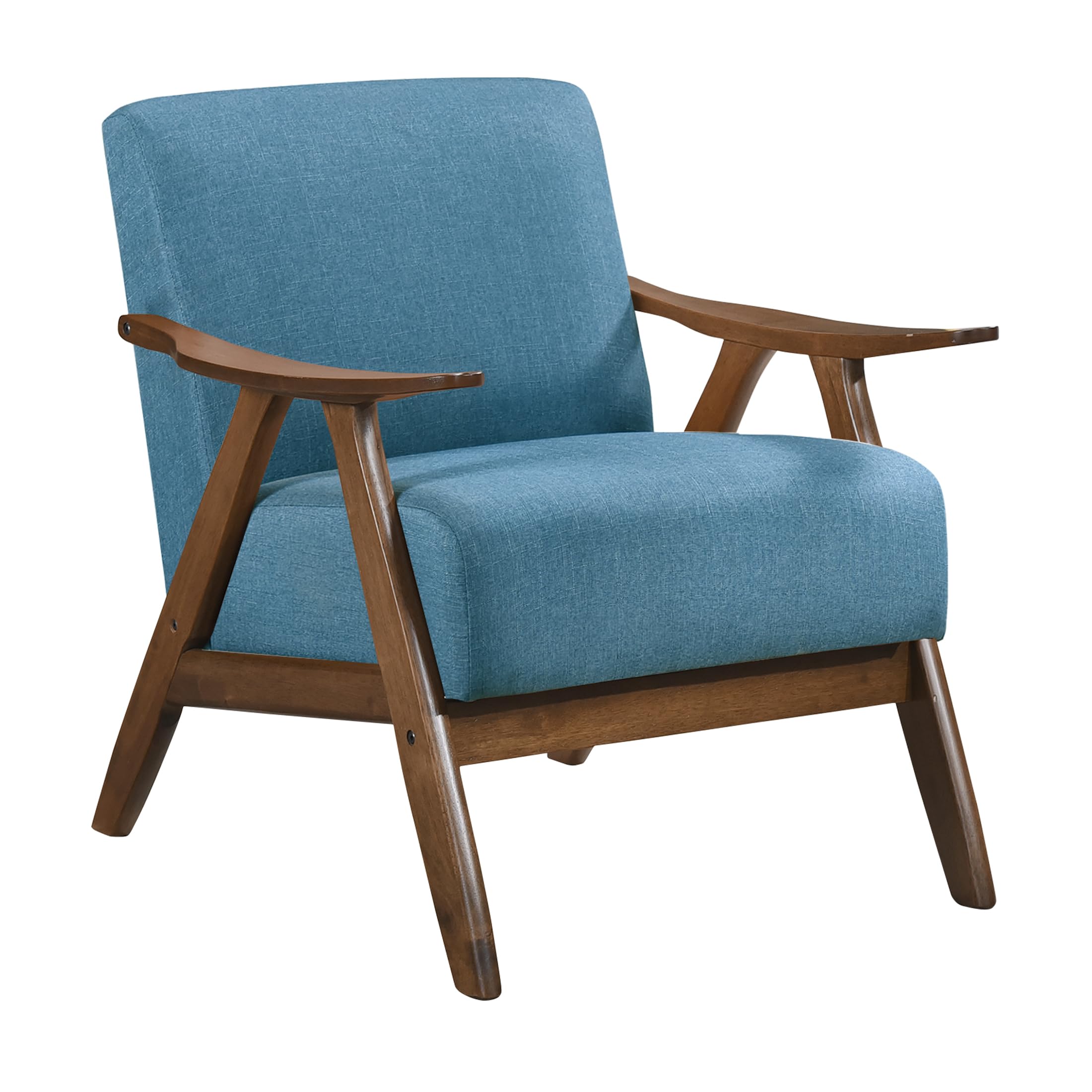


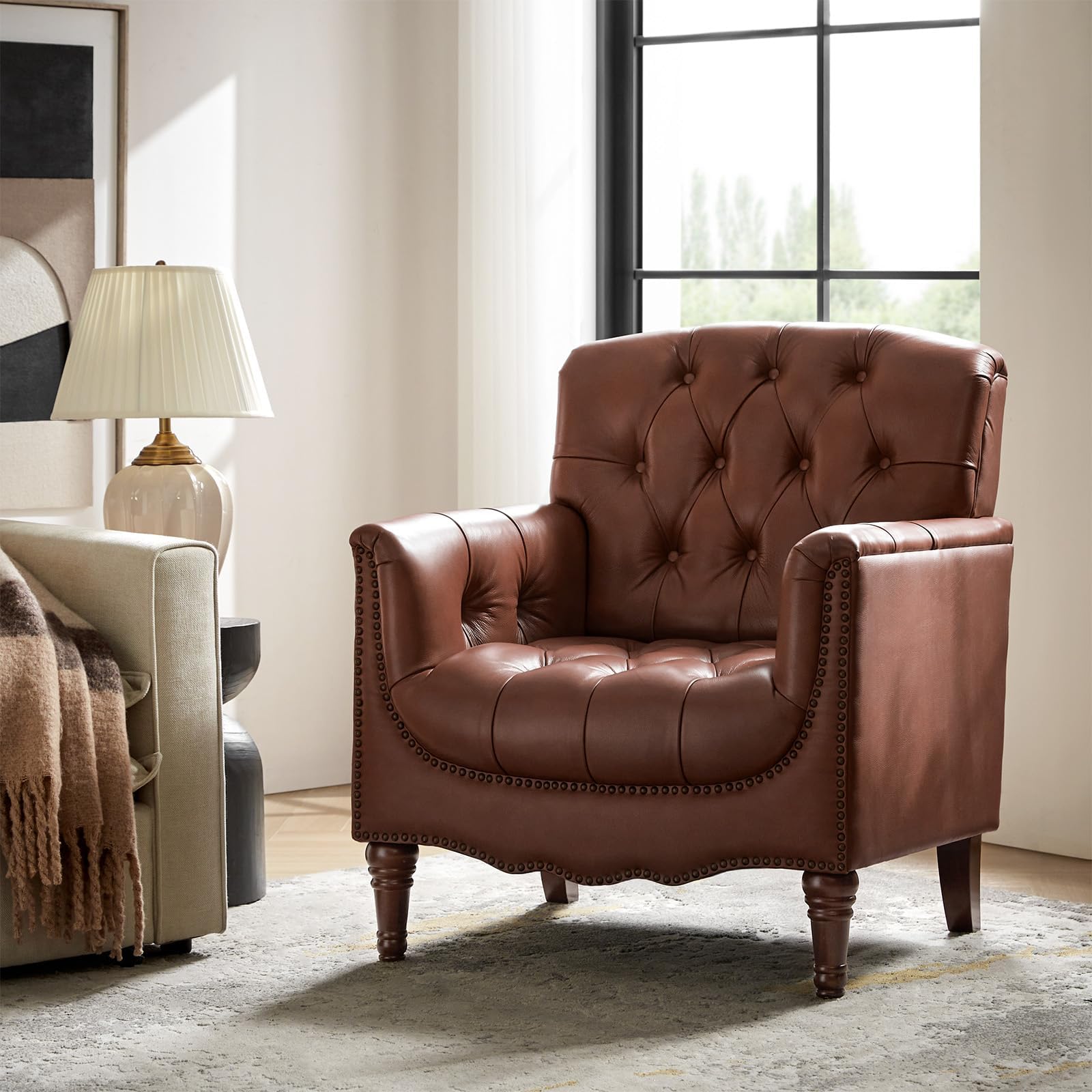
How to Evaluate Comfy Chairs
Use these criteria as a buyer checklist. Each check gives you a concrete question to ask and a clear sign of a good or a weak answer, so you can compare chairs fairly even when sellers describe them differently.
Ergonomics and Adjustability
Ergonomics starts with seat height, because your feet should rest flat on the floor with your knees near a right angle. Check whether the seat height adjusts, whether lumbar support sits at the small of your back, and whether armrests adjust in height or width to fit your desk, and for desk work options, see our guide to the best comfy office chairs. A tilt lock can help you hold a relaxed angle for reading, but it should move smoothly and lock firmly. If a chair offers no adjustment at all, it must match your body size closely from the start.
Style and Room Fit
Style matters because a chair that clashes with a room often ends up moved to a corner and unused. Measure the space first, including doorways and turning room, and compare those numbers with the chair width, depth, and reclined length. Color and fabric change how large a chair looks, with lighter fabrics and open backs feeling smaller in a tight room. A chair for a bedroom or a classroom needs a smaller footprint than a wide lounge chair for a living room, so let the room set the size limit, and for accent styles, see our guide to the best comfy accent chairs.
Warranty and Return Policy
A clear warranty tells you how much the maker stands behind the frame, the lift mechanism, and the upholstery. Look for separate terms for each part, since frames often carry longer coverage than cushions or fabric. A return policy with a reasonable trial period matters just as much, because comfort after long sitting is hard to judge from a photo. Keep the packaging until you are sure, and read any restocking or return shipping terms before you order.
Comfort and Cushioning
Cushioning decides whether a chair stays pleasant through a long session. High density foam usually holds its shape longer than very soft foam, while a softer top layer can make the first sit feel welcoming. Seat depth matters too: too deep a seat can press behind your knees, and too shallow a seat can leave your thighs unsupported. Sit with your back against the backrest and check whether your feet still rest flat, since that simple test reveals many fit problems at once.
Build Quality and Frame
Build quality shows in the frame, the base, and the moving parts. A steel frame and a sturdy five spoke base usually handle daily use better than a light plastic base, and a well rated gas lift should move smoothly without sinking under weight. Check the stated weight capacity and compare it with a comfortable margin, not just an exact match. Tighten and inspect bolts on arrival, and listen for creaks when you shift weight, since early noise can signal loose hardware rather than a design flaw.
Materials and Upholstery
Upholstery shapes feel, cleaning, and durability. Mesh backs breathe well in warm rooms, fabric feels warm and soft, and faux leather wipes clean but can feel warm after long sitting. Real wood frames suit some lounge chairs, while engineered wood can be fine when joints are solid and weight limits are clear. Ask how the cover cleans, whether it removes for washing, and how it handles spills or pet hair if those are part of your daily life.
Assembly and Delivery
Assembly time and clarity affect your first impression more than sellers admit. Check how many steps the instructions list, whether tools are included, and whether two people are recommended for heavy parts. Delivery matters too, especially for large lounge chairs that may not fit through narrow doors or up tight stairs. Measure every doorway on the delivery path before ordering, and keep the box until assembly is complete in case a part is missing or damaged.
Spending Levels That Pass the Checklist
Use spending levels to match a chair type to your budget. Each level below describes what you can reasonably expect, what to check closely, and where extra money tends to show up in daily comfort.
Budget Level
At a budget level, expect a simple frame, basic cushioning, and limited adjustment, often around $80 to $180. Focus your checklist on seat height, weight capacity, and seam quality, since those basics affect safety and daily use more than extra features do. A budget chair can work well for short sessions or occasional use, but check the warranty carefully, because cushion flattening is the most common complaint at this level.
Mid Level
At a mid level, around $180 to $400, you can usually expect better foam, smoother adjustment, and a sturdier base. This level suits daily desk work or regular reading, where cushion durability and lumbar support matter most. Compare lumbar placement, armrest adjustment, and fabric cleaning at this level, and use the trial period to try long sessions before you commit. Many buyers find their best value here, because the jump in comfort is larger than the jump in price.
Higher Level
At a higher level, around $400 to $800, you pay for stronger frames, denser cushions, finer upholstery, and longer warranties. This level makes sense when a chair will see many hours of daily use or when you need a precise fit for a tall or small frame. Still, run the full checklist, because a high price alone does not guarantee the right seat depth or lumbar height for your body. If a chair at this level fails a basic fit check, it is not the right chair for you.
Quick Buyer Checklist
- Does the seat height let your feet rest flat with knees near a right angle?
- Does lumbar support sit at the small of your back without pushing you forward?
- Does the seat depth support your thighs without pressing behind your knees?
- Is the weight capacity comfortably above your weight, with a solid base?
- Can you clean the upholstery easily, and does the cover remove if needed?
- Are warranty terms clear for the frame, the lift, and the cushions separately?
- Does the chair fit through your doorways and into the room where it will live?
- Can you return it within the trial period if long sessions feel uncomfortable?
Red Flags to Watch For
Watch for vague specifications, such as a weight limit with no frame detail or a foam density with no number or range. Missing warranty terms, unusually short return windows, and seller claims that sound absolute should also raise caution. Be wary of listings that use the same photos for very different chair types, or that promise medical benefits from an ordinary chair. When details are missing, ask the seller before buying, and choose a listing that answers the checklist plainly.
Picking the Right Chairs for Different Uses
Different rooms and routines change which checks matter most. Use the sections below to focus on the two or three criteria that will affect your daily use, rather than trying to maximize every feature at once.
For Kids: What to Check
Chairs for kids need a smaller seat, stable footing, and materials that clean easily. Check maker age and weight guidance, look for rounded edges and a base that resists tipping, and supervise younger children during use. A chair that grows with a child through adjustable height can last longer, but only if the adjustment locks firmly and cannot slip during play.
For a Bedroom: What to Check
A bedroom chair often serves reading and quiet rest, so seat depth and back angle matter more than desk adjustments, and for reading focused options, see our guide to the best comfy chairs for reading. Choose a footprint that leaves walking room around the bed, and pick a fabric that feels pleasant against skin for long reading sessions. If the chair will sit near a window, check how sunlight affects fabric fading over time.
For Office Use: What to Check
Office chairs need the full ergonomics checklist, because they support long daily sessions. Prioritize seat height adjustment, lumbar support, armrest adjustment, and cushion durability over style extras, and for desk setups, see our guide to the best comfy desk chairs. A breathable back helps in warm offices, and smooth casters protect floors while letting you move between desk tasks. If pain persists during long sitting, talk with a doctor rather than assuming a new chair alone will resolve it.
Care and Maintenance Tips
Simple care keeps a chair comfortable and safe for longer. Adjust seat height so your feet rest flat, tighten bolts every few months, and vacuum or wipe upholstery on a regular schedule. Check casters for hair and debris, and clean spills promptly following maker guidance for the fabric type. Replace a chair when the frame wobbles, the lift sinks, or cushions no longer recover their shape after sitting.
Comfy Chairs: Your Questions Answered
How do I choose the right size?
Choose the right size by measuring your body and your room, not by guessing from a photo. Seat width should leave a little room on each side without forcing you to perch, seat depth should support your thighs while leaving a small gap behind your knees, and seat height should let your feet rest flat. Compare those numbers with the chair dimensions and the room layout, and use the trial period to confirm the fit during a full sitting session.
What features matter most for long hours?
For long hours, seat height adjustment, lumbar support, cushion density, and seat depth matter most, because they control posture and pressure over time. A breathable back and adjustable armrests help too, by reducing heat buildup and shoulder strain during desk work. Style and extra recline features matter less than these basics when you sit for many hours each day. Sit in the chair for at least an hour before judging it, since short sits hide pressure points.
Is an expensive comfy chair worth it?
An expensive chair is worth it when the extra cost buys a better fit, denser cushions, a stronger frame, or a longer warranty that you will actually use. It is not worth it when the price pays mainly for style, a brand name, or features you will never adjust. Run the checklist at each spending level and compare what changes in daily comfort, not just in the feature list. A quality chair at a mid level often beats a costly chair that fails a basic fit check.
How long should a good comfy chair last?
A good chair should last several years of regular use, with frames often outlasting cushions and upholstery. Cushion life depends on foam density, daily hours, and body weight, so a chair used for long desk sessions may need new cushions sooner than an occasional reading chair. Signs that replacement is near include a sinking lift, a wobbling frame, flattened cushions, and torn seams that affect support. Regular tightening and cleaning extend life, but they cannot restore foam that has lost its shape.
Final Thoughts
Start with fit, then cushioning, then build and warranty, and let spending level follow those priorities rather than leading them. A chair that passes the checklist for your room and routine will serve you better than a larger or costlier chair that misses a basic fit check. Look at the product table above one last time with your checklist answers in hand, and remember that best comfy chairs are the ones that stay comfortable through your longest sessions, not just your first sit.


