
Best Comfortable Accent Chairs 2026: A Checklist for Lasting Comfort
Disclosure: We may earn a commission when you buy through links on this page, at no extra cost to you. As an Amazon Associate I earn from qualifying purchases. Learn more

Use this buying guide to find the best comfortable accent chairs for your room, with clear checks on seat depth, foam, lumbar support, and frame strength.
An accent chair has to do two jobs at once, since it shapes how a room looks and how you feel after an hour of reading, talking, or watching a film. The best comfortable accent chairs balance a supportive seat with a size and style that fit your space. This guide turns that balance into a simple checklist you can use on any listing.
Start with the seat itself, then check the frame, fabric, and return terms before you fall for a color or shape. The comparison table below gathers the basic specs in one place, so you can rule out chairs that are too deep, too low, or too wide.

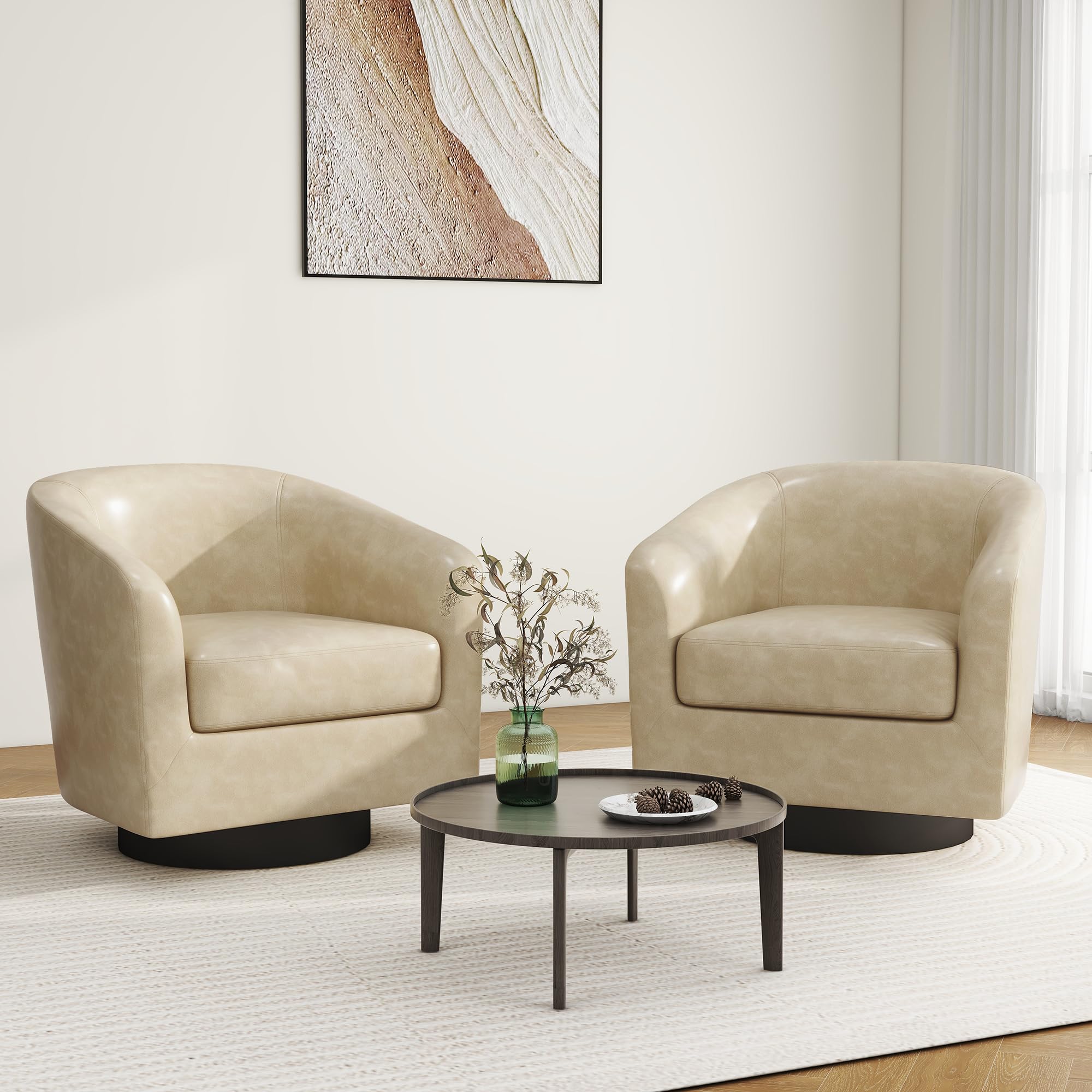


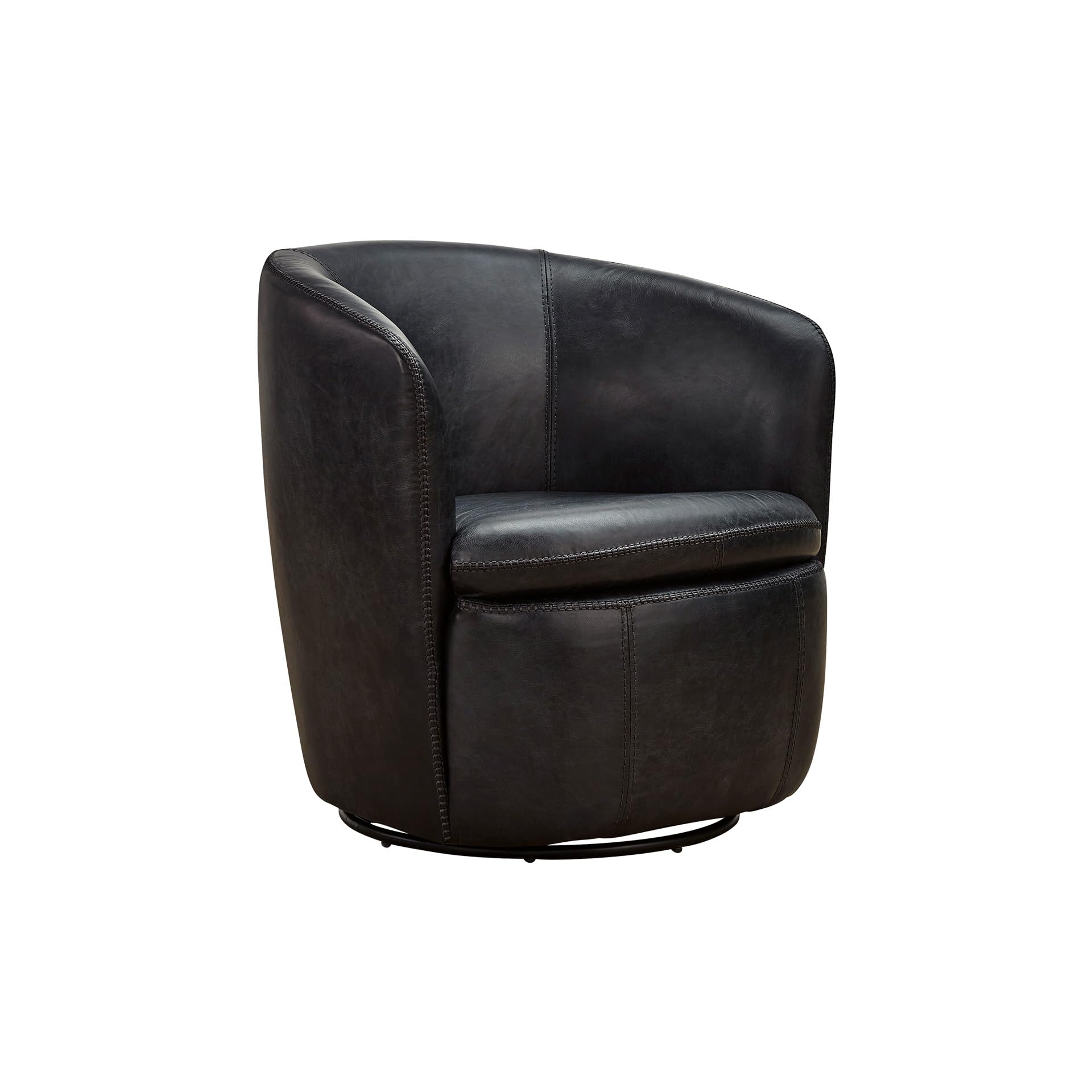
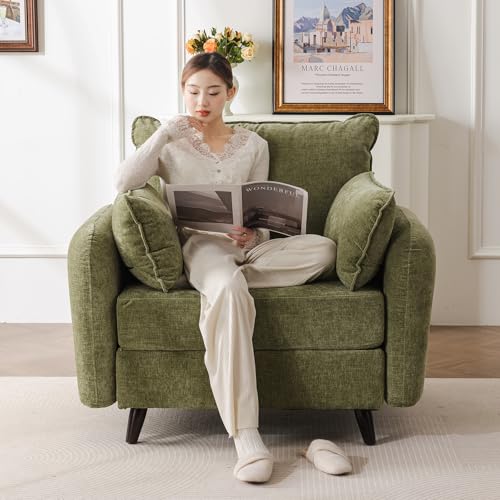


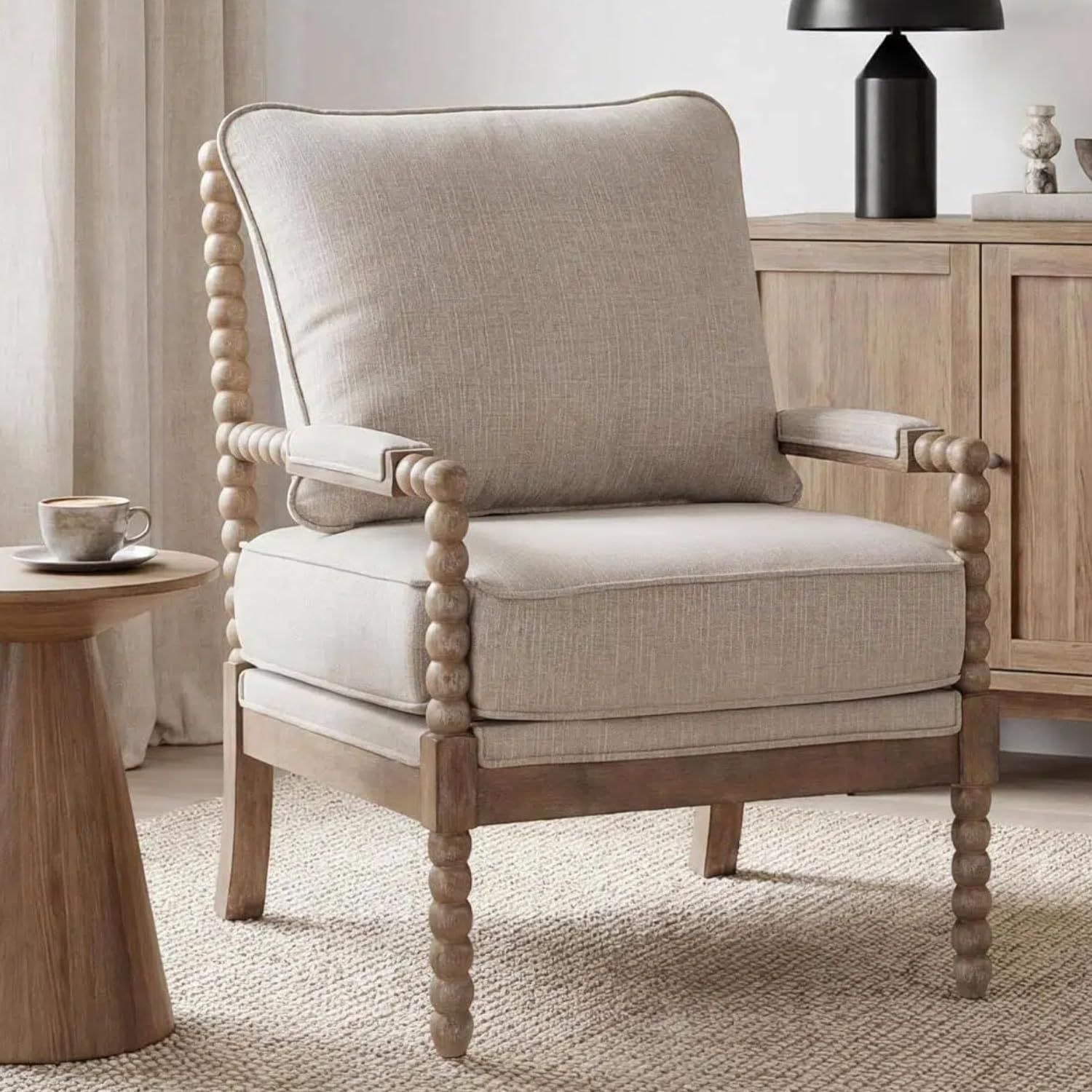

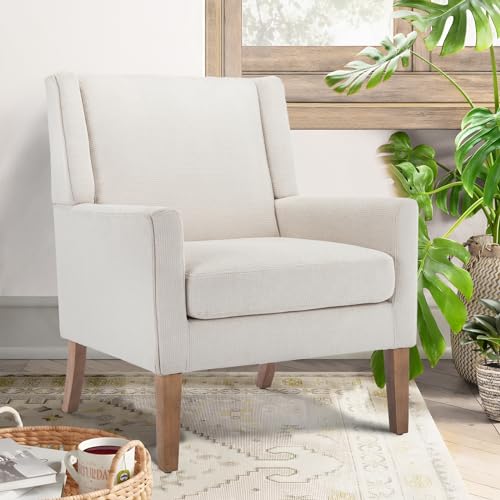
Key Features to Compare on Any Accent Chair
Comfort in an accent chair comes from fit more than from softness alone. A very soft seat can feel great for five minutes and tiring after an evening, while a firmer seat with the right depth and back angle keeps supporting you. Work through the six checks below in order.
Ergonomics and Support
Seat height decides how easily you sit down and stand up, and most adults do well with a seat around 17 to 19 inches from the floor. Seat depth matters just as much, since a seat around 20 to 22 inches deep lets your back reach the backrest while your feet stay flat. Look for gentle lumbar support built into the backrest shape, because an ergonomic curve at the lower back reduces slouching. Armrests should rest your forearms without lifting your shoulders.
Be clear about what an accent chair does not offer. Most models have a fixed back and fixed arms, so features such as tilt lock and adjustable armrests belong to desk chairs rather than lounge seating. If your main need is long work sessions at a desk, see our guide to the best officer chairs and compare it with our guide to the best comfortable office chairs.
Style and Room Fit
Measure your space before you shop, including doorways and the path the chair will take into the room. Leave enough floor around the chair so the corner feels open, and check that the width leaves a clear walkway. Match the chair scale to nearby pieces, since a large wingback can overwhelm a small sofa. If your plan covers a full seating group rather than one corner, see our guide to the best comfortable chairs for broader seating ideas.
Color and pattern carry risk because you will see this chair every day. Neutral fabric pairs easily with cushions and throws you already own, while a bold color works best when the rest of the room stays calm. Studio lighting can make fabric look lighter than it will at home, so value photos taken in real rooms when they are available.
Materials and Upholstery
Upholstery decides both feel and upkeep. Woven fabric breathes well and hides light wear, linen blends feel cool but can wrinkle, and velvet adds depth of color while showing marks where hands rest. Faux leather wipes clean with a damp cloth, which helps in homes with kids or pets, though it can feel warm in summer. A mesh back is rare on accent chairs, so judge lounge chairs by padding and fabric instead.
Under the fabric, ask what fills the seat. High density foam holds its shape and supports your weight without bottoming out against the frame, while loose fiber fill feels plush at first and flattens faster. A blend often works well, with firmer foam in the base and a softer layer on top. If a listing only says sponge or soft fill with no detail, treat that as a gap.
Warranty and Return Policy
You cannot judge long term comfort from a photo, so return terms matter as much as specs. Look for a return window long enough to sit in the chair at home for several evenings, and check who pays for return shipping on a bulky item. Some sellers refuse returns once the legs are attached, so read that condition before assembly. Keep the box until you are sure the chair fits your body and your room.
Warranty coverage tells you what the maker expects to last. A frame warranty of several years signals confidence in the structure, while a short warranty that covers only the fabric leaves the costly parts unprotected. Save your order details, and note whether replacement parts such as legs or cushions can be ordered later, since a replaceable cushion can add years of use.
Build Quality and Frame
The frame carries every load, so look for solid wood or strong engineered wood with reinforced corners rather than thin boards held by staples alone. Check the stated weight capacity and choose a chair rated well above the weight of the heaviest person who will use it, since that margin covers the extra force of sitting down quickly. Legs should feel firmly attached with no wobble. For a deeper look at frame and finish standards, see our guide to the best quality accent chairs.
Small details reveal build quality in photos. Even stitching, fabric pulled smooth without puckers, and cushions that line up evenly all suggest care in assembly. Uneven seams or a seat that tilts to one side in buyer photos point to loose quality control worth avoiding.
Assembly and Delivery
Most accent chairs arrive partly assembled, with legs, arms, or a backrest to attach before use. Listings should state the box size, the weight, and a realistic assembly time, often around 15 to 30 minutes for one person. Clear instructions and labeled parts save frustration, and a second person helps when a backrest needs holding while bolts go in. Check whether the needed tool comes in the box.
Plan for delivery day as well. A large boxed chair may not fit through a narrow stairwell, so compare the box dimensions with your tightest turn before you order. Inspect the fabric and legs as soon as the box opens, and photograph any damage before assembly, because reporting transit damage is far easier within the first days.
Buying Guidance for Different Rooms and Budgets
The right chair depends on where it will live and how you will use it each week. A chair for nightly reading needs deeper support than one that guests use twice a month. Use the groups below to narrow your shortlist of the best comfortable accent chairs for your home, then confirm the details against the product table above.
Reading Corners and Living Rooms
If you read or watch films for an hour or more at a time, put seat depth and back angle first. A slightly reclined back with a supportive seat lets you settle in without sliding forward, and arms at a natural height give your book or remote a place to rest. Add a small side table and a floor lamp to your plan, since a chair that leaves no room for a drink or light will annoy you daily.
Small Rooms and Apartments
Compact space saving models earn their place in apartments, bedrooms, and home offices that double as guest rooms. Look for armless or slim arm designs around 26 to 30 inches wide, with legs that lift the seat so more floor shows and the room feels larger. A lighter chair you can move alone helps when the same corner serves several uses. Avoid deep seats in tight rooms, because you need room to stand up without shuffling forward.
Premium Looks With Real Comfort
Premium executive models in the accent chair world trade on better materials rather than extra features. Expect thicker fabric or genuine leather, denser seat foam, cleaner stitching, and a heavier frame that feels planted when you sit down. Judge the higher price by touch points you use daily, such as the seat, back, and fabric. If you cannot feel a clear gain there, the mid range chair is usually the smarter spend.
If the chair is really for a gaming setup with long sessions in one posture, an accent chair is the wrong tool, so see our guide to the best comfortable chairs for gaming for seating built for that job.
Quick Buyer Checklist
Run through these questions on any chair you are close to buying, using the specs in the product table above. A chair that earns a yes on nearly every line is a safe bet, while two or more no answers mean you should keep looking.
- Does the seat height let your feet rest flat on the floor with your knees near level with your hips?
- Is the seat depth short enough that your back touches the backrest without a large gap behind your knees?
- Does the listing state the foam type or density rather than only calling the seat soft or plush?
- Is the weight capacity clearly listed and comfortably above the weight of regular users?
- Will the chair width fit your space with a clear walkway left on at least one side?
- Can you return the chair after sitting in it at home, and are the return costs clear?
- Does the frame warranty cover several years rather than only a few months?
- Do the care instructions match your household, including kids, pets, and food nearby?
Red Flags to Watch For
Weak listings usually reveal themselves through what they leave out. Treat the signs below as reasons to slow down, ask the seller a question, or move to another chair.
- The listing gives no seat height, seat depth, or weight capacity, so you cannot check the fit before the chair arrives.
- Every photo is a render rather than a real photo, which hides true fabric color, stitching quality, and cushion shape.
- The frame warranty lasts only a few months, which suggests the maker does not expect the structure to hold up for long.
- Buyer comments repeat the same complaint about wobbling legs, split seams, or a seat that sank within weeks.
- The price sits far below similar chairs with no clear reason, which often points to thinner foam and a lighter frame.
One red flag alone may have an innocent explanation, such as a new seller with few photos. Two or three together form a pattern, so choose the chair with clearer specs and fair terms over the one with the boldest claims.
Setup and Care Tips for Your Accent Chair
Place the chair on a level floor and tighten every bolt by hand first, then finish each one in turn so the frame pulls together evenly. Sit in the chair and shift your weight, then check for rocking or creaks and retighten any loose bolt. Add felt pads under the legs to protect wood or tile floors. Keep the chair out of harsh direct sun where you can, since strong light fades most fabrics over time.
Vacuum upholstery weekly with a soft brush tool so grit does not wear the fibers, and blot spills at once rather than rubbing them deeper. Rotate a loose seat cushion every few weeks if the design allows it, so wear spreads evenly. Recheck leg bolts every few months, and follow the care tag under the cushion, since a cleaner that suits woven fabric can mark velvet or faux leather.
Your Questions About Comfortable Accent Chairs, Answered
Is an expensive comfortable accent chair worth the extra cost?
An expensive comfortable accent chair is worth the cost only when the money buys denser foam, a stronger frame, or better fabric that you can verify in the specs. Higher prices sometimes pay only for a trend driven shape or a designer name. Compare foam, frame material, and warranty with a mid range option, and if those three match, the cheaper chair gives the same daily comfort.
What features matter most for long hours in a comfortable accent chair?
For long hours, seat depth and back angle matter most in a comfortable accent chair, because they decide whether your lower back stays supported as you settle. A small lumbar pillow can fine tune fit without replacing the chair, a useful trick the spec sheet never shows. Arm height comes next, since low arms pull your shoulders down. Take a short stand and stretch break each hour, even in a well fitted chair.
How long should a comfortable accent chair last with regular use?
A well built comfortable accent chair should last about seven to ten years with regular use in a typical living room. Chairs in a busy family room may show wear sooner, mainly in the seat foam and fabric. An early sign of decline is needing to shift often to find a firm spot. Replacing or refilling a loose cushion can add years before the frame wears out.
How do I choose the right size comfortable accent chair for my room?
Choose the size of a comfortable accent chair by taping its footprint on your floor before you order, using the listed width and depth. Sit in a dining chair inside that outline to sense how much space the chair will claim. This test reveals tight walkways that measurements alone can miss. Also confirm the back height against window sills or shelves so the silhouette fits the wall.
The Bottom Line
Fit comes first, so let seat height, seat depth, and lumbar support guide your choice before style or price. Confirm the foam, frame, weight capacity, and return terms, then use the checklist to compare your finalists against the product table above. When those basics line up, the best comfortable accent chairs stop being a guess and become a chair you will enjoy every day.


