
Best Compact Recliners 2026: A First Time Buyer's Guide
Disclosure: We may earn a commission when you buy through links on this page, at no extra cost to you. As an Amazon Associate I earn from qualifying purchases. Learn more

Best compact recliners for small rooms: check recline depth, wall clearance, seat fit, upholstery and frame quality before you buy.
Shopping for best compact recliners for the first time can feel confusing, because a recliner that looks small in a photo may still need a lot of room once it leans back. Compact recliners are made for smaller rooms, apartments, and corners where a full size recliner would crowd the space. This guide starts with the basics, explains the terms in plain language, and helps you avoid rookie mistakes, and the comparison table below gives a quick overview before the detail.
A compact recliner is not just a smaller version of a large recliner. The seat, the back, and the footrest all scale down, and the recline motion may work differently to save floor space. That means measuring matters more than with a standard chair, and comfort depends on how the smaller seat fits your body. The sections below walk through size, motion, comfort, materials, and build, so you can buy with confidence on your first try.




The Basics of Choosing the Best Compact Recliners
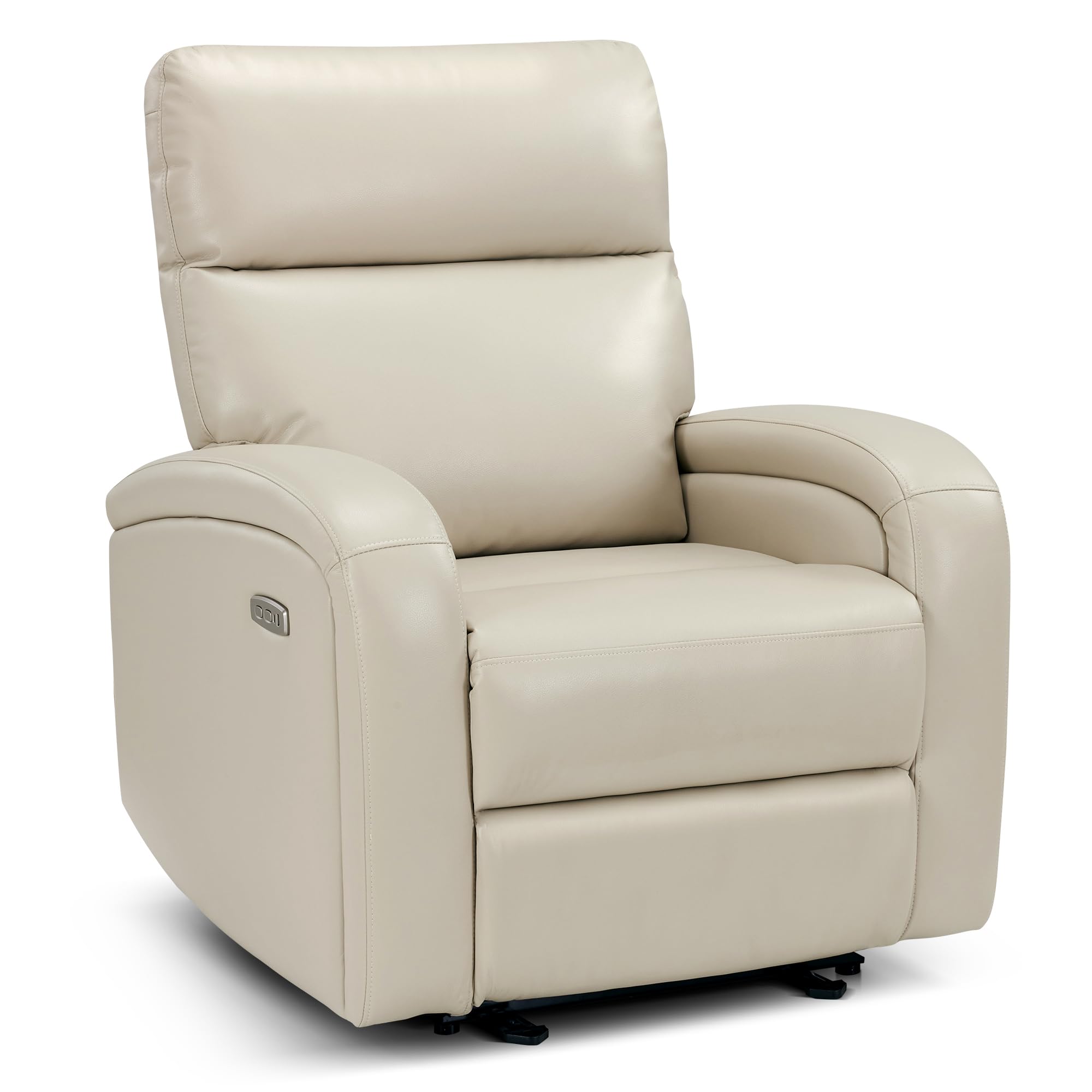
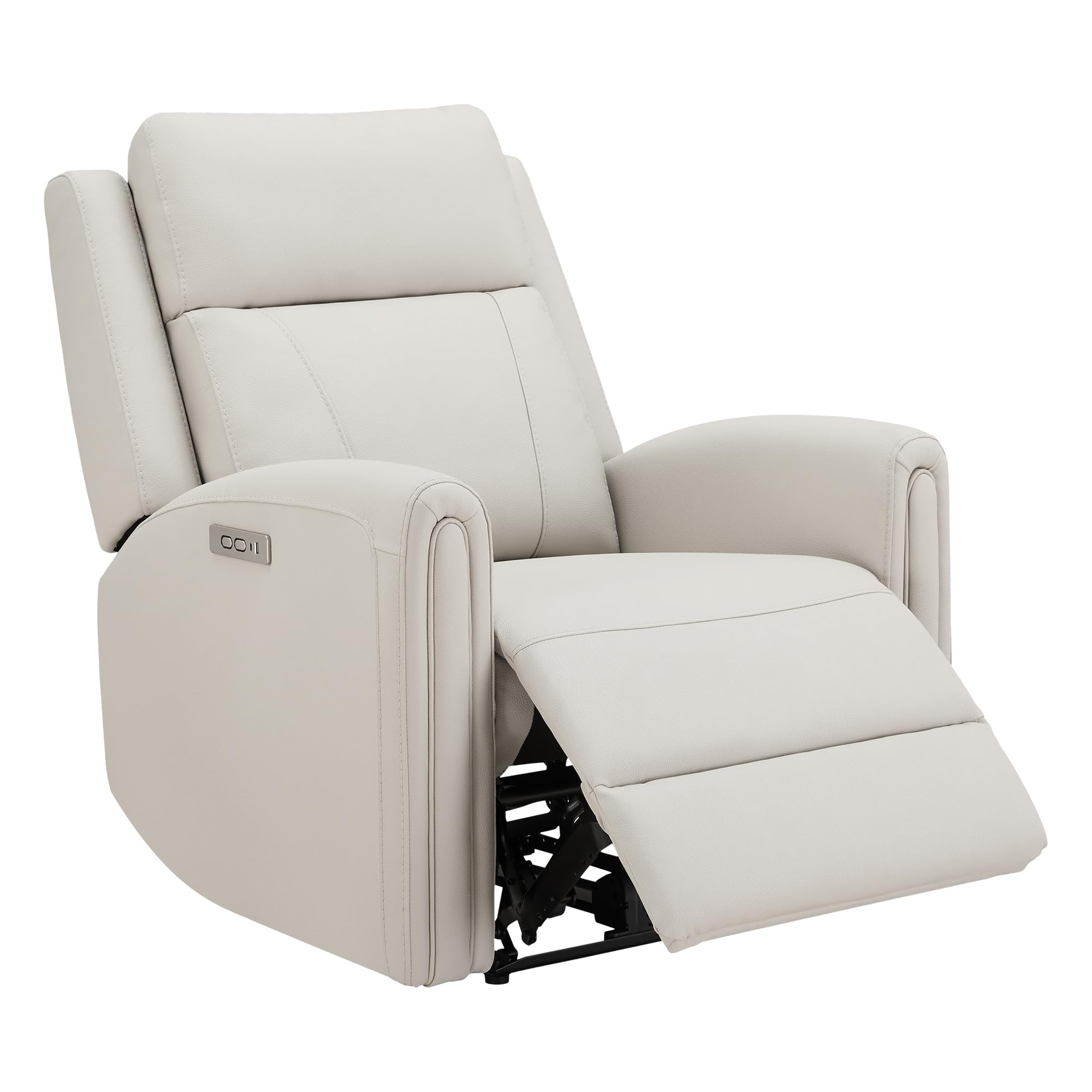
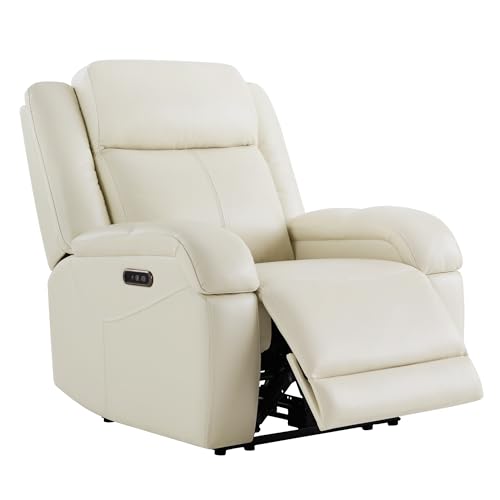
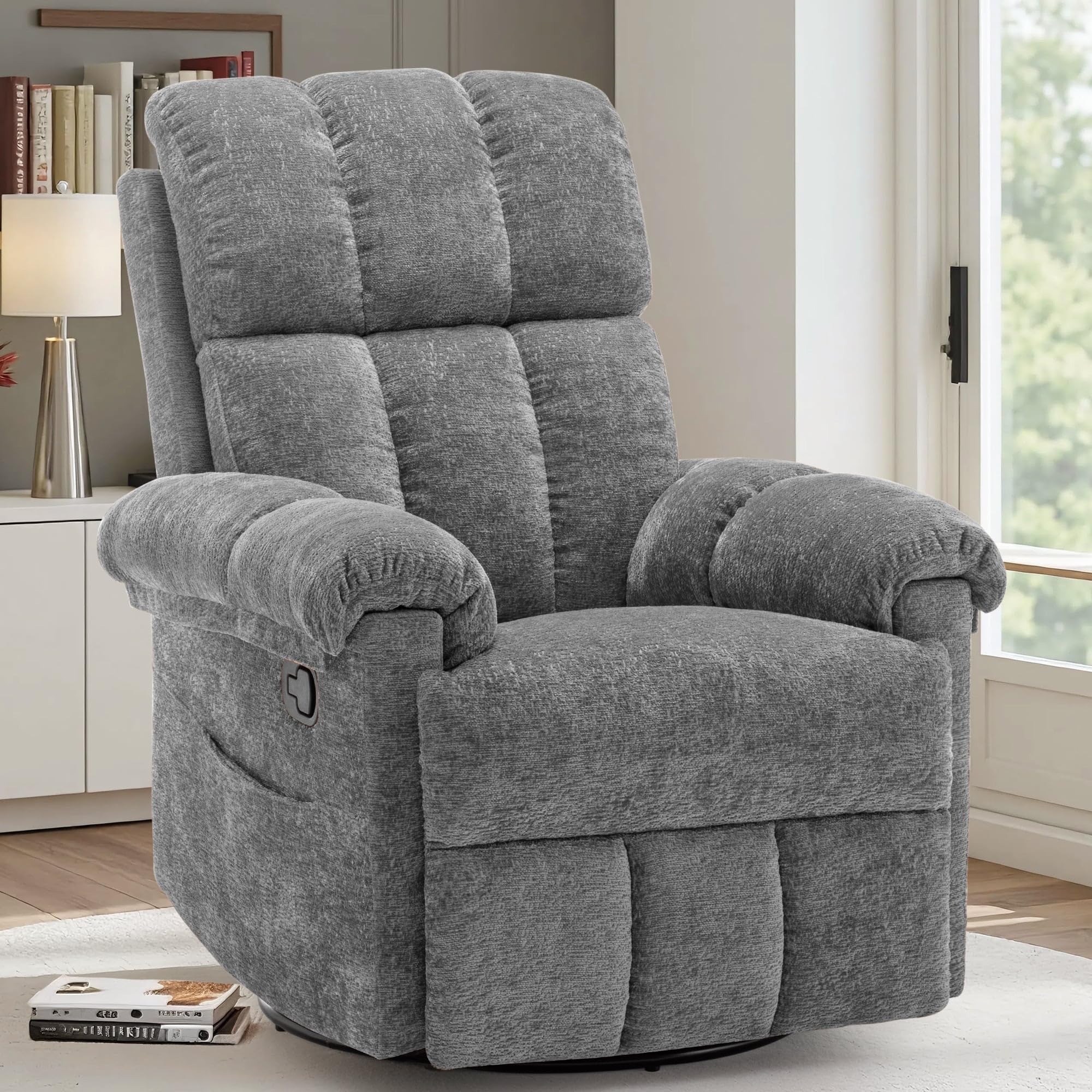
A compact recliner is a lounge chair with a back that tilts and a footrest that lifts, sized for rooms where space is tight. Most compact models have a narrower seat and a shallower depth than full size recliners, which helps them fit beside a sofa or in a bedroom corner. The footrest may fold out from under the seat or swing up as the back tilts, depending on the design. Some models recline with a handle or a lever, while others use body weight and a gentle push.
Two terms matter most for first time buyers. Wall clearance is the gap needed behind the chair so the back can tilt without hitting the wall. Recline depth is the total floor space the chair uses when fully reclined, from the front of the footrest to the back of the chair.
Wall hugger designs need less wall clearance, which suits tight rooms, though they may still need space in front for the footrest. Always check both numbers before buying, and compare them with your room, not just the chair width.
Key Specs Explained in Plain English
Measuring for Size and Portability
Start by measuring the spot where the chair will sit, including width, depth, and the path for delivery. Then add the recline depth and the wall clearance from the maker specs, since those numbers decide whether the chair works in real use. Doorways and hallways matter too, because a compact recliner still needs a clear path into the room. If the chair will move between rooms, check its weight and whether the back removes for carrying.
Seat size matters as much as room size. Sit in the chair if you can, or compare seat width and seat depth with a chair you already find comfortable. A seat that is too narrow squeezes the hips, while a seat that is too deep leaves shorter legs dangling without support.
For a fuller picture of lounge seating, see our guide to the best recliner chairs and compare full size dimensions with compact ones. Compact does not mean cramped, but only a good size match keeps it comfortable.
Ergonomics and Adjustability
Ergonomics in a recliner means how well the chair supports your body in both upright and reclined positions. Look for a back that supports the lower back without pushing your head forward, and a seat that keeps your feet flat on the floor when upright. Some compact recliners offer one recline angle, while others lock at several angles for reading, watching, and resting. More angles suit shared use, since different people prefer different positions.
Adjustability also covers the footrest and the headrest. A footrest should support the legs without pressing hard behind the knees, and a headrest should support the head without forcing the neck forward. If you plan long sitting sessions, check how easy it is to change position, since a stiff mechanism discourages moving. Smooth motion matters for daily use, and a chair that fights you will sit unused.
Materials and Upholstery
Upholstery changes comfort, cleaning, and looks. Fabric feels warm and breathable, which suits long sitting in a heated room. Faux leather wipes clean easily, which suits homes with pets or snacks, though it can feel warm in summer.
Real leather, where offered, ages with use and needs regular care to stay supple. Color and texture should suit the room, but cleaning needs should come first for everyday chairs.
Padding also shapes comfort over time. High density foam holds its shape better than soft, low density padding, which can flatten with daily use. A seat that feels plush in a showroom may sink after months, so ask about foam density and seat construction where the maker shares it.
Removable covers help with washing, while fixed covers need spot cleaning. Pick a material you can realistically care for, not just one that looks good on day one.
Style and Room Fit
Style should help a compact recliner blend into a small room rather than dominate it. Slim arms and a lower back make a chair look smaller, while bulky arms and a tall back make it look larger than its measurements suggest. Neutral colors blend with existing furniture, while a bold color can work as a single accent piece in a plain room. Think about the view from the doorway, since a recliner often faces into the room.
Room fit also includes light and walkways. Leave a clear path around the chair so people can pass without squeezing past the footrest. Check that the chair does not block a vent, a radiator, or a door swing when reclined.
A small side table should sit within reach without crowding the recline space. When the chair fits the flow of the room, it feels like part of the home rather than an obstacle.
Build Quality and Frame
Frame quality decides how long a compact recliner lasts under daily use. A solid wood or metal frame usually outlasts a frame made only from light composite boards. Joints should feel firm, with no wobble when you shift weight or lean on an arm.
The recline mechanism should move smoothly and lock firmly, without grinding or slipping. Weight capacity from the maker gives a useful guide, though it should be treated as a limit, not a target.
Check maker guidance on assembly and care before buying. Some compact recliners arrive mostly assembled, while others need full assembly with tools. Tighten bolts as the maker directs, and recheck them after the first weeks of use, since new joints can settle.
Keep the chair on a level floor, since an uneven floor stresses the mechanism. A well built frame with a smooth mechanism is worth more than extra padding on a weak frame.
Rookie Mistakes to Avoid
- Measuring only the chair width and forgetting recline depth and wall clearance.
- Buying a seat that is too deep or too narrow for the main user.
- Ignoring delivery paths, so the chair cannot fit through a doorway or hallway.
- Choosing upholstery for looks alone, without checking cleaning needs.
- Skipping maker assembly guidance, which can leave bolts loose and joints stressed.
Getting Started: Setup and First Use
Start by clearing the delivery path and the final spot, then check all parts against the maker list before assembly. Follow the maker steps in order, and do not force a joint that does not line up, since forcing can damage the frame. Place the chair on a level floor with the wall clearance the maker states, then try the recline motion slowly before sitting fully back. Check that the footrest locks and releases as intended, and that nothing catches on nearby furniture.
On first use, adjust your sitting position before judging comfort, since a new chair needs a few days to settle. Sit with feet flat on the floor when upright, and check that the footrest supports your legs without pressure behind the knees. Tighten bolts again after a few weeks, as the maker directs, since new assembly can loosen slightly. Keep children and pets clear of the moving mechanism during reclining, and follow maker guidance on stability, especially on smooth floors where a chair may slide.
Frequently Asked Questions
What features matter most for long hours in a compact recliner?
Seat support, back support, and smooth position changes matter most for long hours in a compact recliner. A seat that keeps your feet flat and a back that supports your lower back reduce strain during reading or watching. Several recline angles help, since shifting position through the day is easier than holding one pose. Padding that holds its shape also matters, because flat padding leaves you sitting on the frame after months of use.
Is an expensive compact recliner worth it?
An expensive compact recliner can be worth it when the extra cost buys a stronger frame, smoother motion, and padding that holds its shape. Cheaper chairs can suit light, occasional use, though they may wobble or flatten sooner under daily use. The value depends on how often you sit in the chair and how long you expect it to last. For daily use, frame and mechanism quality usually justify a higher budget more than decorative extras.
How do I choose the right size compact recliner?
Choose by seat fit first, then by room fit, since a chair must suit both your body and your floor space. Compare seat width and depth with a chair you already find comfortable, and check that your feet rest flat when upright. Then measure recline depth and wall clearance against your room, not just the chair width. A compact recliner that fits the room but squeezes the sitter will disappoint, so both checks must pass.
How long should a good compact recliner last?
A good compact recliner used daily should last several years, though the exact span depends on frame quality, use, and care. Chairs with solid frames and firm padding usually outlast chairs with light frames and soft padding. Regular care helps, including tightening bolts as the maker directs and cleaning upholstery before stains set. Heavy daily use, rough handling of the mechanism, and uneven floors can all shorten life, so gentle use pays off.
Can a compact recliner work in a very small room?
Yes, a compact recliner can work in a very small room when you pick a wall hugger design and measure recline depth with care. Wall hugger models need less gap behind the chair, which frees floor space in tight rooms. You still need room in front for the footrest, plus a clear walkway around the chair. Measure the fully reclined footprint on the floor with tape before buying, and the chair will fit the room rather than crowd it.
The Bottom Line
Three checks decide a good first purchase: size fit, recline space, and frame quality. Measure seat size against your body, recline depth and wall clearance against your room, and frame and mechanism against daily use. Upholstery and style matter, but they should follow those three checks rather than lead them. The product table above gives a quick recap, though your measurements should make the final call.
Take your time with the first chair, since a compact recliner should serve daily rest for years. Try the motion slowly, sit upright and reclined, and check the footrest and headrest before deciding. If a chair fails any core check, keep looking rather than hoping you will get used to it. With careful measuring and a focus on build, best compact recliners shopping becomes a confident first buy rather than a gamble.


