
Best Comfy Accent Chairs: What Actually Matters Before You Buy in 2026
Disclosure: We may earn a commission when you buy through links on this page, at no extra cost to you. As an Amazon Associate I earn from qualifying purchases. Learn more

Seat depth, cushion foam, back support, and frame: a buyer checklist for the best comfy accent chairs.
An accent chair earns its place when you choose it for real sitting, not only for looks. The best comfy accent chairs support your back, fit the corner you have in mind, and still look right with the rest of the room. This guide uses a simple checklist, so you can judge the comparison table below by fit and build, not color alone.
Start with how you will actually use the chair. Reading, chatting with guests, and extra seating all ask for different seat depths, arm shapes, and fabrics. The sections below match each use to the size, cushion, and frame choices that serve it best.





Who Should Buy Which Comfy Accent Chair?
Your main use decides which trade offs are worth making. A chair perfect for curling up may be too deep for a guest corner.
Readers Who Sit for an Hour or More
You need a seat deep enough to shift position, a back tall enough to lean into, and arms that let your shoulders relax. Choose firmer foam that holds its shape through a long chapter. Add a small cushion behind your lower back if the seat is deep.
Apartment Dwellers With a Tight Corner
You need comfort that fits a small footprint, so look at compact and space saving models with narrower arms or no arms at all. Measure the corner and the doorway path before you order. A swivel base helps in a tight room, because you can turn toward a conversation without dragging the chair across the floor.
Hosts Who Need Flexible Extra Seating
You need a chair light enough to move, sturdy enough for guests of different sizes, and finished in a fabric that cleans easily. A medium seat height suits most visitors, because very low seats are hard to leave. If your main need is a large recliner instead, see our guide to the best comfy chairs.
Key Features to Compare in Comfy Accent Chairs
When you compare best comfy accent chairs, work through fit first, then cushion feel, then build. A pretty fabric cannot fix a seat that fights your body.
Seat Height, Seat Depth, and Seat Width
Seat height often falls around 16 to 19 inches, and your feet should rest flat with your knees near a right angle. Seat depth around 20 to 23 inches suits most adults, while deeper seats let taller readers stretch out but can leave shorter sitters perched. Width around 20 to 24 inches inside the arms gives room to shift. If two sizes seem close, match the person who will sit most often.
Cushion Foam and Support Feel
The cushion decides whether comfort lasts past the first ten minutes. High density foam holds its shape and supports your weight evenly, while very soft foam feels plush at first and can bottom out under your hips. A layered build, firm foam below and softer padding above, suits most readers. If standing takes effort, the cushion is too soft for daily use.
Back Shape and Lumbar Support
A good back follows the curve of your spine instead of pushing you upright or letting you slump. Look for gentle lumbar support in the lower back area, plus enough height to rest your shoulder blades. Wingback shapes add side support for leaning readers, while low backs suit conversation corners. Ergonomic comfort here comes from shape, not moving parts, so judge the curve rather than a list of adjustments.
Upholstery Fabric and Daily Wear
Fabric changes both feel and upkeep. Woven polyester and performance blends resist stains and suit homes with kids or pets, while cotton and linen feel cooler but show marks sooner. Velvet looks rich, yet it shows pressure marks and needs gentle brushing. Check whether covers come off for washing, and look for a tight weave. Near a sunny window, ask about fade resistance before you pick a dark color.
Frame, Legs, and Weight Capacity
A frame of solid wood or sturdy plywood with joined corners feels steadier than thin board held by a few staples. Legs should sit flat, show no wobble, and carry felt pads on hard floors. Most accent chairs hold about 250 to 300 pounds, so check the stated weight capacity against every regular user. For more detail on build grades, see our guide to the best quality accent chairs.
Comfy Accent Chair Types Compared
Style names describe the shape, and shape drives comfort. Use these three types to narrow your shortlist.
Barrel and Club Chairs for a Wrapped Feel
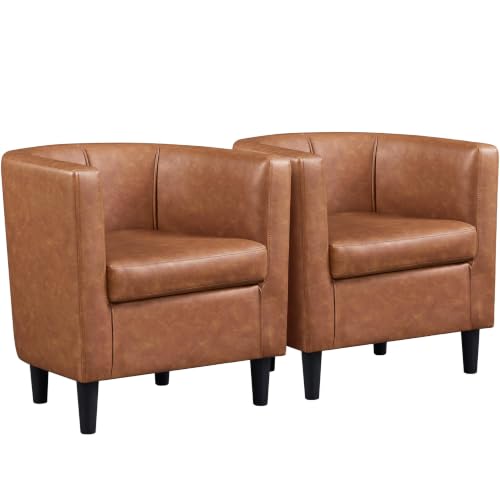
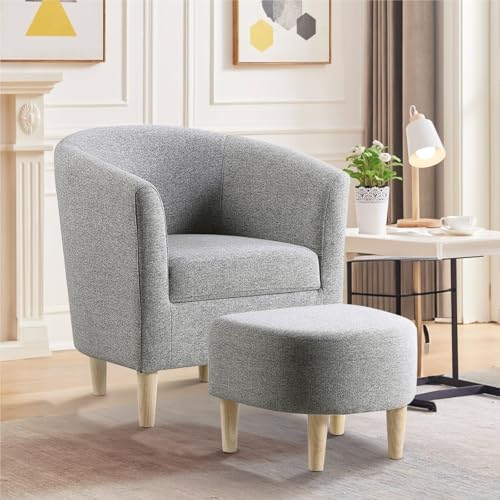
These chairs curve around you, with a rounded back that flows into low arms. The shape feels secure and suits readers who like to tuck their feet up or lean to one side. The trade off is width, because the curved shell takes more floor space than the seat suggests.
Wingback Chairs for Taller Back Support
A wingback gives you a tall back and side wings that shield you from drafts and noise. It suits a quiet reading corner and taller users who want head support. The upright angle is less ideal for lounging, and the formal shape can dominate a small room.
Swivel and Armless Chairs for Flexible Corners
A swivel chair turns toward whoever is speaking, which works well in open rooms where seating faces more than one direction. Armless models slide close to a table and fit narrow gaps, but you lose a place to rest your arms. Choose a swivel with a stable, wide base and smooth motion.
Quick Buyer Checklist for Comfy Accent Chairs
Answer each question before you order. A no answer points to a different model.
- Will your feet reach the floor comfortably once you settle into the cushion?
- Is the seat depth right for the main user, without pressure behind the knees?
- Does the back support your lower back without pushing your shoulders forward?
- Will the full outside width fit your corner with walking room to spare?
- Can the chair pass through your doorway and hallway turns?
- Does the fabric match your household, including pets, kids, and sunlight?
- Is the stated weight capacity above the weight of every regular user?
- Does the return policy let you send the chair back if the fit feels wrong?
Common Mistakes to Avoid With Comfy Accent Chairs
- Buying by color alone leaves you with a chair that matches the rug but hurts your back within twenty minutes.
- Choosing a seat that is too deep forces shorter sitters to perch on the edge and lose back support.
- Ignoring the full outside width means arms and wings may block a walkway or crowd the sofa.
- Skipping the weight capacity risks a frame that flexes, creaks, and wears out far sooner than it should.
- Trusting vague fabric claims can leave you with upholstery you cannot clean after the first spill.
- Ordering without checking return terms can strand you with shipping costs on a bulky piece of furniture.
How to Make Your Comfy Accent Chair Last Longer
Vacuum the upholstery weekly with a soft brush tool, working into the seam where the seat meets the back, because grit there wears fabric from the inside. Blot spills at once with a clean cloth and mild cleaner suited to your fabric, trying any cleaner on a hidden spot first. Rotate loose cushions every few weeks if the design allows it, so one area does not compress faster than the rest.
Check the legs every few months and tighten any fastener that has worked loose, because a small wobble grows into frame strain over time. Keep felt pads under the legs and replace them when they thin out. Lift the chair by the frame rather than dragging it, since dragging can bend a leg.
FAQs About Comfy Accent Chairs
Is an expensive comfy accent chair worth paying more for?
An expensive comfy accent chair is worth it only when the extra money buys a stronger frame, denser foam, and better fabric. Those parts decide how the chair feels after years of daily sits. A higher price for color alone adds little comfort. Around $150 to $300 covers many sturdy budget models, while about $300 to $600 often brings thicker upholstery and solid wood frames.
How do I choose the right size comfy accent chair for my body and room?
Choose the size by sitting measurements first and room measurements second. Your thighs should lie flat, your feet should touch the floor, and a small gap should remain behind your knees. Then mark the chair footprint on your floor with tape for a day. That test reveals blocked paths that a tape measure alone can miss.
What features matter most in a comfy accent chair for long reading sessions?
For long reading, arm height matters more than most buyers expect. Arms set around 24 to 27 inches from the floor can hold a book at a height that keeps your neck relaxed. A slight recline in the back angle also helps, because an upright back tires your shoulders.
Can a comfy accent chair replace an office chair for desk work?
A comfy accent chair can cover short desk sessions, but it rarely suits a full workday. It has no height adjustment, so your screen may sit at the wrong level, and the deep seat can pull you away from the desk. If desk work is your main use, see our guide to the best comfy office chairs.
How long should a good comfy accent chair last with daily use?
A good comfy accent chair should last about seven to ten years with daily use. The cushion usually softens first, so a model with a replaceable seat cushion can gain extra years from one simple swap. Frames fail sooner when joints were glued without screws or brackets. Ask how the corners are joined, because that predicts frame life better than the fabric name does.
Final Thoughts
Put fit first, then cushion support, then frame and fabric. Match the type to your main use, run the checklist, and let looks settle the choice between chairs that already fit well. Use the product table above to confirm size, capacity, and price before you order.
When you shop for best comfy accent chairs with those points in order, you end up with a seat people actually choose, not a decoration they walk past. That is the real test of an accent chair.


