
Best Comfortable Lounge Chairs: Everything to Know Before Your First Purchase in 2026
Disclosure: We may earn a commission when you buy through links on this page, at no extra cost to you. As an Amazon Associate I earn from qualifying purchases. Learn more
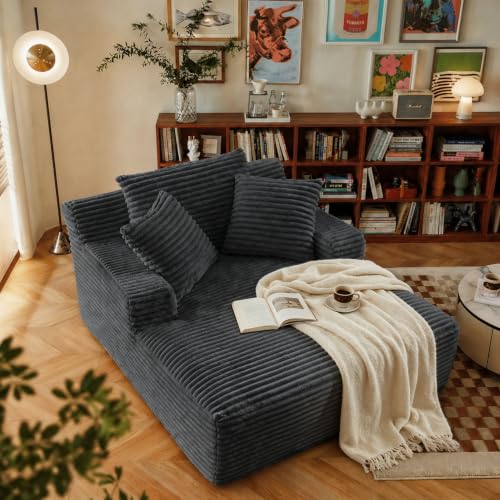
Shopping for the best comfortable lounge chairs for the first time? Learn the terms, compare options, and avoid rookie mistakes with this easy guide.
Buying your first lounge chair can feel confusing because comfort is hard to judge from a photo. The best comfortable lounge chairs share a few clear traits: a seat that supports your thighs without pressing behind your knees, a backrest that lets your shoulders relax, and cushioning that still feels supportive after an hour.
You only need to know which measurements fit your body, which materials suit your room, and how much space a reclined chair really takes. Start with your body and your floor plan, then use the comparison table below to match chairs to those needs.

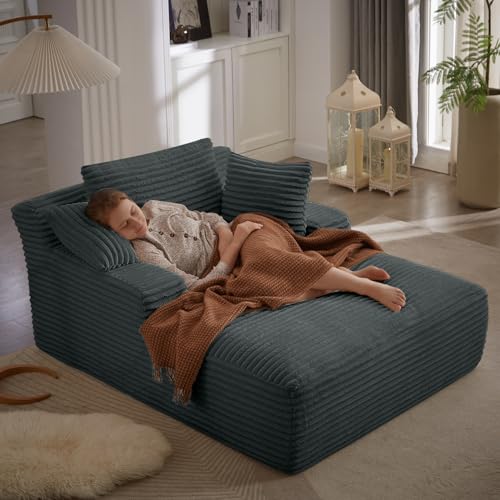
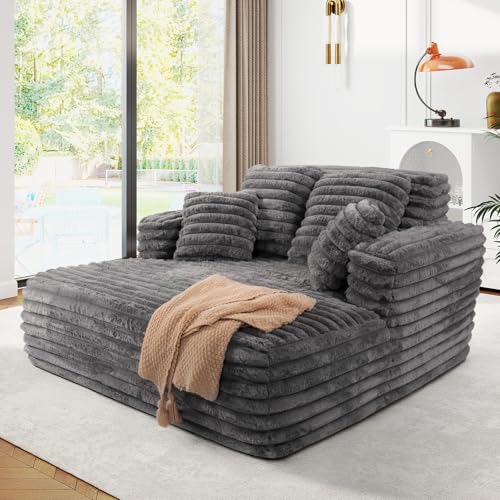
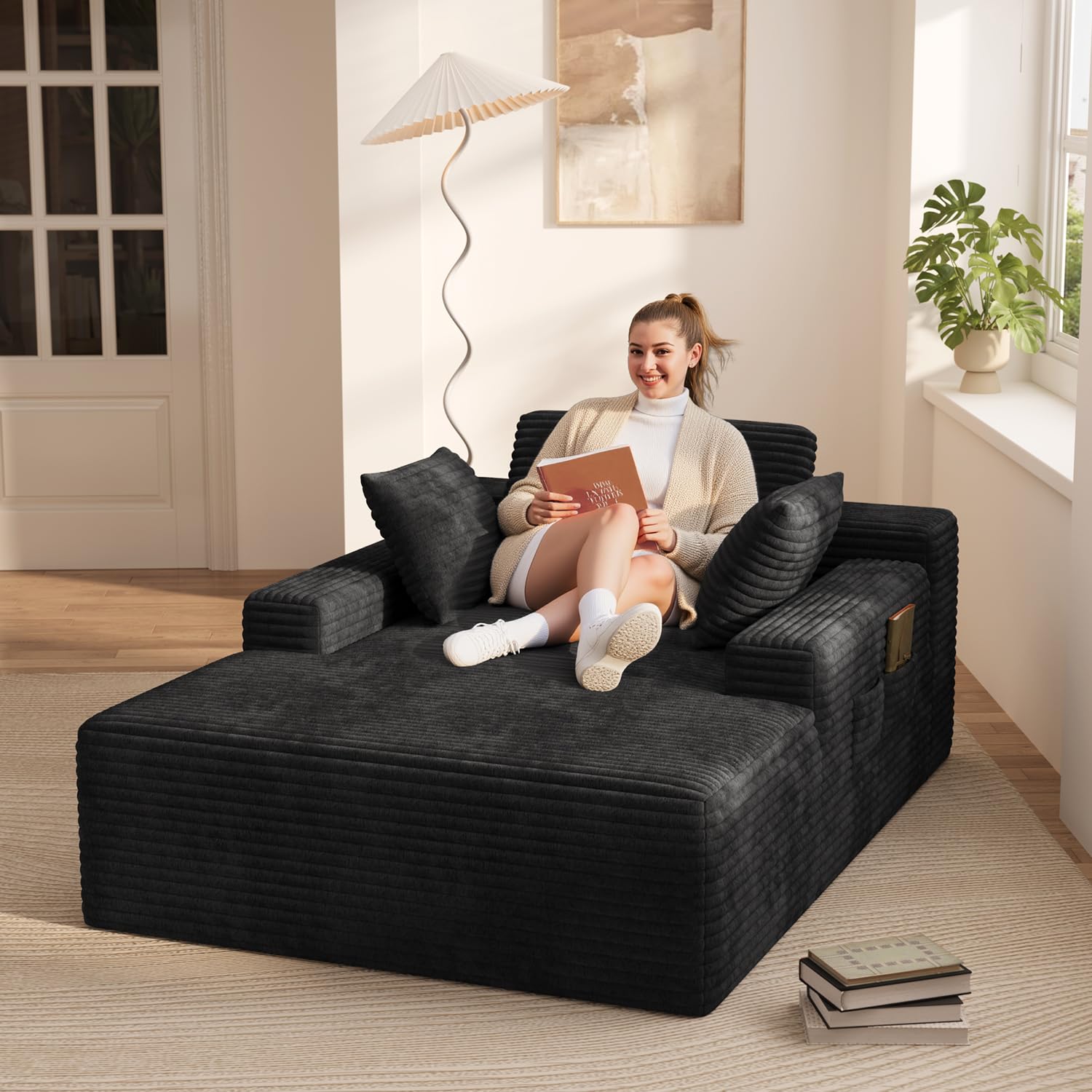
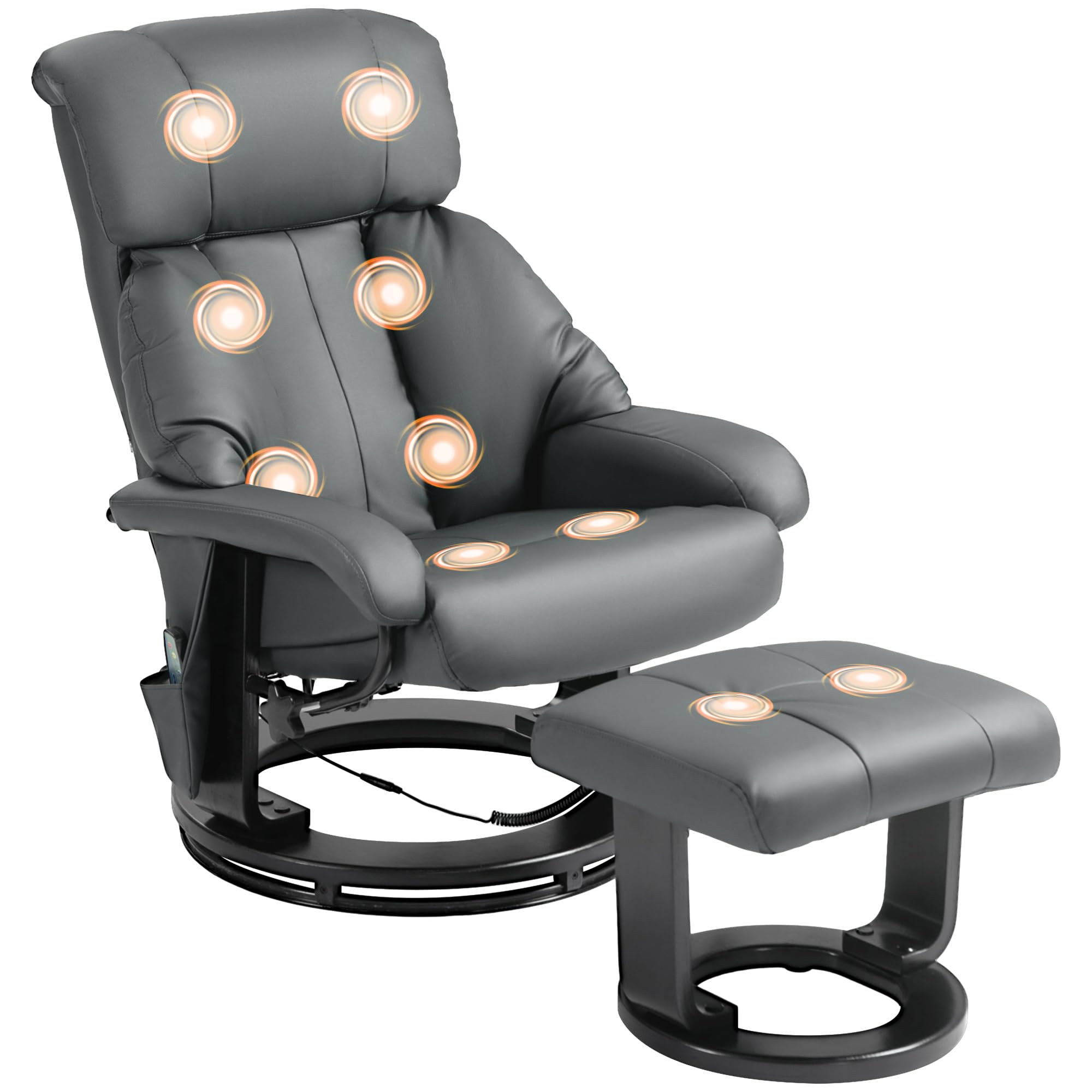
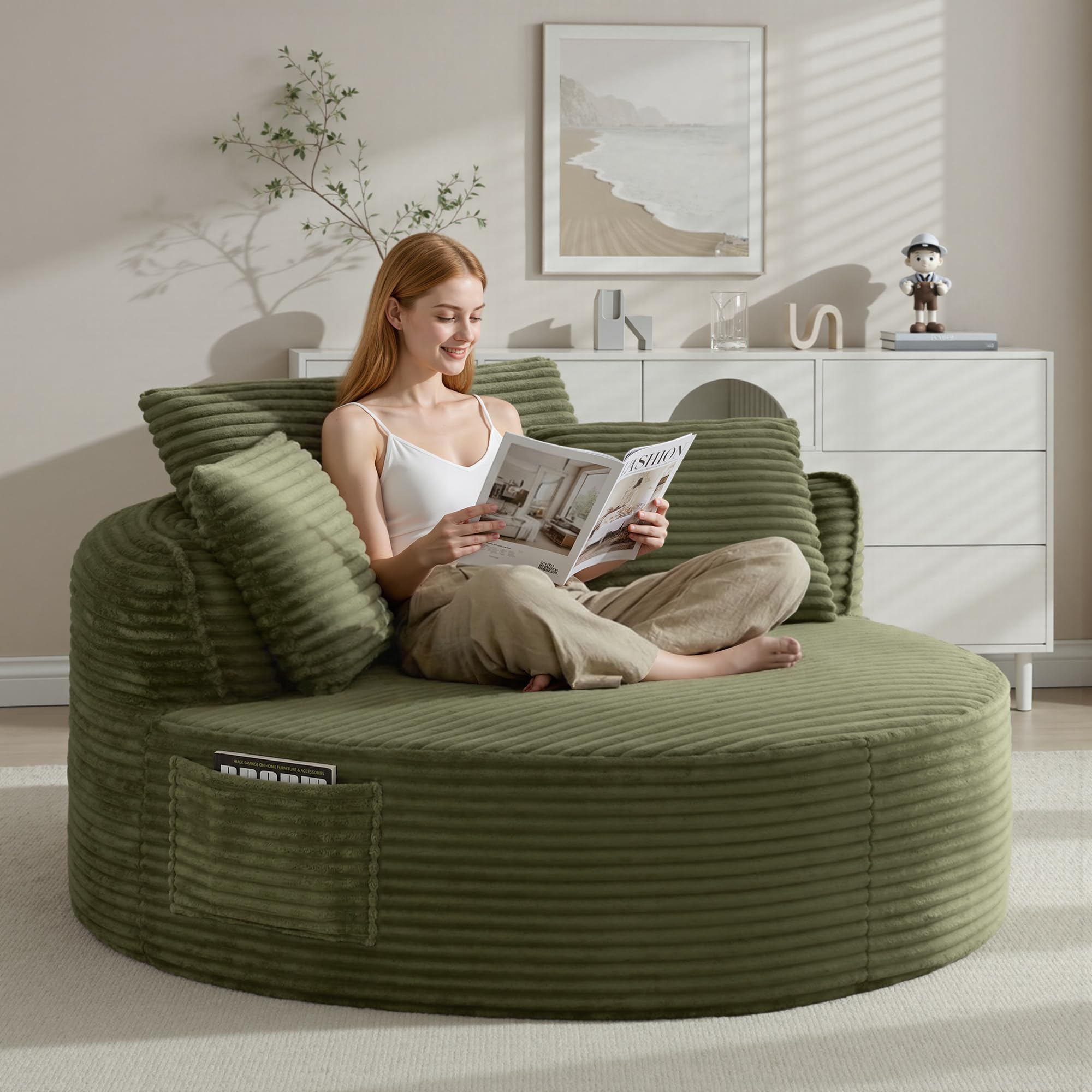
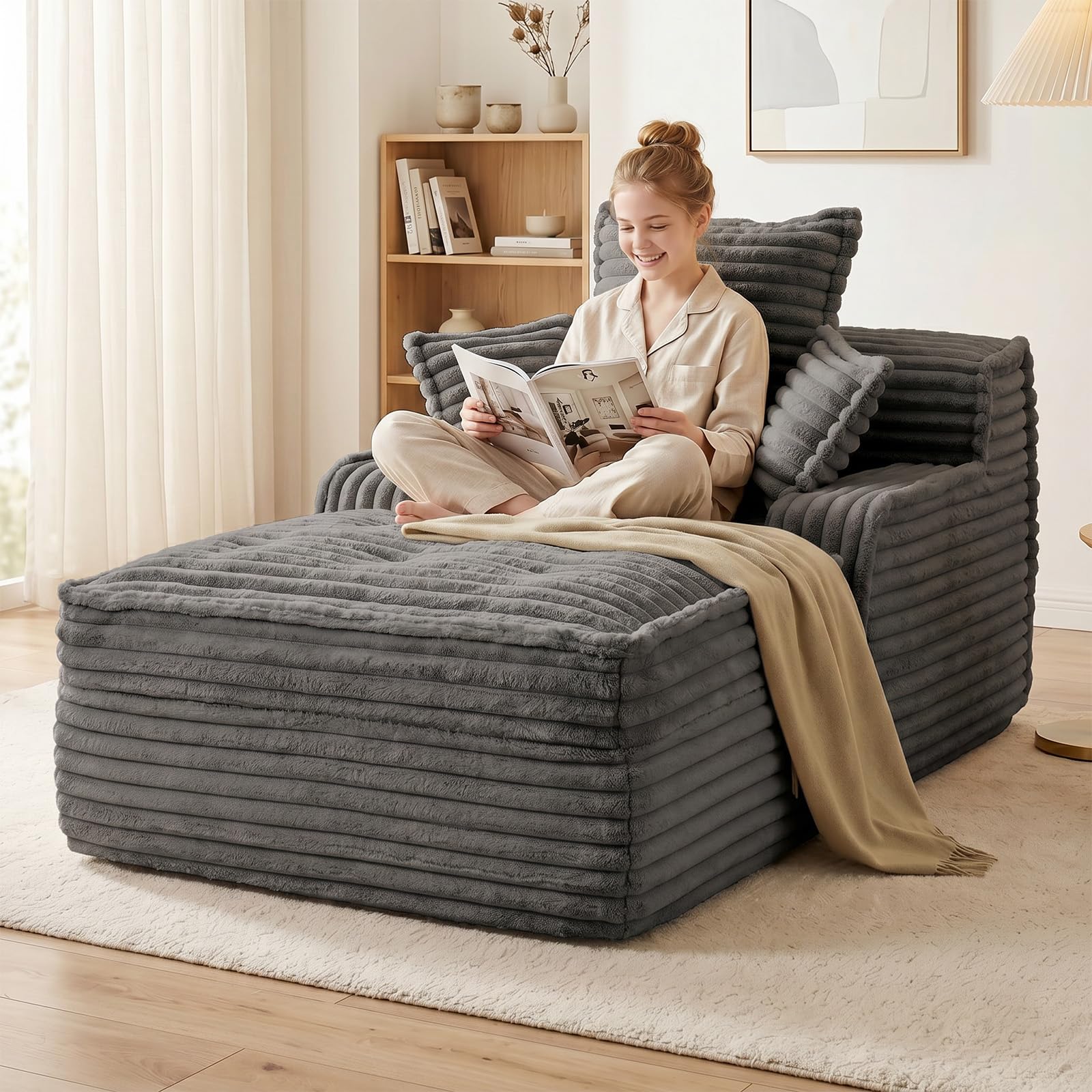
Comfortable Lounge Chairs 101: The Basics for First Time Buyers
A lounge chair is a low, deep seat built for relaxed sitting rather than upright work or dining. The seat tilts slightly back, the backrest is taller and more angled than a dining chair, and many designs add a matching ottoman or a built in footrest. Your weight should spread across the seat and back instead of resting on a few pressure points.
Styles range from compact accent chairs for a reading corner to wide recliners that lean far back for naps. For a broader look at the category first, see our guide to the best lounge chairs.
Who Should Buy a Comfortable Lounge Chair?
Readers Who Sit for Long, Quiet Stretches
If you read for an hour or more at a time, you need steady support more than soft sink. Look for a tall backrest, a head area that meets the back of your head, and armrests that let your elbows rest while you hold a book. A seat that flattens quickly will leave you shifting position all evening.
Apartment Dwellers With One Small Seating Corner
In a small living room, a lounge chair has to earn its place beside a sofa. Choose a compact frame with a narrower footprint, and check the full reclined depth if the chair leans back, because that number is larger than the upright depth on the listing. A swivel base also helps, since you can turn toward a window without dragging the chair.
Anyone Who Wants a Nap Friendly Seat Outside the Bedroom
If you plan to doze in your chair, recline angle and foot support matter most. A recliner with a rising footrest, or a fixed chair paired with an ottoman at a similar height, keeps your legs level instead of dangling. Wider seats also suit nappers, because you can shift slightly without meeting a hard frame edge.
Key Features to Compare
Cushioning and Foam Density in a Comfortable Lounge Chair
Cushioning decides whether a chair stays comfortable past the first few minutes. High density foam holds its shape and supports your weight evenly, while very soft, low density foam feels lovely at first and then compresses until you sense the frame beneath you. A layered build often works best: a firmer base for support with a softer top layer for surface comfort. Press a showroom cushion with your palm; it should push back steadily rather than collapse.
Seat Size, Depth, and Fit for Your Height
Seat fit is the most personal part of the choice. When you sit back fully, you want a gap of about two to three inches between the seat edge and the back of your knees, with your feet flat on the floor. A seat that is too deep forces you to slouch or perch, and one that is too high leaves your legs dangling. Compare the listed seat height and depth against a chair you already find comfortable at home.
Back Support, Lumbar Shape, and Recline Angle
A supportive backrest follows the natural curve of your lower back instead of running flat or pushing hard into one spot. Gentle lumbar support fills the small curve above your belt line, so your back muscles can relax instead of holding you upright. A modest recline suits reading and conversation, while a deeper recline shifts weight off your spine and suits resting. If sitting brings numbness, sharp pain, or back pain that keeps returning, stop and talk with a clinician about your personal needs before buying.
Armrests and Head Support on a Lounge Chair
Armrests should meet your forearms when your shoulders are relaxed, not lift your shoulders up or sit so low that you lean sideways to reach them. Padded tops feel better during long sessions and give your arms more than one resting position. The top of the backrest should reach at least the middle of your head if you like to lean back fully. On recliners, check that the head area stays supportive once the back leans, because some designs leave a gap behind your neck when reclined.
Upholstery Materials for Comfort and Daily Care
Upholstery changes both comfort and upkeep. Woven fabric feels warm, breathes well, and hides light wear, which suits reading chairs used every day. Smooth leather and faux leather wipe clean quickly and suit homes with pets or spills. Velvet looks rich but shows pressure marks and needs gentler cleaning. Look for a cover described as stain resistant if the chair will sit near drinks, and check whether cushion covers remove for washing.
Frame Build and Weight Capacity of a Lounge Chair
The frame carries everything above it, so build quality shows up as stability rather than looks. Solid wood and reinforced hardwood frames tend to feel steady and resist wobbling, while thin, light frames can flex when you shift your weight. Choose a chair with a stated weight capacity comfortably above the weight of the heaviest person who will use it. Corner blocks and screws generally hold up better than staples alone.
Getting Started: Placing, Assembling, and Settling Into Your Lounge Chair
Before the chair arrives, measure the doorway, hallway turns, and the spot where it will sit, including space behind it for recline. Many lounge chairs ship with the backrest detached, which makes them easier to carry through doors. This is where most first time buyers go wrong when shopping for the best comfortable lounge chairs, because listings show upright dimensions only.
Assembly is usually simple: attach the backrest, legs or base, and any separate cushions, tightening every bolt by hand first before finishing with the tool provided. Recheck and snug the bolts after the first week of use, because new joints often settle slightly. If your chair will sit outside on a deck or patio, compare dedicated designs instead and see our guide to the best outdoor lounge chairs for weather ready materials.
Common Mistakes to Avoid
- Choosing by looks alone, because a beautiful chair with the wrong seat depth will tire your back within half an hour.
- Skipping room measurements, because a recliner that fits upright may strike the wall when fully leaned back.
- Picking the softest cushion in the store, because very soft foam compresses fast and leaves you sitting on the frame.
- Ignoring weight capacity, because a frame used near its limit flexes more and wears out sooner.
- Forgetting about delivery access, because a wide one piece chair may not turn through a narrow hallway or stairwell.
- Placing a fabric chair in harsh direct sun, because strong sunlight fades upholstery and dries out leather over time.
Care and Maintenance for a Comfortable Lounge Chair
Vacuum fabric upholstery with a soft brush attachment about once a week to lift dust before it settles into the weave, and blot spills at once instead of rubbing, because rubbing spreads the stain and roughens the fibers. Rotate and flip loose cushions every few weeks so the side you favor does not compress faster than the other.
For leather and faux leather, wipe with a slightly damp cloth and use a suitable conditioner a few times a year to keep the surface supple. Keep all lounge chairs away from heat vents, which dry out foam and coverings. If you are comparing lounge seating with more upright everyday seats, see our guide to the best comfortable chairs for the differences in posture and use. Tighten leg and base bolts about twice a year.
Frequently Asked Questions
What features matter most in a comfortable lounge chair for long reading sessions?
For long reading, seat depth and armrest height matter most, because they decide whether your back and shoulders can stay relaxed. Choose a seat that leaves a small gap behind your knees and armrests that support your elbows at book height. A small side table within easy reach also helps, since repeated twisting for a drink quietly undoes good posture over an evening.
How long should a good comfortable lounge chair last with daily use?
A well built lounge chair should last about seven to ten years with daily use, and often longer with lighter use. The cushion usually softens before the frame wears out, so chairs with replaceable cushions age more gracefully. You can stretch the lifespan by keeping the chair out of strong sun, because ultraviolet light and heat break down foam and fabric faster than sitting does.
How do I choose the right size comfortable lounge chair for my height?
Start with a chair you already own, measure its seat height and depth, and compare those two numbers with every listing. As a rough guide, seat heights around 16 to 19 inches suit most adults, while shorter readers often prefer the lower end. If you shop in a store, sit for at least ten minutes rather than ten seconds, because a seat that is slightly too deep only reveals itself once you stand up several times.
Is an expensive comfortable lounge chair worth it for a first time buyer?
It can be, but only when the extra money buys a stronger frame, denser foam, or better upholstery rather than decoration. Budget models around $150 to $300 can serve a guest room well, while daily readers usually feel the difference in chairs at about $300 to $700. If your budget is tight, spend on the chair you will use daily and save on the ottoman.
Final Thoughts
For a first purchase, keep your decision simple: measure your body and your room, choose cushioning that supports instead of swallows you, and pick a frame rated well above your weight. Match the style to how you actually sit, from reading upright to napping on a Sunday afternoon. When those basics line up, the best comfortable lounge chairs stop being a guess, so revisit the product table above and pick the design that fits your measurements best.


