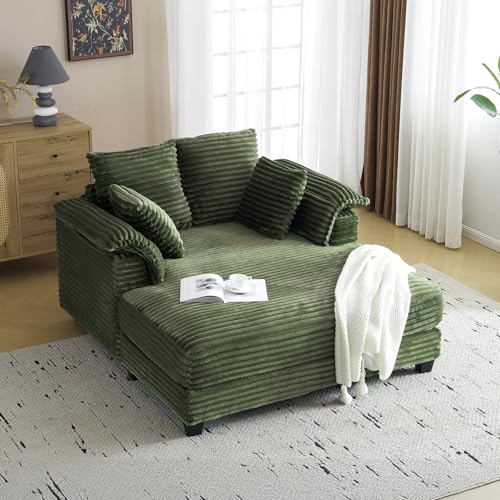
Best Comfy Reading Chairs: A Buyer Checklist for 2026
Disclosure: We may earn a commission when you buy through links on this page, at no extra cost to you. As an Amazon Associate I earn from qualifying purchases. Learn more

Seat depth, lumbar support, and cushioning: a buyer checklist for the best comfy reading chairs.
A reading chair earns its place in your home one long chapter at a time. The best comfy reading chairs share a few traits you can check before you order: a seat that fits your legs, support that holds your lower back, and cushioning that still feels kind after an hour. This guide turns those traits into a simple checklist you can run against any listing.
Start with the comparison table below to see how current chairs line up on size, materials, and price, then work through the sections that follow to learn what each spec means for your body and your room. By the end, you will know which questions to ask, which numbers matter, and which warning signs should send you back to the search results.


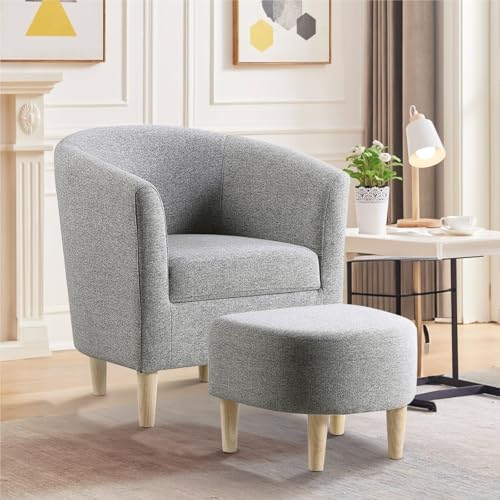

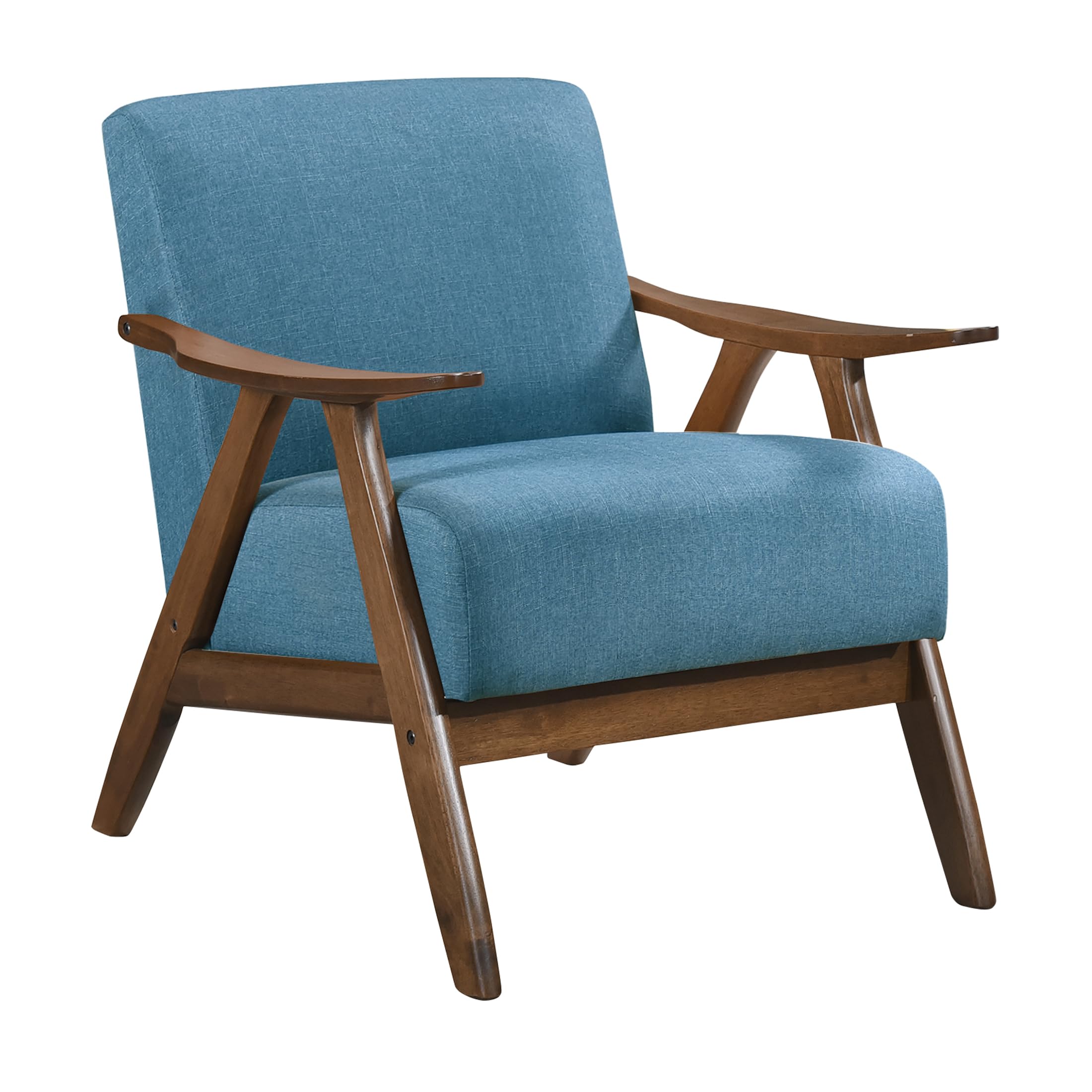

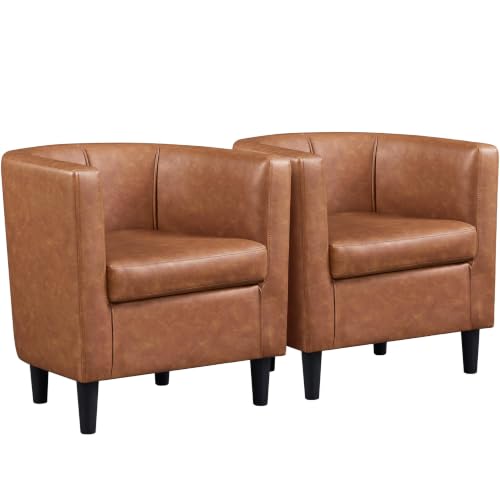
A Buyer Checklist for Comparing Comfy Reading Chairs
Think of this section as a scorecard you can reuse for every chair you consider. Each part below names one thing to check, explains what good and poor versions look like, and tells you why it changes a long reading session. Score the chairs in the product table above against all six parts and weak options usually reveal themselves fast.
Ergonomics and Adjustability
Good ergonomic fit starts with seat height. Your feet should rest flat on the floor with your knees level with or slightly below your hips, which for most adults means a seat height of about 16 to 20 inches. Lumbar support should meet the inward curve of your lower back rather than pushing at your belt line or floating behind you.
Adjustable armrests earn their keep while you read, because they hold your elbows at a height that lets your shoulders stay down while you hold a book or tablet. A tilt lock is worth having if you like a slight recline, since it holds the angle you choose instead of letting the backrest drift as you shift your weight.
Comfort and Cushioning
Cushion comfort comes mostly from foam quality. High density foam keeps its shape under your weight, so you stay supported instead of slowly sinking until you feel the frame beneath you. A cushion that feels plush for the first minute but bottoms out after twenty minutes will cut every reading session short.
Look at cushion thickness as well as firmness, and favor a seat that feels medium firm with a softer top layer. The front edge matters too. A gently rounded front edge avoids pressing into the backs of your thighs, which helps your legs stay relaxed when your feet are up or flat for a long stretch.
Build Quality and Frame
The frame decides how many years the chair stays solid. Hardwood, sturdy engineered wood, and metal frames all hold up well when the joints are tight and the legs or base stand flat without rocking. Check the stated weight capacity and choose a chair rated comfortably above your own weight, with margin for a child climbing up beside you or a heavy stack of books on your lap.
Small details hint at honest construction. Listings that name the frame material and show the underside of the seat are easier to trust than listings with only styled photos. A chair that creaks and wobbles in the first month rarely gets better with time, so build quality belongs high on your checklist.
Style and Room Fit
A reading chair needs more room than its footprint suggests. Measure the space where it will live, then add clearance behind it if it reclines and space at the side for a small table and a lamp. Swivel models need a clear circle around the base so the chair can turn without knocking into shelves or walls.
Scale matters for comfort as much as for looks. A wide, deep chair can swallow a smaller room and still leave a shorter reader without back support, while a slim chair in a big open room can feel lost and offer little room to curl up. Match the chair width to your body first, then pick colors and fabrics that suit the room.
Assembly and Delivery
Most reading chairs arrive in one large box with the legs, back, and arms packed separately. Before you order, check the box dimensions against your doorways, hallway turns, and stairs, because a chair that cannot reach its room is a problem no checklist can fix. Note whether the listing states a clear assembly time and whether tools are included.
Assembly itself is usually simple: attach the legs or base, join the back to the seat, and add the arms if they ship separately. Keep the box and padding until you have sat in the finished chair and confirmed every part is sound, since returns are far easier with the original packaging on hand.
Materials and Upholstery
Upholstery changes both comfort and upkeep. Fabric feels warm and grips slightly, which helps you stay in place when you recline. A mesh back breathes well and suits warm rooms, though mesh appears more often on desk style reading chairs than on lounge styles.
Faux leather and other smooth finishes wipe clean in seconds, a real plus in homes with kids or pets, but they can feel warm against your skin during summer reading. Whatever finish you choose, check whether the covers come off for washing and whether the listing names the material plainly instead of hiding behind vague words like premium blend.
Matching a Chair to Your Reading Habits
The checklist tells you what a sound chair looks like on paper, but your habits decide which points deserve the most weight. The three reader types below cover most homes. If your chair will also serve as your main seat for guests and television, see our guide to the best comfy chairs for broader living room seating ideas.
Readers Who Sit for Hours at a Time
If you read in long stretches, put lumbar support, arm support, and foam quality at the top of your list, because small annoyances grow into aches over a full afternoon. A chair with a higher back and a headrest also helps when you lean back between chapters. If much of your reading happens at a desk between tasks, compare the support notes here with our guide to the best officer chairs, since long sitting support matters in both spots.
Small Rooms and Cozy Reading Nooks
A tight corner calls for a chair with a modest footprint, slim arms or no arms, and a seat depth that still leaves a gap behind your knees. Swivel bases help in nooks because you can turn toward the light or the bookshelf without dragging the chair across the floor. For corner specific sizing and layout ideas, see our guide to the best reading nook chairs.
Loungers Who Read Reclined
If you read stretched out, look for a backrest that reclines smoothly, a seat deep enough for crossed legs, and a plan for your feet, whether that is a built in recliner footrest or a separate ottoman. Our guide to the best lounge chairs for reading focuses on this laid back style if that is your main way of reading.
Readers who split their time between books and games often land on similar reclining designs with a tilt lock and a tall back. If that crossover sounds like you, our guide to the best comfy gaming chairs covers seats built for long sessions in a reclined posture.
Quick Buyer Checklist
Run through these questions for every chair on your shortlist, including the ones in the product table above. They apply to any of the best comfy reading chairs you are weighing, whatever the style or price. A chair that earns a yes on nearly all of them is a strong candidate, and any no deserves a closer look before you order.
- Does the seat height let your feet rest flat on the floor?
- Does the seat depth leave a small gap behind your knees when your back touches the backrest?
- Does the lumbar support meet the curve of your lower back?
- Is the stated weight capacity comfortably above your weight?
- Does the foam sound firm and thick enough to avoid bottoming out?
- Will the chair fit through your doors and into its spot with room to recline or swivel?
- Can you clean the upholstery in a way that suits your household?
- Is the warranty at least one year, with clear terms?
Red Flags to Watch For
Weak listings usually give themselves away if you know where to look. Treat the signs below as reasons to slow down, ask questions, or move on to another chair.
- The listing praises soft foam but never states thickness or density, so you cannot judge whether the seat will bottom out within months.
- No weight capacity is published anywhere, which often means the frame was never rated to a clear standard.
- The dimensions change between the title, the photos, and the spec list, so the chair that arrives may not match the one you measured for.
- Every photo hides the back and underside of the chair, leaving the frame and leg attachments impossible to judge.
- The warranty lasts only a few months or excludes the frame, so the maker takes little responsibility if joints loosen.
Tips to Get the Most From Your Comfy Reading Chair
Once your chair is in place, a few habits keep it comfortable for years. Set the seat position so your feet rest flat and your shoulders can drop, then place your lamp so light falls over your shoulder onto the page rather than into your eyes. A small table within easy reach saves you from twisting to set down a drink or your glasses.
Care stays simple if you keep it regular. Vacuum fabric upholstery every week or two to lift dust and grit out of the weave, and wipe smooth finishes with a damp cloth before marks set in. Tighten the leg and arm bolts every few months, since small shifts in weight slowly work them loose, and rotate or flip any loose seat cushion so it wears evenly on both sides.
FAQs
How long should a comfy reading chair last?
A well built comfy reading chair should last about seven to ten years of regular use. The seat foam usually shows age first, flattening at the front edge where your weight shifts as you sit down and stand up. Daily readers wear that spot faster than weekend readers, so how often you read matters as much as how the chair was made.
How do I choose the right size comfy reading chair?
Start with your own measurements: seat height near your lower leg length, seat width with a few inches to spare past your hips, and depth that supports your thighs without pressing behind your knees. Then measure the delivery path through doors and hall turns, not only the final spot, and leave room beside the chair for a lamp and a small table.
Is an expensive comfy reading chair worth the money?
An expensive comfy reading chair is worth it when the price buys denser foam, a stronger frame, and better upholstery rather than decoration alone. Premium and executive models often add those upgrades, while plenty of budget models get the comfort basics right. A simple test is cost per year: a chair that costs more but lasts twice as long usually wins.
Which features matter most for long reading sessions in a comfy reading chair?
Lumbar support, seat depth, and arm support matter most for long reading sessions, because together they decide your posture for hours at a time. A headrest joins that list if you read reclined. One point readers often miss is light: even a perfect chair feels tiring under poor lighting, so pair your seat with a lamp you can aim at the page.
Final Thoughts
Comfort in a reading chair is not a mystery. It comes from a seat that fits your body, support that holds your back without effort, foam that keeps its shape, and a frame you can trust. Score every candidate against the checklist, use the comparison table above to compare the finalists side by side, and the best comfy reading chairs for your home will be the ones still inviting you back for one more chapter years from now.