
Best Comfy Blankets: Which Type Is Right for You in 2026
Disclosure: We may earn a commission when you buy through links on this page, at no extra cost to you. As an Amazon Associate I earn from qualifying purchases. Learn more
Compare fleece, cotton, down, wool, and weighted types to find the best comfy blankets for your home.
A truly comfy blanket is the one you reach for without thinking, whether for a sofa evening or a cold bedroom night. The best comfy blankets question depends on warmth, weight, fabric feel, and how easy the blanket is to wash. The comparison table below previews the main blanket types, and this guide explains which one suits your home.
This guide compares down, cotton, fleece, and weighted blankets, covers size and care, and helps you avoid blankets that look cozy in photos but disappoint in daily use. No product rankings appear here, only the material and buying logic that leads to a blanket you actually love.

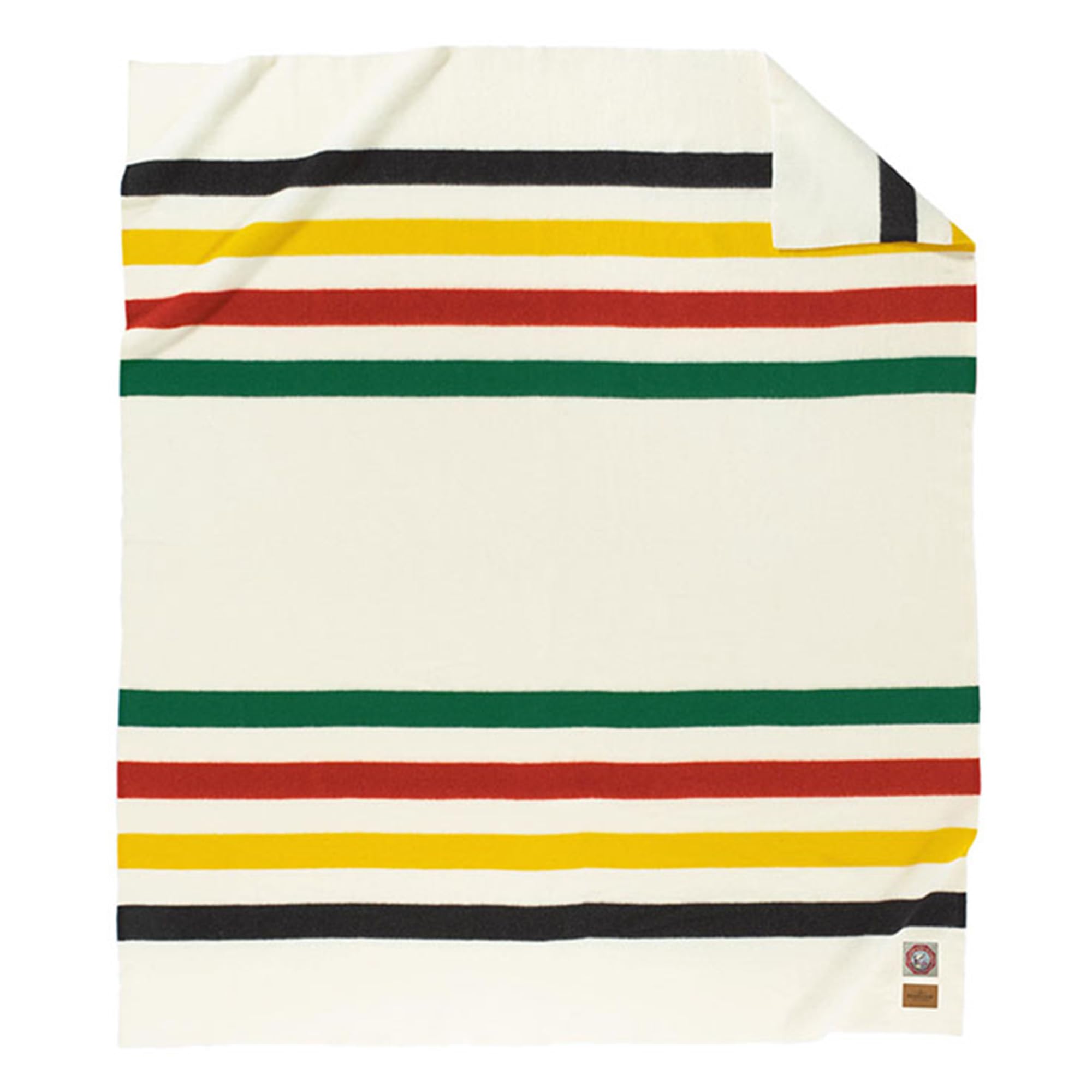
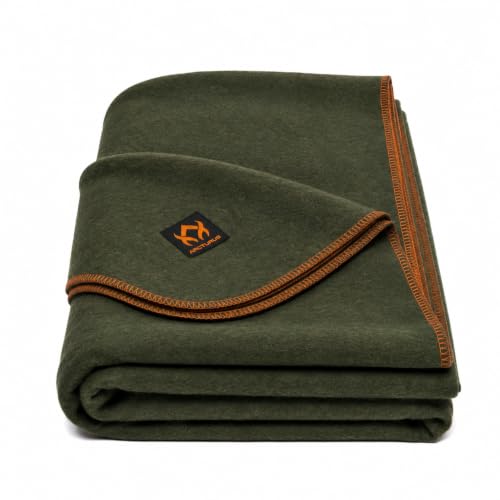


Types of Comfy Blankets Compared
| Type | Best For | Typical Price |
| Fleece throw | Sofa evenings | About $25 to $70 |
| Cotton blanket | Year round layering | About $40 to $120 |
| Down and down alternative | Warm bedrooms | About $80 to $250 |
| Weighted blanket | Calming pressure | About $60 to $180 |
| Wool blanket | Cold rooms | About $70 to $200 |
Down and Down Alternative
Down blankets use soft plumage that traps air for excellent warmth with little weight. They feel cloudlike and drape beautifully, but they need careful washing and can trigger allergies. Down alternative fills mimic that loft with synthetic fibers, wash more easily, and suit allergy prone households.
Check fill power for down, which signals loft, and fill weight for warmth. A high fill power with a modest weight suits most bedrooms, while a heavier fill suits very cold rooms. Down alternative blankets vary widely, so check whether the fill stays evenly distributed after washing.
Cotton and Linen
Cotton blankets breathe well and suit year round use, layering easily over sheets in summer and under a duvet in winter. Percale cotton feels crisp, while sateen cotton feels smooth and slightly lustrous. Linen breathes even better and softens with every wash, though it costs more and wrinkles readily.
Cotton blankets wash easily and dry quickly, which matters for households with pets or children. Choose a weave that matches your warmth need: a loose knit for summer, a denser weave for cooler nights. Prewashed cotton shrinks less, so check care labels for shrinkage notes.
Fleece, Wool, and Weighted Styles
Fleece blankets are soft, light, and easy to wash, making them ideal sofa throws. They trap warmth well but can feel clammy in humid rooms. Wool blankets offer the warmest natural insulation and regulate temperature well, though some wool feels scratchy and needs gentler washing.
Weighted blankets use glass beads or pellets to add gentle pressure, which many people find calming. Choose a weight around 10 percent of your body weight, and avoid weighted blankets for young children or anyone who cannot move the blanket easily. Check that the weight is evenly quilted so beads do not pool at one end.
How to Choose the Right Comfy Blanket
Warmth, Weight, and Breathability
Warmth depends on fill, weave, and weight together, not on thickness alone. A thin wool blanket can outwarm a thick fleece throw, because wool insulates better per ounce. Breathability matters for sleep: a blanket that traps sweat will wake you even if it feels warm at first.
Judge warmth by considering your room temperature and whether you sleep warm or cool. Warm sleepers do better with cotton or linen, while cool sleepers benefit from down or wool. Layering two lighter blankets often beats one heavy blanket, since you can adjust through the night.
Size and Drape
A sofa throw should cover you from shoulders to feet with a little extra to tuck. A bed blanket should drape over the sides without pulling tight when you move. Measure your bed and your sofa before ordering, since blanket sizes vary by brand more than mattress sizes do.
Drape affects comfort as much as warmth. A stiff blanket feels like a board, while a supple blanket settles around your body. Heavier fabrics drape better, while very light synthetics can feel floaty and slip off. If you toss and turn, choose a blanket with enough weight to stay in place.
Durability and Care
Care decides whether a blanket stays comfy or becomes a chore. Machine washable blankets suit busy households, pets, and children. Down and wool need gentler cycles or professional cleaning, which adds cost and effort over the blanket life.
Check for pilling, shedding, and edge stitching before buying. A blanket that pills heavily will look worn within months, while loose edge stitching unravels with washing. Read care labels carefully, and wash new blankets once before first use to remove factory finishes.
Related blanket guides help you compare nearby styles. Articles about best comfy throw blankets focus on sofa sizes, while best comfy couch blankets, best quality blankets, best heated blanket, and best throws and blankets cover couch use, quality markers, heated options, and the broader category.
Layering Blankets for Changing Seasons
Layering beats owning a separate blanket for every temperature. A light cotton blanket plus a fleece throw covers most of the year: use the cotton layer alone in summer, add the fleece in autumn, and add a duvet on the coldest nights. Layering lets you adjust through the night without waking fully, simply pushing one layer aside when you warm up.
Layer order matters. Put the breathable layer closest to your body, since it wicks moisture and prevents clamminess. Put the insulating layer on top, since it traps warm air most effectively there. A weighted blanket, if you use one, should sit on top of other layers rather than underneath, so its pressure distributes evenly across the bed.
Storage between seasons protects blankets too. Wash and fully dry blankets before storing, and use breathable cotton bags rather than sealed plastic, which traps moisture and odors. Cedar blocks deter moths for wool blankets without the smell of mothballs. A blanket stored clean and dry emerges fresh next season, while one stored damp emerges musty and harder to revive.
One last consideration is household members with different warmth needs. Couples often disagree on blanket weight, and the simple solution is two separate lighter blankets instead of one shared heavy one. Each person adjusts their own layer through the night without disturbing the other. This Scandinavian style approach ends most blanket tug of war debates and improves sleep for both partners.
Frequently Asked Questions
What is the warmest blanket material?
Wool is generally the warmest natural material per weight, followed closely by down. Wool regulates temperature well and stays warm even when slightly damp. Down offers similar warmth with less weight but needs careful washing. For the warmest easy care option, a thick synthetic down alternative or a heavy fleece works well in most homes.
Are weighted blankets safe for everyone?
Weighted blankets suit most adults, but they are not for young children or anyone who cannot move the blanket off themselves easily. People with breathing difficulties, sleep apnea, or circulation problems should talk with a clinician before using one. Choose a weight near 10 percent of body weight, and stop using it if sleep worsens.
How do I wash a down blanket?
Wash down blankets on a gentle cycle with a mild detergent, then dry thoroughly on low heat with dryer balls to restore loft. Damp down clumps and loses warmth, so drying matters more than washing. Use a duvet cover to reduce washing frequency. If the care label says dry clean only, follow it to protect the fill.
What size blanket should I buy for a sofa?
A throw of about 50 by 60 inches suits most sofas and single users. Couples sharing a sofa throw may prefer 60 by 70 inches for full coverage. Measure your sofa depth and your height to confirm, since a throw that is too short leaves feet cold. A slightly oversized throw drapes better than one that barely covers you.
Why does my blanket pill or shed?
Pilling comes from short fibers rubbing together, which is common in cheaper fleece and synthetic blends. Shedding is worst in the first few washes and usually settles. Wash blankets inside out on a gentle cycle and avoid high heat drying to reduce both problems. A fabric shaver removes pills without damaging the blanket surface.
What blanket is best for hot sleepers?
Hot sleepers do best with breathable cotton, linen, or bamboo blankets in a light weave. These fabrics wick moisture and allow airflow, preventing the clammy wakeups that heavier blankets cause. Avoid thick fleece and heavy down in warm rooms. A light cotton blanket alone, or layered with a thin linen throw, keeps most hot sleepers comfortable through summer nights.
Final Thoughts
The comfiest blanket is the one that matches your warmth, your washing habits, and your room. Fleece suits sofa evenings, cotton suits year round layering, down suits cold bedrooms, and weighted styles suit calm sleep. Review the product table above, and your best comfy blankets choice will be one you reach for every single day.


