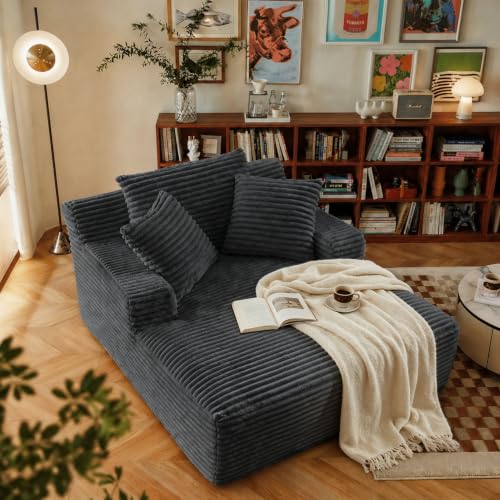
Best Comfortable Sofas 2026: Buying Guide
Disclosure: We may earn a commission when you buy through links on this page, at no extra cost to you. As an Amazon Associate I earn from qualifying purchases. Learn more

Compare comfortable sofas by seat depth, cushion fill, frame and fabric, then choose a sofa that supports relaxed sitting for family living for years.
The best comfortable sofas invite you to sit, read, watch films and rest without back strain or sliding forward. The comparison table below shows the main sofa types side by side so you can compare seat depth, cushion fill and frame quality.
Before you choose, think about your room size, how many people sit together, and whether you lounge, sit upright or nap on the sofa. A deep lounge sofa suits relaxed evenings, while a firmer, shallower sofa suits upright sitting and smaller rooms.


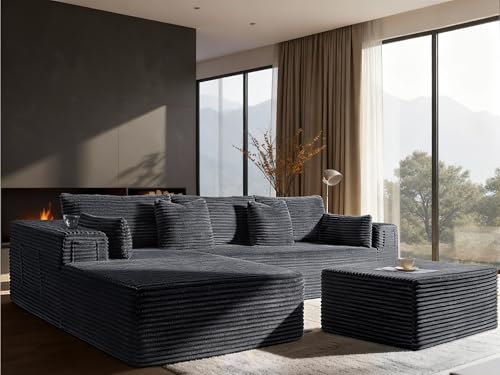
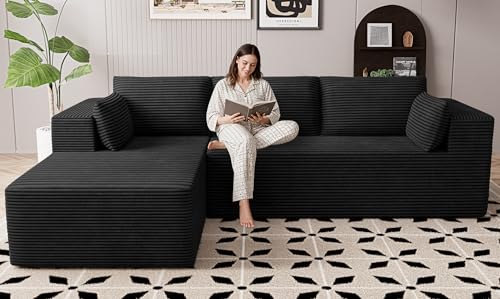


Who Should Buy This Style
Comfortable sofas suit living rooms, family rooms and apartments where people gather daily. They also suit readers, film fans and families who want a sofa that handles everyday use without losing shape quickly.
They suit less well in very small rooms where a loveseat or a chair pair fits better, or in formal rooms where upright seating matters more than lounging. In those cases, a firmer, more upright sofa may suit better.
Key Features to Compare
Seat Depth and Height
Seat depth decides whether you sit upright or lounge back, and it should match your leg length. A depth of about 21 to 23 inches suits most adults for sitting, while deeper seats suit lounging. Seat height should let your feet rest flat on the floor without pressure behind your knees.
Cushion Fill and Support
Foam cushions offer firm, even support and keep shape well, while feather blends feel softer but need regular plumping. A foam core wrapped in fibre balances support and softness. Check cushion density as a guide, and sit for several minutes before you judge.
Frame and Suspension
A kiln dried hardwood frame lasts longer than a softwood or particle frame, and it resists warping. Sinuous springs or webbing support the seat, while eight way hand tied springs offer premium support. Lift a corner to check for wobble, which can signal a weak frame.
Fabric and Cleaning
Fabric should match your household, including pets, children and sunlight. Tightly woven fabrics resist wear, while removable covers ease washing. Leather ages well and wipes clean, but it feels cold in winter and warm in summer. Check cleaning codes before you buy.
Types Compared
Standard Three Seat Sofas
Three seat sofas suit most living rooms and balance seating with floor space. They offer a classic look and fit families and couples well. They need a wall length of about 84 inches or more, so measure before you order.
Sectional Sofas
Sectionals offer corner seating and lounge space for larger rooms and families. They suit open plan living and film nights, but they dominate small rooms. Measure the full layout, including chaise length, before you commit.
Sleeper and Bed Sofas
Sleeper sofas add a guest bed for occasional visitors, which suits small homes without a guest room. They weigh more and may feel firmer than a standard sofa, because the mechanism sits inside. Test the bed and the seat before you buy.
Budget and Value
Budget comfortable sofas usually cost about $500 to $1,000 and cover basic foam sofas well. Mid range sofas at about $1,000 to $2,500 offer better frames, denser cushions and more durable fabric. Premium sofas above that range focus on hardwood frames, premium suspension and refined upholstery.
Pay for frame and cushion quality first, because those decide comfort and life span. A mid range sofa with a hardwood frame and dense cushions often outlasts a cheap sofa that sags within a year. Add delivery and old sofa removal costs to the total price.
Setup, Care and Everyday Use
Rotate and plump cushions regularly, keep the sofa away from direct sunlight and radiators, and clean spills promptly as the fabric code directs. Vacuum weekly, check legs and joints each year, and avoid sitting on armrests, which can weaken the frame over time.
If back pain worsens after sitting, check seat height, lumbar support and sitting posture before blaming the sofa alone. Persistent back pain deserves a clinician visit, because sofa advice here is general. Use cushions and lumbar support to adjust sitting position.
Related Guides Worth Reading
If your room or household points to a different shape, compare best comfortable sectional sofas for larger rooms, best bed sofas if guests stay over, and best couches and sofas for the wider range of styles.
Common Mistakes to Avoid
One common mistake is buying a sofa without measuring doorways, stairs and the final room, which leads to a delivery that cannot fit inside. Another mistake is judging comfort after sitting for only a minute in the shop, when a sofa needs several minutes in your usual posture. Sit, lounge and lie as you would at home, and bring room measurements.
Do not place a sofa hard against a radiator or in strong direct sunlight, because heat and sun fade fabric and dry leather. Leave a small gap for airflow, use curtains or blinds in bright rooms, and rotate cushions so wear spreads evenly.
Long Term Value
Long term value comes from a hardwood frame and dense cushions that resist sagging. A mid range sofa with a strong frame often costs less over ten years than a cheap sofa replaced twice. Ask about frame material, cushion density and warranty before you buy.
Choose a fabric that suits your household, not just the showroom, because pets, children and sunlight change how fabric ages. A tightly woven, cleanable fabric often beats a delicate showpiece fabric for family living.
Frequently Asked Questions
How deep should a comfortable sofa be?
Seat depth should let you sit with your back against the backrest and your feet flat on the floor, or lounge with a cushion behind you. A depth of about 21 to 23 inches suits upright sitting, while 24 inches or more suits lounging. Test depth with your usual sitting posture.
Foam or feather sofa cushions: which is better?
Foam cushions offer firm, even support and keep shape with little care, while feather blends feel softer and more luxurious but need plumping. A foam core wrapped in fibre offers a good balance for most households. Choose foam for support, and feather blend for softness.
How do I choose a sofa fabric?
Match fabric to your household: tightly woven fabrics resist wear, removable covers ease washing, and leather wipes clean but needs conditioning. Check the cleaning code and test a swatch in your room light. Avoid very light fabric if you have pets or young children.
How long should a comfortable sofa last?
A well made sofa can last eight to fifteen years with regular care, while a cheap sofa may sag within a few years. Frame quality, cushion density and fabric durability decide life span. Rotate cushions and avoid overloading one seat to extend its life.
What size sofa fits my living room?
Measure your wall, doorways and walking space, and leave room to walk around the sofa without squeezing. A three seat sofa needs about 84 inches of wall, while a sectional needs a full corner layout. Use painter tape on the floor to visualise the footprint before you order.
Should I buy a sofa online without sitting on it?
Buying online can work if you check measurements, frame details, cushion specs and the return policy carefully. Read the return terms, because a sofa that cannot be returned easily is a risky buy. If possible, test a similar model in a shop first, even if you order a different colour online.
Final Thoughts
Choose seat depth and cushion support first, then a frame and fabric that suit your household. A sofa that supports relaxed sitting without sagging will become the heart of your living room.
The product table above summarises the main sofa types, and the best comfortable sofas for your home are the ones that fit your room, support your posture and stay comfortable for years.