Best Robot Vacuum and Mop: A Complete Buying Guide
Disclosure: We may earn a commission when you buy through links on this page, at no extra cost to you. As an Amazon Associate I earn from qualifying purchases. Learn more

A robot that vacuums and mops in one pass sounds simple until you actually own one. The mop half raises questions the vacuum half never does: does the pad scrub or just drag through a puddle, does it soak your rug the second it rolls off the tile, and how long before that damp cloth starts smelling like a gym bag. Picking the best robot vacuum and mop means looking past the marketing photo of a spotless kitchen floor and understanding what the machine is physically doing to the water, the pad, and your carpet while it works.

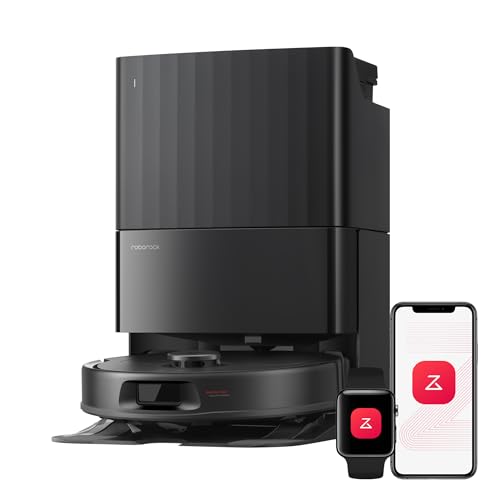
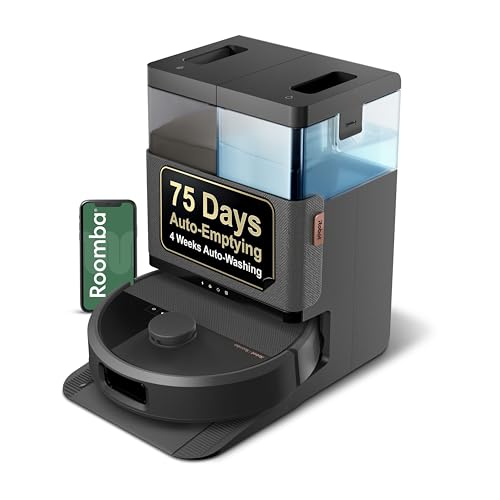
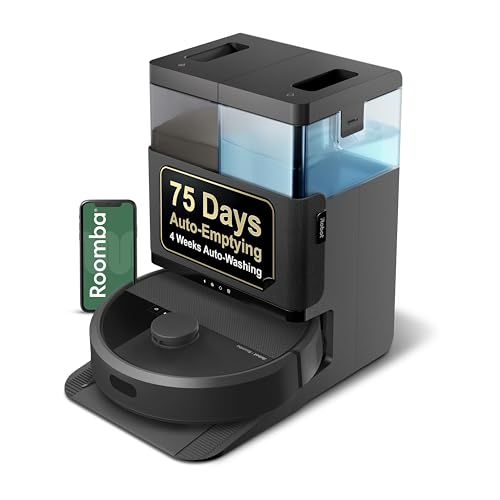
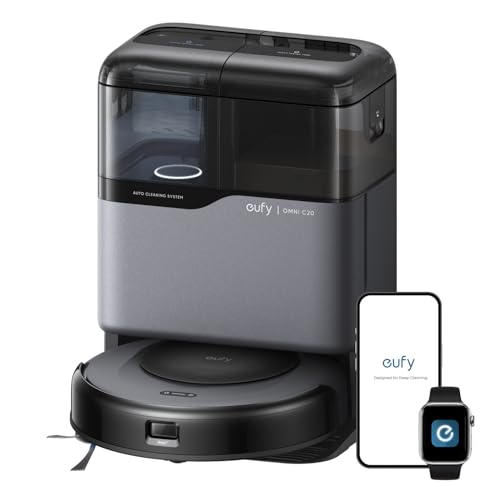
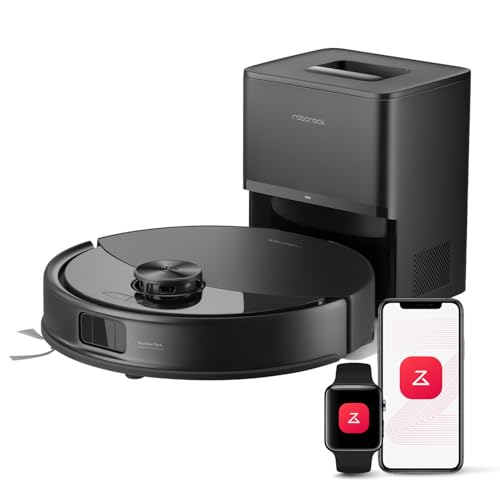
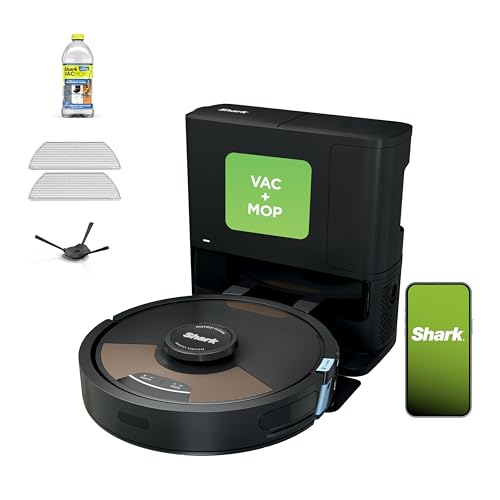
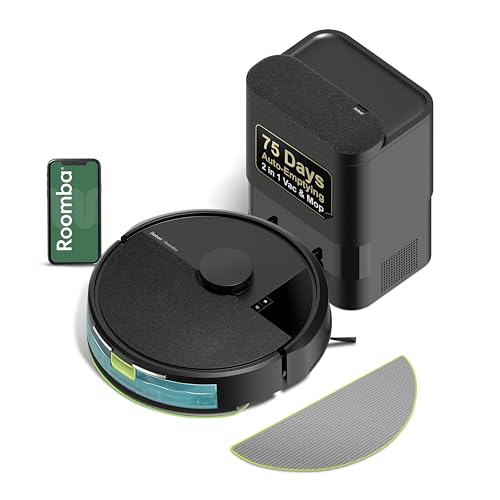
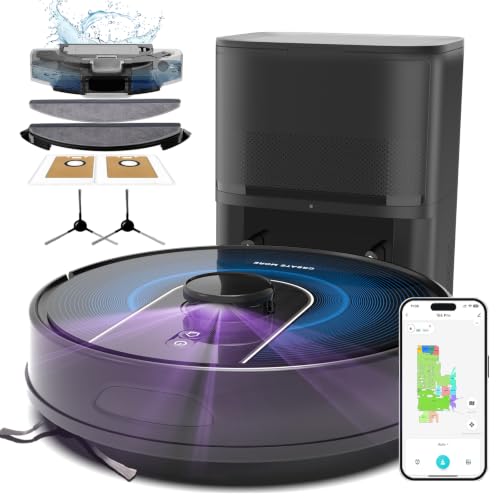
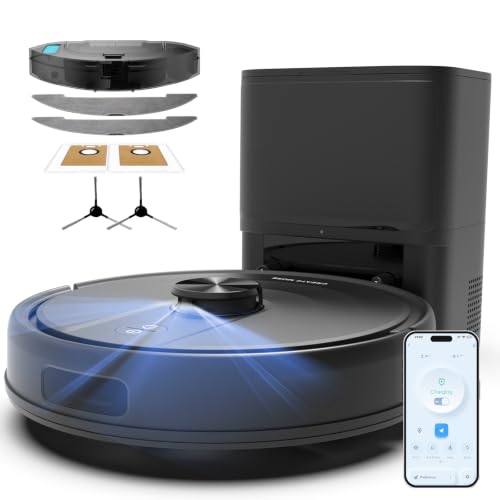
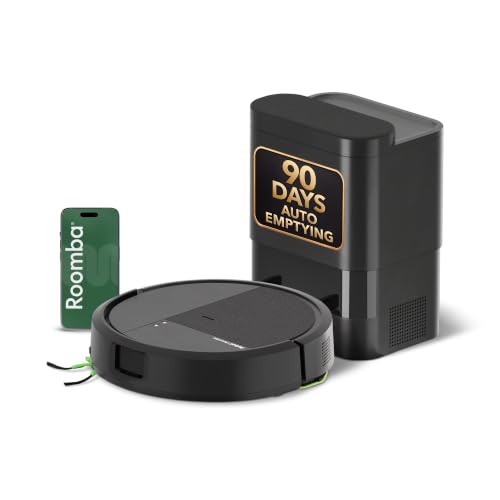

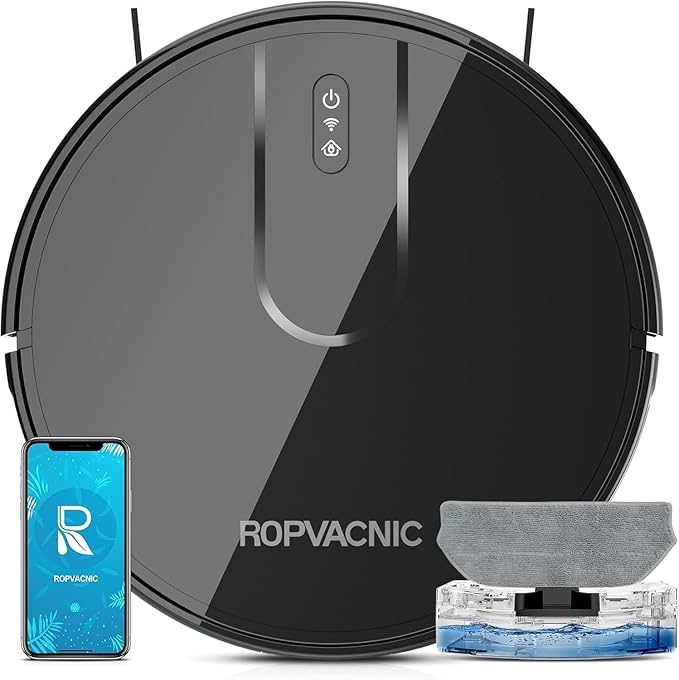
Three Ways a Robot Mop Actually Scrubs a Floor
Every hybrid robot wets the floor somehow, but the mechanism behind that wet pass is what separates a machine that lifts dried-on spills from one that just smears them around.
Fixed Vibrating Pads
A pad locked to the base of the robot shakes rapidly from side to side, hundreds of times a minute, while a small pump feeds it water. The motion works like a handheld scrub brush, and it tends to be quieter than the alternatives below. It struggles most on grout lines and heavily textured tile, since the pad can't flex into low spots the way a roller can.
Spinning Dual Pads
Two circular pads rotate against the floor with real downward pressure, closer to how a buffing machine works than a wipe. The added force lifts grease and stuck food better than a vibrating pad, which makes this mechanism a common pick for kitchens. The tradeoff is a slightly wetter floor immediately after the pass, since spinning pads tend to push more water than they absorb.
Single Spinning Roller with a Squeegee
A cylindrical roller turns continuously while a squeegee blade wrings dirty water back into an internal tank, so the pad touching your floor is constantly rinsed rather than getting dirtier as it goes. This design handles wet spills and dropped liquids far better than a pad-based system, since it's effectively mopping and rinsing at the same time. It's usually the priciest of the three and the base station needs enough plumbing to move dirty water in both directions.
How Water Delivery Decides How Long One Cleaning Run Lasts
The mopping mechanism gets most of the attention, but the tank behind it decides how much floor a single run can cover before you have to step in.
Onboard Tanks
A tank built into the robot itself is filled by hand before each session and typically holds enough water for one to one and a half floors, depending on square footage. It's the cheaper setup and it's fine for smaller homes, but you're the one remembering to top it off and empty it when the run ends.
Base Station Reservoirs
A larger tank sits in the dock and automatically refills the robot's smaller onboard reservoir between passes, letting one cleaning cycle stretch across a bigger home without a manual refill. Some reservoirs hold enough for several sessions before you need to add water at all, which matters if you run the robot on a daily schedule rather than checking in on it.
Keeping Carpet Dry When Floors Are Mixed
Almost no home is wall-to-wall hard flooring, so how a mopping robot behaves the instant it reaches a rug matters as much as how well it scrubs tile.
Auto-Lift Sensors
Sensors on the underbody read the change in surface texture and raise the mop pad several millimeters before it makes contact with carpet fibers. Reaction speed varies between machines, and a slow one can leave a faint damp streak right at the doorway threshold between rooms, which is the exact spot reviewers tend to check first. Higher-end designs retract the whole mop module upward and out of the way instead of just lifting it, which leaves more margin for error.
No-Mop Zones as a Backup
Companion apps generally let you draw a no-mop boundary directly over a rug on the floor map, which catches thin doormats or low-pile runners that sensors sometimes miss. In open floor plans where hard flooring bleeds into carpet without a clear edge, that manual boundary is often more reliable than sensor detection alone.
Why Robot Mops Start to Smell (and How the Best Docks Stop It)
The most common complaint from owners of these machines isn't cleaning power, it's odor. A dirty water tank left sitting overnight mixes dust, food residue, and standing water, and that combination sours fast. A damp pad left folded in the dock does the same thing, just with mildew instead of stagnant water.
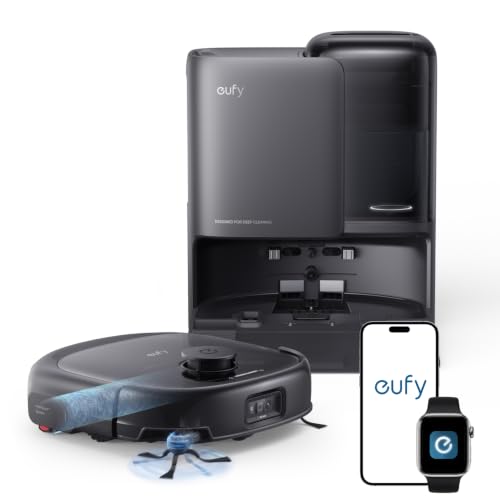
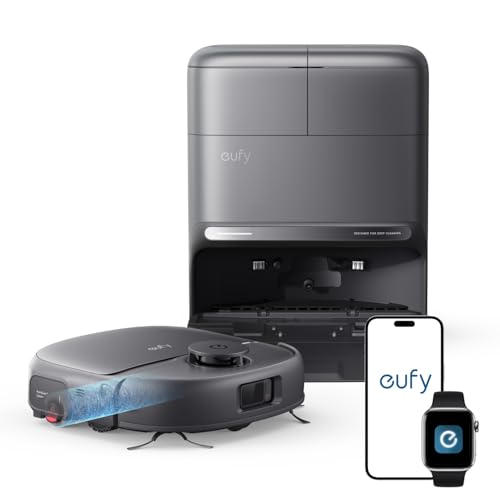
Self-washing base stations address both problems by rinsing the pad with hot water after every run and drying it with heated air before the next cycle, which keeps it from sitting wet long enough to grow anything. The drying step matters more than people expect. A short dry cycle in a humid room can leave enough moisture behind for a musty smell to set in overnight, even if the wash itself was thorough. Machines without a self-washing dock put that job on you, and skipping it for even a couple of days is usually when the smell shows up.
How Much Manual Upkeep These Robots Actually Need
Even a fully self-washing setup isn't hands-off forever. Realistic upkeep looks like this:
- Empty the dirty water tank the same day you run the mop, rather than letting it sit until the next session.
- Use only the cleaning solution the manufacturer recommends, since other detergents can foam or clog the internal pump.
- Rinse or swap the pad by hand after each run if your model skips a self-washing base.
- Wipe down the dock's water lines and tray every week or two, since mineral buildup and residue collect there even on self-cleaning models.
- Clear cords, socks, and small clutter off the floor before each cycle so the mop doesn't drag debris into corners instead of lifting it.
When a Robot Mop Isn't Enough
These machines are built for maintenance cleaning, not a deep clean. They're good at keeping daily dust, light footprints, and everyday spills from building up between real cleaning sessions. They're not built to strip grime off a floor that hasn't been properly mopped in months, lift wax buildup, or sanitize the way heat and pressure can. A household with mostly hard flooring gets the most value from one of these, since carpet-heavy homes see less benefit from the mopping half and might be better served by a vacuum-only robot paired with a vacuum built for pet hair if shedding is the bigger issue. For occasional deep cleaning on tile or stone, pairing routine robot passes with a proper hardwood floor cleaner and polish handles the buildup a damp pad can't touch.
Frequently Asked Questions
Do robot vacuum and mop combos actually clean floors well?
For daily maintenance and light dust, yes, especially with an active scrubbing mechanism rather than a passive pad. For dried-on or heavily soiled messes, expect it to loosen the grime rather than fully lift it in one pass.
Will the mop soak my carpet?
Not if auto-lift sensors and no-mop zones are working correctly. Test the transition points between rooms during setup rather than assuming the sensor will catch every edge on its own.
How often do I need to refill the water tank?
Onboard tanks usually need a refill every session or two. A base station reservoir can often go several sessions, sometimes longer, before it needs topping off.
Why does my robot mop smell bad?
Almost always a dirty water tank or a pad left damp for too long. Empty the tank daily and make sure the pad fully dries between runs, whether that happens automatically at a dock or by hand.
Is a self-washing dock worth paying extra for?
If avoiding hands-on pad maintenance is the priority, yes. It removes the most tedious part of owning one of these robots. Buyers who don't mind a few minutes of manual cleaning can skip it without losing much day-to-day performance.
Can these robots handle a large multi-room home in one run?
It depends more on the water reservoir and battery than the mopping mechanism itself. Larger homes generally need a base station with auto-refill, and it's worth checking a guide built specifically for the best robot vacuum for large homes if square footage is the main constraint.