Best Robot Vacuums for Pet Hair in 2026
Disclosure: We may earn a commission when you buy through links on this page, at no extra cost to you. As an Amazon Associate I earn from qualifying purchases. Learn more

A practical guide to choosing the best robot vacuums for pet hair for cleaner floors and less manual upkeep.
Pet hair has a way of finding every corner, rug fiber, and crevice in a home, often faster than a weekly vacuuming routine can keep up with. Finding the best robot vacuums for pet hair means looking closely at suction power, brush design, and how well a unit avoids tangling on longer fur.
This guide covers brush roll design, filtration, maintenance, and navigation so a new robot vacuum actually keeps up with shedding instead of clogging within days.


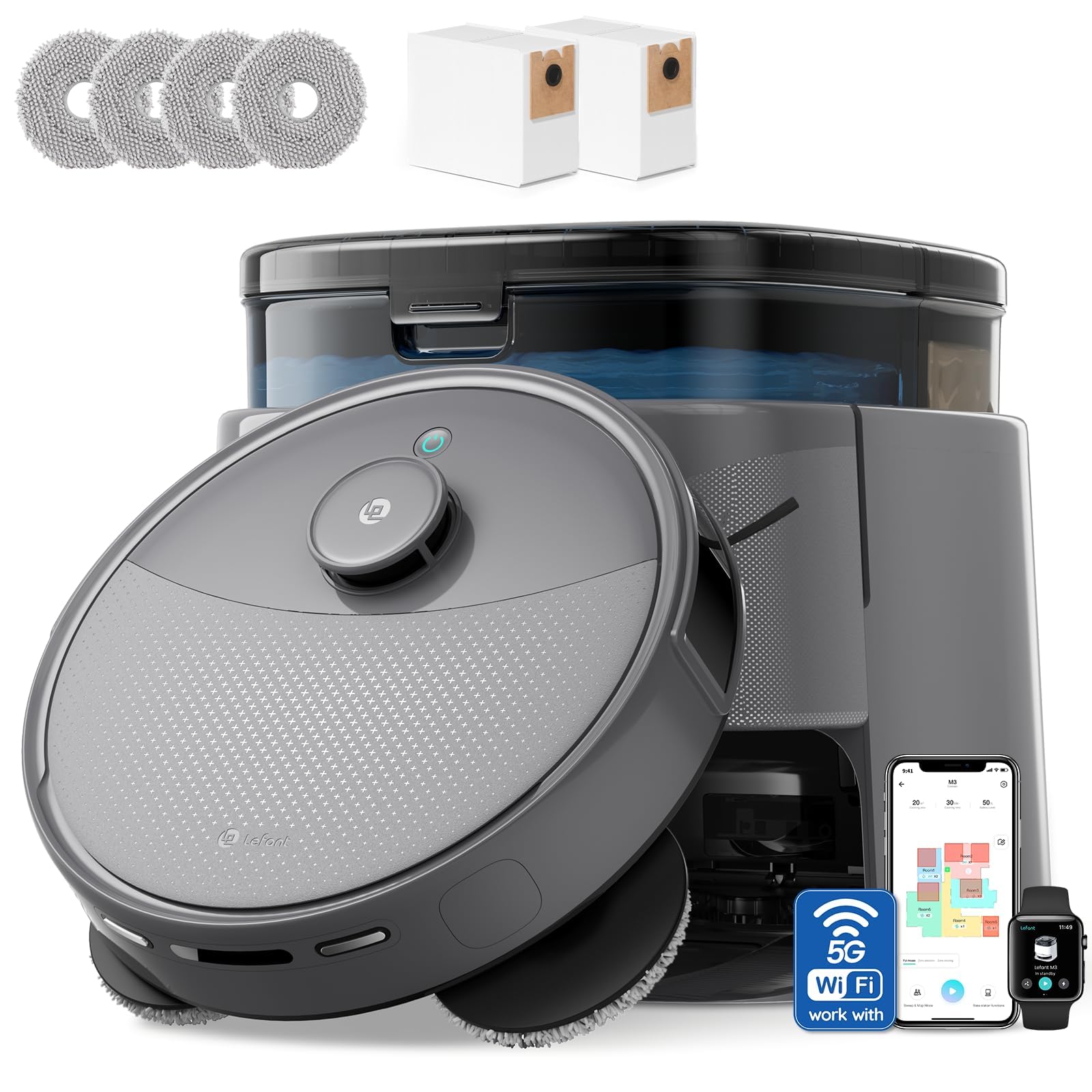


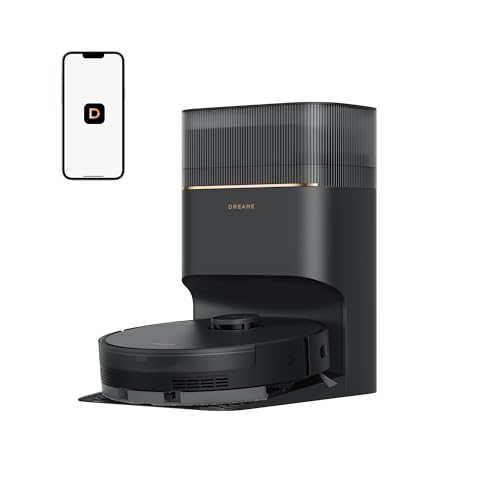
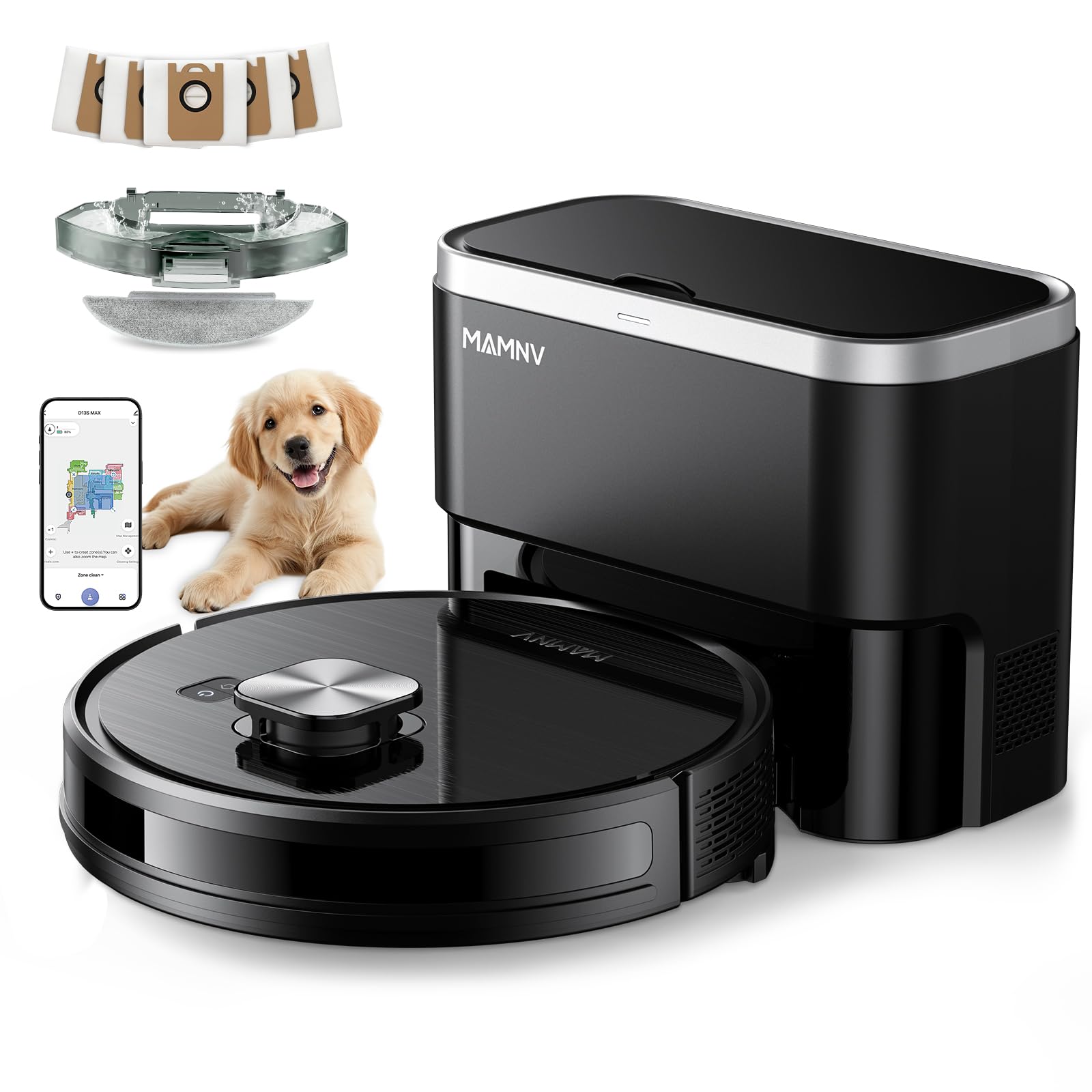

Brush Roll Design and Tangle Resistance
Traditional bristle brushes tend to tangle quickly with pet hair, often requiring frequent manual cleaning to keep working properly. Rubber or hybrid brush rolls generally resist tangling far better, since hair slides off smooth rubber fins instead of wrapping tightly around bristles.
Households with long-haired pets benefit most from a self-cleaning brush roll feature, which actively cuts and clears tangled hair during operation rather than requiring manual intervention.
Suction Power and Carpet Performance
Higher suction power matters most on carpets and rugs, where pet hair tends to embed deeply into fibers rather than sitting loosely on the surface. Homes with thick carpet or many rugs generally need stronger suction than homes with mostly hard flooring.
Some models automatically boost suction when transitioning from hard floors to carpet, which helps balance battery efficiency with cleaning performance across mixed flooring types.
Filtration for Allergens and Dander
A sealed, high-efficiency filtration system captures more dander and allergens than a basic filter, which matters for households with pet allergies. Emptying the dustbin regularly, even with a good filter, helps prevent trapped allergens from recirculating back into the air.
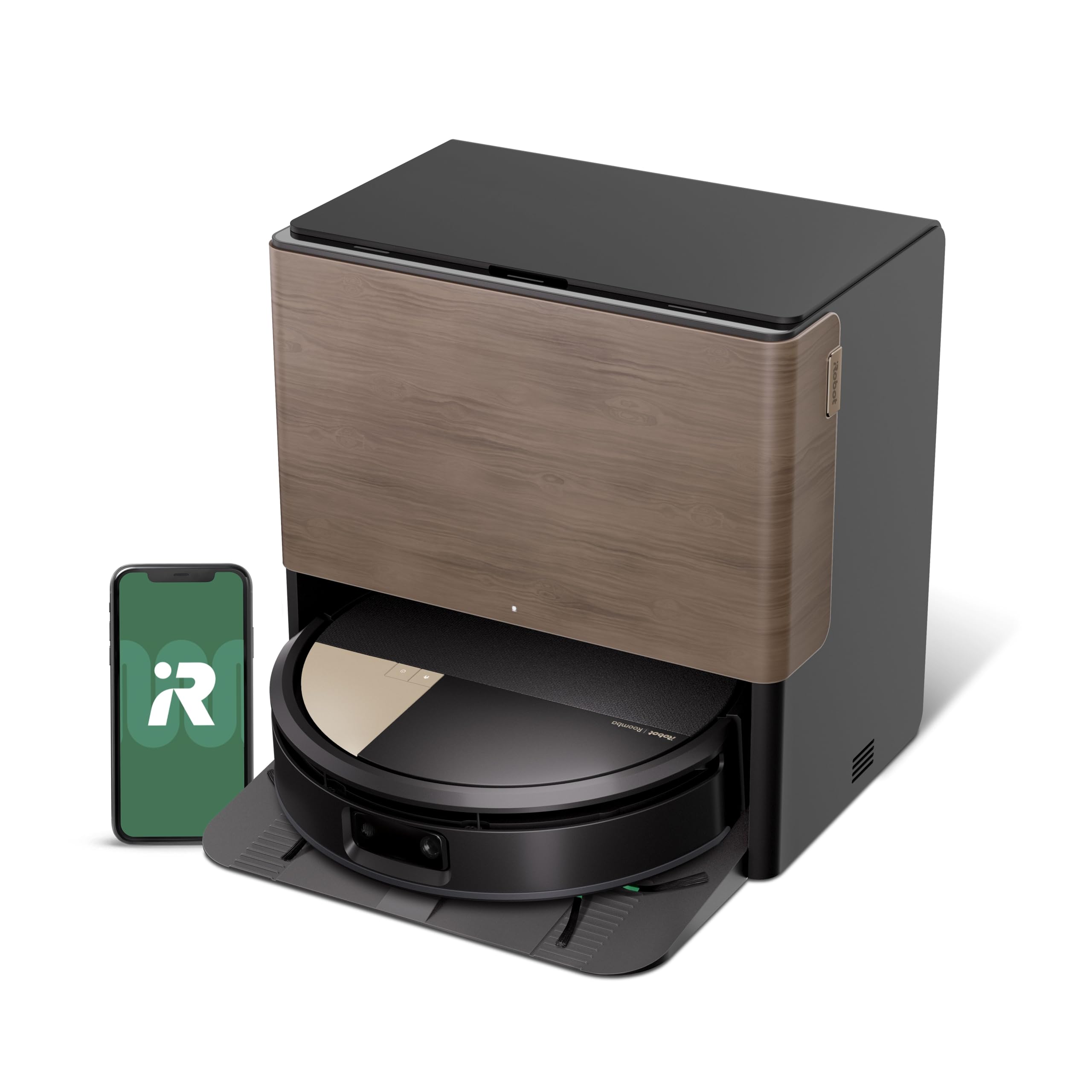
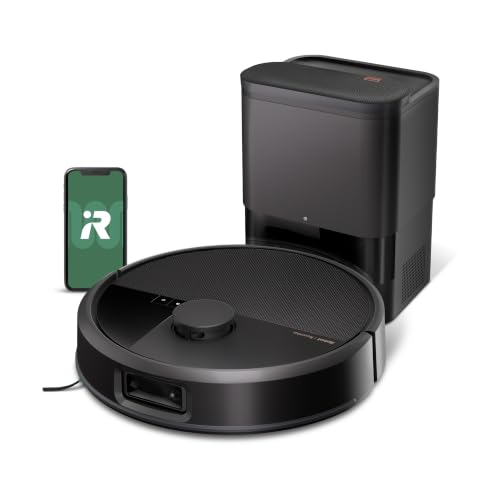
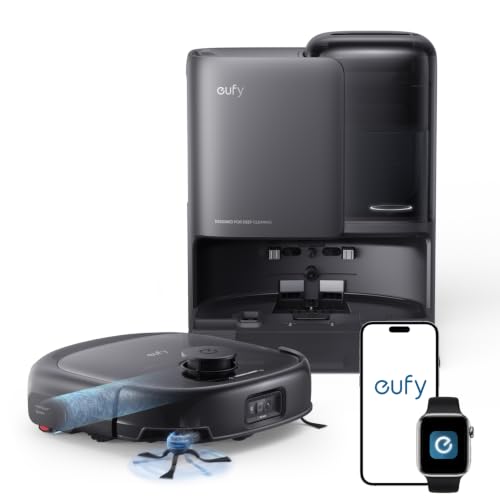
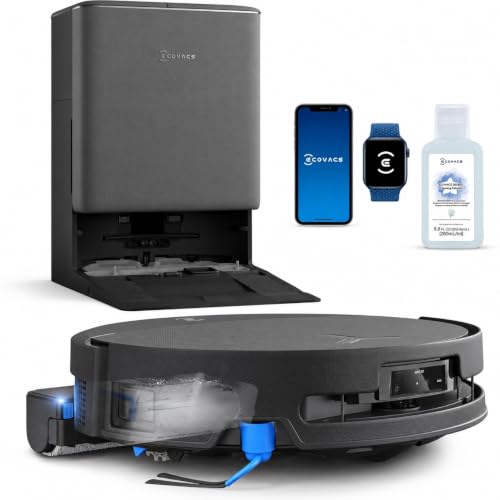
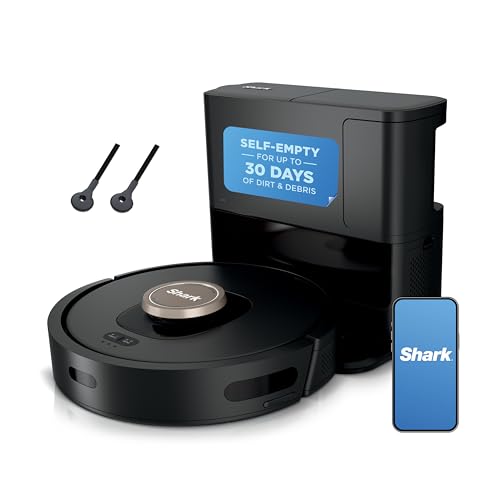
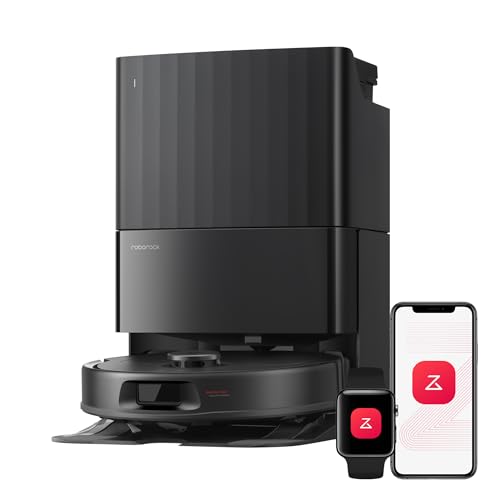
Models with a self-emptying base take this a step further, sealing collected debris away automatically and reducing how often anyone needs to handle a hair-filled dustbin directly.
Navigation and Mapping Technology
Advanced mapping technology allows a robot vacuum to clean methodically in rows rather than bumping randomly around a room. This tends to produce more thorough coverage, which matters more for pet hair since missed spots can quickly build up between cleaning cycles.
Multi-floor mapping lets a single unit remember layouts for different levels of a home, which is useful for larger households trying to manage pet hair across multiple rooms.
Comparing Robot Vacuum Types
The table below outlines how the best robot vacuums for pet hair often differ by brush design and maintenance needs.
| Type | Brush Design | Best For |
|---|---|---|
| Standard bristle brush | Traditional | Short hair, light shedding |
| Rubber or hybrid brush | Tangle-resistant | Long-haired pets, heavy shedding |
| Self-emptying system | Automated maintenance | Busy households, multiple pets |
Maintenance Requirements
Even tangle-resistant brushes need occasional cleaning, so checking how easily the brush roll pops out for manual clearing matters over the long run. Filters typically need replacement every few months, depending on usage and household pet hair volume.
Setting a regular maintenance reminder helps keep suction performance consistent, since a clogged filter or tangled brush noticeably reduces cleaning effectiveness over time.
Noise Levels and Household Considerations
Robot vacuums with strong suction sometimes run louder, which matters for households with pets or family members sensitive to noise. Scheduling cleaning sessions during times when the home is empty can help avoid startling pets that dislike the sound or movement of the unit.
Some models offer a quieter mode with slightly reduced suction, which can be a reasonable tradeoff for homes with lighter shedding or noise-sensitive residents.
Common Mistakes When Choosing a Robot Vacuum
- Choosing a standard bristle brush for a home with long-haired pets
- Ignoring filtration quality in households with pet allergies
- Underestimating suction needs for thick carpet or multiple rugs
- Skipping regular brush and filter maintenance after purchase
- Overlooking noise levels for pets that startle easily
Battery Life and Coverage Area
Larger homes with more square footage need a unit with enough battery life to complete a full cleaning cycle without excessive interruptions. Automatic recharge and resume features allow a unit to return to a charging base mid-cycle and finish cleaning afterward, which helps in bigger spaces.
Checking rated battery runtime against actual home size helps avoid a unit that consistently runs out of power before finishing a full cleaning pass.
App Control and Scheduling
Mobile app control allows setting cleaning schedules, reviewing maps, and adjusting suction settings without needing to interact with the unit directly. Scheduling regular cleanings during peak shedding seasons, such as spring and fall for many pets, helps keep hair from accumulating between cycles.
Voice assistant compatibility adds convenience for households already using smart home devices for other daily routines. Reviewing cleaning history through the app can also reveal patterns, such as rooms that consistently need extra attention during shedding season.
Budget Range and What Changes at Each Tier
Entry-level models cover basic suction and simple navigation, which can work for light shedding or smaller homes with mostly hard flooring. Mid-range options add stronger suction and tangle-resistant brushes, while premium models include self-emptying bases, advanced mapping, and the strongest filtration for heavy shedding or multiple pets.
Spending more generally buys reduced maintenance and stronger allergen control rather than a dramatically different basic cleaning function.
Multi-Pet Households and Heavier Shedding
Homes with more than one shedding pet generate noticeably more hair, dander, and debris than single-pet households, which increases demands on both suction and dustbin capacity. A larger dustbin reduces how often manual emptying is needed between cleaning cycles, which matters most in households managing several animals at once.
Running cleaning cycles more frequently, sometimes daily rather than a few times a week, tends to keep hair buildup more manageable in multi-pet homes. Pairing a robot vacuum with a lightweight handheld unit for stairs or upholstery covers the areas a floor-based robot simply cannot reach.
Edge and Corner Cleaning Performance
Pet hair often accumulates along baseboards, furniture edges, and tight corners where a round-shaped unit may struggle to reach fully. Side brushes help sweep debris out from edges and into the main cleaning path, improving overall pickup in these commonly missed areas.
A pet hair vacuum with strong edge-cleaning performance reduces the need for manual spot cleaning along walls and under furniture between full cleaning cycles.
Frequently Asked Questions
Do robot vacuums work well on thick carpet with pet hair?
Many current models handle thick carpet reasonably well, though checking suction specifications and automatic carpet boost features helps confirm strong performance.
How often should the brush roll be cleaned?
Even tangle-resistant brushes benefit from a quick check every few weeks, while standard bristle brushes may need more frequent manual clearing.
Is a self-emptying base worth the extra cost?
Households with heavy shedding or multiple pets often find the reduced maintenance worthwhile, while lighter shedding homes may not need it as urgently.
Can a robot vacuum replace regular vacuuming entirely?
Regular robot vacuum use significantly reduces manual vacuuming needs, though occasional deep cleaning with a full-size vacuum still helps in high-traffic areas.
Final Thoughts
Choosing among the best robot vacuums for pet hair comes down to matching brush design, suction power, and filtration to a household's specific shedding challenges. A well-matched robot vacuum pays off through consistently cleaner floors and far less manual upkeep.
Related reading: best hand vacuums and best handheld vacuums.