Best Cordless Vacuums for 2026
Disclosure: We may earn a commission when you buy through links on this page, at no extra cost to you. As an Amazon Associate I earn from qualifying purchases. Learn more

A practical guide to choosing the best cordless vacuums, covering battery runtime, weight, and how to keep a charge lasting longer.
Dragging a cord from room to room, hunting for the next outlet, is the kind of chore nobody misses once it's gone. That freedom is exactly why so many households are switching to battery-powered cleaning, and it explains the growing interest in the best cordless vacuums on the market right now. Before you buy, it helps to know what actually separates a vacuum you'll reach for daily from one that ends up in the closet. Runtime, weight, and charging habits matter far more than flashy features, and this guide walks through each one.




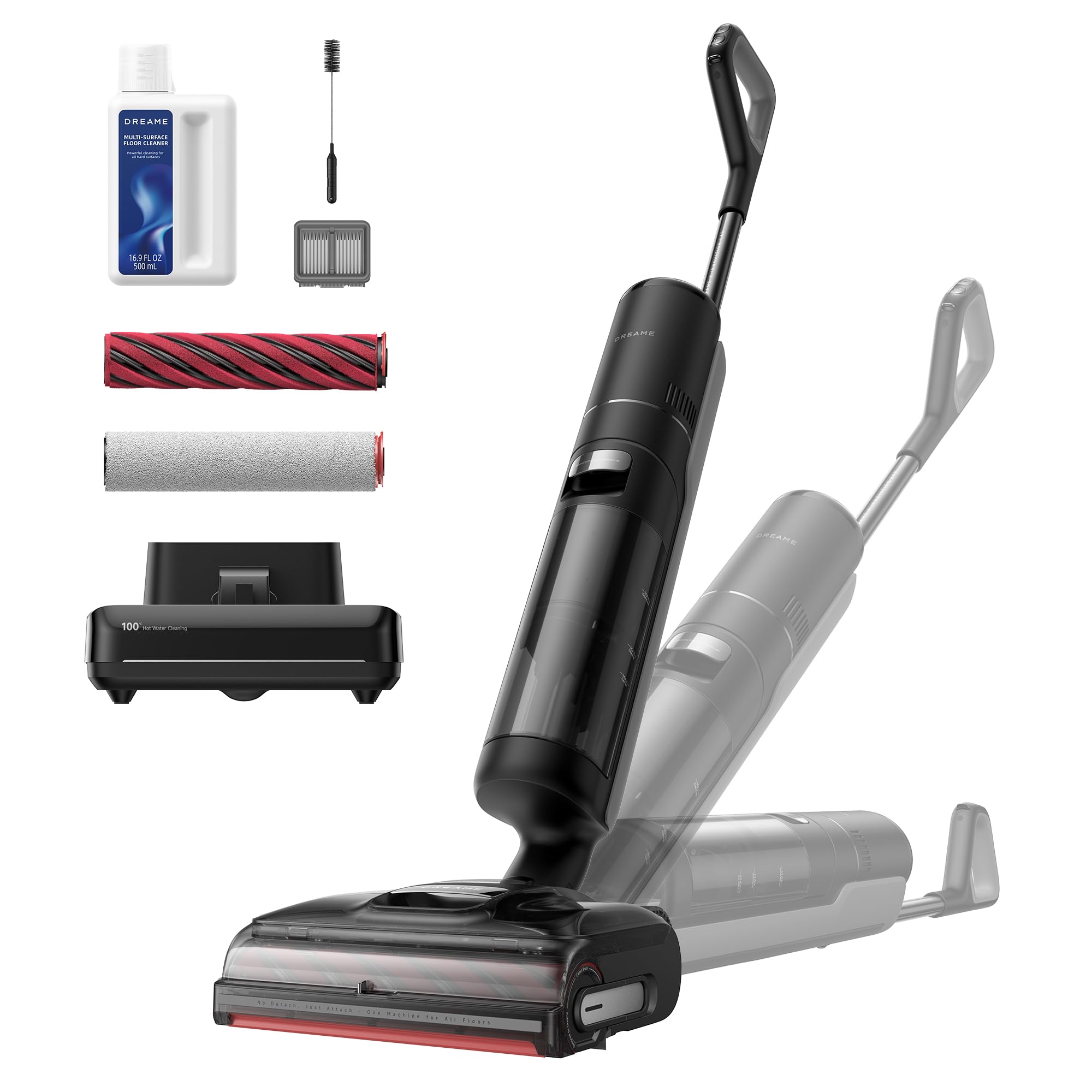
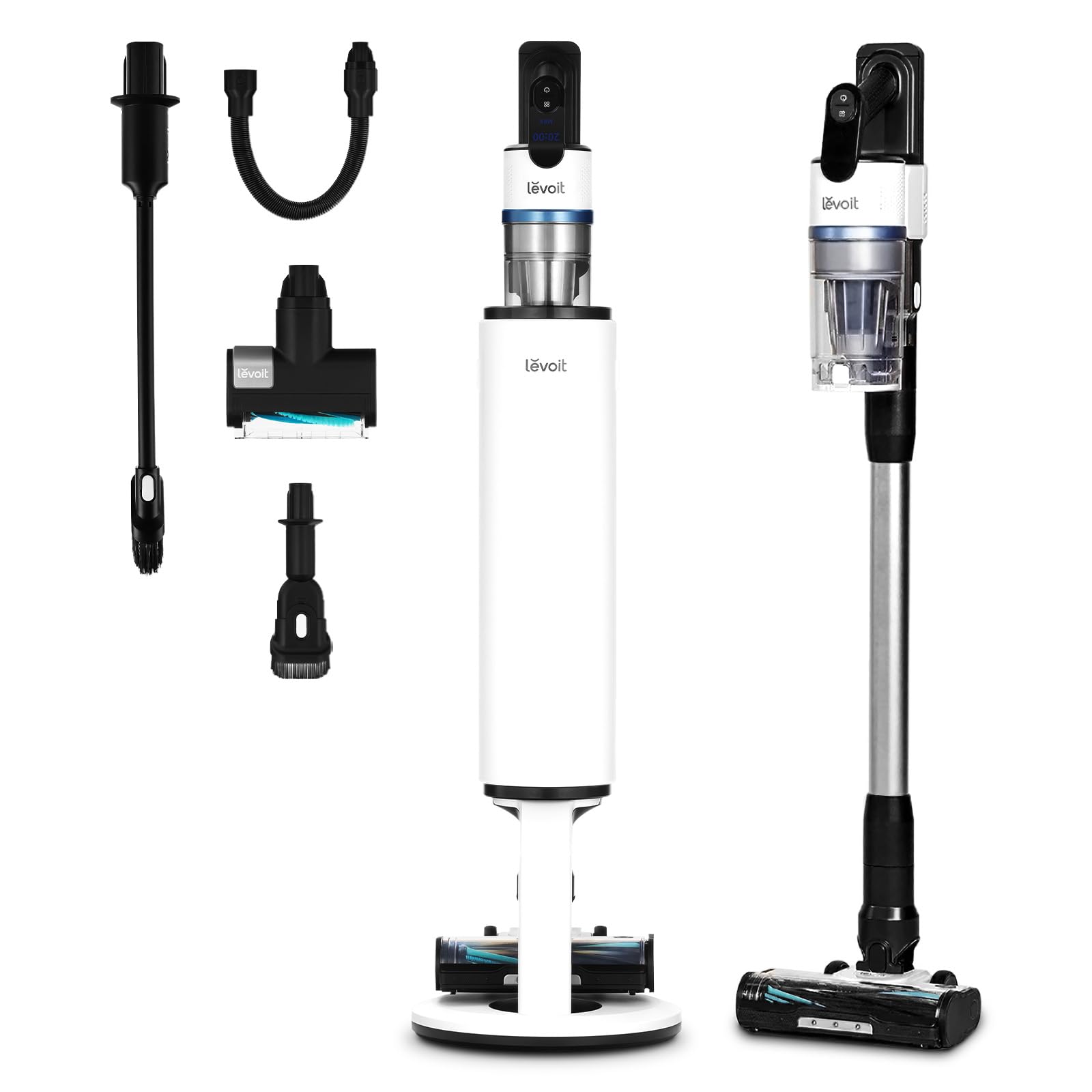
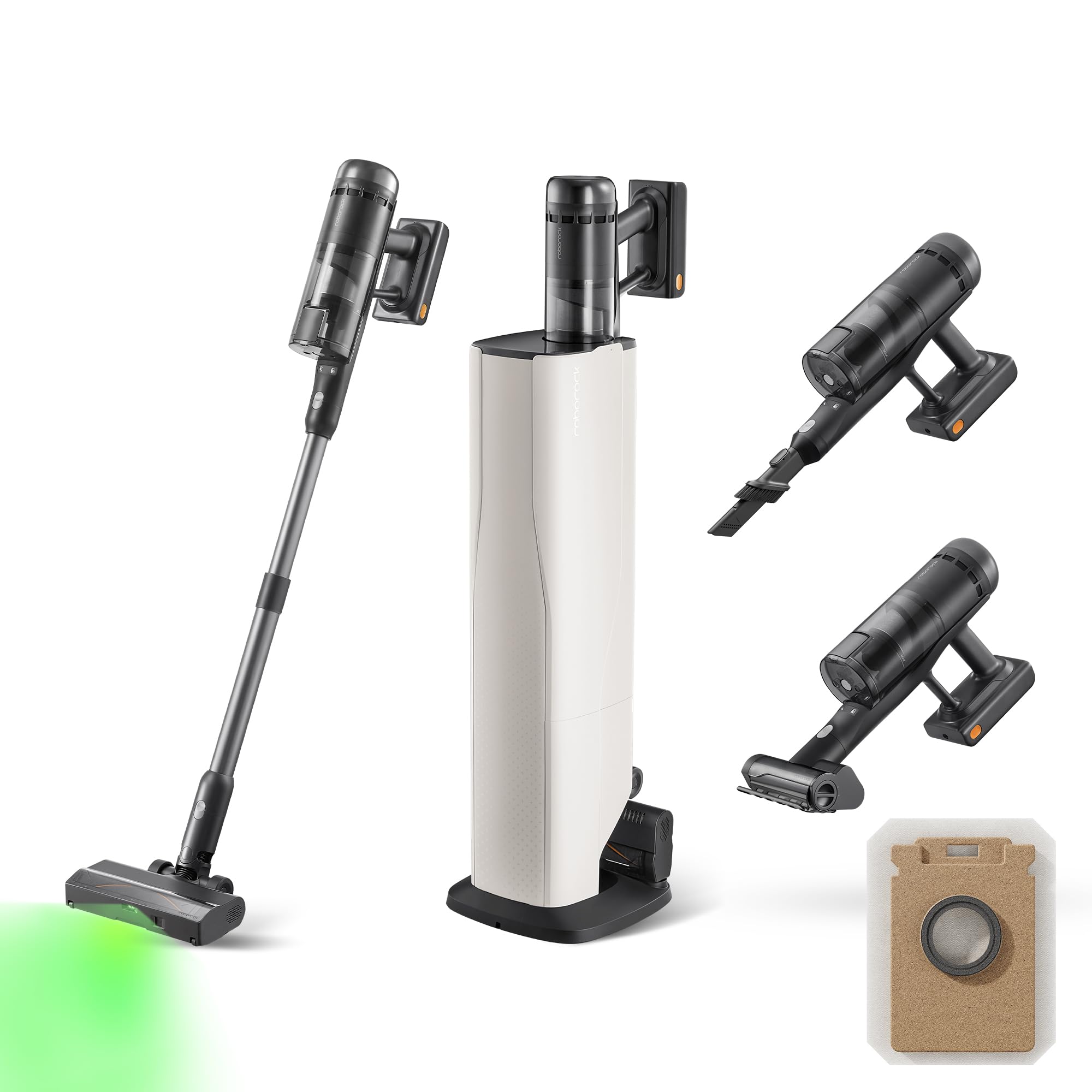
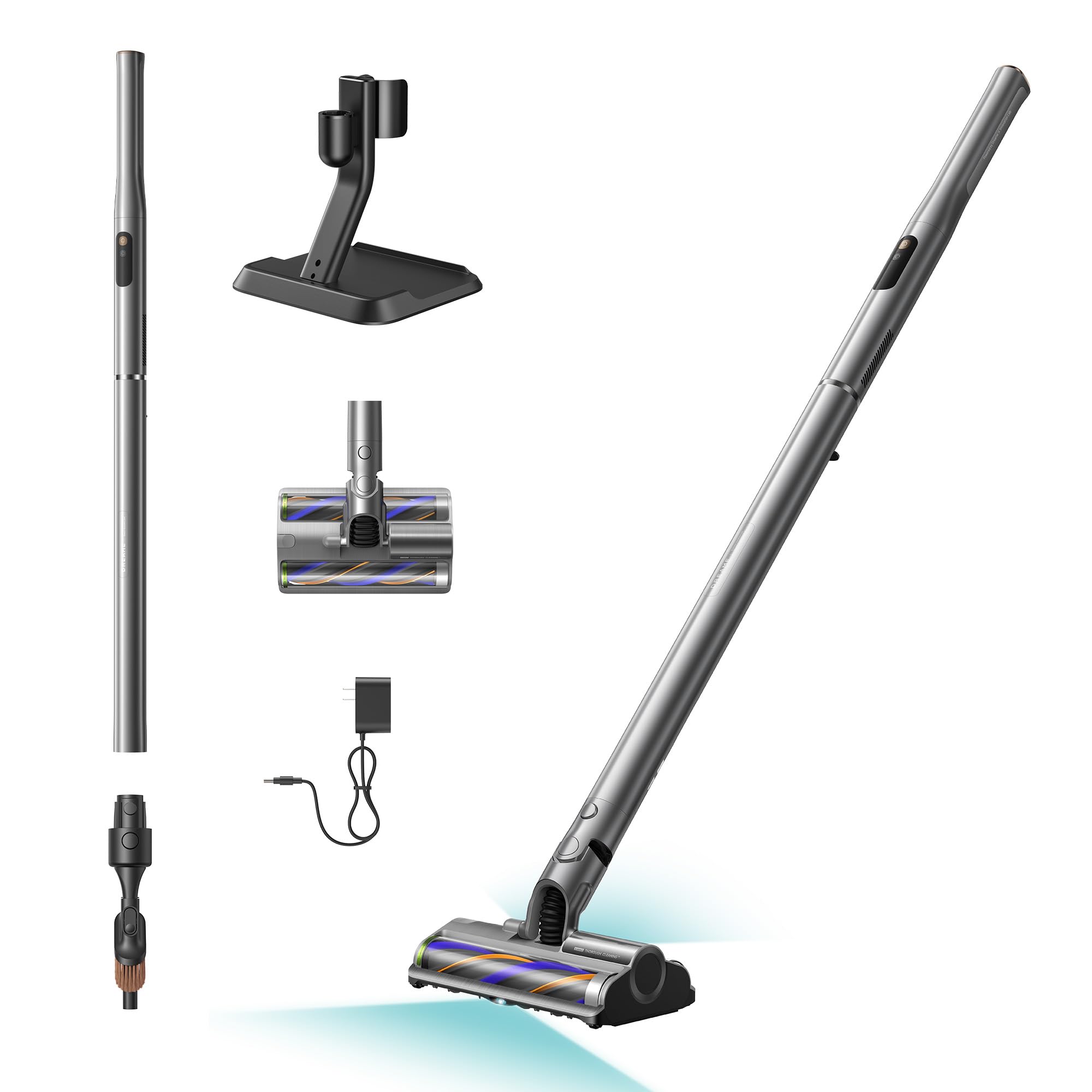


Battery Life and Runtime: What Actually Matters
Runtime is the single biggest factor in choosing among the best cordless vacuums. Manufacturers list a maximum runtime, but that number usually applies to the lowest suction setting. On a higher power mode, real-world runtime often drops by half or more, so think about how much floor space you actually need to cover in one session.
If your home spans multiple floors or large open areas, look for a model with a removable, swappable battery. Keeping a spare charged and ready means you're never stuck mid-clean with a dead unit. Smaller apartments or single-level homes can usually get by with a shorter runtime since you're covering less ground per session.
Pay attention to charging time as well. Some batteries fully recharge in a couple of hours, while others take closer to half a day. A fast-charging cordless vacuum cleaner is worth the extra cost if you clean in short, frequent bursts rather than one long weekly session.
Weight and Handling for Room to Room Cleaning
Because you're carrying the whole unit rather than pushing it along a cord, weight becomes a daily consideration. A vacuum that feels fine in a showroom can feel noticeably heavier after five minutes of overhead work, like cleaning stairs or dusting curtain rods.
Look closely at where the weight sits. Models with the motor and dustbin positioned near the handle tend to feel more balanced during extended use than those with weight concentrated at the head. If anyone in your household deals with wrist or shoulder strain, prioritize a lighter build even if it means a slightly smaller dustbin.
- Check the listed weight with the main attachment installed, not just the bare unit
- Test how the balance feels when the vacuum is held at a slight angle for cleaning under furniture
- Consider whether the trigger requires continuous squeezing, which tires your hand faster over long sessions
Cordless vs Corded: When Going Wireless Makes Sense
Corded vacuums still win on raw, sustained suction and unlimited runtime, which matters for deep cleaning thick carpet or tackling a whole house in one pass. A cordless model shines in a different way: quick pickups, daily maintenance, and reaching spots a bulky corded unit can't easily access.
Many households find the ideal setup is owning both, using a corded machine for scheduled deep cleans and a battery-powered stick vacuum for the spills and crumbs that happen between them. If you only have room or budget for one, think honestly about your cleaning habits rather than your ideal routine.
Renters and anyone who moves frequently also tend to prefer cordless designs simply because there's no cord management or awkward reach limitations tied to where outlets happen to be located in a new place.
Getting the Most Runtime From Your Charge
Battery health fades over time, but good habits slow that decline considerably. Avoid leaving the vacuum on the charging dock permanently once it reaches full charge, since constant trickle charging can shorten a lithium-ion battery's usable life.
Clean the filter and empty the dustbin regularly. A clogged filter forces the motor to work harder, which drains the battery faster and shortens each cleaning session. Most manufacturers recommend rinsing washable filters every few weeks and letting them dry fully before reinserting.
Store the vacuum somewhere with moderate temperatures. Extreme heat or cold, like a garage in midsummer or midwinter, degrades battery capacity faster than indoor storage. A few minutes of upkeep each month keeps runtime closer to its original spec for years.
What to Expect to Pay
Pricing across this category varies widely based on battery capacity, attachments included, and build quality. Entry-level options cover basic daily pickup, while higher-tier models add stronger motors, longer runtime, and extra accessory heads for upholstery or tight corners.
Rather than chasing the highest price point, match the tier to your home. A one-bedroom apartment rarely needs the same battery capacity as a large multi-level house. Spending more on features you won't use, like a motorized pet-hair head in a home with no pets, doesn't improve your results.
Frequently Asked Questions
How long do cordless vacuum batteries typically last before replacement?
Most lithium-ion batteries hold a usable charge for two to five years with regular use, depending on charging habits and how often the vacuum runs on its highest power setting.
Are cordless vacuums powerful enough for thick carpet?
Many higher-end models handle medium-pile carpet well, but very thick or plush carpet often still benefits from a corded vacuum's sustained, unlimited suction power.
Can I leave my cordless vacuum on the charger all the time?
It's better to unplug once fully charged. Continuous trickle charging gradually wears down battery capacity faster than charging only when needed.
What's the difference between a stick vacuum and a handheld attachment?
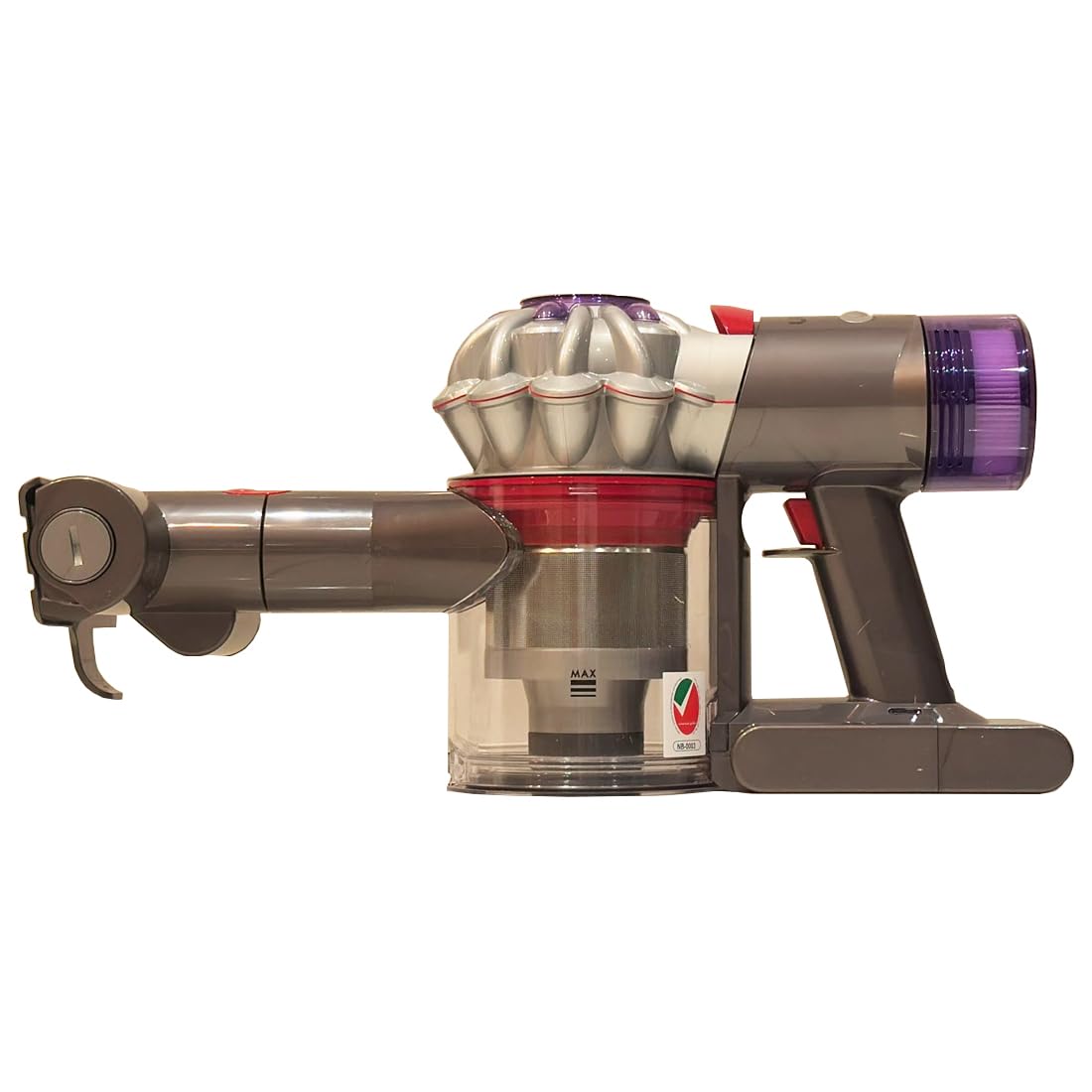
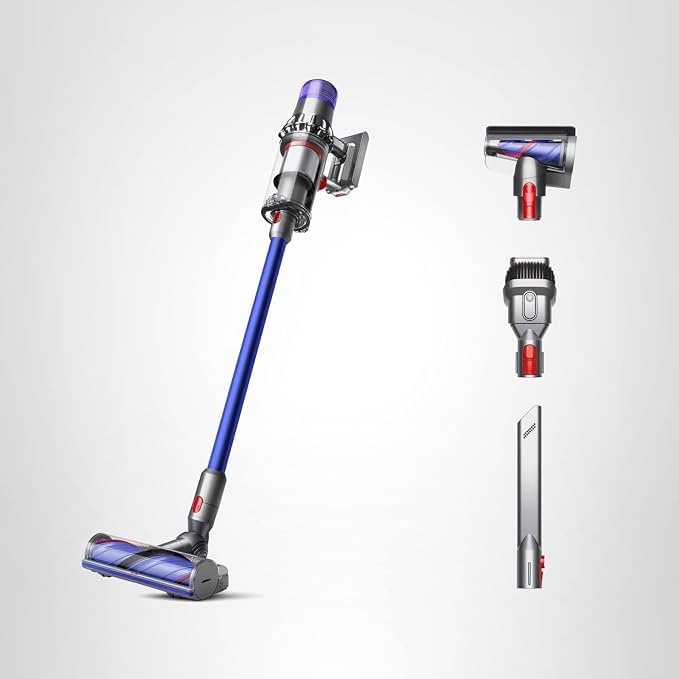
A stick vacuum is the full upright unit for floors, while the handheld piece detaches for stairs, upholstery, and car interiors on models that support it.
Do cordless vacuums work well on pet hair?
Yes, especially models with a motorized brush head designed to lift embedded hair from carpet fibers without tangling.
How often should I replace the filter?
Washable filters typically last the life of the vacuum with regular rinsing, while foam filters may need replacement every six to twelve months.
Bringing It All Home
Choosing among the best cordless vacuums really comes down to matching runtime and weight to how you actually clean, not to the longest spec sheet. A lighter unit with modest runtime often beats a heavy one with a longer number on paper, especially for daily upkeep. Take a little time to think through your home's layout and your own cleaning habits before deciding, and the right pick becomes much easier to spot.
Related reading: best cordless stick vacuum cleaner and best cordless vacuum cleaner.