Best Steam Mops: A Complete Buying Guide
Disclosure: We may earn a commission when you buy through links on this page, at no extra cost to you. As an Amazon Associate we earn from qualifying purchases. Learn more

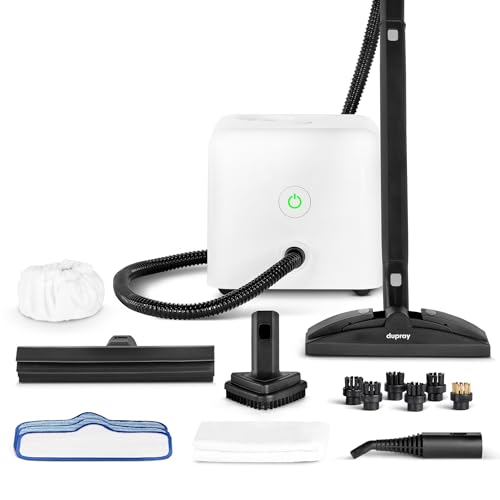

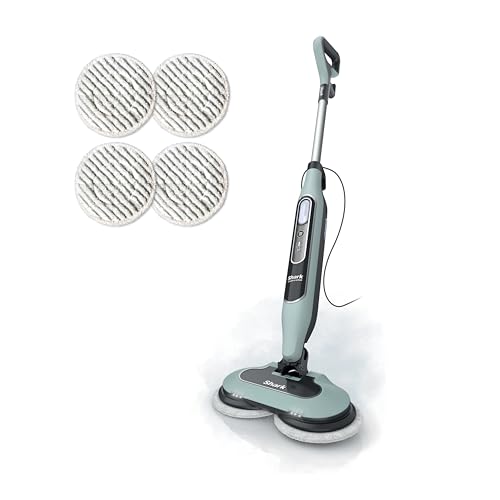
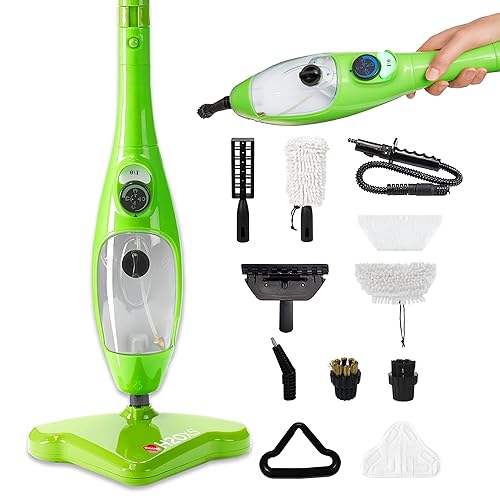
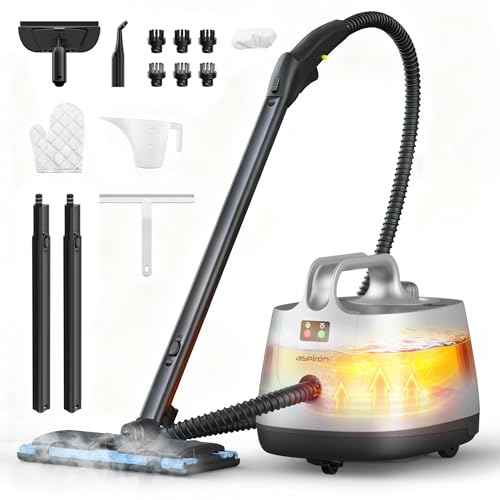
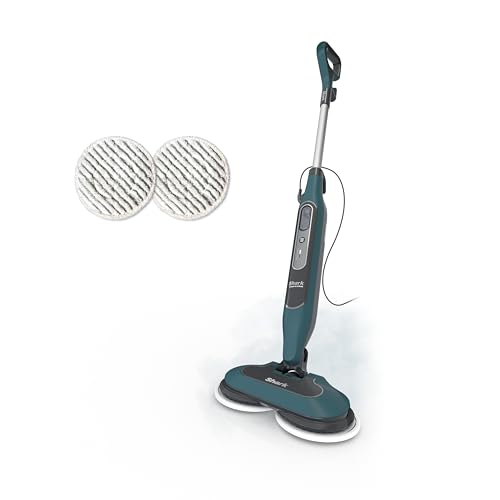
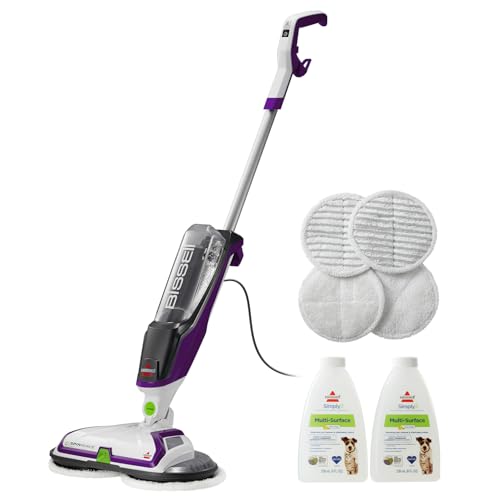
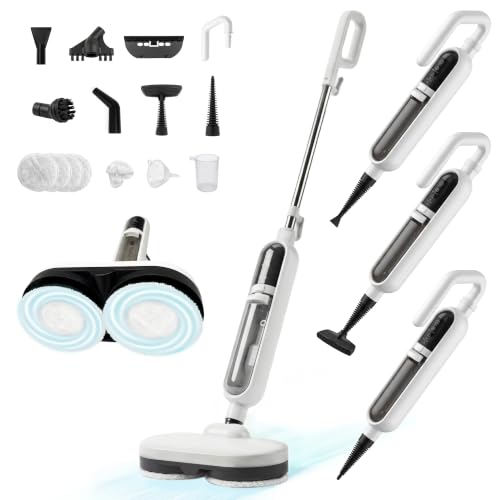
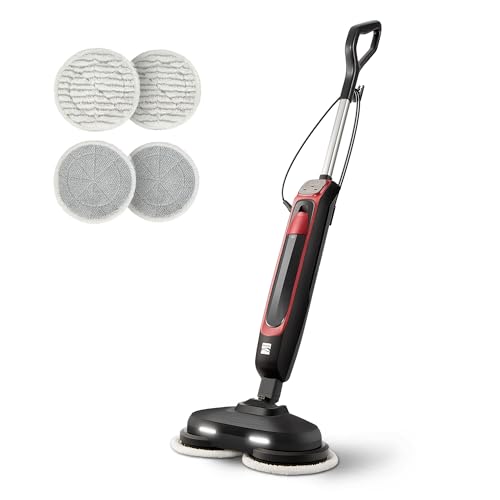
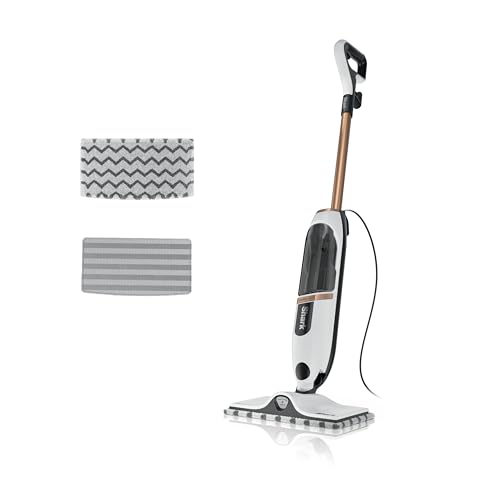
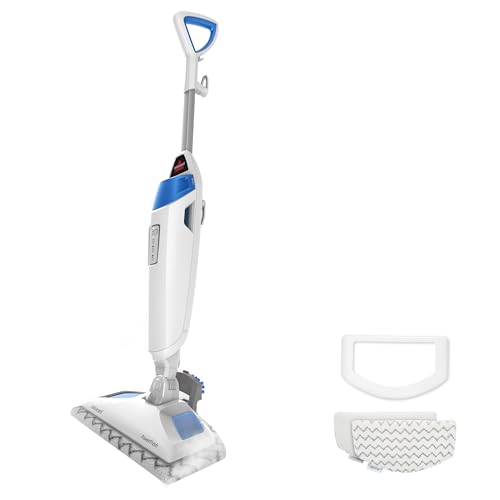
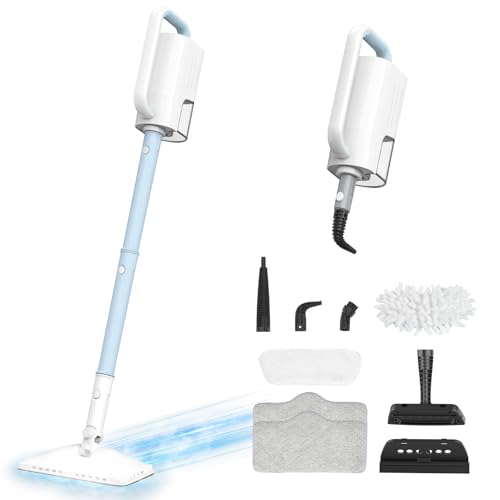
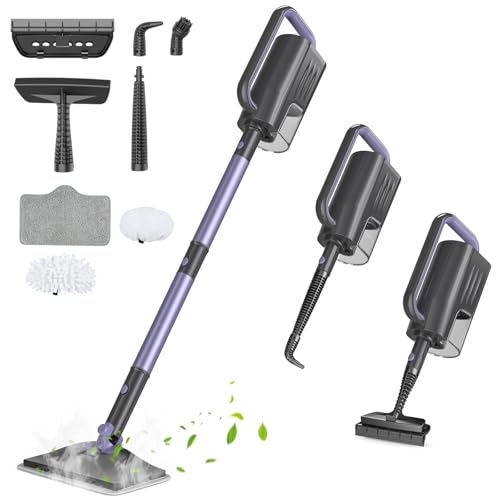
Which Floors Actually Handle Steam Well
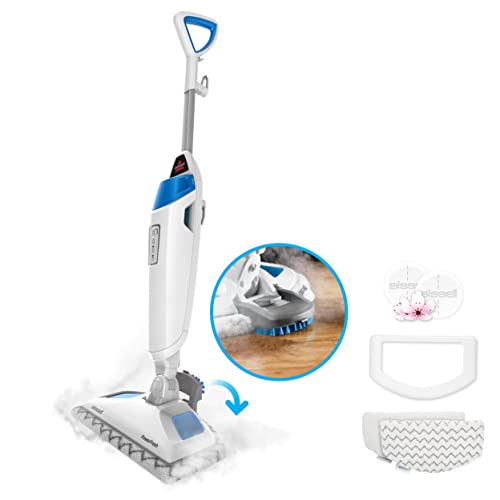
A steam mop works by forcing hot vapor through a microfiber pad, and that heat is exactly why floor type matters more than any spec sheet. Sealed ceramic and porcelain tile handle steam best, since the surface is nonporous and the grout lines get a real cleaning boost from the vapor pressure. Natural stone with a proper sealant, along with most sealed hardwood, can also tolerate occasional steam sessions as long as the pass is quick and the pad is never left sitting in one spot.
Laminate and vinyl are the surfaces to treat with caution. Both can trap heat and moisture at the seams, which over time leads to lifting edges or a cloudy finish that no amount of polishing fixes. If most of your home is laminate or luxury vinyl plank, a steam mop should be an occasional tool rather than the daily routine. For anyone whose floors lean toward hardwood specifically, our guide to steam mopping hardwood floors safely walks through the sealed-versus-unsealed distinction in more depth.
Tank Capacity and Steam-Up Time Worth Paying Attention To
Water reservoirs on these machines typically hold somewhere between 300 and 600 milliliters, and that range changes how the cleaning session actually feels. A smaller tank means lighter carrying weight but more trips back to the sink for a mid-clean refill. A larger tank pushes runtime toward the 20-minute mark, which suits anyone tackling a full floor plan in one pass rather than room by room.
Heat-up speed is the other half of the equation. Many units reach working temperature in well under a minute, but a few budget models take closer to five, and that gap adds up if the mop gets used often. Continuous-fill designs solve the refill problem entirely by drawing water on demand, though they tend to run heavier and bulkier than tank-style machines, so weigh convenience against maneuverability before deciding which trade-off fits daily use.
Reusable Pads Versus Disposable Ones
Most machines ship with washable microfiber pads that attach with velcro or a snap-on frame, and a single pad can realistically survive hundreds of cleanings before the fibers wear thin. Machine washing in cold water without fabric softener keeps the microfiber loops intact, since softener coats the fibers and reduces how much dirt they can grab.
Disposable pad systems exist too, mostly on lower-cost machines, and they trade ongoing cost for convenience since there is nothing to launder. Households doing frequent touch-up cleaning between deeper mopping sessions sometimes like having a fresh pad ready to go, but the recurring purchase cost adds up faster than most people expect. For most everyday use, a couple of reusable pads rotated between cleanings covers the job without ongoing spend.
Corded Power Versus Cordless Freedom
Corded machines stay plugged into an outlet the entire time, which means consistent steam output from the first pass to the last and no battery to monitor. The trade-off is the cord itself, which has to be managed around furniture and doorways and occasionally requires swapping outlets mid-room. Anyone cleaning large open floor plans in one continuous session tends to appreciate that steady, uninterrupted power.
A cordless steam mop trades some of that raw steam pressure for freedom of movement, since battery output rarely matches a wall outlet. Runtime on a full charge usually lands somewhere between 10 and 20 minutes, which is plenty for a single-level apartment but can mean a mid-clean recharge in a larger house. Smaller homes and quick daily touch-ups are where cordless models earn their keep, while larger multi-room jobs still lean toward corded reliability.
Where a Handheld Attachment Actually Comes in Handy
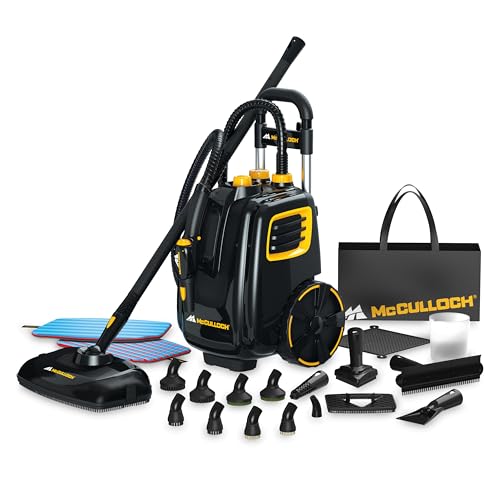
Plenty of steam mops convert into a handheld unit by detaching the floor head, and that versatility extends the machine well past the kitchen floor. Countertops, stovetops, grout lines in a shower, and even upholstery on some models can all be steam-treated once the handheld nozzle is attached. That flexibility is one reason a steam mop often replaces two or three separate cleaning tools in a closet.
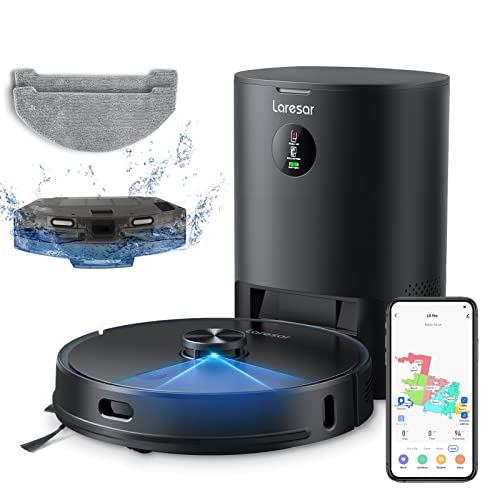
The catch is that handheld mode usually drains the tank faster since the nozzle concentrates steam into a smaller area. Anyone planning to use the attachment regularly should factor that shorter runtime into the tank-size decision made earlier. Households that already own a dedicated deep cleaner for carpets and upholstery may find the handheld attachment is a nice bonus rather than a must-have feature, so it is worth weighing against a household's existing lineup, including whether a robot vacuum and mop combo already covers daily floor upkeep.
Frequently Asked Questions
Do steam mops actually sanitize floors, or just clean them?
High heat vapor does kill many common germs on contact, but the effect only lasts as long as the surface stays hot. It is a genuine sanitizing boost, not a substitute for regular disinfecting in households that need it.
Can a steam mop be used with cleaning solution instead of plain water?
Most manufacturers recommend plain tap or distilled water only. Adding soap, vinegar, or other solutions can clog the internal heating components and void the warranty on many models.
How often should the microfiber pad be replaced?
A well-maintained reusable pad typically lasts several months of regular use before the fibers wear down. Replace it sooner if it stops picking up debris or starts leaving streaks.
Is distilled water necessary, or does tap water work fine?
Tap water works in most areas, though homes with hard water may see mineral buildup inside the tank over time. Distilled water reduces that buildup and can extend the machine's working life.
Will a steam mop remove wax or sealant from a floor?
Repeated steam exposure can gradually strip wax finishes and some sealants, which is worth knowing before using one on a freshly waxed floor. Spot-test an inconspicuous area first if the floor has any kind of topical finish.
Are steam mops safe for homes with pets or small children?
Yes, since no chemical residue is left behind once the floor dries. The main precaution is keeping the hot pad and nozzle away from curious hands and paws during use.
Do steam mops work on grout and tile lines?
Steam is particularly effective at loosening grime trapped in grout lines that a regular mop tends to skip over. A pointed handheld nozzle attachment makes detail work in those tight lines even easier.
Matching a Steam Mop to How the Home Actually Gets Cleaned
The right pick comes down to matching the machine to real habits rather than the longest feature list. A household with mostly tile and sealed stone can lean into steam confidently, while one with laminate or vinyl should treat it as an occasional supplement to regular sweeping and damp mopping. Tank size and heat-up speed matter most for anyone doing a full-house clean in one sitting, while cordless models suit smaller spaces and quick daily passes.
Pads, power source, and handheld versatility round out the decision, and none of them need to be perfect on paper if they fit the way a specific home actually gets maintained. For households still using a traditional bucket-and-wringer setup, comparing notes against a spin mop can help clarify whether the jump to steam is worth it.