Best Robot Vacuum Under $400: Complete Buying Guide
Disclosure: We may earn a commission when you buy through links on this page, at no extra cost to you. As an Amazon Associate I earn from qualifying purchases. Learn more
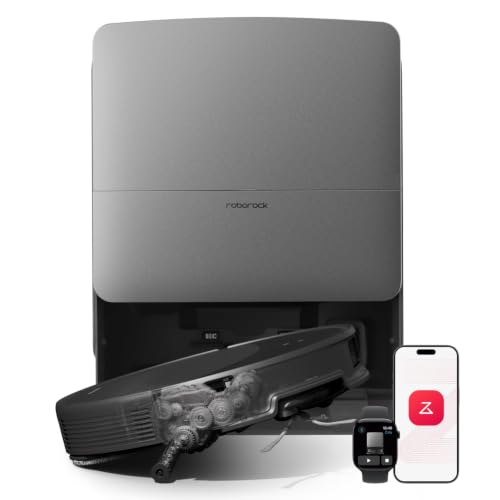
Robot vacuums crossing the $400 mark sit right before the flagship tier kicks in. Suction jumps, mapping gets sharper, and some models add a mop pad or a compact auto-empty dock. None of that guarantees the machine will match your floors, though. A few hundred dollars separates a vacuum that struggles on a thick rug from one that clears it without a second pass, and knowing which upgrades actually matter at this price keeps you from paying for specs that look good on a box but do little in a real living room.


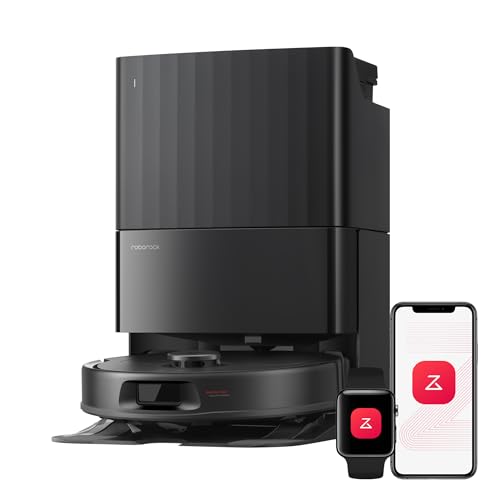
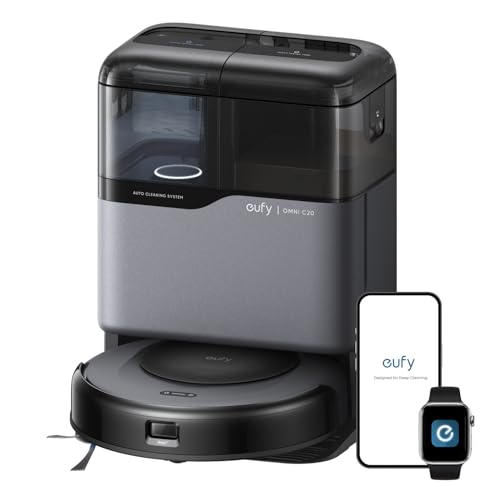
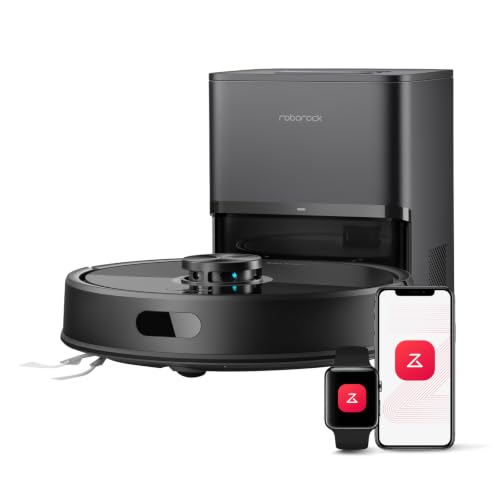
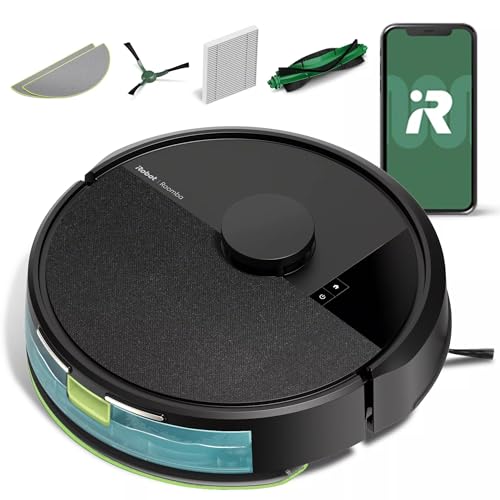

What an Extra $100 Buys You Over the $300 Tier
Stepping up from a robot vacuum under $300 to one closer to $400 usually means a stronger motor, often rated well past 10,000 pascals, plus a navigation system that has moved past basic laser triangulation into full LiDAR or a hybrid camera setup. Obstacle avoidance improves too, catching cords and small toys instead of just walls and furniture legs. Runtime typically lands between two and three hours per charge, enough for most homes without a mid-cleaning recharge.
Brush design also gets more attention at this level. Tangle-resistant rubber rollers replace the bristle brushes still common under $300, which matters more for pet owners than any single spec on the page. None of these upgrades are dramatic on their own, but stacked together they close a real gap in day-to-day cleaning speed and reliability.
Build quality often improves too, though it rarely shows up in a spec table. Dock plastics feel sturdier, wheel suspension handles thresholds and rug edges without getting stuck as often, and side brushes tend to sit on a more durable mount. None of that shows up in a review headline, but it's the difference between a vacuum that still runs smoothly after a year and one that starts skipping rooms once a hinge or sensor loosens up.
Suction Numbers vs. What Actually Happens on Thick Carpet
Pascal ratings on the box rarely predict how a vacuum performs on carpet you can sink a toe into. Independent testing consistently shows carpet pickup rates well below the marketing number, often somewhere between 60 and 70 percent even on well-reviewed models, because airflow loss through a tangled brush or a clogged filter matters as much as raw motor power. A model with a lower published rating but a genuine auto carpet-boost mode can outperform one boasting a bigger number on paper.
If your home leans heavily toward medium or high-pile rugs, look past the headline suction figure. Check for a dedicated carpet detection sensor, a brush roll rated for pet hair, and reviews that mention actual debris pickup rather than just noise level or app polish.
Battery drain is the other piece manufacturers rarely mention next to a big Pascal number. Boost mode on thick carpet pulls noticeably more power, which can cut a rated three-hour runtime down closer to ninety minutes on a carpet-heavy floor plan. If your home leans carpet over hardwood, plan for a shorter real-world cleaning window than the spec sheet suggests, and check whether the model resumes automatically after a recharge instead of stopping mid-room.
Is Multi-Floor Mapping Worth Paying For
Multi-floor mapping lets a vacuum store a separate layout for each level of a house, usually up to four or five maps depending on the brand. It sounds like a premium feature, and at this price it mostly is one, but the value depends entirely on your layout. Robots can't climb stairs on their own, so someone still has to carry the unit between floors and switch the active map by hand.
For a single-level home or an apartment, this feature adds little beyond what a single saved map already covers. For a house with a finished basement or a full second floor, it removes the hassle of the vacuum re-learning the space and drawing new no-go zones every time it changes rooms. Weigh it against your actual floor plan rather than treating it as an automatic must-have.
The app side of mapping matters just as much as the hardware. Room-specific scheduling, saved no-go zones, and the ability to rename rooms manually all rely on software that some brands execute better than others. A vacuum with strong sensors but a clunky, bug-prone app can still feel worse to live with day to day than a slightly simpler model that just works.
Reading the Spec Sheet Without Getting Misled
Marketing copy on the box tends to quote a vacuum's peak or boost-mode suction rather than what it runs at during a normal cleaning cycle, since the peak number is always the bigger one. The same goes for battery capacity, which is often listed in milliamp-hours rather than actual runtime, a figure that varies with floor type and how often boost mode kicks in. Treat any headline number as a starting point, not the full picture.
Dust filtration claims deserve the same scrutiny. Not every filter labeled as capturing fine particles meets a true HEPA standard, and the difference matters for households with allergies. Look for the actual filtration percentage and particle size in the fine print rather than trusting a badge on the box, and weigh independent test results over the brand's own marketing language whenever they're available.
Mop Attachments at This Price: Useful Extra or Marketing Checkbox
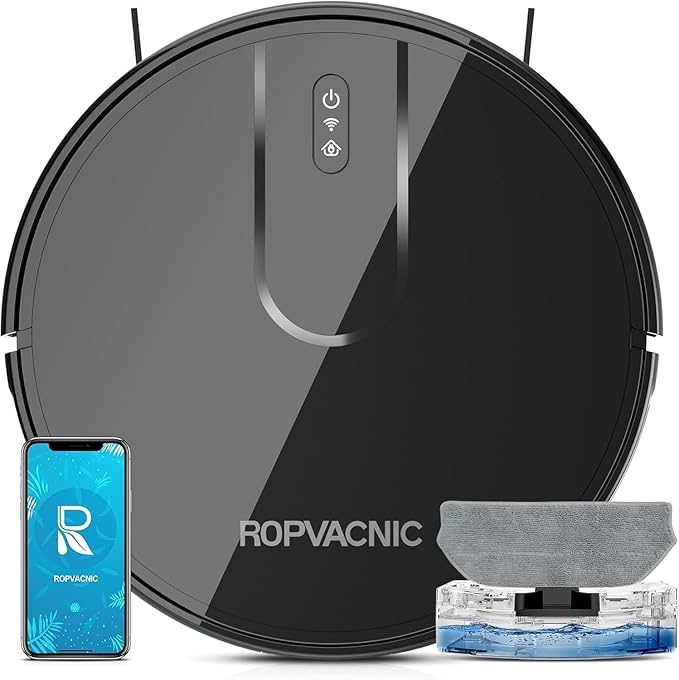
Combination units that vacuum and mop in one pass are common in this range, but the mechanics work against them. A water tank, a mop pad or cloth, and a fluid delivery system all have to share space with the vacuum's motor and dustbin, so something gives. At $400, that usually means a light damp-wipe pass rather than genuine floor cleaning, useful for maintaining already-clean hard floors between real mopping sessions but not a substitute for one.
Buyers who want mopping to actually matter, not just exist as a checkbox on the spec sheet, are often better served comparing dedicated options in a guide built around that feature, such as our roundup of the best robot vacuum and mop combos, where mop performance gets weighed on its own terms instead of being an afterthought bolted onto a vacuum.
Mop pad lifting also varies a lot between models. Some units at this price raise the pad automatically when they detect carpet, avoiding a soggy rug edge, while cheaper implementations either skip carpet zones manually set by the owner or drag a damp pad across them anyway. If your home mixes hard floors and rugs in the same open layout, check specifically for automatic pad lifting before assuming the mop feature will behave itself.
Why True Self-Emptying Still Isn't Standard Here
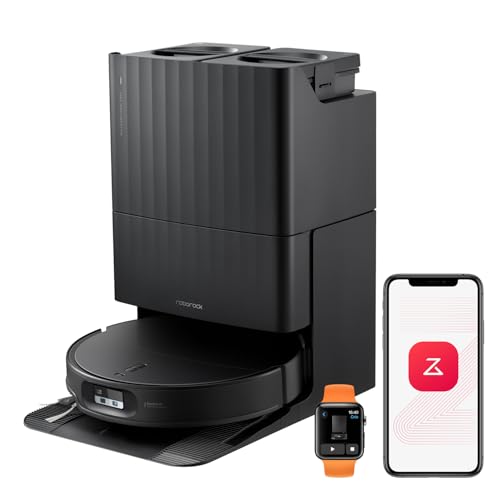
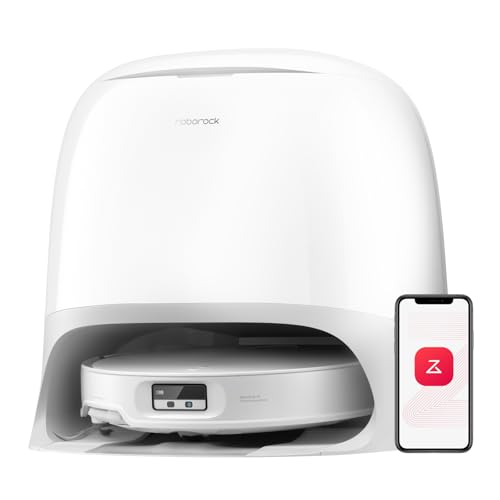
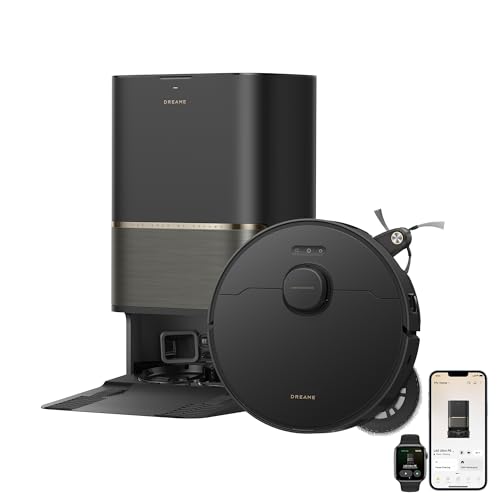
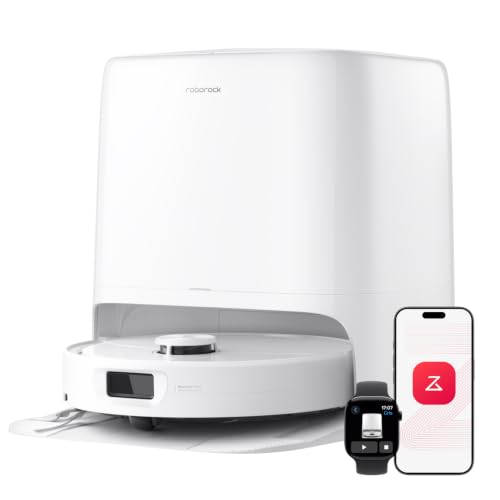
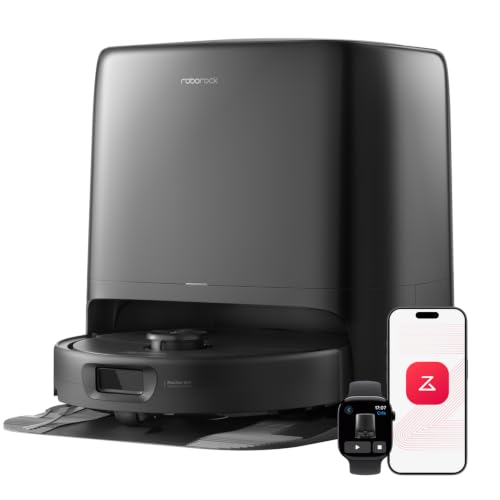
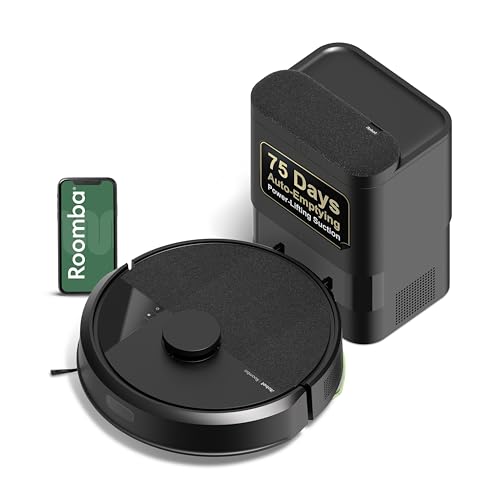
Some models at this price include a self-emptying dock, but expect trade-offs: a smaller bag, a shorter interval between empties, and quieter but weaker evacuation suction compared to what a dedicated hands-free system offers. Plenty of other models in this range skip the auto-empty base entirely and put that budget toward a bigger motor or better sensors instead, leaving you to empty the bin by hand every few runs.
The engineering trade-off is straightforward. A self-emptying dock adds a second motor, a larger base unit, and a disposable or washable bag, all of which cost money that could otherwise go toward suction power or navigation hardware. Brands building at exactly $400 have to choose one direction or the other, which is why the segment splits fairly cleanly between stronger-cleaning models with a basic dock and weaker-cleaning models that empty themselves.
If going weeks without touching the bin is the priority over everything else, it's worth comparing purpose-built options in our guide to the best self emptying robot vacuum, or checking what changes once you move up to a robot vacuum under $500, where auto-empty capacity and evacuation power both tend to improve.
Questions Worth Asking Before You Buy
Does a bigger suction number always mean better cleaning?
No. Airflow loss through the brush roll and filter matters just as much, which is why two vacuums with similar published ratings can perform very differently on the same carpet.
Can these vacuums handle a house with stairs?
Only within one level at a time. The vacuum can't climb stairs itself, so multi-floor mapping helps organize cleaning once you carry it between levels, but someone still has to make that move.
Is it better to buy a hybrid mop-vacuum or two separate machines?
For serious mopping, a dedicated mop or a higher-tier hybrid with a proper oscillating pad tends to outperform a $400 combo unit. For occasional touch-ups on hard floors, the built-in mop is usually enough.
Will the app features work with an older phone or smart speaker?
Most models in this range support common voice assistants and standard app scheduling, but check compatibility with your specific device before buying, since older smart speaker generations occasionally get dropped from support lists.
How long should the dustbin or bag last between empties?
Standard dustbins typically need emptying every one to three runs depending on pet hair volume. Compact self-emptying docks at this price stretch that to one or two weeks, well short of the month or more that premium systems offer.