Best Steam Mop for Hardwood Floors: Is It Actually Safe?
Disclosure: We may earn a commission when you buy through links on this page, at no extra cost to you. As an Amazon Associate I earn from qualifying purchases. Learn more
<p style="text-align:center">%product_image:6:1%</p>
You have probably seen the glowing reviews and the horror stories side by side, someone raving about how a steam mop finally got their hardwood spotless, and someone else posting photos of cupped, discolored boards a few months later. That contradiction is exactly why finding the best steam mop for hardwood floors is a different kind of search than picking one for tile or vinyl. Heat and moisture, the two things that make steam cleaning effective, are also the two things hardwood floors are built to resist over their lifespan. This guide walks through why manufacturers push back on steam for wood, how to tell if your floor is even a candidate, which features actually reduce risk, and the technique that separates people who steam mop for years without issue from the ones who end up refinishing a floor early.


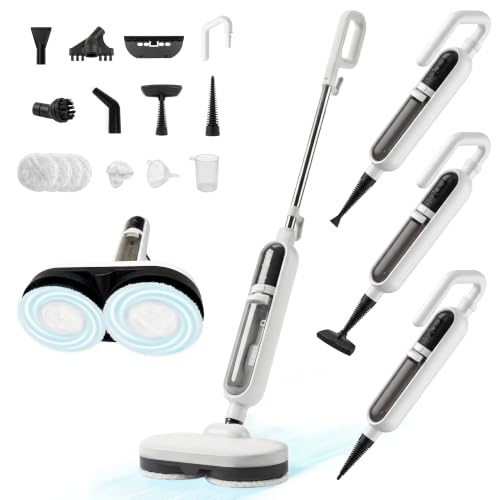

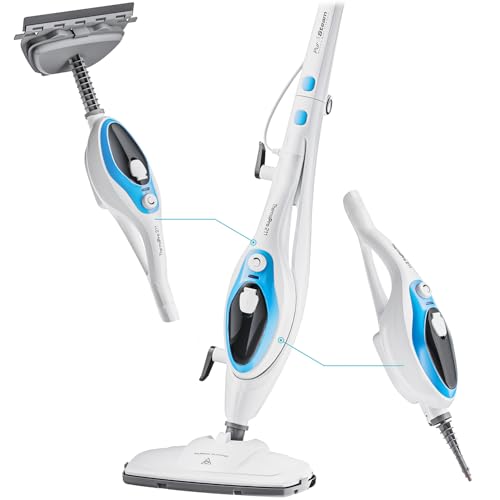
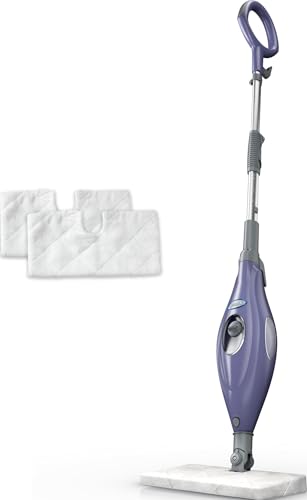
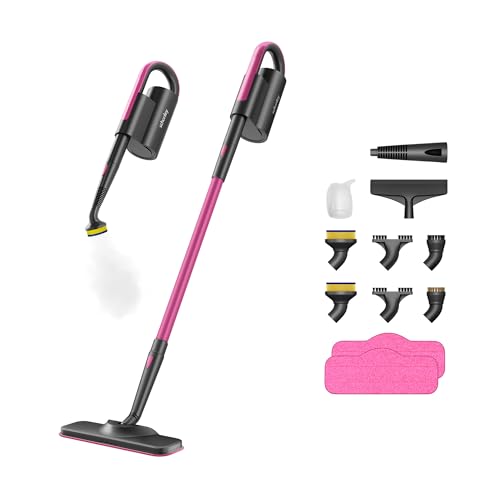


Why Manufacturers Warn Against Steam on Hardwood
Most major hardwood flooring manufacturers either discourage steam mops outright or limit their approval to very specific conditions. Industry groups back that position too. Both the National Wood Floor Association and the World Floor Covering Association advise against steam cleaners on hardwood, and that is not a minor detail buried in a manual, it is the official stance of the trade organizations that write the care standards flooring installers follow.
The Heat and Moisture Problem, Explained
A steam mop pushes out vapor somewhere in the range of 120 to 200 degrees Fahrenheit, hot enough to soften the protective finish on a wood floor just slightly, which is enough for moisture to work its way into scratches, seams, and the gaps between boards. Once water gets past the finish, the wood underneath absorbs it and swells. As it dries back out, it contracts again. Repeat that cycle a few dozen times and you get cupping, warping, and a finish that goes cloudy or starts to peel at the edges.
What a Voided Warranty Actually Means for You
Most hardwood floor warranties specifically exclude damage from excess moisture, and steam cleaning falls squarely into that category. If your floor develops warping or discoloration after regular steam use, the manufacturer has no obligation to cover repair or replacement, even if the floor is only a couple of years old. That is a real financial risk to weigh against the convenience of a chemical-free cleaning method, especially on floors you plan to keep for decades.
Sealed vs. Unsealed Hardwood: Why It Changes the Answer
Not every hardwood floor carries the same risk, and this is the single biggest factor that gets glossed over in generic buying advice. A fully sealed floor with an intact polyurethane finish has a real barrier between the wood and the steam. An unsealed, waxed, or oil-finished floor has essentially no barrier at all.
How to Tell If Your Floor Is Sealed
Run a few drops of water on an inconspicuous spot and watch what happens. If the water beads up and sits on the surface for a minute or two, the finish is doing its job. If it soaks in and darkens the wood within thirty seconds, you are looking at an unsealed, worn, or oil-finished surface, and steam should not touch it. Scratches, worn traffic lanes, and areas near doors or sinks are also worth checking separately, since a floor can be sealed overall but compromised in specific high-wear spots.
When Steam Should Stay Off the Table
Skip steam entirely on unsealed hardwood, wax-finished floors, oil-finished floors, antique or reclaimed wood, and any floor with visible scratches, gouges, or a finish that has started to dull or peel. Engineered hardwood with a thin veneer layer deserves extra caution too, since there is less wood to sand down if moisture damage does occur, and some engineered products explicitly exclude steam cleaning from their care instructions.
Steam Control Features That Actually Protect Your Floors
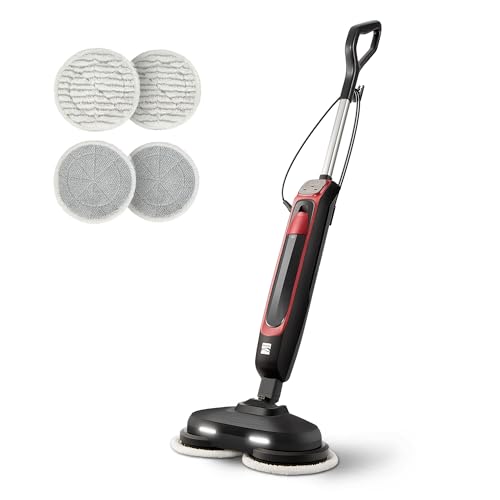
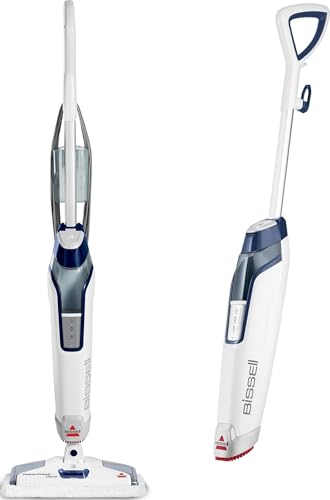
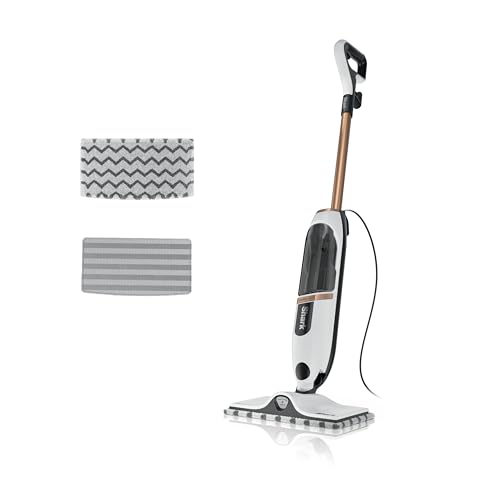
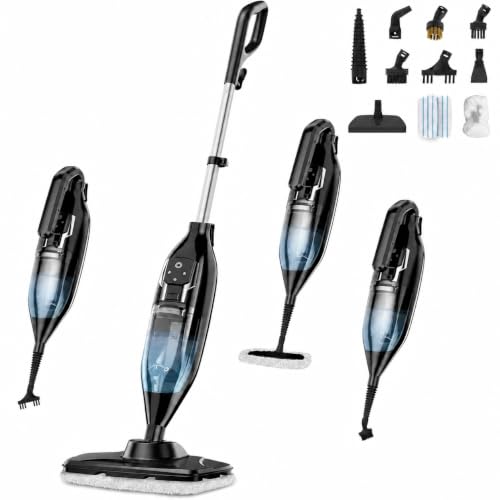
If your floor passes the sealed-surface check and you decide steam is worth the convenience, the mop itself becomes the second line of defense. When you're comparing a best steam mop for hardwood floors, the marketing copy tends to focus on cleaning power, but on wood, control matters more than raw output. Not every feature listed on the box actually reduces risk.
Adjustable Low-Steam and a Dedicated Wood Setting
A single fixed steam output is the worst setup for hardwood, since it gives you no way to dial back moisture on a delicate surface. Look for at least two or three steam levels, ideally with a setting explicitly labeled for wood or delicate floors rather than just "low." The lower the setting, the less water vapor is released per pass, which directly limits how much moisture has a chance to reach the wood before it evaporates.
Pad Material That Absorbs Instead of Pools
A soft, absorbent microfiber pad pulls moisture up as you mop rather than letting it sit on the surface, which matters more on hardwood than on tile or stone. Thin, stiff, or low-quality pads tend to push moisture around instead of lifting it, leaving damp patches behind that have more time to seep into seams. A machine-washable pad that stays absorbent after repeated washes is worth paying more for if hardwood is your primary floor.
How to Steam Mop Hardwood Without Warping It
Plenty of people steam mop sealed hardwood for years with zero issues, and the difference usually comes down to technique rather than luck or a specific model.
Water, Settings, and Technique That Matter
Use distilled water instead of tap water. It is not just about protecting the mop from mineral buildup, distilled water also produces more consistent, predictable steam output, which makes it easier to stay on the lowest effective setting. Keep the mop head moving constantly and never let it hover or sit in one spot, since standing steam is what actually drives moisture into the finish rather than letting it evaporate off the surface. Start with the lowest steam level available and only increase it if the floor genuinely needs more, rather than defaulting to a higher setting out of habit. Let the floor air dry fully between passes instead of walking on it right away.
How Often Is Too Often
Even on a well-sealed floor, steam mopping daily or every other day pushes your luck, since it compounds the swell-and-shrink cycle faster than the wood can settle. Once every week or two is a more reasonable ceiling for most sealed hardwood, paired with regular sweeping or vacuuming in between to handle everyday dust and grit. If you would rather hand off floor maintenance entirely, a robot vacuum and mop set to a light, damp-mop mode avoids the heat-and-moisture combination altogether and can run more frequently without the same risk.
For a broader look at steam mops that work across tile, laminate, and carpet in the same household, our general steam mop buying guide covers that ground if hardwood is not your only floor type.
Frequently Asked Questions
Can you use a steam mop on hardwood floors?
Only on fully sealed hardwood with an intact finish, and even then with caution. Unsealed, waxed, or oil-finished wood should never be steamed, since moisture has no barrier to stop it from reaching the wood underneath.
Will a steam mop ruin my hardwood floors?
It can, particularly with frequent use, high steam settings, or on a floor that is not properly sealed. Damage typically shows up as cupping, warping, or a cloudy finish rather than something obvious after a single use, which is why the risk often goes unnoticed until it has already happened.
Does a steam mop void a hardwood floor warranty?
Often, yes. Most warranties exclude moisture-related damage, and steam cleaning is generally treated as excess moisture exposure regardless of how carefully you used it. Check your specific flooring warranty language before relying on steam as a regular cleaning method.
Can you use a steam mop on engineered hardwood?
Some engineered hardwood can tolerate light steam if the finish is fully intact, but the thin wood veneer on top leaves very little margin for error. Check the manufacturer's specific care instructions rather than assuming it behaves the same as solid hardwood.
Is tap water safe to use in a steam mop?
It will work, but distilled water is the better choice for hardwood specifically. It reduces mineral buildup in the machine and produces steadier, more predictable steam output, which makes it easier to keep moisture levels low and controlled.
How often should you steam mop hardwood floors?
Once every week or two is a reasonable ceiling for well-sealed floors. Daily or near-daily steaming increases the odds of long-term moisture damage even when each individual session seems fine.
What's the safest alternative if I'm not sure my floor can handle steam?
A barely-damp microfiber mop with a pH-neutral, hardwood-specific cleaner is the safer default recommended by most flooring experts. It gets floors clean without introducing the heat that softens finishes and drives moisture deeper into the wood.
Making the Call for Your Floors
Steam can work on hardwood, but only within a fairly narrow set of conditions: a fully sealed finish, a mop with genuine low-steam control, distilled water, constant motion, and a cleaning schedule that gives the wood time to fully settle between sessions. Chasing the best steam mop for hardwood floors only pays off once those conditions are met. If any of those pieces are missing, a gentle damp-mop routine is the safer bet. Whichever route you choose, checking your specific floor's finish and warranty terms first will save you far more trouble than any single feature on the mop itself.