
Best Nonstick Copper Pans: A Complete Buying Guide
Disclosure: We may earn a commission when you buy through links on this page, at no extra cost to you. As an Amazon Associate I earn from qualifying purchases. Learn more
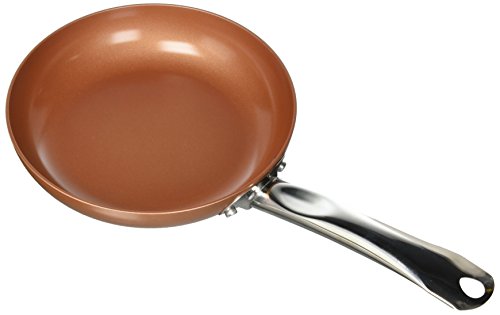
Search "nonstick copper pans" and you'll land on a wall of bright orange skillets promising effortless food release, scratch-proof surfaces, and the kind of stovetop-to-oven flexibility usually reserved for cast iron. These are the As-Seen-On-TV style pans built around a copper-tinted ceramic coating, not the professional copper cookware you'd find bonded to a stainless steel core. Before you add one to your cart, it helps to know exactly what you're buying, where these pans genuinely deliver, and where the marketing tends to run ahead of reality.
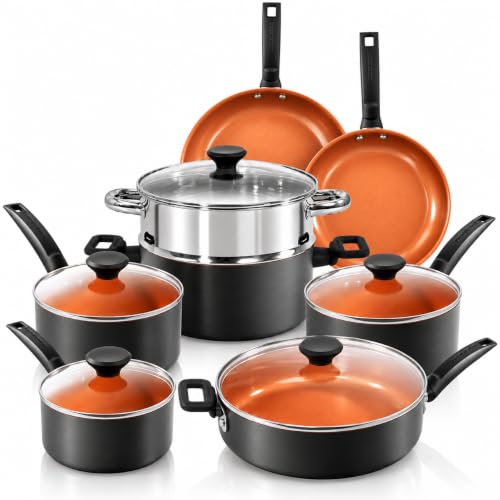
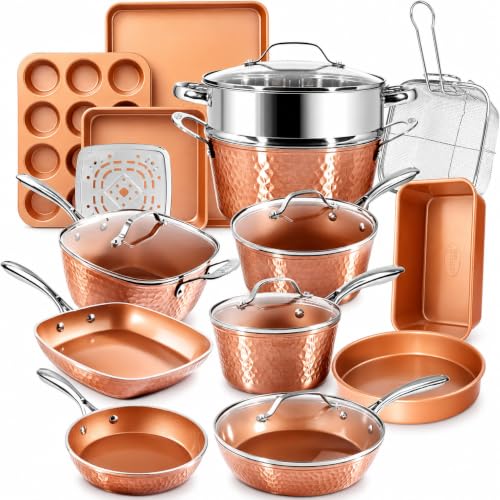
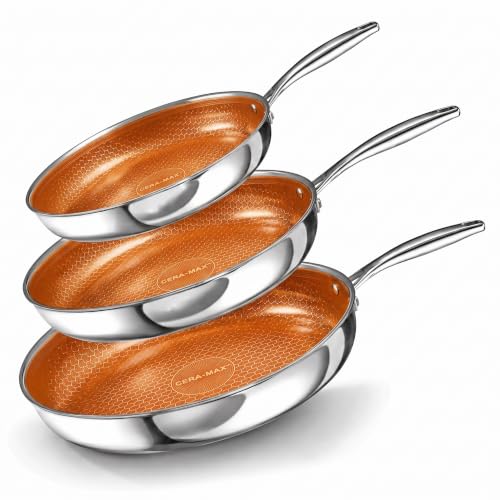

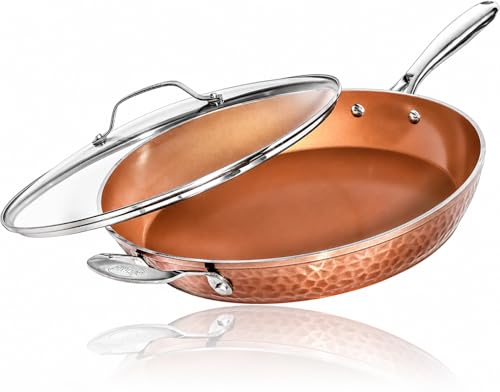
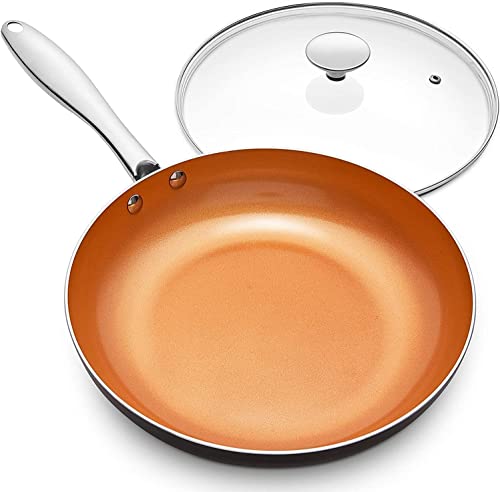
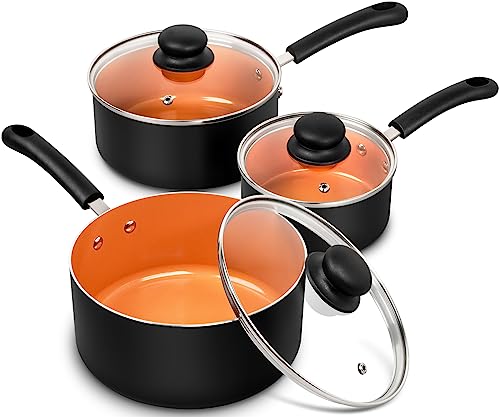
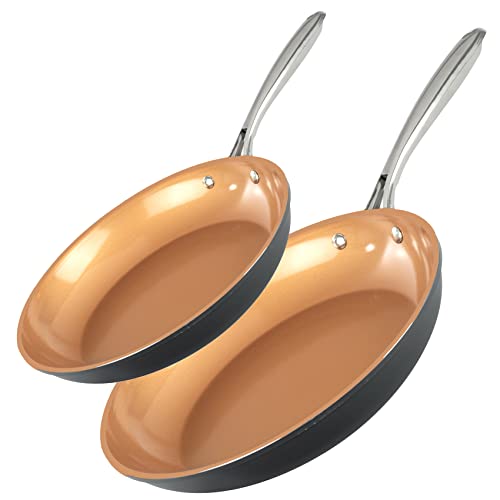

What "Copper" Really Means in These Pans
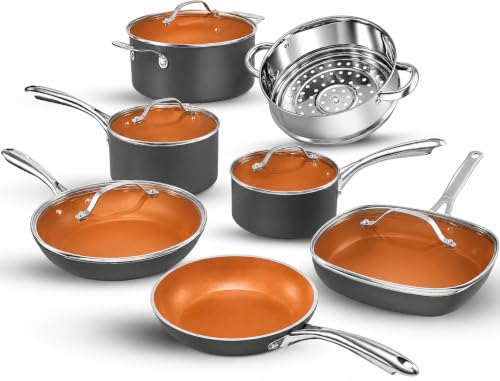
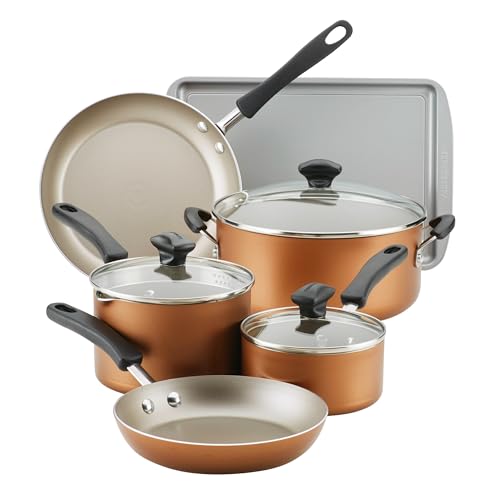
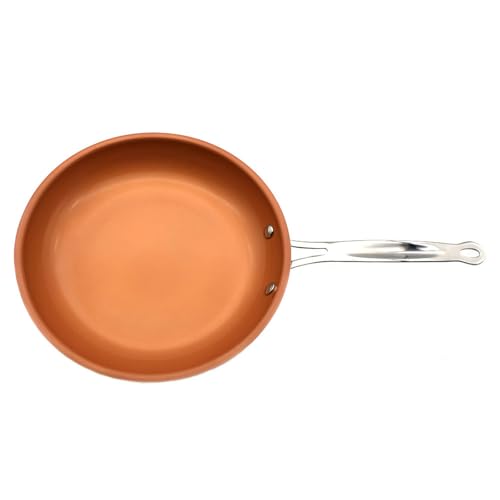
The name is doing a lot of work here. On almost every pan in this category, the body is stamped or pressed aluminum, sometimes hard-anodized for extra rigidity, and the cooking surface is a ceramic-based nonstick coating tinted with copper pigment. A handful of brands mix a small amount of actual copper dust into that coating, but by their own product descriptions, it's there for color and marketing appeal rather than any meaningful boost to heat conductivity. If you're picturing the dense, heavy copper cookware used by professional chefs, that's a different product entirely, and it costs several times more.
That distinction matters because it sets your expectations correctly. You're not paying for copper's legendary heat conduction. You're paying for a lightweight, budget-friendly nonstick pan with a coating that happens to be copper-colored. Judged on those terms, quality varies a lot between brands, mostly in how thick the aluminum base is and how well the ceramic layer is bonded to it. A thin, flimsy base is far more prone to warping and uneven heat, which is one of the most common complaints in this category. If a sturdier metal body matters more to you than the copper look, a hard-anodized cookware set gives you similar nonstick convenience without the marketing detour.
Why Nonstick Performance Fades Faster Than the Marketing Suggests
Almost every review of these pans lands on the same observation: they work beautifully for the first several weeks or months, then gradually need more oil and a gentler spatula to get food to release cleanly. That's not a defect isolated to one brand. It's how ceramic nonstick coatings behave in general, and it's part of why these pans look so impressive in a short demo video but get more mixed reviews once people have used them daily for a while.
A few habits accelerate that decline. Preheating an empty pan on high heat stresses the coating before food ever touches it. Cooking with cooking sprays that contain propellants can leave a sticky residue that builds up over time and actually makes food stick more, not less. And despite "scratch-resistant" claims on the packaging, metal utensils will shorten the coating's working life noticeably faster than silicone or wood. None of this means the pans are a bad buy, but it does mean the nonstick performance you see out of the box isn't the performance you should expect a year later.
Reading the Fine Print on Induction and Oven Compatibility
Two details trip up more buyers than anything else: induction compatibility and oven-safe temperature limits. A plain aluminum pan will not work on an induction cooktop because induction relies on a magnetic base, and aluminum isn't magnetic. Some copper-coated pans solve this with a stainless steel induction plate bonded to the bottom, but plenty don't, so you have to check the base construction rather than trust the "works on all stovetops" claim on the box. If induction is your setup, it's worth confirming compatibility line by line, or looking at cookware built for it from the start, like the options covered in our induction cookware guide.
Oven-safe ratings also vary more than shoppers expect. It's common to see limits anywhere from around 350°F up to 500°F or higher, and in most cases the coating itself can handle more heat than the pan's weakest link, which is usually a plastic or rubberized handle grip, or the rivets holding the handle on. Always check the handle material specifically, not just the headline oven-safe number, especially if you plan to finish dishes under a broiler.
Habits That Keep the Coating Working Longer
Since coating wear is the main long-term weakness of this category, a few consistent habits go a long way toward getting your money's worth. Hand washing with a soft sponge, rather than running these pans through the dishwasher, is the single biggest factor reviewers point to for extending nonstick life; dishwasher detergent is abrasive enough to dull the coating over repeated cycles. Letting a hot pan cool gradually before rinsing it under cold water also matters, since the sudden temperature swing is a common cause of warping in thinner aluminum bodies.
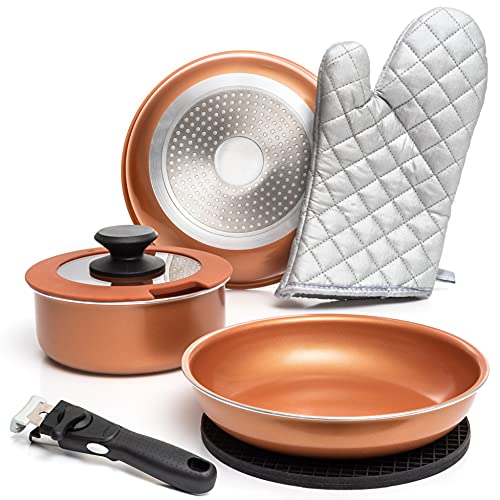
Stick to low or medium heat for most cooking, since these coatings aren't designed for the high-heat searing that stainless steel or cast iron can handle. Use a small amount of oil or butter even when the pan is new, both to protect the surface and to get more even browning. And store these pans with a cloth or pan protector between them and anything stacked on top, since scratches from careless storage are just as common as scratches from cooking. If you'd rather build a full set with matching care requirements instead of mixing single pans, a dedicated nonstick cookware set keeps the coating type and care routine consistent across every piece.
Frequently Asked Questions
Is a copper-coated nonstick pan actually copper? No, not in any structural sense. The body is typically aluminum, and the copper color comes from pigment in the ceramic coating rather than a layer of real copper metal.
Are these pans PFOA-free? Most current models are marketed as PFOA-free and PTFE-free, since they rely on a ceramic coating rather than traditional Teflon-style nonstick. It's still worth checking the specific product listing, since formulations differ between brands.
Why did my pan stop being nonstick after a few months? This is the most common complaint with ceramic coatings generally. High heat, metal utensils, aerosol cooking sprays, and dishwasher cycles all wear the coating down faster than gentle stovetop use and hand washing.
Can I use metal utensils on a copper-coated pan? You can, but it will shorten the coating's lifespan. Silicone, wood, or nylon utensils are the safer choice if you want the nonstick surface to last.
Will a copper-coated pan work on my induction stove? Only if the base includes a magnetic stainless steel plate. Plain aluminum construction will not heat on induction, so check the base material before buying if that's your cooktop type.
Matching the Pan to How You Actually Cook
These pans make the most sense for everyday, lower-heat cooking, like eggs, pancakes, delicate fish, or sauces where easy release matters more than searing power. If your kitchen leans toward high-heat cooking, cast iron or stainless steel will hold up better over time. If you mostly want a lightweight, easy-cleanup pan for daily meals and you're realistic about the coating needing gentle care and eventual replacement, this category can be a genuinely good fit, as long as you buy it for what it is rather than for the copper name on the label.


