Best Induction Cookware: The Complete Buying Guide for Every Kitchen
Disclosure: We may earn a commission when you buy through links on this page, at no extra cost to you. As an Amazon Associate I earn from qualifying purchases. Learn more

Your new glass cooktop hums to life, you set a pan on the burner, and nothing happens. No sizzle, no heat, just a flashing error light. If that scenario sounds familiar, you already know why induction cookware matters so much. Unlike gas or electric coil stoves, induction cooktops only work with pots and pans that respond to a magnetic field, which means half of what's currently in your cabinet might be useless the day you switch. This guide walks you through what actually makes cookware induction-ready, the material types worth considering, how to keep your pans performing well for years, and the mistakes that trip up first-time buyers.



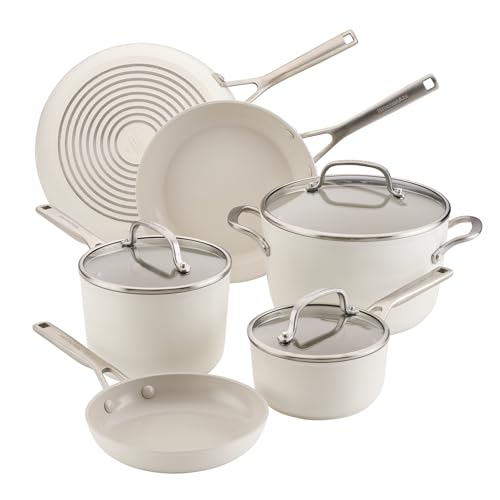

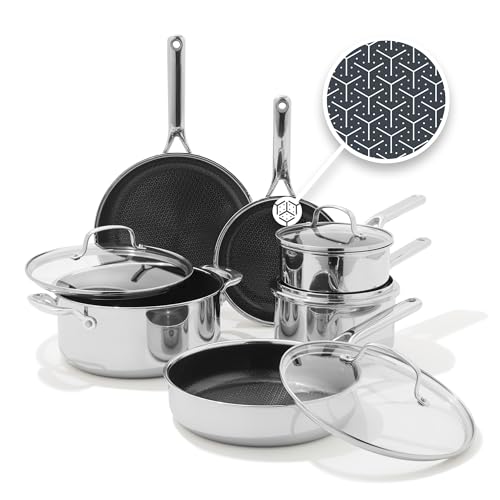


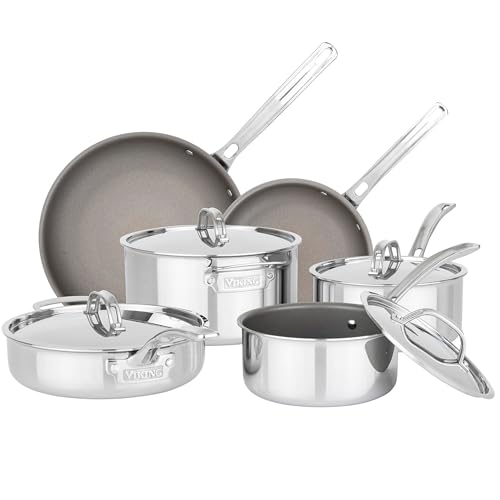

What to Look for in Induction Cookware
Not every pot and pan advertised as premium will work on an induction burner. Before you buy a single piece, it helps to understand the handful of features that actually separate cookware that performs well from cookware that just sits there looking pretty.
A Magnetic, Induction-Ready Base
Induction cooktops generate heat through a magnetic field, so the bottom of your cookware needs to be ferromagnetic to work at all. A quick way to check any pan you already own is the fridge magnet test: if a magnet clings firmly to the base, it will likely work.
Look for cookware explicitly labeled induction-ready or induction-compatible, since manufacturers test these for reliable contact with the coil. Skipping this check is the single most common reason people get cookware at home and can't get it to heat.
Material and Heat Conductivity
The material determines how evenly your food cooks and how quickly the pan responds to temperature changes. Stainless steel clad cookware, especially versions with an aluminum or copper core, tends to spread heat evenly and resists warping over time.
Cast iron holds heat exceptionally well but takes longer to heat up and cool down, which suits slow braises more than quick sautes. Whatever material you choose, make sure the manufacturer confirms an induction-compatible base, since not every version of a material is guaranteed to work.
Base Flatness and Thickness
A warped or thin base loses contact with the cooktop surface, which causes hot spots and inconsistent cooking, and on induction it can also trigger error codes or shut the burner off entirely. Thicker, flat-bottomed cookware sits flush against the glass and maintains a stronger connection to the magnetic field.
Press a straightedge or ruler against the base in the store, if possible, to check for any curve or dip. Cheaper cookware is far more prone to warping after a few years of regular use.
Handle Comfort and Heat Resistance
Because induction heats up faster than gas or standard electric, handles heat up faster too if they aren't designed well. Look for stay-cool handles made from silicone, riveted stainless steel, or another heat-resistant material, and avoid anything that feels flimsy or wobbly when you lift a full pot.
Riveted handles tend to hold up longer than welded or screwed ones, especially with daily use. A comfortable, secure grip matters more than it seems once you're moving a pan full of hot soup across the kitchen.
Size Match for Your Cooktop Zones
Induction burners only heat the area directly covered by the coil, so a pan that's too small for its zone wastes energy and heats unevenly. Check the diameter of your cooktop's burner zones before buying a set, and pick cookware that matches or slightly exceeds that size.
Many induction ranges also have flexible or bridge zones designed for oversized griddles and roasting pans, so it's worth knowing what your specific cooktop supports. Buying a mismatched set is a common regret among people upgrading from a standard stove for the first time.
Types of Induction Cookware Explained
Once you know a piece will work on your cooktop, the next decision is material. Each type of induction cookware brings its own strengths and trade-offs, and most well-stocked kitchens end up mixing a few.
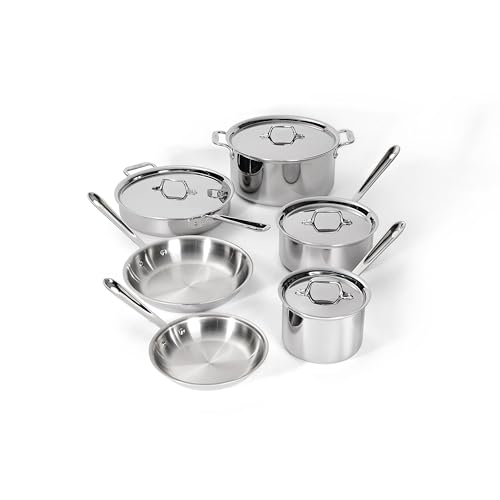
Stainless Steel Clad Cookware
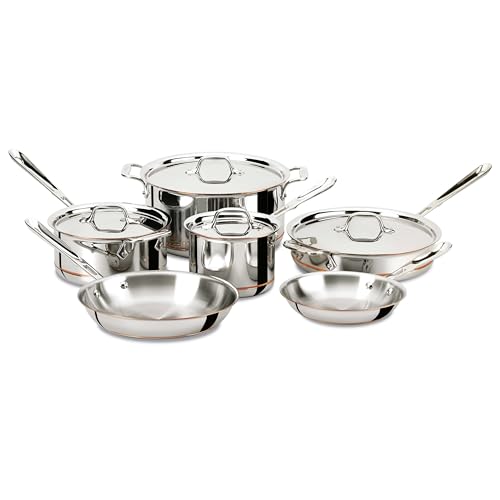
Stainless steel clad cookware, sometimes called tri-ply or multi-ply, sandwiches a layer of aluminum or copper between two layers of steel. That construction gives you the durability and non-reactive surface of steel with much better heat distribution than steel alone.
It's a strong all-purpose choice for searing, sauces, and everyday cooking, and it typically handles high oven temperatures without trouble. The main downside is that food can stick without enough fat or preheating, so it takes a bit of practice.
Cast Iron and Enameled Cast Iron
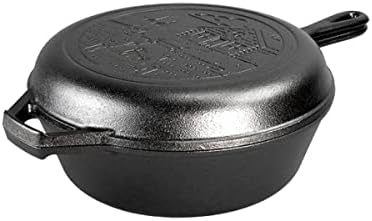
Bare cast iron is naturally magnetic, heats slowly, and holds onto that heat longer than almost any other material, which makes it excellent for searing and long, slow cooking. Enameled versions add a glass-like coating that resists rust and skips the seasoning process, though they're usually heavier and pricier than bare cast iron. Both types can be rough on a glass cooktop surface if dragged rather than lifted. If you go this route, plan on using pot protectors or simply picking pans up instead of sliding them.
Hard-Anodized Aluminum with an Induction Base
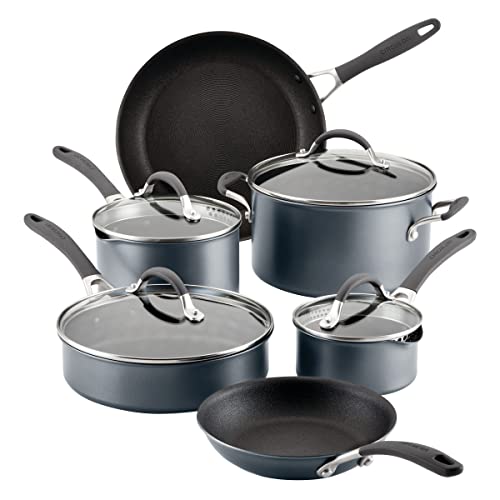
Aluminum on its own isn't magnetic, so hard-anodized aluminum cookware needs a bonded steel plate or disc on the bottom to work on induction. When that base is well engineered, you get aluminum's fast, even heating combined with induction compatibility, often at a lighter weight than steel or cast iron.
The catch is that the induction plate adds cost, and if it's poorly bonded, it can eventually separate from the pan. Check the warranty terms, since this is one area where build quality varies a lot from one product line to the next.
Carbon Steel Pans
Carbon steel behaves like a lighter cousin of cast iron: magnetic, seasons over time, and heats up faster while still handling high heat well. It's a favorite for stir-frying and searing because it responds quickly to temperature changes, something induction cooktops are especially good at delivering. Like cast iron, it needs seasoning and careful drying to avoid rust. For anyone who wants the performance of cast iron in a lighter, more maneuverable pan, carbon steel is worth a look.
How to Use and Maintain Induction Cookware Properly
Getting the right induction cookware is only half the equation, using it well makes it last. Induction burners respond to temperature adjustments almost instantly, so a heat setting that works on gas can scorch food on induction. Start lower than you think you need and adjust gradually, especially with oils and butter that burn quickly. Give thin cookware, in particular, a minute to stabilize before adding food, since fast heating can create hot spots in the center.
- Match the pan size to the burner zone, so heat spreads evenly instead of concentrating in the middle.
- Lift pans instead of sliding them to protect the glass cooktop from scratches.
- Let cast iron and carbon steel cool before washing to avoid warping from sudden temperature shifts.
- Dry cookware fully after washing, particularly cast iron and carbon steel, to prevent rust.
- Store pans with protective liners between stacked pieces to avoid scratching non-stick or enameled surfaces.
Wipe down the cooktop itself regularly too, since spilled food that burns onto the glass can scratch the next pan you set down.
Common Mistakes to Avoid
Even careful shoppers run into the same handful of problems when switching to induction. Knowing them ahead of time can save you money and frustration.
- Buying cookware without checking for a magnetic, induction-ready base first.
- Choosing thin, lightweight pans that warp quickly under induction's fast heat.
- Ignoring handle material and ending up with a grip that gets uncomfortably hot.
- Picking pans that don't match the size of the cooktop's burner zones.
- Cooking on the same heat settings used for a gas stove, which often scorches food.
- Skipping the warranty and return policy on induction-compatible non-stick cookware, which can wear out faster than steel or cast iron.
Taking a few extra minutes to check these details before checkout almost always pays off within the first few months of use.
Frequently Asked Questions
What makes cookware compatible with induction cooktops?
Cookware needs a magnetic base to work with induction, since the cooktop generates heat through a magnetic field rather than direct flame or a heating element. Materials like cast iron and carbon steel are naturally magnetic, while stainless steel and aluminum need to be layered or bonded with a magnetic plate. If a magnet sticks firmly to the bottom of a pan, it will almost always work on induction.
Can you use any pan on an induction stove?
No, only pans with a magnetic base will heat up on an induction cooktop. Pure aluminum, copper, and glass cookware without a bonded magnetic layer simply won't respond to the field, even if they work fine on gas or electric coil stoves. Always check for an induction symbol on the packaging or test with a magnet before buying.
Is stainless steel or cast iron better for induction cooking?
Both work well, but they suit different cooking styles. Stainless steel clad cookware heats more evenly and responds faster, which makes it better for sauces, sauteing, and everyday meals. Cast iron holds heat longer and handles high, steady heat better, making it a better fit for searing and slow cooking.
Can non-stick pans be used on induction cooktops?
Yes, as long as the pan has a magnetic base built into its construction, which is common in cookware designed specifically for induction. Older or budget non-stick pans made purely from aluminum typically won't work unless they include a bonded steel plate. Look for a clear induction-compatible label rather than assuming any non-stick pan will work.
Does induction cookware scratch glass cooktops?
It can, particularly cast iron, enameled cast iron, and any cookware with a rough or uneven base. Sliding pans across the surface is the biggest cause of scratches, so lifting cookware on and off the burner helps a lot. Keeping the cooktop clean of gritty debris also reduces the risk of surface damage.
How do I know if my current pots and pans will work on induction?
The simplest test is holding a refrigerator magnet against the base of the pan. If it grips firmly, the cookware is very likely induction-ready; if it slides off or doesn't stick at all, that piece won't heat on an induction burner. This test works on almost any pan regardless of age or origin.
Why does induction cookware need a flat base?
A flat, even base keeps full contact with the cooktop's surface, which maintains a strong connection to the magnetic field and heats the pan evenly. A warped or uneven base loses contact in spots, leading to inconsistent cooking and, on some cooktops, an error message or automatic shutoff. This is also why cheaper, thin cookware tends to underperform on induction even when it technically qualifies as magnetic.
Final Thoughts
Shopping for induction cookware doesn't have to be complicated once you know what actually matters: a magnetic base, a flat and sturdy build, and handles that stay comfortable through a full cooking session. Matching pans to your cooktop's zones and picking materials suited to how you actually cook will save you money over constantly replacing pieces that warp or underperform.
Whether you lean toward stainless steel clad sets, cast iron, or carbon steel, the goal is the same: cookware that heats evenly, responds quickly, and holds up over years of regular use. Take the time to check compatibility before you buy, and your next kitchen upgrade will feel effortless instead of frustrating.