Best 12 Quart Stainless Steel Stock Pot: A Complete Buying Guide
Disclosure: We may earn a commission when you buy through links on this page, at no extra cost to you. As an Amazon Associate we earn from qualifying purchases. Learn more
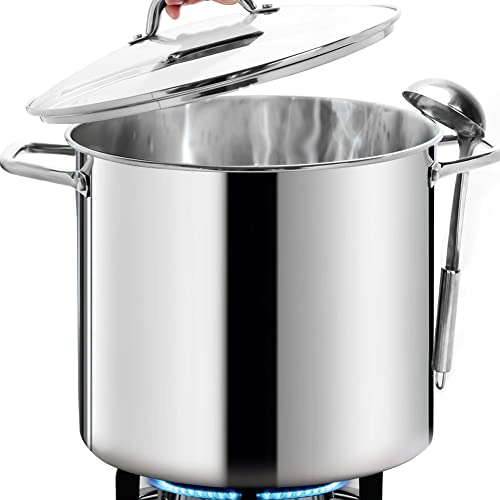
Cooking a big batch of chili for a crowd, canning a summer's worth of tomatoes, or simmering stock for hours all call for a pot most home cooks don't already own. A 12 quart stainless steel stock pot sits near the top of what a residential kitchen can comfortably handle, which makes it a smart pick for large families, weekend canners, and anyone who cooks in volume. It isn't the right size for every kitchen, though. Before you buy one, it helps to understand how a pot this size fits your burner, your storage space, and the amount of food you actually cook. Here's what to check first.
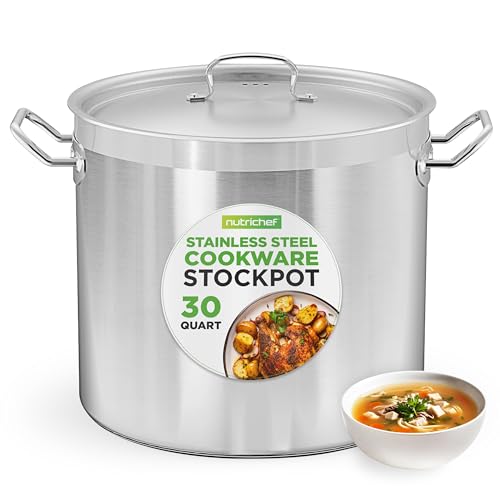

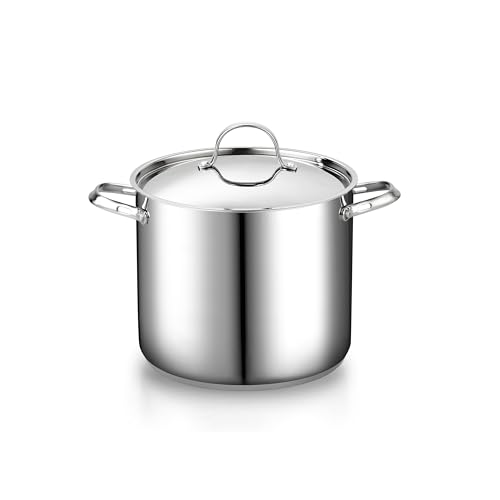
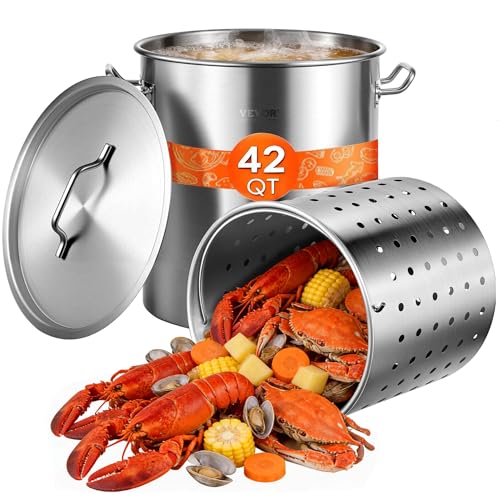
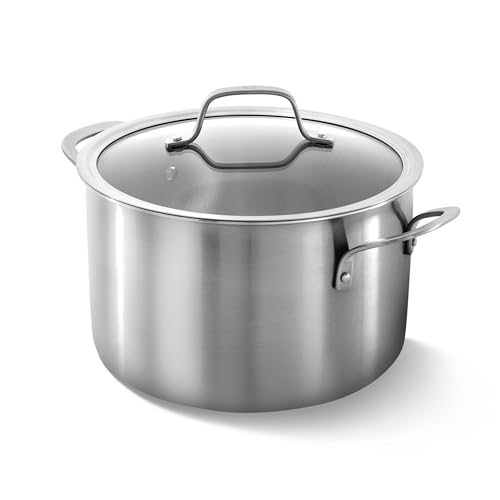
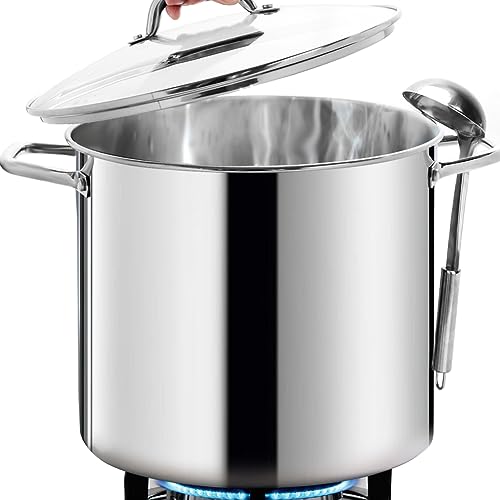
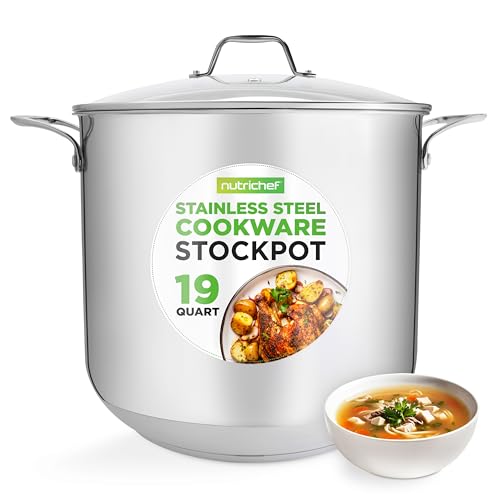
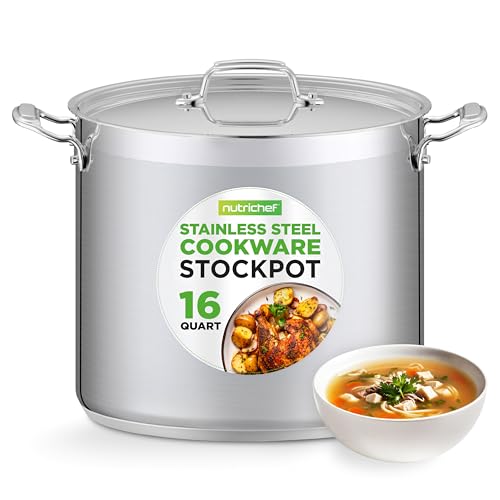
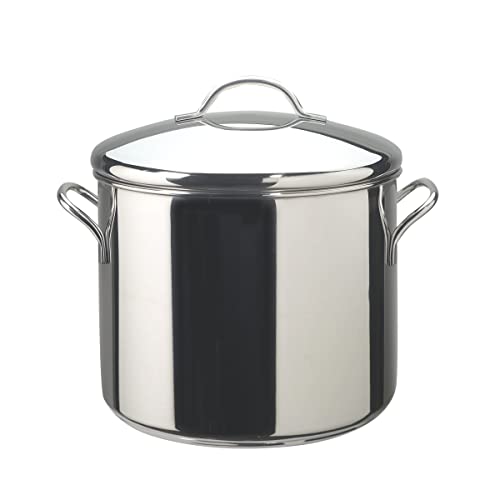

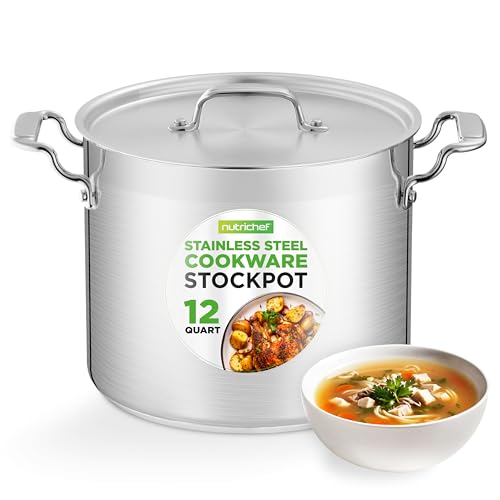
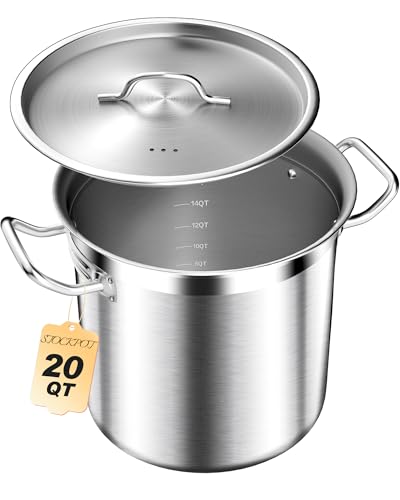
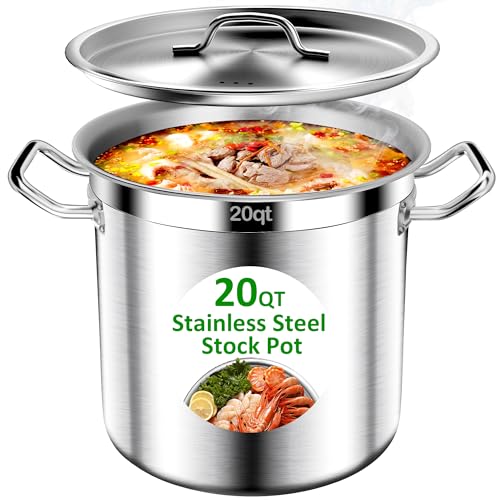
Is a 12-Quart Pot the Right Size for Your Kitchen?
Stock pot capacity should track how much you actually cook, not how much shelf space you have to spare. A pot in this range generally suits households of six or more, anyone who batch-cooks soups and sauces to freeze, and cooks who make stock from scratch rather than buying it by the carton. If you're feeding two to four people on a typical weeknight, an 8-quart stock pot will usually cover you with less counter space and lighter cleanup.
Canning and home brewing are two cases where sizing gets specific. For water bath canning, quart-size jars need a pot deep enough to submerge them under an inch or two of water, and a 12-quart pot is often just tall enough for that with a rack, though it typically holds fewer jars per batch than the larger 20-plus quart canners built specifically for the job. For home brewing, a full 5-gallon boil needs roughly 20 quarts of headroom, so a 12-quart pot works better for partial boils or smaller batches than for a complete all-grain brew day.
Matching the Pot to Your Stovetop and Storage
A pot this large only performs well if your cooktop can actually support it. Check the base diameter against your largest burner or induction zone; a stock pot that overhangs a burner heats unevenly around the edges, which matters more with a wide 12-quart base than it does with smaller cookware. On gas ranges, make sure the grates can bear the pot's weight once it's full without wobbling.
Storage is the part people forget to plan for. A 12-quart pot with its lid on can be too tall for a standard cabinet shelf and too wide to nest neatly with a full cookware set. Measure your cabinet height and any under-counter clearance before you buy, and check whether the handles add enough width to make the pot awkward on a narrow shelf.
Construction Details That Matter at This Size
Base construction has more impact on a large pot than it does on a small saucepan, since heat has farther to travel across the bottom before it reaches the center. Most manufacturers building a 12 quart stainless steel stock pot use one of two approaches: a fully clad base with an aluminum core sandwiched between steel layers, or a disc bottom where a thick aluminum disc is bonded only to the base. Fully clad construction heats more evenly across a wide bottom and tends to hold up better over years of hard use, while disc-bottom pots are usually lighter and less expensive.
If you cook on an induction range, confirm the base is rated as induction-compatible before you buy, since not every stainless pot in this size range is. For readers building out an induction-ready cookware collection, it's worth choosing a stock pot with the same base type as the rest of your set so heat performance stays consistent. Riveted handles are worth checking too. Welded or spot-welded handles can work loose under the strain of a full 12-quart pot, while solid rivets tend to hold up better over time.
Lifting and Handling a Full 12-Quart Pot Safely
A 12-quart stock pot filled with water weighs roughly 25 pounds before you add the pot itself, and closer to 30 pounds once you count the steel. That's enough weight that lifting and pouring technique matters more than it does with smaller cookware.
- Use both handles and keep your grip centered rather than lifting from one side, which can tip a full pot unexpectedly.
- Ladle out excess liquid before moving the pot to the sink instead of carrying it completely full whenever possible.
- For canning or draining pasta, use a separate strainer basket or tongs rather than tipping the whole pot toward you.
- Choose a stovetop position where you don't have to reach across other burners to lift the pot off.
Oven mitts with a solid grip matter more here than with lighter cookware, since a hot, heavy handle is harder to hold onto securely.
Caring for a Large Stainless Pot Without Wrecking It
Everyday cleanup for a stainless steel stock pot this size runs into a practical problem before it runs into a technical one: it often doesn't fit in a standard sink or dishwasher for soaking. Hand washing shortly after cooking, before food has a chance to bake on, saves a lot of scrubbing later. If you do need to soak it, fill it partway with warm water and dish soap rather than trying to submerge the whole thing.
Rainbow-colored discoloration and light scorch marks on the base are common with stainless steel exposed to high, sustained heat, and they're cosmetic rather than a sign of damage. A soak with diluted white vinegar or a paste made from a powdered stainless cleaner and water, worked in with a non-abrasive pad, usually clears both. Avoid dropping a hot pot straight into cold water, since the rapid temperature change can warp a thin base over time, and skip steel wool or harsh abrasives that can scratch the surface permanently.
Frequently Asked Questions
What size stock pot do I need for a family of four?
An 8-quart pot usually covers a family of four for everyday soups, pasta, and stews. Step up to 12 quarts if you regularly cook large batches to freeze or host bigger gatherings.
Is a 12-quart stock pot big enough for canning quart jars?
It can work if it's deep enough to cover jars with an inch or two of water, but it typically fits fewer quart jars per batch than the larger canners made specifically for water bath canning.
Can a 12-quart stock pot be used on an induction cooktop?
Only if the base is specifically rated as induction-compatible. Check the product listing or the base for a magnetic stainless layer before assuming it will work on an induction range.
How much does a 12-quart stock pot weigh when full of water?
Water alone adds roughly 25 pounds, and the pot's own weight typically brings the full total to around 30 pounds, depending on the gauge of steel used.
Will a 12-quart stock pot fit in a standard dishwasher?
Most won't fit fully in a standard dishwasher due to height and width. Hand washing is the more practical option for everyday cleanup.
What's the difference between a stock pot and a Dutch oven?
A stock pot is taller and narrower, built for boiling large volumes of liquid, while a Dutch oven is shorter and heavier, designed for braising and oven-to-stove cooking rather than big batches of liquid.
Why does a stainless steel stock pot develop rainbow discoloration?
High, sustained heat causes a harmless oxide layer to form on the chromium in the steel. It doesn't affect cooking performance and can usually be cleaned off with vinegar or a stainless-safe cleaner.
What burner size do I need for a 12-quart stock pot?
Look for your largest burner or induction zone, since a wide base performs best when it's fully supported and centered over the heat source rather than overhanging the edges.
Making the Call for Your Kitchen
A 12-quart pot earns its space in a kitchen that regularly cooks in volume, whether that's big-batch soups, stock made from scratch, or seasonal canning. If your cooking rarely calls for that much capacity, a smaller pot will serve you better day to day. Check your burner size and storage space before you buy, and pick a base construction that matches how you actually cook. Get the fit right, and a 12 quart stainless steel stock pot can become one of the most-used items in the kitchen rather than one that sits on a high shelf.