Best Copper Cookware Sets: A Complete Buying Guide
Disclosure: We may earn a commission when you buy through links on this page, at no extra cost to you. As an Amazon Associate we earn from qualifying purchases. Learn more
Shopping for the best copper cookware sets means weighing looks against real kitchen performance, and the two do not always line up the way marketing photos suggest. Copper is prized for how fast it responds to heat, which is why professional kitchens have relied on it for centuries, but the metal itself never touches your food directly. What separates a genuinely good set from an overpriced showpiece comes down to a handful of construction details: gauge thickness, the interior lining, and how the set was built and finished. This guide walks through what actually matters when you compare copper cookware, how tin-lined and stainless-lined options differ, what upkeep to expect, and what questions to ask before you commit to a set that can last for decades.
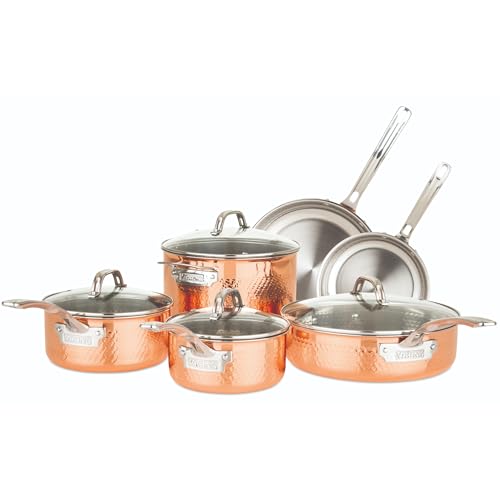
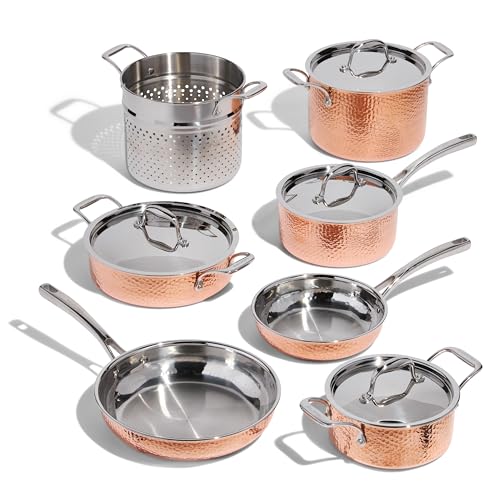
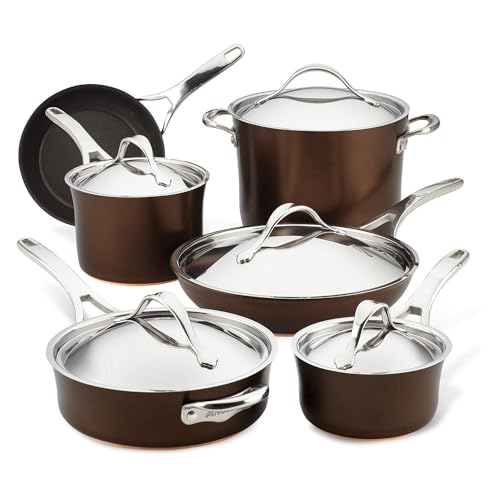
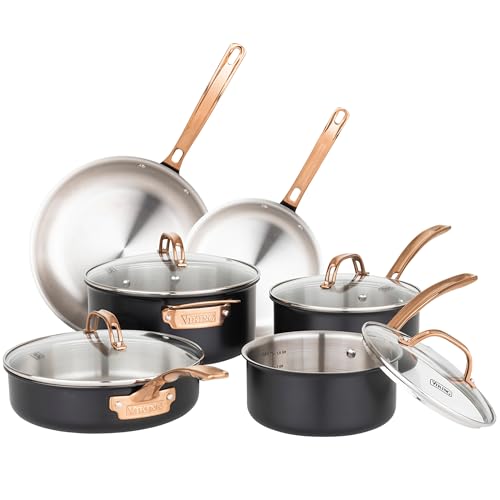
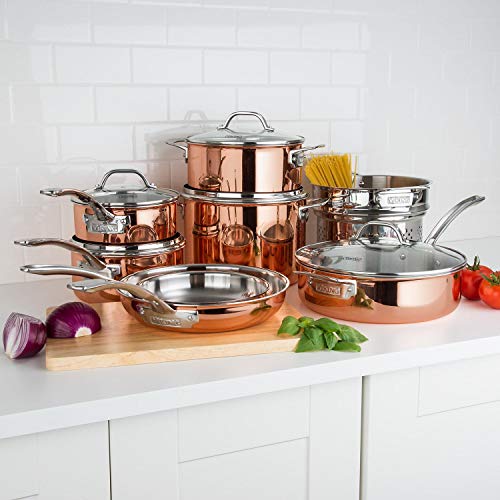
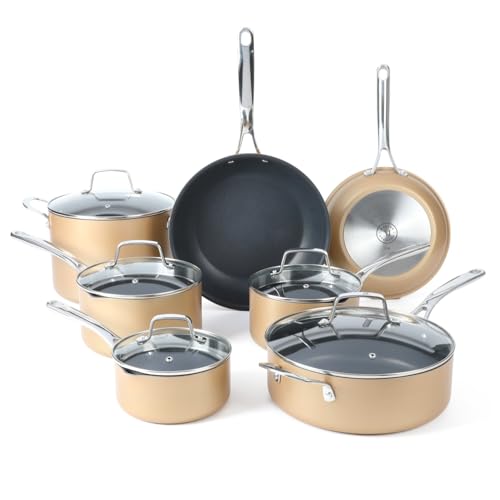
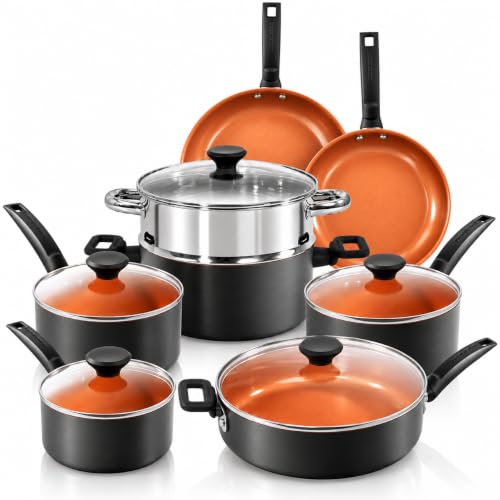
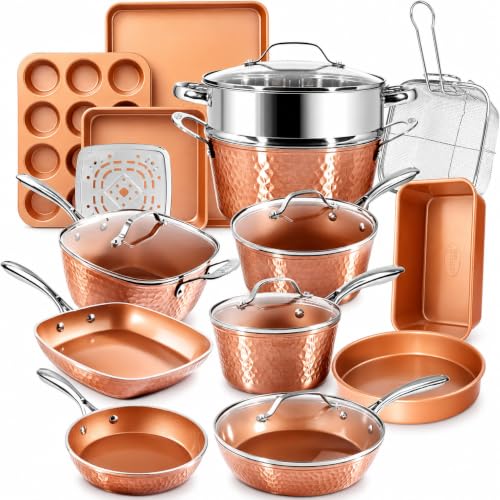

Copper Gauge and Interior Lining: What Actually Determines Performance
Two numbers tell you almost everything about how a copper pot or pan will actually cook: the copper's thickness and what lines its interior. Thin, decorative copper looks the part but will not hold heat evenly and dents easily. Serious cookware runs in the 2 to 2.5 millimeter range, thick enough to store and distribute heat without warping over years of stovetop use.
Tin Lining vs. Stainless Steel Lining
Copper reacts with acidic ingredients, so every pot needs a barrier between the metal and your food. Tin has been the traditional choice for centuries because it is naturally slick and conducts heat almost as well as the copper underneath, but it softens at high temperatures and eventually wears thin enough to need re-tinning by a specialist. Stainless steel linings trade a bit of that responsiveness for durability, holding up to searing heat and metal utensils without the maintenance schedule tin requires.
Induction Compatibility
Copper is not magnetic, so a copper pan will not work on an induction cooktop unless it has a magnetic stainless steel base or disk bonded to the bottom. If induction is how you cook, check the base construction specifically rather than assuming any stainless-lined set will work.
Fully Copper vs. Copper-Clad Construction
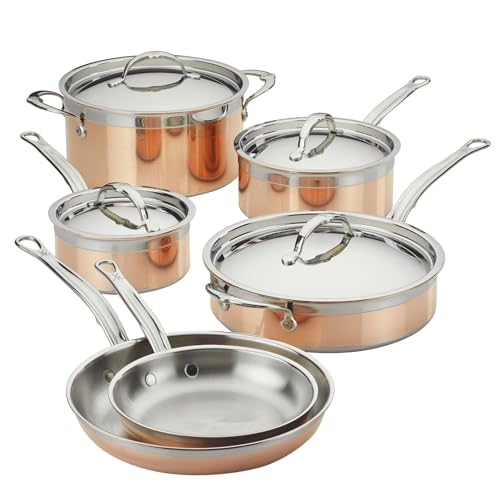
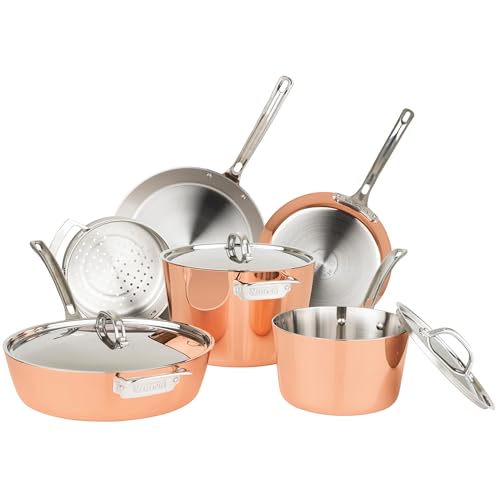
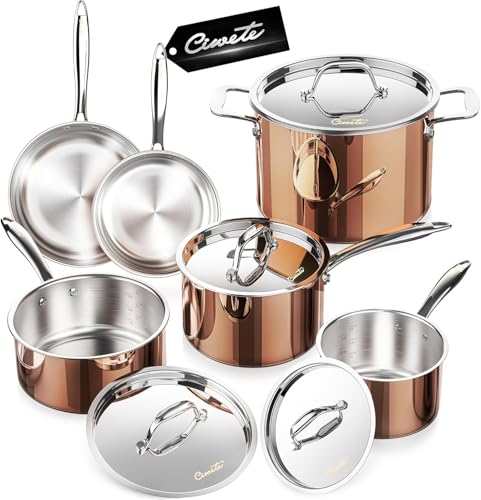
Not all copper cookware sets are built the same way, and the two dominant styles suit different cooks. Fully copper cookware, sometimes called solid copper, is made almost entirely from copper with only a thin interior lining. It heats and cools the fastest of any cookware on the market, which is why it turns up in professional pastry and sauce stations, and is the same style found in classic French copper cookware collections.
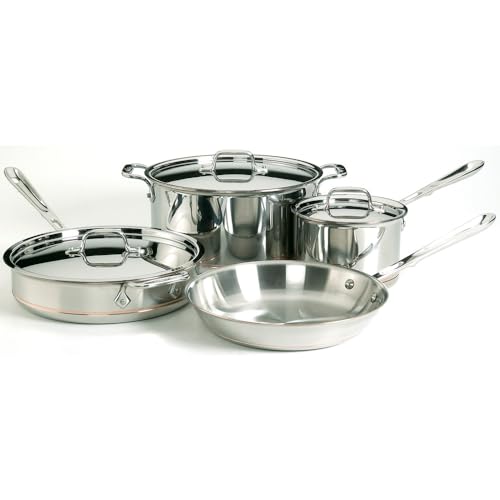
Copper-clad or copper-core construction sandwiches a layer of copper between layers of stainless steel, usually on the exterior base and sometimes running up the sides. You get a meaningful boost in heat responsiveness compared to plain stainless steel, along with the durability and easy cleanup of a stainless exterior. Clad copper cookware also tends to be lighter and less expensive than solid copper, making it the more practical choice for an everyday set rather than an occasional-use showpiece.
Why Copper Heats the Way Professional Chefs Expect
Copper conducts heat roughly ten times faster than stainless steel, which changes how a pot behaves the moment it hits the burner. Heat spreads across the entire cooking surface almost instantly instead of concentrating in a hot spot above the flame, so sauces cook more evenly and are far less likely to scorch in one corner while the rest stays underdone.
That same responsiveness works in reverse. Pull a copper pan off the heat and the surface temperature drops within seconds rather than continuing to cook your food on residual heat the way cast iron or thick stainless does. Cooks who work with sugar, chocolate, or delicate emulsified sauces rely on that quick reaction time to hit an exact temperature and hold it, since a few seconds of lag can mean the difference between a smooth caramel and a burnt one. For everyday cooking, the same trait simply means fewer scorched pan sauces and more consistent sears.
Keeping a Copper Set Looking and Cooking Its Best
Copper's exterior tarnishes as soon as it meets air, developing a dull brown patina that some cooks like left alone and others prefer to polish out. A dedicated copper polish or a simple mix of salt, flour, and vinegar restores the shine, and either approach works fine as long as you rinse the surface thoroughly afterward so no residue reaches your food.
Hand-washing is the standard recommendation for both tin- and stainless-lined pieces. Dishwasher detergent is harsh enough to dull the copper finish over time and can be rough on tin linings especially. A soft sponge and warm soapy water handle daily cleanup without issue.
Tin-lined pieces need one extra consideration: the lining will eventually thin out from cooking and cleaning, especially if you use metal utensils. When you start to see copper showing through in worn patches, it is time to send the piece out for professional re-tinning rather than continuing to cook on exposed copper. A well-maintained set can go decades between re-tinnings with reasonable care.
What Drives the Price of a Copper Cookware Set
The best copper cookware sets sit at the top of most kitchenware budgets, and the price reflects both the raw material and the labor involved. Copper itself costs significantly more than aluminum or steel, and thicker gauges use more of it, so a heavy 2.5-millimeter pot will always cost more than a thin decorative one of the same size.
Construction method also plays a large role. Hand-hammered or hand-finished pieces take skilled labor to produce and cost more than machine-formed cookware, even when the underlying materials are similar. Tin linings add cost too, both at the time of purchase and over the life of the set, since re-tinning is a recurring expense that stainless-lined pieces avoid entirely.
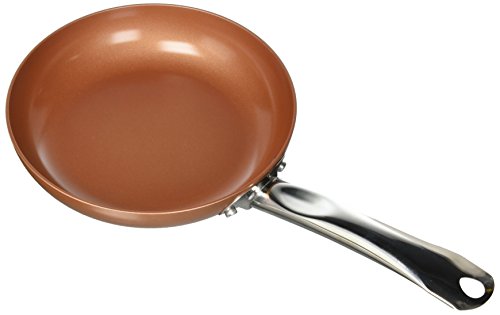
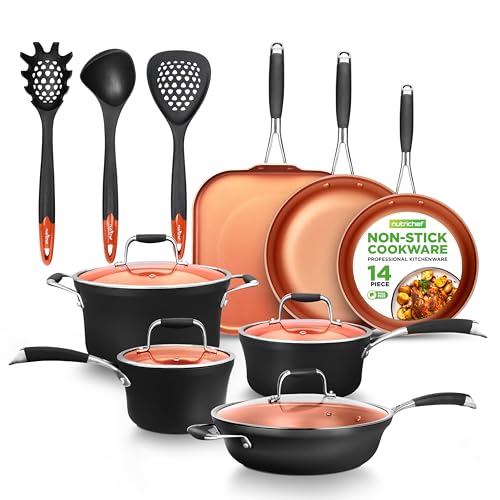
Set size and included pieces matter as well. A tightly curated set with a few workhorse pans, such as a saucier and a sauté pan, is often a smarter investment than a large set padded out with pieces you will rarely reach for. If a full set feels like more than you need, copper-bottom pans deliver similar responsiveness for the handful of pieces you actually use, at a lower entry cost.
Frequently Asked Questions
Is copper cookware safe to cook with?
Yes, as long as the interior is lined with tin or stainless steel. Unlined copper reacts with acidic foods and can leach into what you are cooking, so check that any piece you buy has an intact protective lining before use.
Can copper cookware go in the oven?
Most copper cookware handles oven use well, though the safe temperature depends on the handle material and the lining. Tin-lined pieces have a lower ceiling than stainless-lined ones, so check the manufacturer's specific oven rating before roasting or broiling.
Does copper cookware work on induction cooktops?
Only if it has a magnetic base. Copper itself is not magnetic, so induction compatibility depends entirely on whether the manufacturer bonded a magnetic stainless steel disk or layer to the bottom of each piece.
How often does tin lining need to be replaced?
It depends on frequency of use and how the pieces are cleaned, but many home cooks go ten to twenty years before re-tinning is necessary. Cooking with metal utensils and high heat wears the lining faster than gentle daily use.
Can you use metal utensils on copper cookware?
On stainless-lined copper, metal utensils are generally fine. On tin-lined copper, wood, silicone, or plastic utensils are strongly recommended, since metal can scratch and thin the relatively soft tin surface over time.
Why is copper cookware so heavy?
Copper is a dense metal, and cookware built thick enough to perform well needs more of it than lighter materials like aluminum. The weight is a byproduct of the same gauge that gives copper its heat retention and durability.
Is copper cookware worth the investment?
For cooks who value precise heat control, especially for sauces, candy, or delicate dishes, yes. For someone who mostly boils water and reheats leftovers, the premium may not translate into a noticeable everyday benefit.
Choosing the Right Set for Your Kitchen
The best copper cookware sets are the ones matched to how you actually cook, not the largest or shiniest option available. Think about whether you need the responsiveness of tin-lined copper for sauce work or the low-maintenance durability of a stainless lining for daily use, then let gauge thickness and construction quality guide the rest of your decision. A well-chosen copper set, cared for properly, is cookware that can realistically outlast the kitchen it started in.