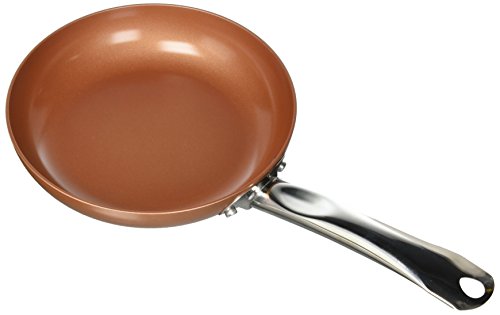
Best Copper Bottom Pans: A Complete Buying Guide
Disclosure: We may earn a commission when you buy through links on this page, at no extra cost to you. As an Amazon Associate we earn from qualifying purchases. Learn more

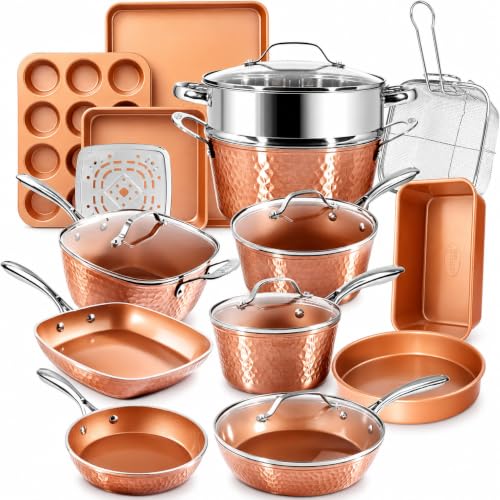
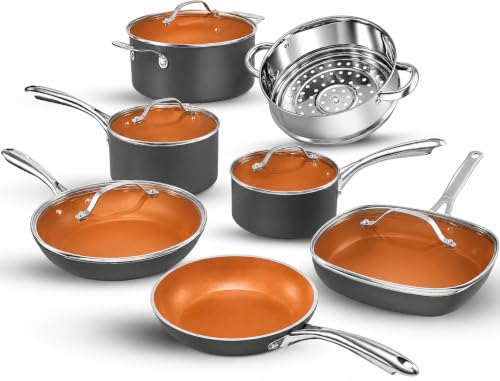
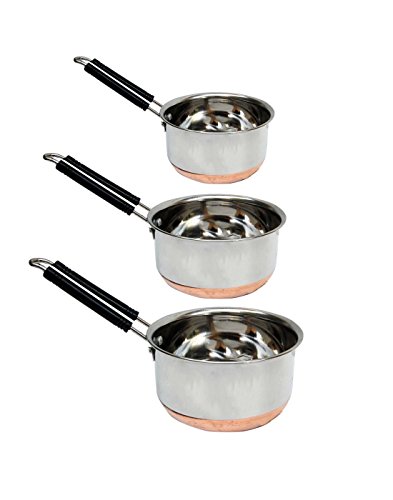
A shiny copper disc on the bottom of a saucepan or stockpot catches the eye in any kitchen store, but it also raises a fair question: is that pan actually made of copper, or is it something else with a copper patch stuck on the base? Copper bottom pans are stainless steel or aluminum cookware with a layer of copper bonded only to the underside, added specifically to speed up and even out heat transfer where the pan meets the burner. That is a very different build from fully clad copper cookware, where copper runs through the walls as well as the base. This guide covers what separates the best copper bottom pans from a purely decorative finish, how thick that copper layer needs to be to matter, why most of these pans will not work on an induction stove, and how to keep the copper finish looking good over years of use.

What Makes a Pan a "Copper Bottom" Pan
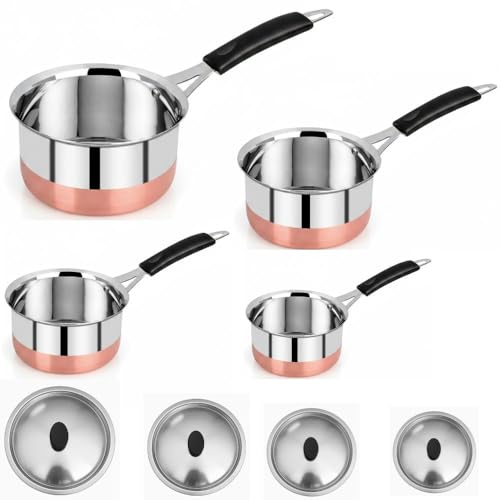
A copper bottom pan starts as a stainless steel or aluminum pot, then gets a separate disc or thin sheet of copper bonded to the exterior base through pressure and heat. The cooking surface inside the pan is still stainless steel or aluminum, so food never actually touches copper. The copper layer sits entirely on the outside, doing one job: pulling heat evenly across the base before it moves up into the pan's interior.
This construction shows up most often on classic stainless cookware lines, where the copper bottom is really a performance upgrade bolted onto an otherwise ordinary stainless pot. It is a budget-friendlier way to get some of copper's heat benefits without paying for a pan built from copper throughout.
Copper Bottom vs. Fully Clad Copper Cookware
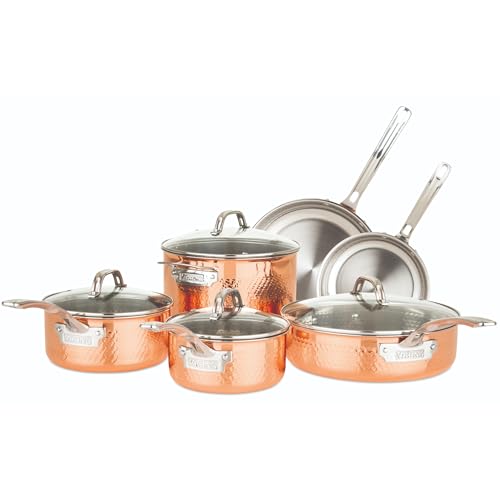
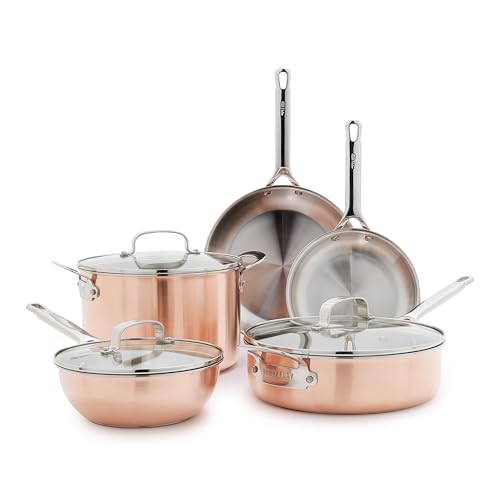
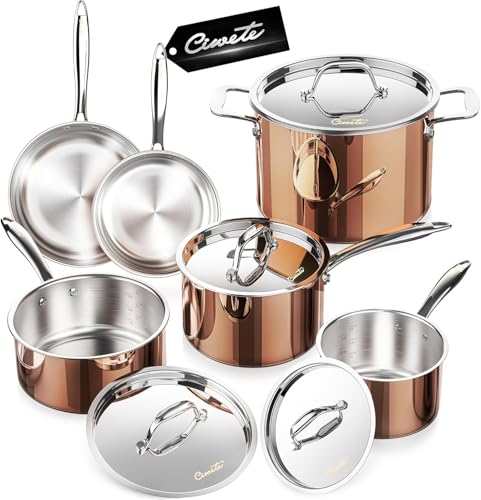
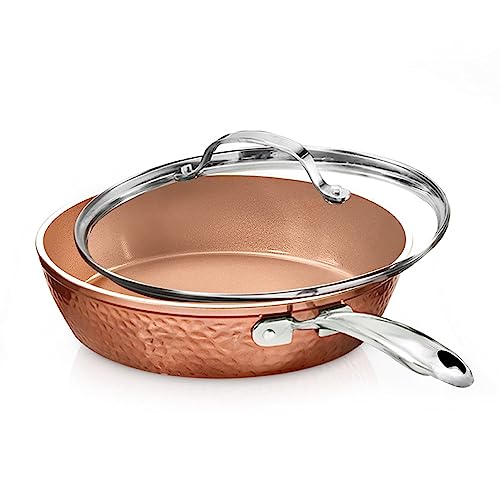
Fully clad or copper cookware sets sandwich copper between layers of stainless steel that run all the way up the sidewalls, not just across the base. That construction heats the sides of the pan as well as the bottom, which matters for techniques like reducing a sauce evenly against the walls or keeping a risotto from scorching along the rim. A copper bottom pan, by contrast, only gets that fast heat response where the disc sits, so the sidewalls behave more like a standard stainless or aluminum pan.
How the Copper Layer Affects Heat
Copper conducts heat several times faster than stainless steel on its own, which is why even a thin copper disc noticeably reduces hot spots compared to an all-stainless base. The tradeoff is that this benefit stops at the edge of the disc. Walls stay slower to respond to temperature changes, so a copper bottom pan behaves like a hybrid rather than a true copper pan.
Why Manufacturers Use a Disc Instead of Full Cladding
Bonding copper only to the base uses far less copper than cladding an entire pan, which keeps manufacturing costs and retail prices well below fully clad or traditional hammered copper cookware. For everyday cooking tasks like boiling, simmering, and general sauteing, a well-made copper bottom often delivers enough of an upgrade over plain stainless without the added weight and cost of copper walls.
What to Look for in Copper Bottom Pans
Not every copper bottom is created equal. A few specs separate a pan that actually performs better from one that added copper mostly for looks.
Copper Disc Thickness
Thickness is the single biggest factor in how much the copper layer actually helps. A very thin copper coating, sometimes barely more than a wash, adds shine but does little for heat distribution. Look for a disc with real measurable thickness bonded firmly to the base rather than a decorative film, since a thicker layer holds and spreads heat more consistently across the whole cooking surface.
Base Metal Quality
The metal underneath the copper matters just as much as the copper itself. Pans built on solid stainless steel tend to hold their shape better over years of stovetop use than thinner aluminum-bodied versions, and they resist warping when moved quickly between a hot burner and a cold sink. Check the gauge of the base metal, not just the presence of a copper disc, before assuming a pan will perform well long term.
Disc Coverage and Pan Diameter
A copper disc that only covers the very center of the base leaves the outer edge of the pan reliant on the base metal alone, which can create a ring of slower heating around the pan's perimeter. Wider coverage that extends closer to the pan's full diameter spreads that fast heat response over more of the cooking surface, which matters most for pans you use for sauces or delicate reductions.
Handle and Rivet Construction
Copper bottom pans tend to run a bit heavier than plain stainless cookware because of the extra bonded layer, so sturdy, well-riveted handles matter for comfortable, safe use. Stay-cool handle materials are worth prioritizing for saucepans that spend a long time on the stove, since a metal handle on a pan with a dense copper base can get uncomfortably hot.
Induction Compatibility: Why Most Copper Bottom Pans Fall Short
Induction cooktops heat cookware through a magnetic field, which means the pan's base needs to be magnetic to work at all. Copper itself is not magnetic, so a copper disc bonded to the outside of a pan contributes nothing toward induction compatibility one way or the other. What actually determines compatibility is the metal underneath and around that copper layer.
Many copper bottom pans use non-magnetic aluminum as their core, which means the pan will not activate an induction burner even though the surface looks similar to pans that do work. If the base is magnetic stainless steel with a copper disc added on top, induction compatibility depends entirely on that stainless layer, not the copper. Before assuming any copper bottom pan will work on your induction cooktop, run a simple test: hold a refrigerator magnet against the outside of the base. If it sticks firmly, the pan should work on induction. If it does not stick, or only sticks weakly, the pan will not heat properly on an induction burner regardless of how much copper is visible.
Common Pan Types With Copper Bottoms
Copper bottoms show up across a range of cookware shapes, and the benefit varies depending on what you are actually cooking in each one.
Saucepans
Saucepans are where a copper bottom earns its keep most obviously. Sauces, custards, and reductions all benefit from even, fast-responding heat at the base, since scorching usually starts as an uneven hot spot rather than an all-over overheat. A well-made copper bottom saucepan lets you make small temperature adjustments and actually feel them respond within seconds.
Stockpots
On a larger stockpot, a copper bottom mostly helps with getting a large volume of liquid up to temperature more evenly, reducing the chance that stock or soup near the center of the base scorches before the rest of the pot catches up. Because stockpots are usually simmered rather than actively adjusted, the copper bottom matters less for responsiveness and more for avoiding uneven heating during long cook times.
Sauté Pans and Skillets
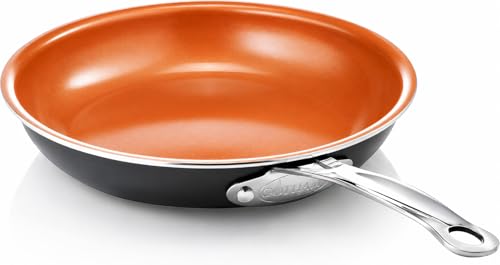
Wider, shallower pans benefit from copper bottoms too, particularly for tasks like searing where even heat across a broad surface prevents some areas from browning faster than others. The wider the pan, the more disc coverage matters, since a small copper disc in the center of a large sauté pan leaves a lot of the cooking surface without the benefit.
Caring for a Copper Bottom Finish
An exposed copper bottom looks great new, but it is also the part of the pan most likely to show wear over time.
Cleaning and Polishing
Copper tarnishes naturally from exposure to air, moisture, and cooking heat, turning from bright pink-orange to dull brown over time. This is cosmetic, not a sign of damage, and it does not affect how the pan cooks. A basic copper polish or a homemade paste using an acidic ingredient and a mild abrasive can restore shine when it starts to bother you. Rinse and dry the base thoroughly after polishing, since leftover polish residue can build up unevenly on the next use.
Preventing Excess Tarnish
Drying the pan promptly after washing, rather than letting it air dry with water sitting on the copper, slows down tarnishing noticeably. Avoid putting copper bottom pans in the dishwasher, since harsh detergents and prolonged moisture exposure accelerate discoloration and can dull the copper faster than handwashing. Some cooks choose to let the copper darken naturally over time rather than polishing regularly, which does not hurt performance and gives the pan a broken-in look many people actually prefer.
Common Mistakes to Avoid
- Assuming any pan with visible copper on the bottom will work on an induction cooktop without testing it with a magnet first.
- Choosing a pan based on how much copper is visible rather than checking the actual thickness and coverage of the disc.
- Running copper bottom pans through the dishwasher regularly, which speeds up tarnishing and can dull the finish.
- Overlooking base metal quality and focusing only on the copper layer, when a thin or flimsy base undermines the whole pan.
- Expecting the sidewalls of a copper bottom pan to heat as evenly as the base, since the copper benefit does not extend up the walls the way it does on fully clad cookware.
Frequently Asked Questions
What does "copper bottom" mean on a pan?
It means a layer of copper has been bonded to the outside of the pan's base, usually over a stainless steel or aluminum body. The cooking surface itself is not copper, only the exterior base layer is.
Do copper bottom pans work on induction stoves?
Usually not, because copper is not magnetic and induction cooktops require a magnetic base to generate heat. Whether a specific pan works depends on the metal beneath the copper disc, not the copper itself, so test with a magnet before buying if you cook on induction.
Is copper bottom cookware safe to cook with?
Yes, since the copper layer sits entirely on the outside of the pan and never contacts food directly. The interior cooking surface is stainless steel or aluminum, the same as any standard pan of that construction.
How thick should the copper layer be to actually help with cooking?
Thicker discs distribute heat more effectively than a thin decorative coating. A copper layer with noticeable, measurable thickness bonded firmly to the base will outperform a thin wash finish that adds shine without much functional benefit.
Why does the copper bottom on my pan turn dark?
Copper naturally oxidizes when exposed to air, moisture, and heat, which turns the bright finish darker or duller over time. It is a cosmetic change that does not affect cooking performance, and it can be polished back to a shine if desired.
Can copper bottom pans go in the dishwasher?
It is best to avoid it. Dishwasher detergents and prolonged moisture exposure speed up tarnishing and can dull the copper finish faster than washing by hand.
Are copper bottom pans better than fully clad copper cookware?
They serve different needs. Fully clad copper cookware heats the sidewalls as well as the base, which benefits precise sauce work, while copper bottom pans offer a more affordable, lighter option that still improves base heat distribution over plain stainless steel.
Final Thoughts
Copper bottom pans strike a practical middle ground between plain stainless cookware and fully clad copper construction, delivering meaningfully better base heat distribution without the weight or cost of copper running through the entire pan. The key is checking disc thickness, coverage, and base metal quality rather than assuming a copper-colored bottom automatically means better performance. Keep induction compatibility in mind before buying if that is how you cook, and a little routine care will keep the copper finish looking sharp for years.