The Best Oval Dutch Ovens for Roasts and Whole Birds
Disclosure: We may earn a commission when you buy through links on this page, at no extra cost to you. As an Amazon Associate I earn from qualifying purchases. Learn more

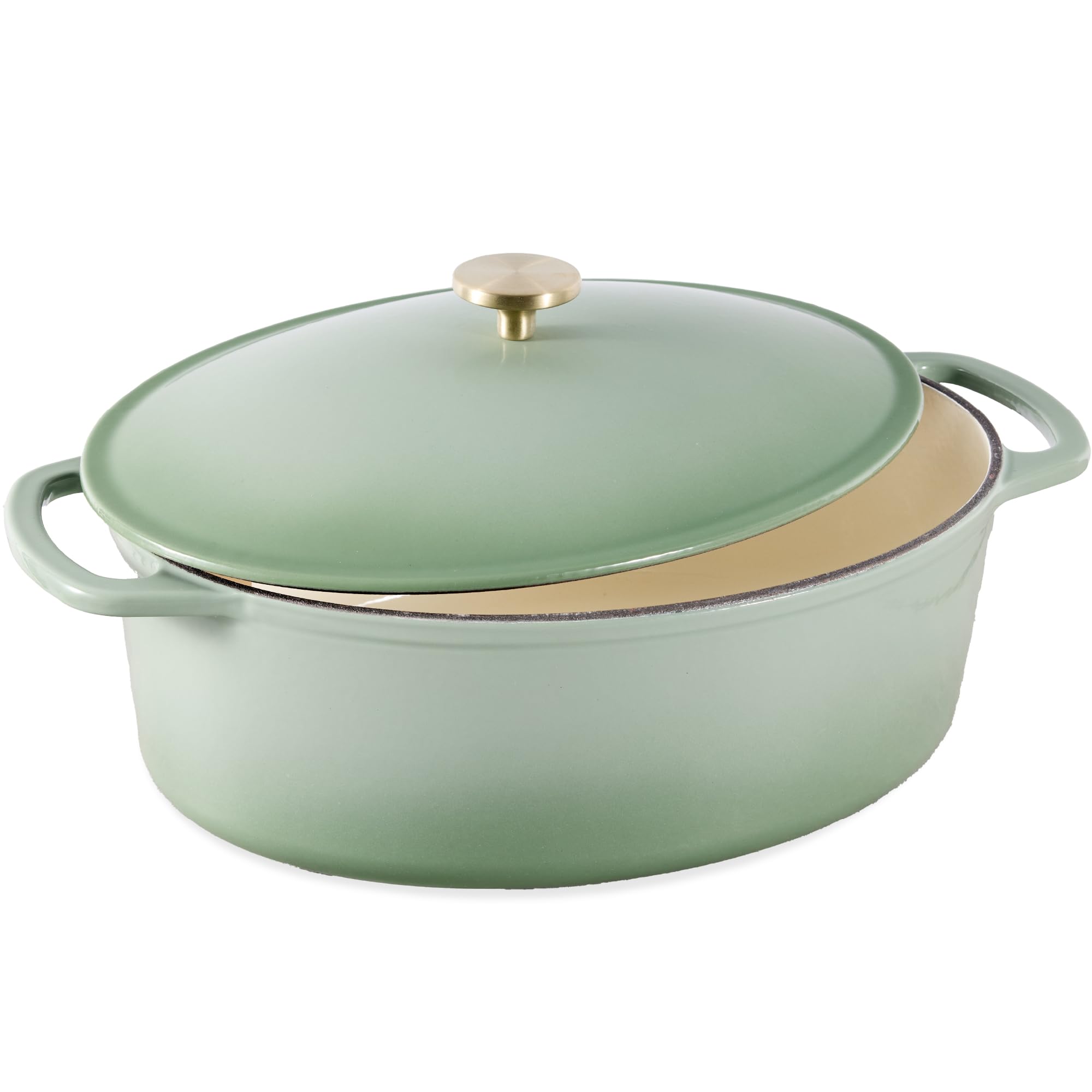
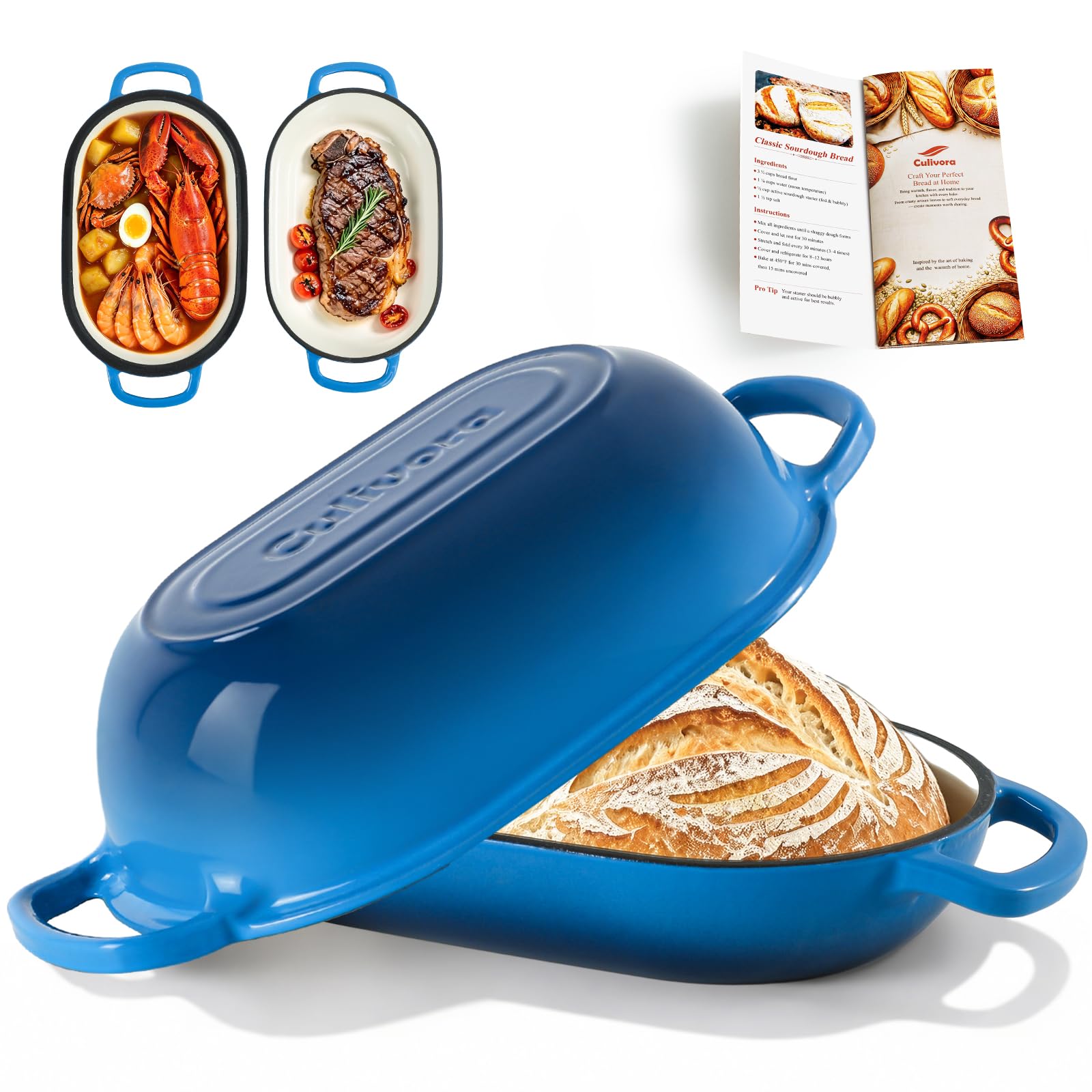
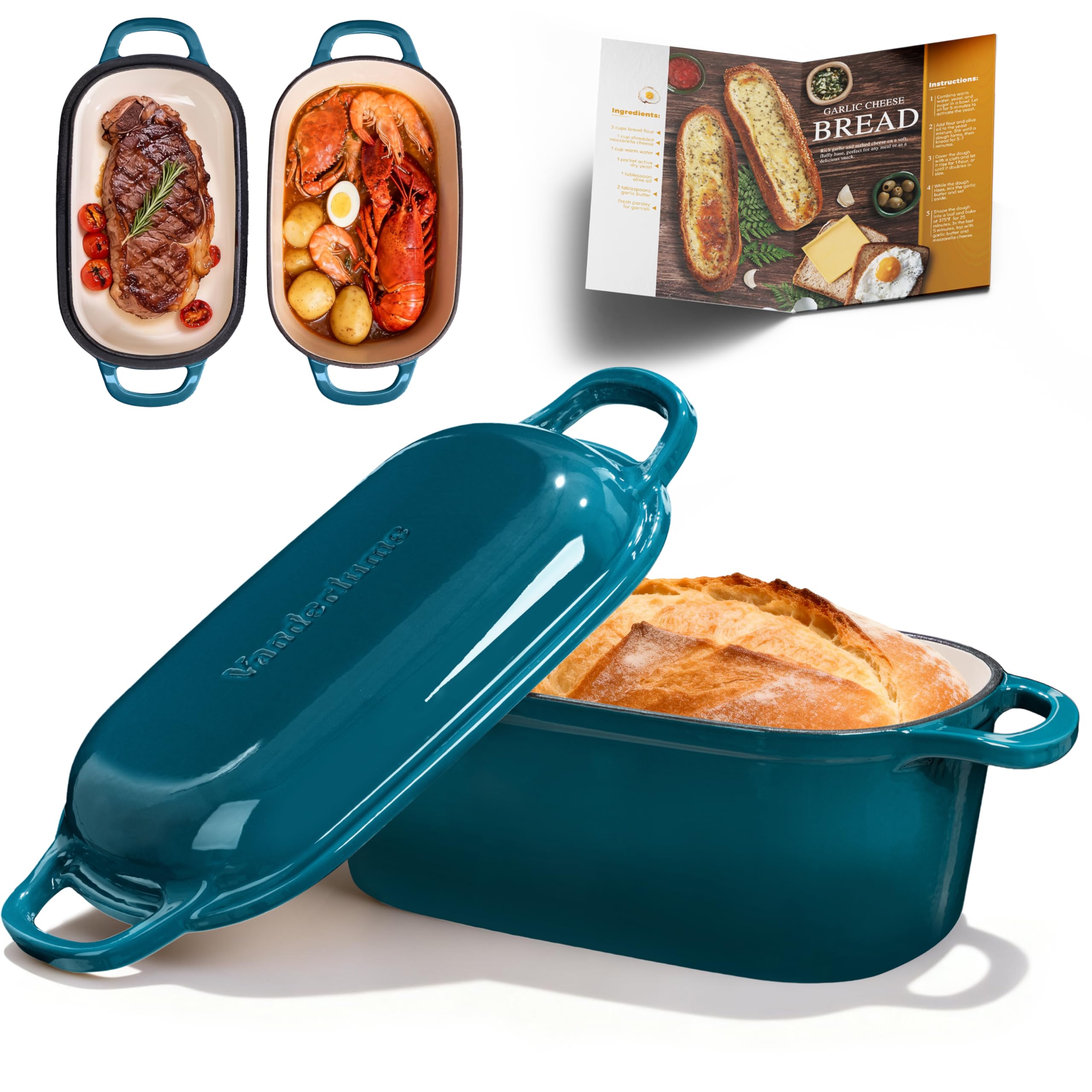
Round dutch ovens handle most everyday cooking well, but they run into a real limitation the moment a whole chicken or a long cut of meat needs to fit inside without cramming against the sides. That is the exact gap the best oval dutch ovens are designed to fill, with an elongated shape that gives roasts, braises, and whole poultry the room they need to cook evenly. This guide covers what to look for when the standard round shape does not quite fit the job.






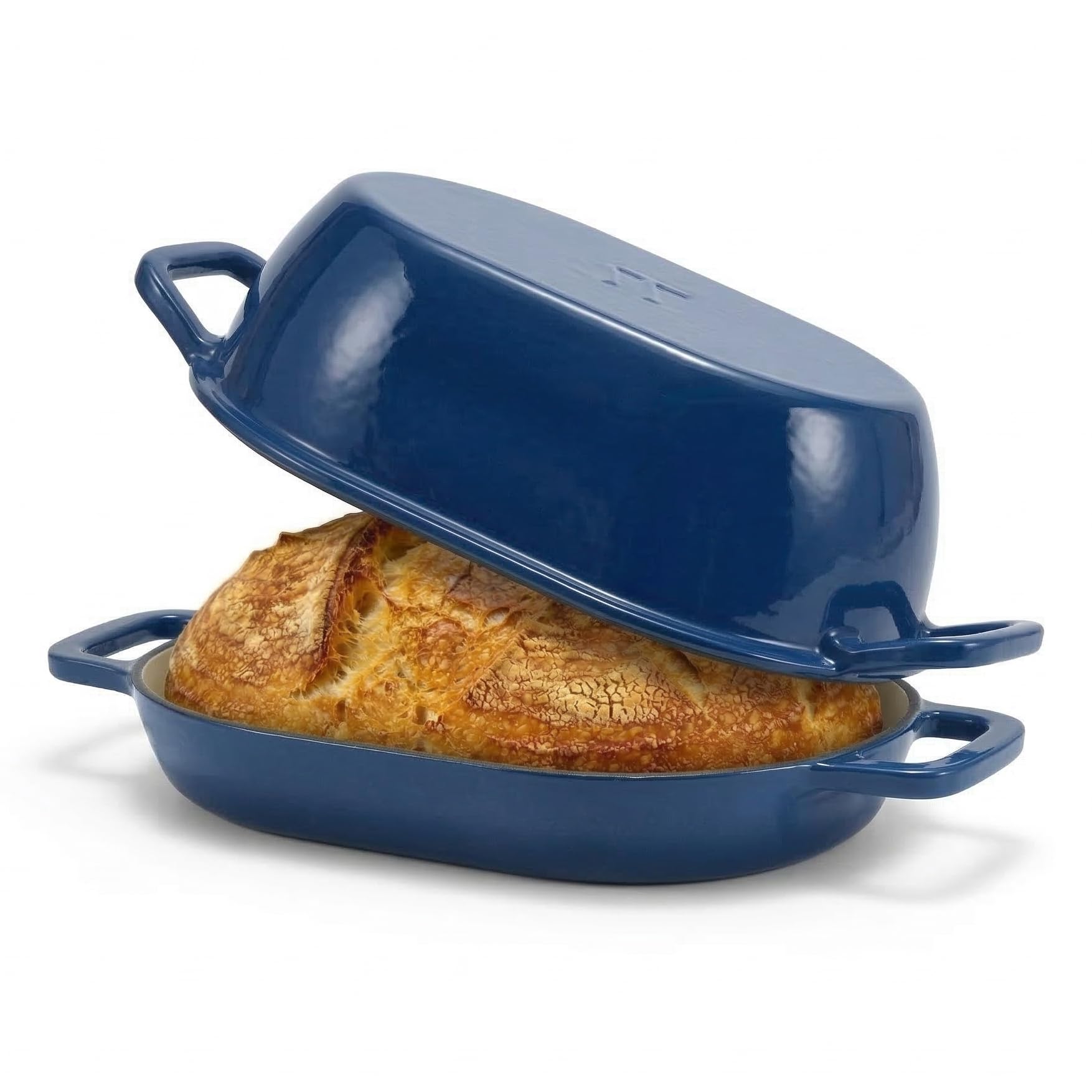
Why Shape Matters More Than It Seems
An oval pot's extra length is not just about fitting a larger item; it changes how heat and liquid interact with the food during a long braise. A whole chicken or a leg of lamb sits with more surrounding space in an oval pot, allowing braising liquid to circulate more evenly around the entire cut rather than pooling awkwardly around a food item forced into a round shape it was not designed for. Round pots still generally heat more evenly on a stovetop burner, since the burner's heat matches a circular base better than an elongated one, so the tradeoff is worth understanding rather than assuming oval is a strict upgrade.
Sizing for What You Actually Cook
Oval dutch ovens are typically sized by liquid capacity, and matching that capacity to actual cooking habits matters more than buying the largest available option. A mid-size oval pot in the 5 to 7 quart range handles a whole chicken or a modest pot roast comfortably, while a larger 7 to 9 quart size gives enough room for a larger roast or a bigger batch of braised short ribs. Buying too small forces overcrowding that prevents even browning, while buying too large wastes stovetop space and can make searing smaller batches less effective since the extra room lets heat escape more easily.
Material and Heat Retention
Enameled cast iron remains the standard choice for a reason: it holds and distributes heat evenly, resists sticking better than bare cast iron once seasoned in with use, and the enamel coating means no separate seasoning routine is required. Bare cast iron offers similar heat retention at a lower price point but needs regular seasoning to prevent rust and sticking. Ceramic and other alternative materials exist as well, generally trading some heat retention for lighter weight, which matters for anyone who finds a fully loaded cast iron pot difficult to lift and maneuver.
Lid Fit and Moisture Retention
A tight-fitting, heavy lid is essential for long braises, since it traps steam and moisture that keep meat from drying out over hours of slow cooking. Checking that the lid sits flush without excessive gaps around the edge helps confirm it will hold moisture in properly rather than venting it out during a multi-hour braise. Some oval dutch ovens include small self-basting bumps on the underside of the lid, which help redistribute condensed moisture back down onto the food as it cooks.
Handle Design for a Heavier, Longer Pot
Because oval pots are longer than round ones of similar capacity, handle placement and grip matter more for safe, comfortable lifting. Wide, easy-to-grip side handles that stay cooler than the pot body make it easier to maneuver a heavy, fully loaded oval dutch oven from stovetop to oven and back. Checking handle spacing against the pot's actual weight when full, not just when empty, gives a more realistic sense of how manageable the pot will be during regular use.
Storage Considerations for an Oval Shape
An oval pot's elongated footprint takes up more linear cabinet or shelf space than a comparable round pot, which is worth planning for before buying, especially in a kitchen with limited storage. Round pots of similar capacity generally nest or stack more predictably, while an oval pot's shape makes stacking a second pot on top less stable unless the cabinet shelf is specifically sized for it. Some cooks keep an oval pot on the stovetop or in an easily accessible lower cabinet given how often it gets used for weeknight braises, rather than tucking it away in deep storage where its size becomes more of a hassle to retrieve.
Measuring the intended storage spot, including height clearance for the lid handle, prevents the frustrating discovery that a new pot does not actually fit where it was planned to go.
Color and Interior Finish
Exterior color is largely a matter of personal preference, but the interior finish affects cooking performance in ways that are easy to overlook. A light-colored interior enamel makes it easier to monitor browning and check for sticking or scorching, since dark interiors can mask subtle color changes in a sauce or a sear. Some cooks find a light interior particularly useful for dishes where visual doneness cues matter, such as reducing a braising liquid down to the right consistency without needing to sample it repeatedly.
Exterior enamel color has little effect on cooking itself, so choosing a finish that matches an existing kitchen palette is a reasonable way to make that decision without worrying about any functional tradeoff.
Frequently Asked Questions
Is an oval dutch oven better than a round one?
Neither shape is universally better. Oval pots suit whole poultry and long cuts of meat, while round pots generally offer more even stovetop heating and are easier to store since they stack more predictably.
What size oval dutch oven fits a whole chicken?
A 5 to 7 quart oval pot typically fits a standard whole chicken with enough surrounding room for vegetables and braising liquid, though checking the specific dimensions against the bird's size is worth doing beforehand.
Does an oval dutch oven work on all stovetops?
Most oval dutch ovens work on gas, electric, and induction stovetops, though the elongated shape may extend beyond a single burner, which can affect how evenly the pot heats compared with a round pot centered directly over the flame or element.
Is enameled cast iron worth the extra cost over bare cast iron?
For most home cooks, yes. Enameled cast iron skips the seasoning maintenance that bare cast iron requires and resists rust more reliably, which adds convenience worth the price difference for many buyers.
Can an oval dutch oven go in the oven as well as on the stovetop?
Yes, most are designed for both. Checking the specific maximum oven-safe temperature is still worthwhile, since it can vary by material and by any non-metal components like a knob on the lid.
How heavy is a fully loaded oval dutch oven?
Weight varies by size and material, but a filled cast iron pot in the larger size range can be substantial, which is why handle design and grip comfort matter as much as capacity when choosing one.
Making the Right Choice
An oval dutch oven earns its place in the kitchen specifically for whole poultry, long roasts, and dishes that simply do not fit a round pot comfortably. For everything else, a standard round pot often remains the more practical everyday choice. Anyone deciding between the two shapes may find it useful to compare the general dutch ovens buying guide alongside a more specialized look at dutch ovens for baking bread before settling on a final pick.
Related reading: best 10 piece cookware sets.