
The Best Combo Washer Dryers for Small Spaces in 2026
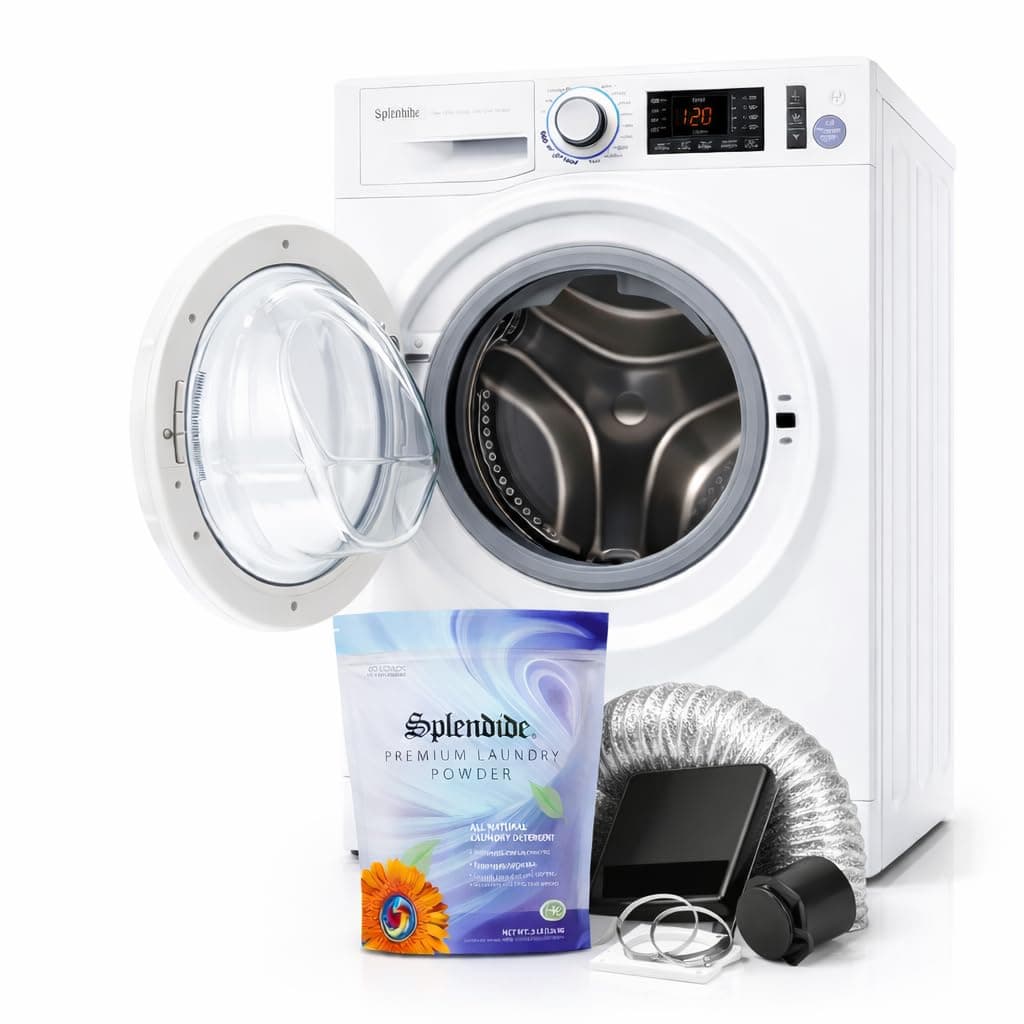
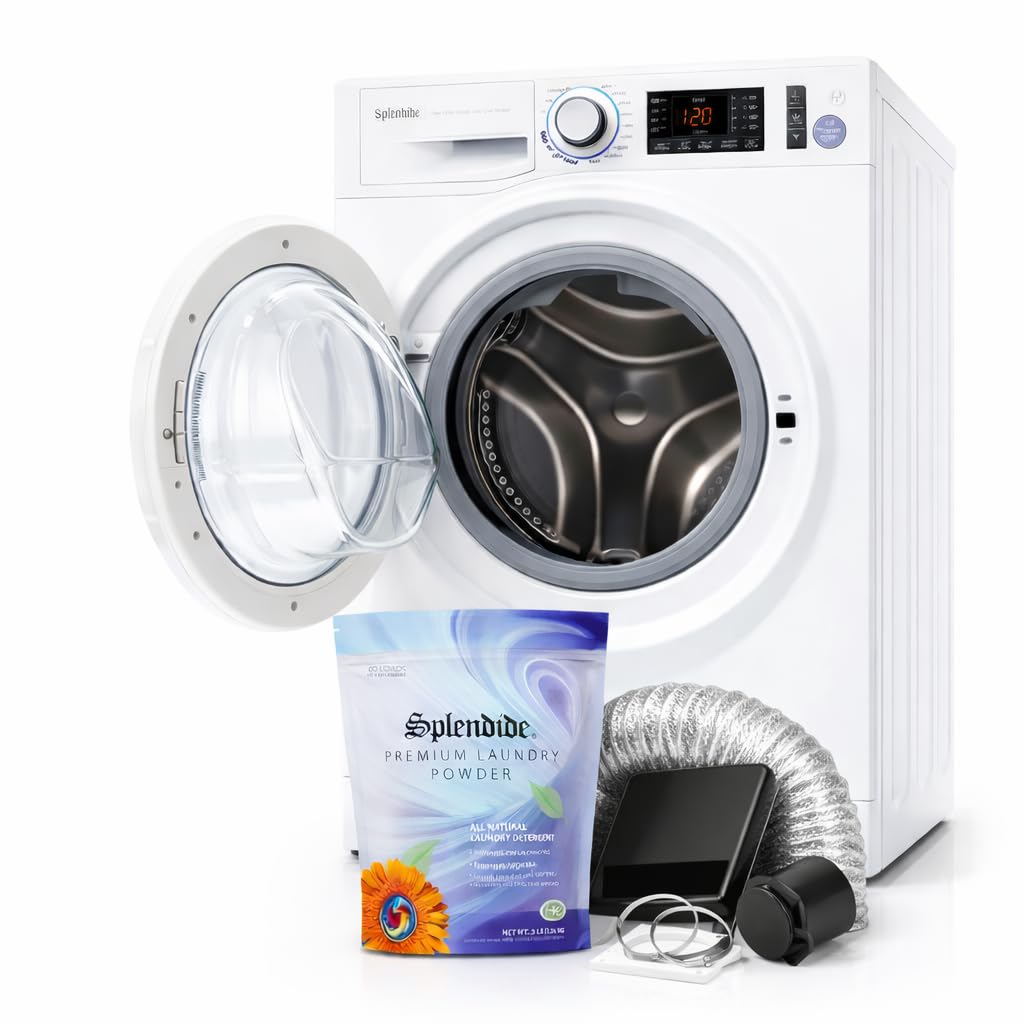
A buying guide to the best combo washer dryers, covering drying technology, capacity tradeoffs, installation, and maintenance.
Apartments, condos, and tiny houses rarely have room for separate washer and dryer units side by side, which is exactly the gap the best combo washer dryers fill. These all-in-one machines wash and dry laundry in the same drum without moving clothes between two appliances, saving significant floor space at the cost of some capacity and cycle speed compared to separate units. This guide explains how these machines actually work, the tradeoffs involved, and which specs matter most before committing to one for a small living space.
Combo units have improved considerably in recent years, but they still operate differently enough from traditional laundry setups that understanding the tradeoffs upfront prevents disappointment after installation.
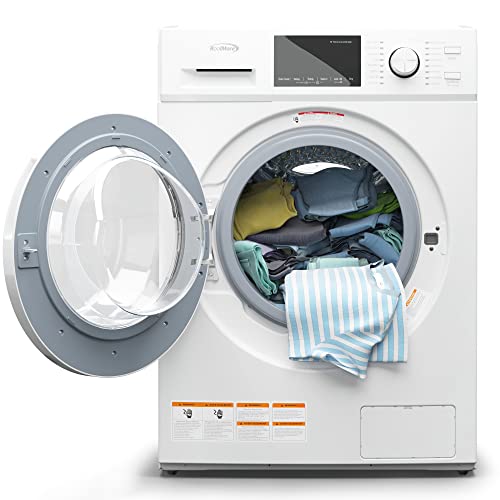

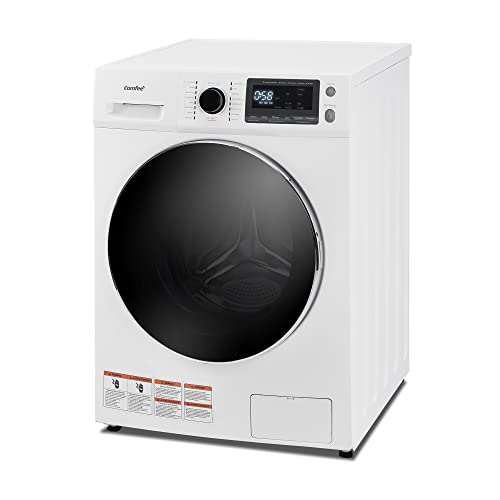
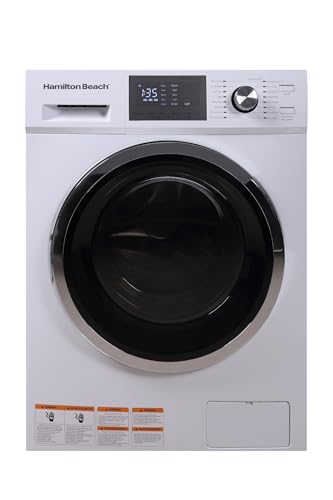
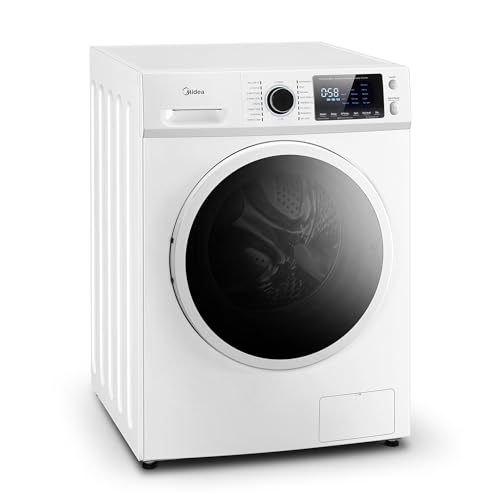
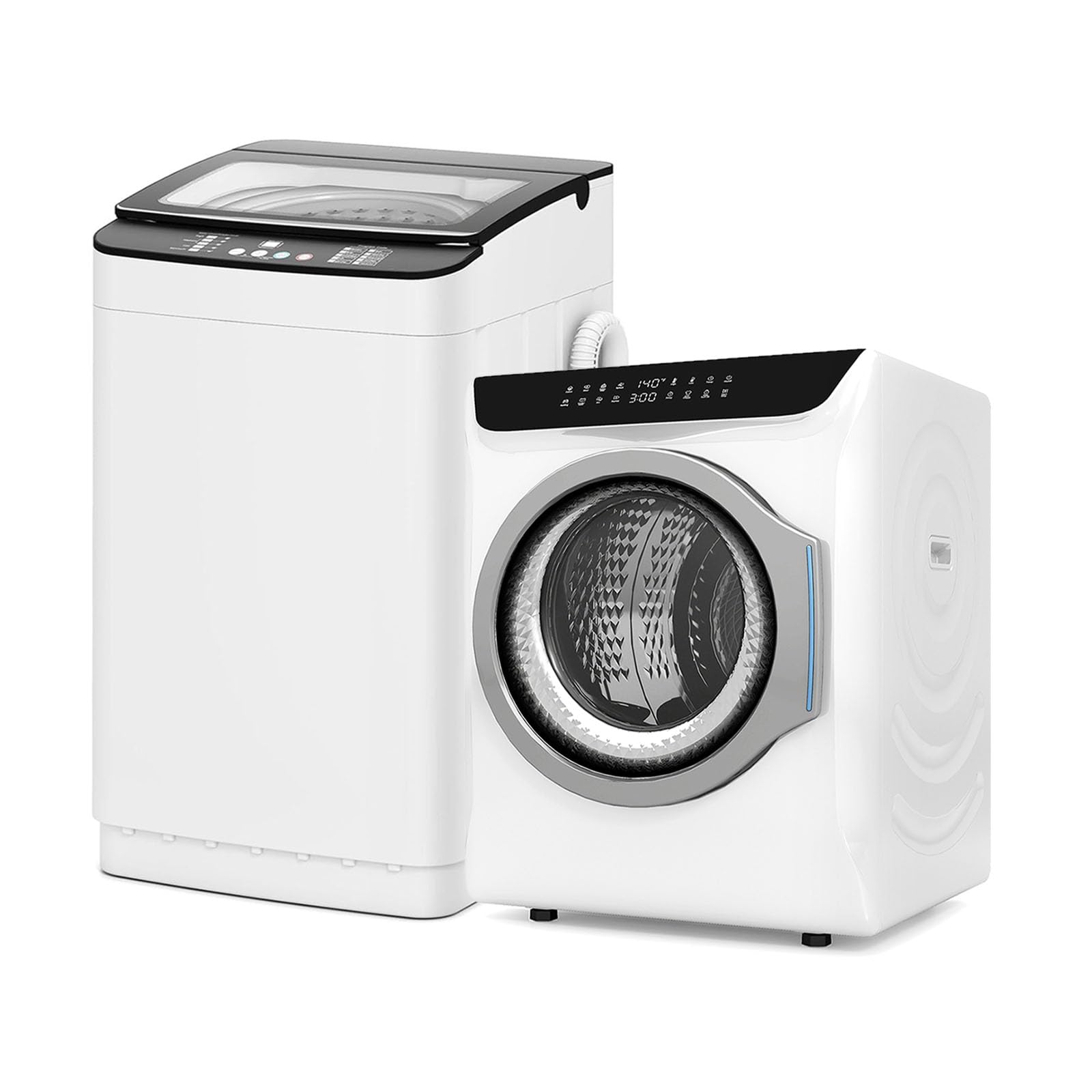
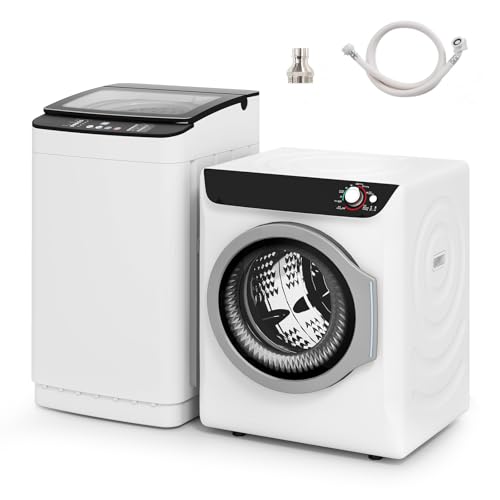
How Combo Washer Dryers Work
A combo unit runs a standard wash cycle, then transitions directly into a drying cycle within the same drum, using either condensation or heat pump technology to remove moisture rather than a vented exhaust hose. This means clothes go from wet to dry without any manual transfer, but the combined wash-and-dry cycle typically takes considerably longer than running a separate washer and dryer in parallel, sometimes three to five hours for a full cycle.
Ventless vs Vented Models
Most combo units are ventless, using condensation drying that collects moisture in an internal reservoir or drains it through the existing plumbing, which makes installation far simpler since no exterior venting is required. This makes ventless combo units especially practical for apartments and condos where cutting a vent through an exterior wall is not an option. Vented combo models exist but are less common, generally offering somewhat faster drying at the cost of needing the same exterior ducting a traditional dryer would require.
Heat Pump vs Condensation Drying
Drying technology is where the best combo washer dryers really separate from budget models, since this single spec affects energy use, cycle time, and fabric wear all at once. Heat pump drying technology recycles warm air within a closed loop, using significantly less energy than a traditional heating element and operating at lower temperatures that are gentler on fabric. Condensation drying without a heat pump works more like a dehumidifier, cycling air across a cool coil to pull out moisture, which tends to use more energy and take longer than heat pump technology. Heat pump models cost more upfront but often make up some of that difference through lower energy bills and reduced fabric wear over time.
Capacity Tradeoffs
Combo units generally wash a full-sized load but can only dry a partial load in the same cycle, since drying requires more airflow and tumbling space than washing does. This means a load that fills the drum for washing often needs splitting or requires an extra drying-only cycle to fully dry everything, which can offset some of the time savings from not having to transfer laundry between two machines. Checking a specific model's rated dry capacity, not just its wash capacity, gives a much more accurate sense of real-world usable load size.
Cycle Time and Practical Scheduling
A full wash and dry cycle in a combo unit commonly takes 3 to 5 hours depending on load size, fabric type, and moisture removal method, compared to roughly 1.5 to 2 hours for washing and drying separately in traditional side-by-side machines. This longer cycle time works fine for overnight laundry runs but can be frustrating for anyone needing a quick turnaround on a single load during the day. Some models offer a faster wash-only or dry-only mode for situations where the full combined cycle is not necessary.
Installation Requirements
Most combo units fit in a standard 24-inch width space and can often be installed in a closet, under a counter, or stacked in a small utility nook, making them a strong fit for compact apartments. A cold and hot water hookup and a standard electrical outlet are typically all that is needed for a ventless model, while a drain connection to existing plumbing eliminates the need for a separate condensate collection tank that would otherwise require manual emptying after each cycle.
Common Frustrations and How to Avoid Them
Overloading the drum is the most common complaint among new combo owners, since a load sized for washing alone often exceeds the machine's dry capacity, leading to still-damp clothes at the end of a cycle. Reading the manual's specific guidance on load size for combined wash-and-dry cycles, rather than assuming wash capacity applies to drying too, prevents most of this frustration. Lint and condensate reservoirs also need regular cleaning in models without a direct drain connection, since a full reservoir can trigger error codes or reduce drying effectiveness partway through a cycle.
Anyone shopping the best combo washer dryers for a small apartment should read recent owner reviews specifically about real-world dry capacity, since manufacturer specs sometimes overstate how much a machine can fully dry in one pass.
Who Combo Units Make Sense For
Studio apartments, tiny houses, RVs, and any space where a separate washer and dryer simply will not physically fit are the clearest use cases for a combo unit. Households doing frequent large loads of laundry, particularly families with kids, may find the reduced dry capacity and longer cycle times more limiting than the space savings are worth, making a stacked traditional washer and dryer pair a better fit when space allows for it.
Maintenance and Cleaning Routines
Regularly cleaning the door gasket and detergent drawer prevents the mildew smell that can develop in a machine that runs both wash and dry cycles in the same sealed drum. Running an empty maintenance cycle with a washing machine cleaner every month or two helps clear detergent residue and mineral buildup that accumulates faster in a combo unit than in a standalone washer, since the same drum handles both moisture and heat repeatedly. Checking and clearing the lint filter, located inside the drum on many combo models rather than in a separate compartment, keeps drying performance consistent over time.
Noise and Vibration Considerations
Combo units run longer cycles than standard washers, which means more total hours of operating noise over a typical week of laundry. Front-loading models with good vibration dampening and a solid, level installation surface reduce noise significantly, which matters more in an apartment setting where a unit might run overnight and share walls or floors with neighbors. Placing the unit on an anti-vibration pad and confirming it sits perfectly level during installation prevents much of the rattling noise that develops in poorly leveled units over time.
Frequently Asked Questions
Do combo washer dryers really dry clothes fully?
Yes, when loaded within the machine's rated dry capacity rather than its larger wash capacity. Overloading is the most common reason clothes come out still damp.
Are combo units more expensive to run than separate machines?
Heat pump models are often comparably efficient, while basic condensation models can use more energy and take longer, so checking the specific drying technology matters for long-term operating costs.
Do combo washer dryers need special venting?
Most are ventless and drain condensate through existing plumbing or an internal tank, making them installable in spaces without exterior venting access.
How long does a full wash and dry cycle take?
Typically 3 to 5 hours, considerably longer than running a separate washer and dryer, which usually finishes a comparable load in under 2 hours combined.
Related reading: best convection microwave oven combo for baking and best 12 bottle wine cooler.


