Best Wall Mount Range Hood: A Complete Buying Guide
Disclosure: We may earn a commission when you buy through links on this page, at no extra cost to you. As an Amazon Associate I earn from qualifying purchases. Learn more

An open shelf where a cabinet used to be, a stainless chimney rising straight up to the ceiling, a kitchen that finally feels like it was designed on purpose instead of assembled from leftover parts. That is usually the moment someone starts shopping for a wall mount range hood instead of settling for whatever came with the house.
Choosing the best wall mount range hood for a specific kitchen means balancing a handful of practical numbers, cooktop width, CFM, ceiling height, against the visual role the hood plays once it is the tallest thing on that wall. This guide walks through what actually separates a hood that performs well from one that just looks the part, how to size it correctly, and what installation details matter before the ductwork goes in.

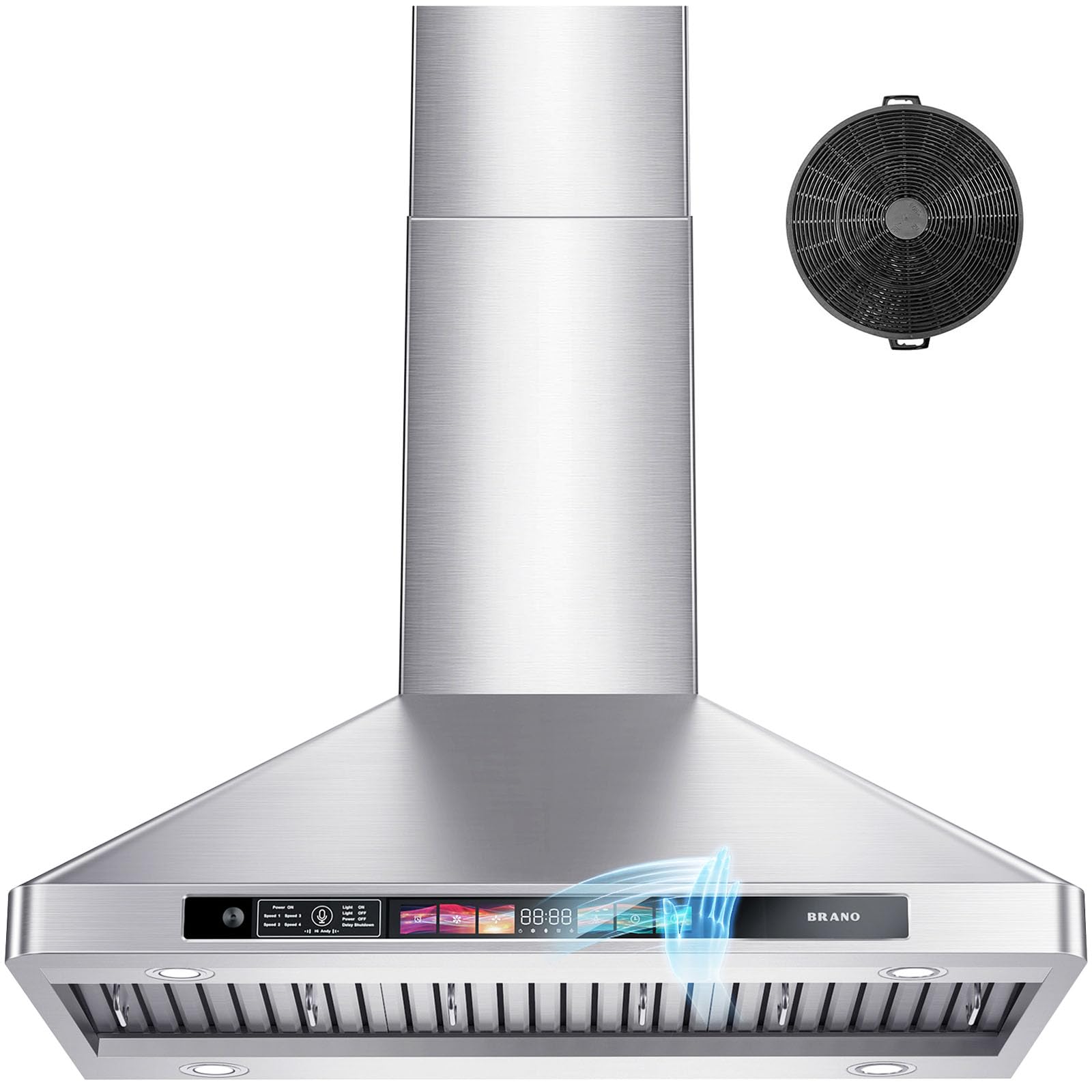
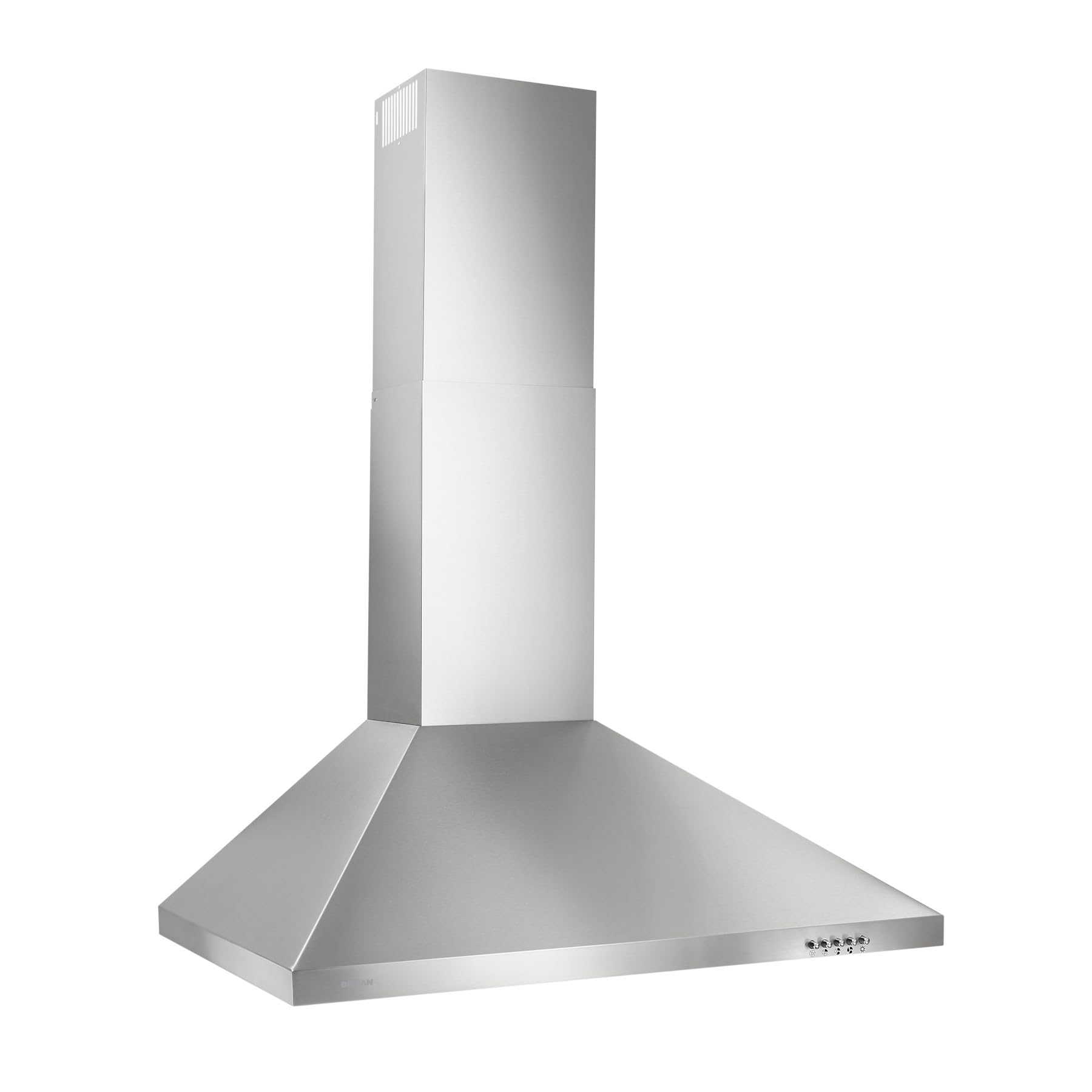

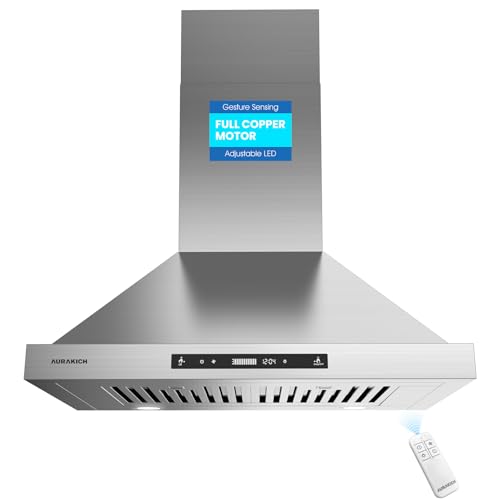
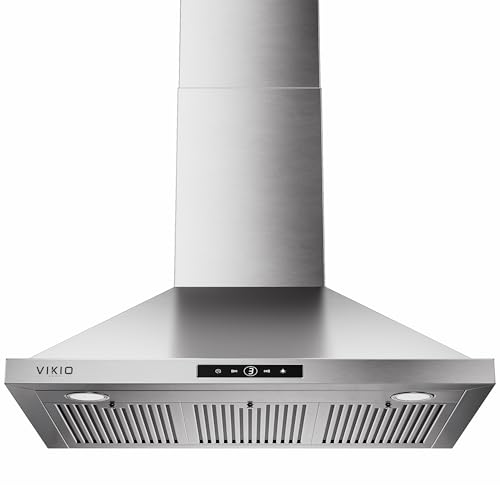


The Features That Actually Matter in a Wall Mount Range Hood
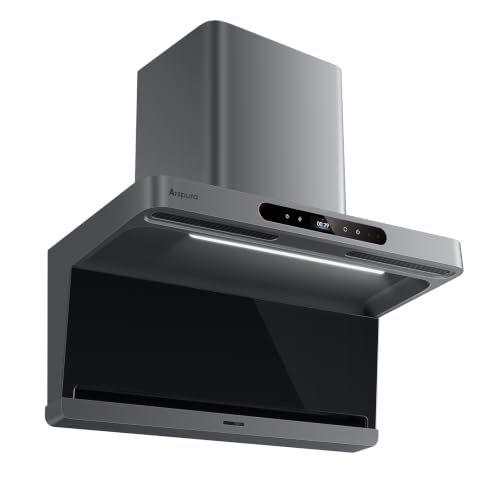
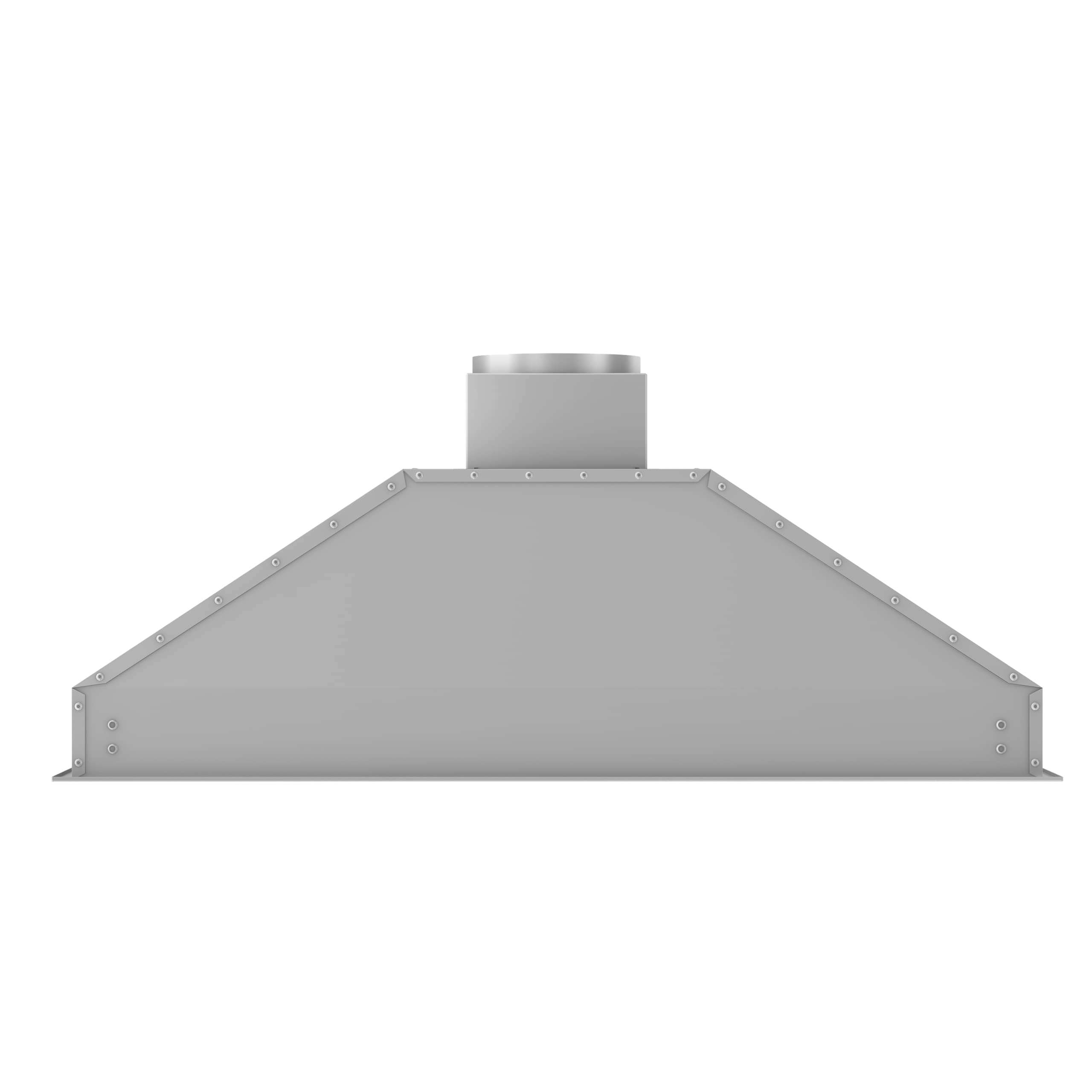
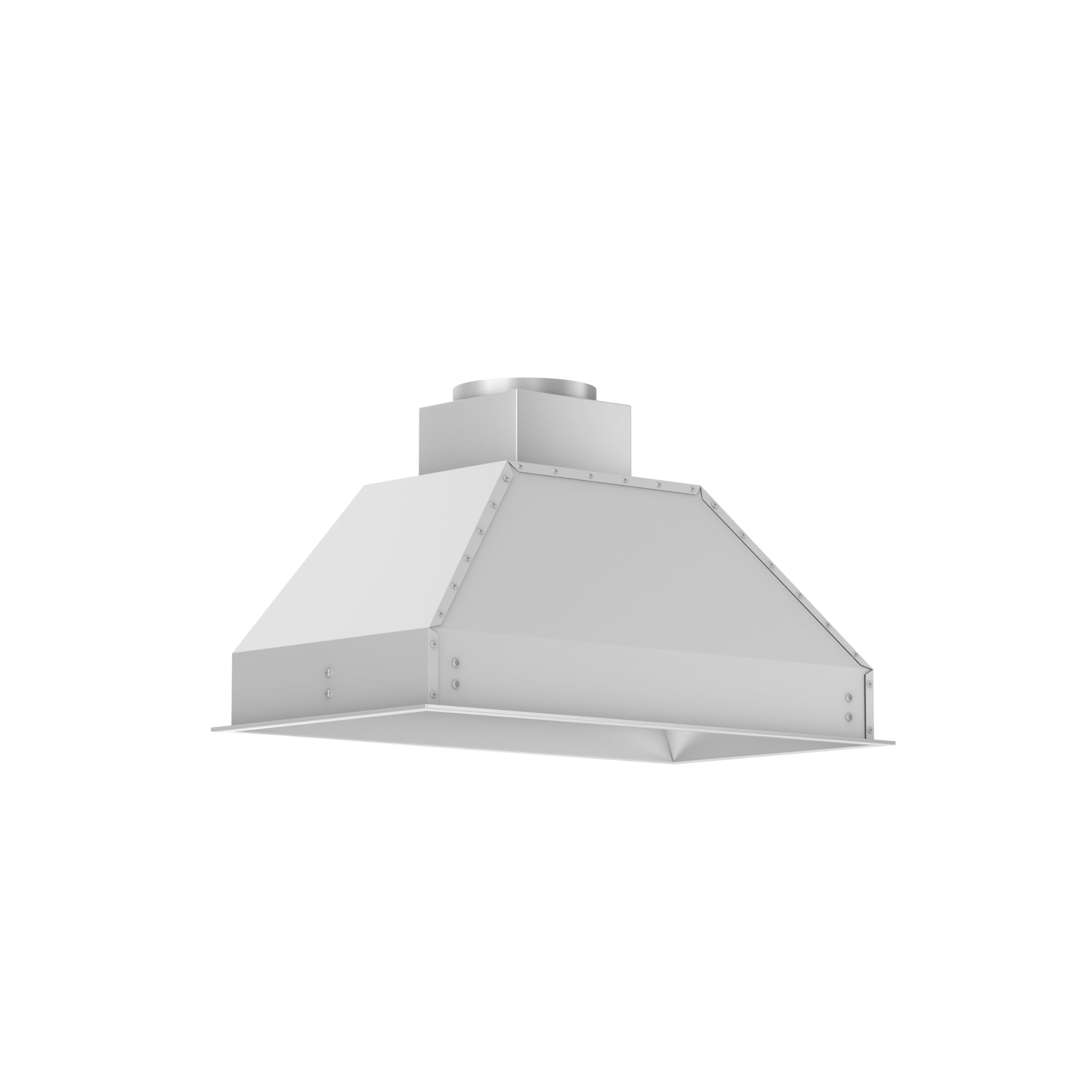
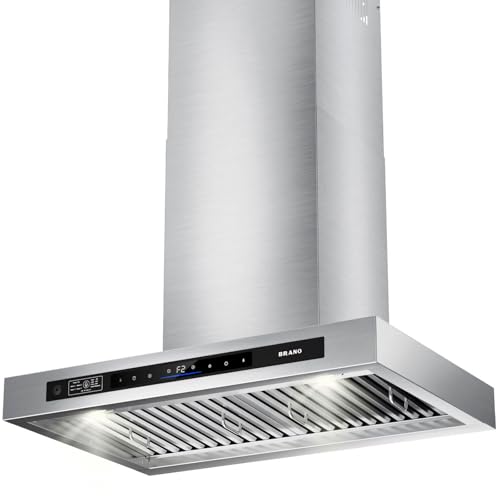
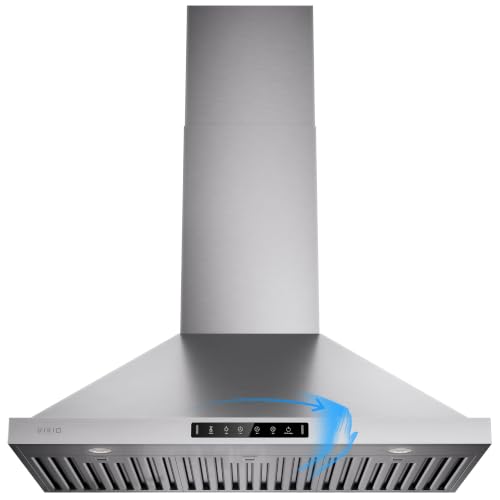
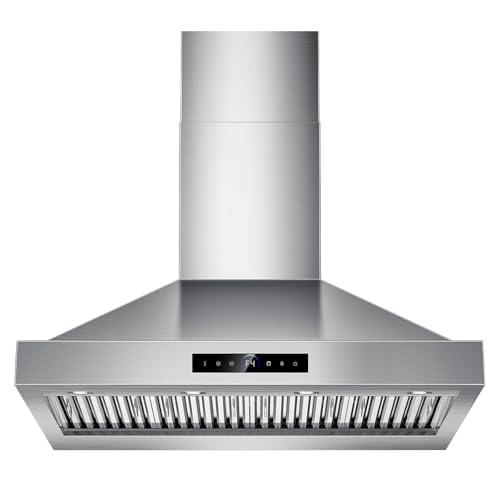
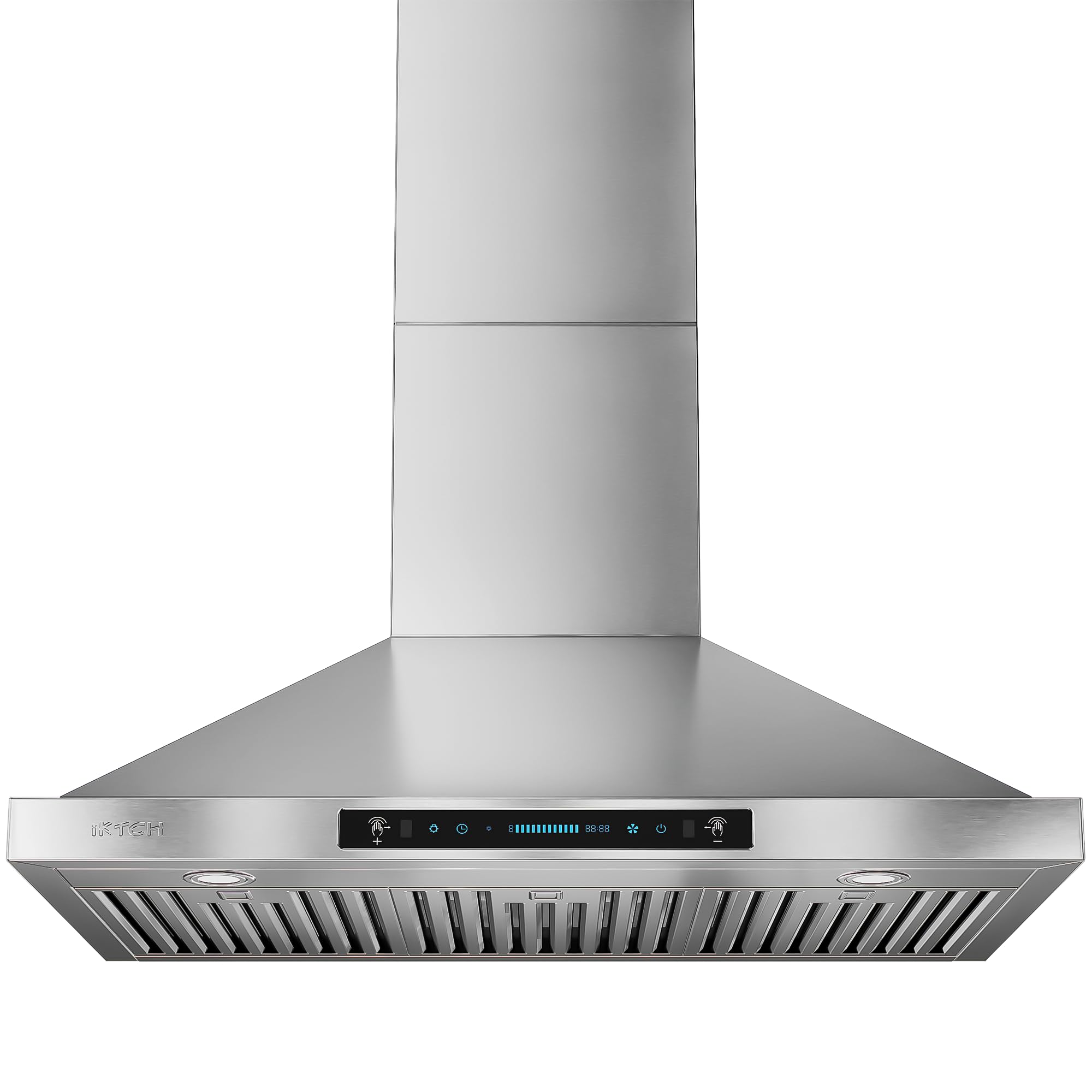
Because a wall mount hood sits fully exposed rather than tucked under cabinetry, every detail is visible every day, and every detail also has to hold up to grease, heat, and years of daily cooking. A handful of features separate hoods that stay useful and good looking from ones that start showing their age within a year or two.
- Baffle filters made from heavier gauge stainless steel resist warping from heat better than thin mesh screens, and they are dishwasher safe, which matters since filters need washing every few weeks
- Push button or capacitive touch controls tend to survive grease exposure longer than membrane keypads, which can become unresponsive once residue builds up underneath
- LED task lighting draws less power and runs cooler than halogen bulbs, and it lasts long enough that most owners never have to replace a bulb
- A brushed or fingerprint resistant stainless finish holds up better in daily use than a polished mirror finish, which shows smudges almost immediately
Material gauge is worth checking directly rather than assuming. Thin, lightweight stainless can dent from a stray pan or oven mitt, while a properly built hood feels solid when tapped and does not flex under light pressure.
Matching Width and CFM to Your Cooktop
Width: Match or Exceed the Cooktop
A wall mount hood should be at least as wide as the cooktop underneath it, and going a size up is rarely a mistake. A hood that is narrower than the cooking surface leaves the outer burners uncovered, which means smoke and grease from the back corners drift into the room instead of getting pulled up and out.
CFM: Two Formulas Depending on Fuel Type
Airflow capacity matters more than any other spec, and the right number depends on what is generating the heat. For electric and induction cooktops, a rough guideline is 100 CFM for every linear foot of cooktop width, so a standard 30 inch cooktop calls for roughly 250 to 300 CFM at minimum. For gas ranges, the calculation shifts to burner output: about 1 CFM for every 1,000 BTUs of combined burner capacity, which means a range putting out 40,000 total BTUs generally needs a hood rated around 400 CFM.
Kitchens that see a lot of high heat searing, wok cooking, or frequent frying benefit from sizing toward the higher end of that range, since bursts of heavy smoke need more airflow to clear quickly than routine simmering ever does.
Chimney Styles, Ducted vs. Ductless, and Ceiling Height
Chimney-Style vs. Box Wall Mount Hoods
Chimney-style hoods extend upward in a telescoping stainless column that reaches toward the ceiling, and they tend to read as a design feature in kitchens with an open layout. Box-style wall mount hoods sit lower and more compact, which suits a kitchen where a tall stainless column would compete visually with existing cabinetry or a window above the range.
Ducted vs. Ductless (Recirculating) Venting
A ducted hood pulls air through the filter and pushes it outside through ductwork, removing heat, moisture, and grease from the kitchen entirely. A ductless range hood instead filters the air through a charcoal element and recirculates it back into the room, which works when running a duct to the exterior is not practical but generally captures less grease and does nothing to remove excess heat or humidity. Anyone weighing that tradeoff against a wall mount installation should also consider how a hood mounted under existing cabinetry compares; the guide to the best range hoods under cabinet covers that alternative in more detail for kitchens where a full chimney column is not an option.
Mounting Height and Duct Planning
Manufacturers generally specify 24 to 30 inches of clearance above an electric or induction cooktop, and 30 to 36 inches above a gas range, measured from the cooking surface to the bottom edge of the hood. Mounting too close crowds the workspace and raises the risk of scorching the hood itself, while mounting too high lets smoke and heat disperse into the room before the hood ever pulls it in.
Tall ceilings often call for a chimney extension kit, an additional telescoping section that closes the gap between the hood and the ceiling so there is no awkward exposed duct run showing above it. Duct routing matters just as much as the hood itself: shorter, straighter runs with fewer elbows preserve far more of the rated CFM than a long path bent around joists and framing, so it is worth planning the route before committing to a hood's exact placement. Good airflow performance also supports better indoor air quality overall, and pairing a properly vented hood with a dedicated unit from the best air purifier for smoke guide can help clear lingering odors on days when cooking runs long.
Frequently Asked Questions
Does a wall mount range hood need to be vented outside?
Not necessarily. A ducted model vents outside and removes heat and moisture along with smoke, while a ductless version filters and recirculates air back into the kitchen, which is an option when running exterior ductwork is not feasible.
How wide should a wall mount range hood be compared to the cooktop?
It should be at least as wide as the cooktop, and sizing up by a few inches is generally a safe choice. A hood narrower than the cooking surface leaves the back corners of the cooktop unprotected from rising smoke.
What CFM is needed for a 30 inch gas range?
A rough guideline is 1 CFM per 1,000 BTUs of total burner output, so a 30 inch gas range producing around 35,000 to 40,000 BTUs typically needs a hood rated between 350 and 400 CFM.
How high should a wall mount range hood be installed?
Most manufacturers recommend 24 to 30 inches above an electric or induction cooktop and 30 to 36 inches above a gas range, measured from the cooktop surface to the bottom of the hood.
Is a chimney extension kit always required?
Only in kitchens with ceilings taller than the hood's standard chimney reaches. Standard ceiling heights are usually covered by the hood's included telescoping chimney, while taller rooms need an additional extension section sold separately.
Do longer duct runs reduce how well a range hood performs?
Yes. Every extra foot of ductwork and every added elbow increases resistance, which reduces the real world airflow below the hood's rated CFM. Keeping the duct run short and direct preserves more of that rated performance.
Making the Right Call for Your Kitchen
Getting a wall mount range hood right comes down to a few numbers that are easy to check before buying: cooktop width, CFM matched to fuel type and cooking style, and the clearance and duct path the installation actually allows. Get those right, and the hood ends up doing its job quietly in the background while also looking like it was planned as part of the kitchen from day one.