Best Vacuum Sealer: A Complete Guide for Home Cooks
A vacuum sealer earns its place on a counter in a fairly ordinary way: it turns leftover portions, weekly meal prep, and pantry staples into food that lasts noticeably longer without freezer burn or stale texture. For most households, the appeal isn't one dramatic use case; it's the accumulation of small wins over months: chops that don't dry out, coffee that stays fresh past the third week, produce bought in bulk that doesn't spoil before it gets used. Picking the right model for that kind of everyday routine comes down to a shorter list of practical questions than the spec sheets suggest, starting with how you'll actually use it.
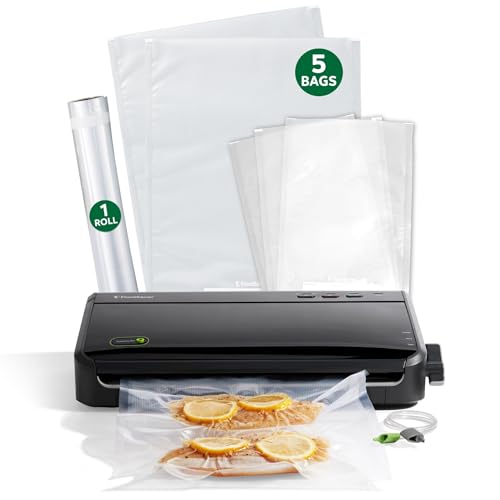
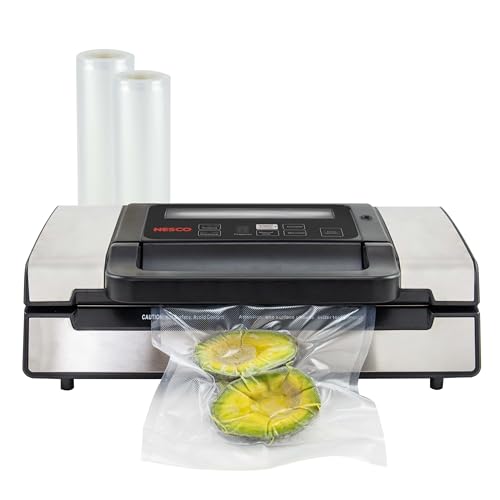
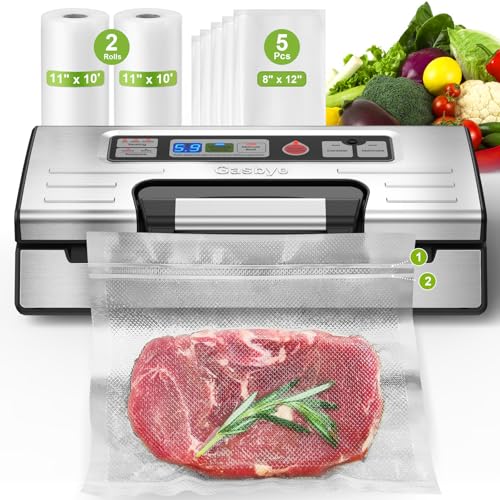
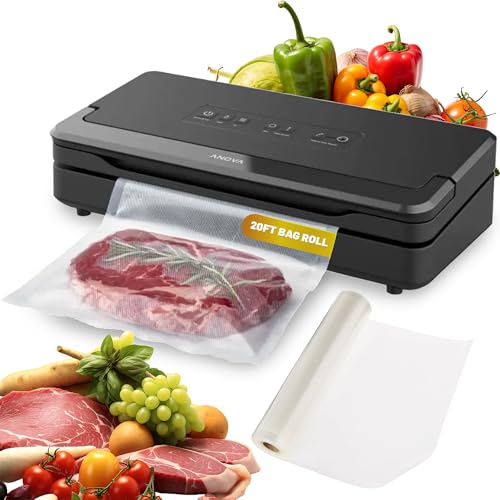
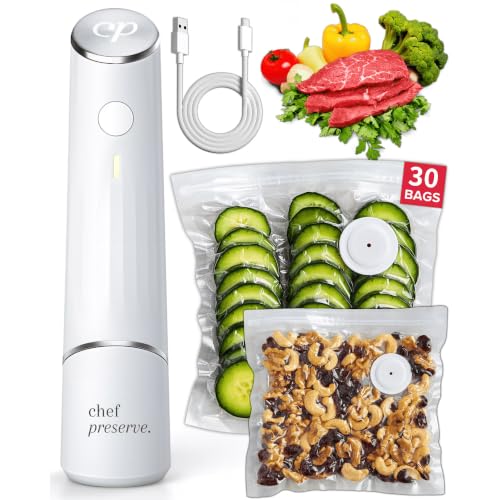
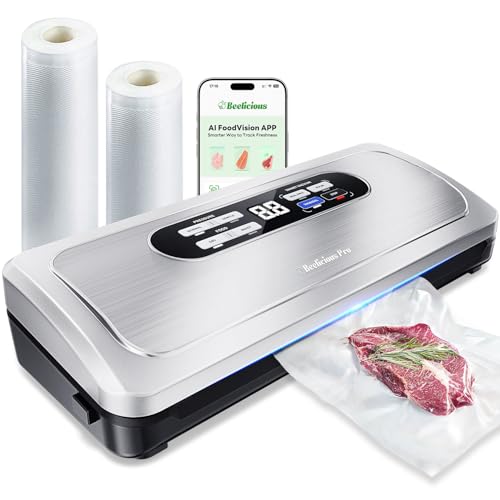
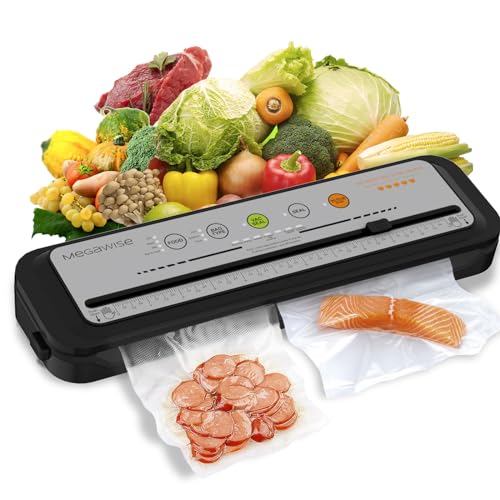

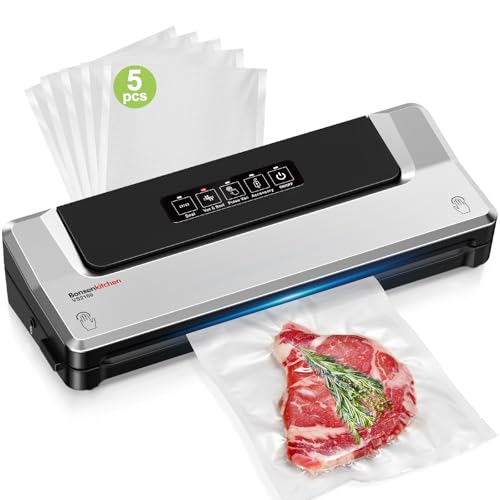

Where a Vacuum Sealer Earns Its Keep in a Normal Kitchen
Most home cooks reach for a vacuum sealer for three overlapping reasons: stretching freezer storage, prepping ahead for the week, and protecting bulk purchases from turning into waste. Freezer meal prep is the most common one. Sealed portions of soup, sauce, or cooked grains stack flat instead of taking up round, awkward space, and they resist the ice crystals that build up inside loosely wrapped containers.
Sous vide cooking is the other major driver, since an airtight seal is what keeps a bag submerged and cooking evenly instead of floating to the surface. If sous vide is a regular part of your routine, pairing a dependable sealer with your sous vide setup matters more than almost any other feature on this list, since a loose seal can throw off the cook before it starts. Pantry storage rounds out the list. Coffee, flour, rice, and dried herbs all last considerably longer once the air, and the oxygen that drives staleness, is removed, which makes a sealer useful well beyond the freezer.
What to Expect from Vacuum-Sealed Storage
It helps to set realistic expectations before assuming a sealer will make food last indefinitely. Vacuum sealing slows spoilage by removing most of the oxygen that feeds bacterial growth and freezer burn, but it doesn't stop the clock entirely. Vacuum-sealed meat and poultry commonly holds up well in the freezer for many months longer than the same cut wrapped loosely, and vacuum-sealed produce that's blanched first tends to keep its texture and color far better over time.
Dry pantry goods benefit the most in relative terms, since removing oxygen and moisture from something like rice, pasta, or ground coffee can extend usable shelf life dramatically compared to a bag clipped shut. None of this replaces basic food safety practice. Refrigerated items still need to stay cold, and vacuum sealing raw ingredients doesn't make them safe to leave sitting at room temperature.
Handling Marinades, Juicy Cuts, and Other Wet Ingredients
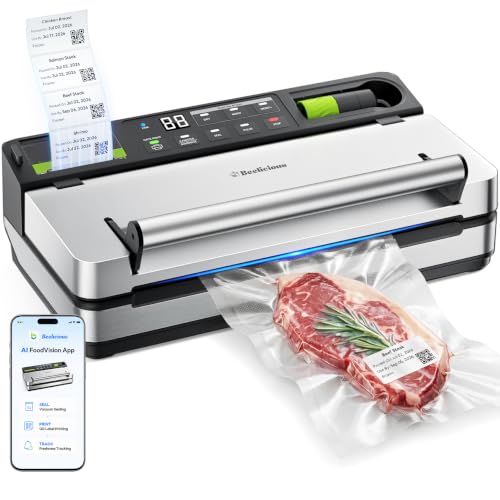
Liquid is the one thing that trips up nearly every external vacuum sealer, since these machines pull air out through the open end of the bag rather than sealing an entire chamber. The moment juice or marinade reaches that opening, it can get drawn into the heating strip and weaken the seal. This isn't a flaw specific to any one model; it's a basic limitation of how external suction works.
A few habits solve most of it. Leaving extra headroom, several inches more than you'd use for a dry item, gives liquid somewhere to go before it reaches the seal line. Freezing food solid first, then sealing the frozen block, sidesteps the problem entirely and is one of the most reliable methods for genuinely wet marinades. Tilting the open end of the bag slightly upward while the machine draws out the air also buys a few extra seconds before liquid climbs that far. None of these tricks require special equipment, just a bit of patience on the foods most likely to cause trouble.
Bag Rolls, Pre-Cut Pouches, and Reusable Bags: What Actually Makes Sense at Home
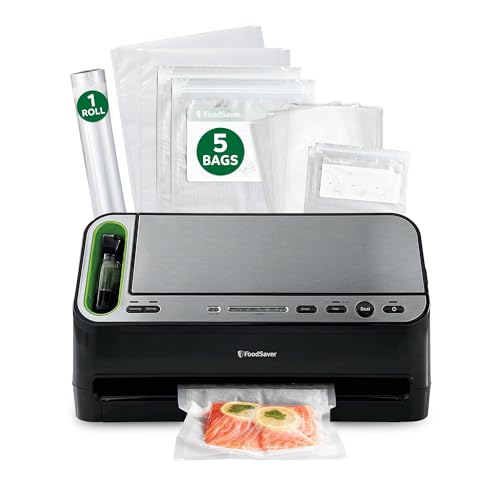
Bags built for a vacuum sealer aren't interchangeable with the smooth bags used by chamber-style machines. They need a textured or channeled surface on the inside so air has a path to travel toward the nozzle during the vacuum draw, and using the wrong type is a common reason a seal fails on the first try. Beyond that requirement, the choice mostly comes down to rolls versus pre-cut pouches.
Rolls cost less per seal because you cut them to the exact size of whatever you're sealing, which cuts down on wasted material, and they're a better fit for households that seal a wide range of shapes and sizes. Pre-cut bags trade some of that savings for consistency and speed, which matters if you're sealing a lot of similarly sized portions like chops or fillets on a regular basis. Reusable, washable bags have also become common, and they make sense for food you pull from the pantry repeatedly: snacks, coffee, or produce you portion out daily. They're a poor match for anything that touched raw meat, since those shouldn't go back into rotation for food safety reasons. If your main goal is keeping the ongoing cost as low as possible, our budget vacuum sealer guide digs deeper into how bag compatibility affects the real cost of ownership over time.
What Separates a Reliable Mid-Range Model from a Frustrating One
Once you're past entry-level pricing, the differences between models get less about raw suction power and more about everyday livability. Consistent suction across dozens of uses matters more than peak strength on a single test seal, since a machine that starts leaving weak seals after a few months of normal use creates more waste than it prevents. A seal bar wide enough to handle standard bag widths without doubling or folding is worth checking before buying, since a narrow bar is a common early failure point.
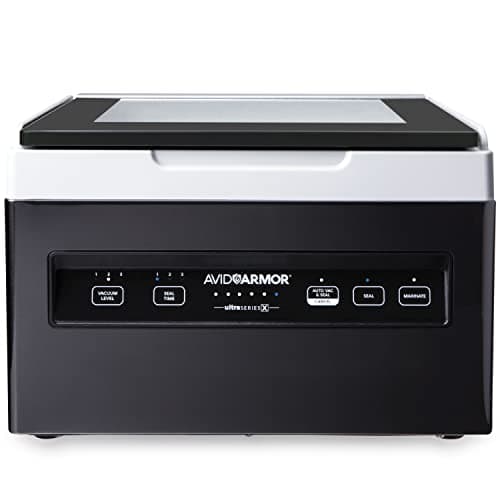
Noise level and cycle time matter more than most buyers expect, especially if sealing happens several times a week rather than occasionally. Look for a machine that's straightforward to wipe down, since food debris and moisture around the seal strip is the most common source of long-term performance problems. Built-in roll storage and a bag cutter are convenience features rather than necessities, but they add up if you seal often. Anyone sealing at a volume well beyond normal home cooking, such as prepping for a small business or catering out of a home kitchen, should look at what a commercial vacuum sealer offers instead, since home-grade machines aren't built for that kind of daily cycle count. If you're weighing one well-known brand's entire product lineup against the field, our single-brand deep dive breaks down how that brand's specific models compare.
Frequently Asked Questions
How long does vacuum-sealed food actually last in the freezer?
Meat and poultry commonly stay in good condition for many months longer than loosely wrapped storage, and some cuts hold up well past a year. Actual results depend on the food type, how it was prepped, and freezer temperature consistency.
Can a regular vacuum sealer handle soups or other liquids?
Not reliably on its own, since standard external suction pulls liquid toward the seal before it fully forms. Freezing the liquid solid first, then sealing the frozen block, is the most dependable workaround for home use.
Do vacuum sealer bags work in the microwave or for sous vide cooking?
Many bags rated for food storage are also freezer-safe and sous vide-safe up to a specific temperature, but microwave use varies by bag material. Always check the bag's own labeling rather than assuming based on the machine.
Is it worth buying reusable bags instead of rolls?
For pantry items and snacks you reseal often, yes, since the cost evens out after repeated use. For raw meat or anything sealed once and frozen long-term, standard roll bags are usually the more practical and food-safe choice.
Why does my seal look uneven or fail to hold?
The most common causes are a wrinkled bag opening, debris or moisture on the seal strip, or liquid that reached the heating element mid-cycle. Wiping the seal area clean and smoothing the bag opening before sealing solves most of these.
How much counter space does a typical home vacuum sealer need?
Most countertop models are compact enough to store in a drawer or cabinet between uses, unlike bulkier chamber-style machines built for higher volume. A narrow strip of counter space during use is usually all that's required.
Does vacuum sealing actually save money over time?
For households that buy in bulk or cook in batches, yes, mainly through reduced food waste rather than any single dramatic saving. The value shows up gradually as fewer freezer-burned items get thrown out over months of normal use.
Bringing It Back to Your Own Kitchen Routine
The right vacuum sealer for a typical household isn't the one with the longest feature list; it's the one that matches how often you actually cook, prep, and store food. Weekly batch cooking, occasional sous vide, and everyday pantry organization all pull in slightly different directions, so it's worth being honest about which of those describes your kitchen before comparing models. Get that match right, and the machine earns its counter space quickly rather than becoming another appliance that gets used twice and forgotten.