Best FoodSaver Vacuum Sealer: A Complete Buying Guide
Disclosure: We may earn a commission when you buy through links on this page, at no extra cost to you. As an Amazon Associate I earn from qualifying purchases. Learn more

FoodSaver has been the name most people reach for when they decide to stop losing food to freezer burn, but "FoodSaver" isn't one product. It's a lineup that spans twenty-dollar handheld sealers to full-size automatic machines with their own accessory ecosystem, and picking the wrong one in that range is the most common regret buyers report after the fact. This guide sticks to the FoodSaver system specifically: how the lineup splits, what the accessory port is actually for, where the moist-food setting falls short of its marketing, and what tends to go wrong once a machine has a few years on it.

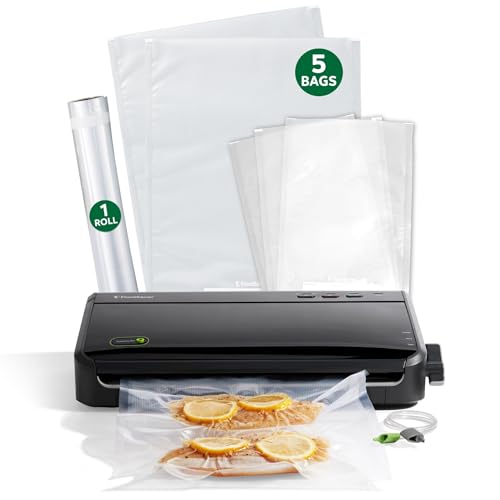
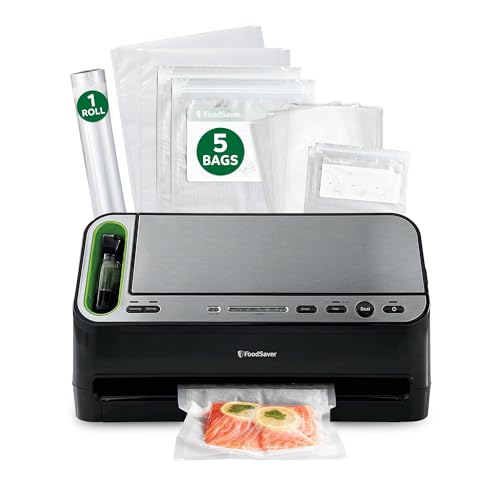


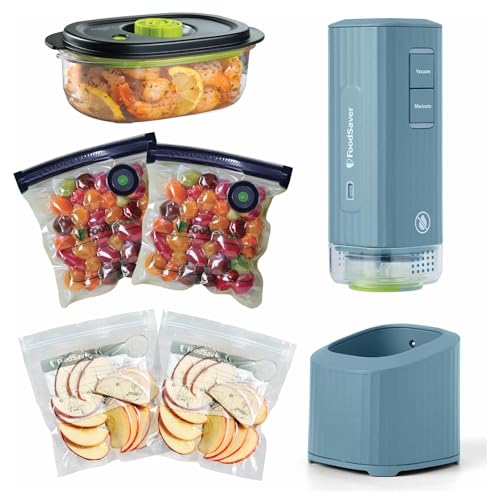

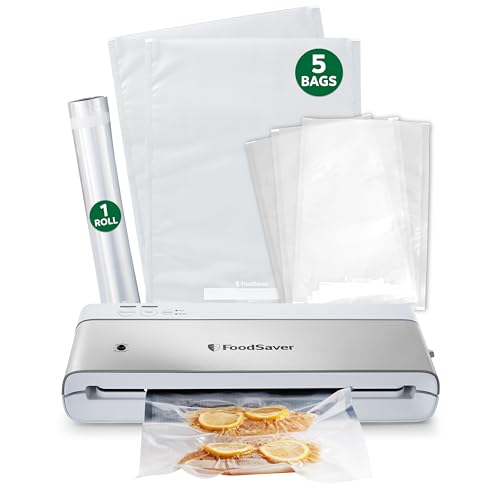
Which FoodSaver Line Actually Fits Your Kitchen
The split isn't "cheap versus expensive." It's "occasional versus routine." A handheld FoodSaver works only with special zipper-style bags that carry a one-way valve, and it's built for someone sealing a bag of chips or a half-used bag of coffee a couple of times a week. It's compact, battery-powered, and easy to shove in a drawer, but it can't pull the tight, long-hold vacuum that raw meat or long-term freezer storage needs.
A full-size automatic model is the one built for that job. It accepts standard rolls and pre-cut bags, runs its own motor instead of relying on a handheld pump, and holds a seal reliably for months in the freezer rather than days in the fridge. Anyone doing regular meal prep, batch-cooking proteins, or sous vide is going to outgrow the handheld version within a few months, so it's worth being honest about how often sealing actually happens before deciding which line to buy into.
What the Accessory Port Is Actually For
Most full-size FoodSaver machines include a hose port on the front that doesn't get much attention in marketing photos, but it's arguably the most useful part of owning into the ecosystem rather than a generic sealer. That port connects to a jar sealer attachment, which pulls air out of a mason jar through the lid instead of a bag, and it works for both regular-mouth and wide-mouth jars if you buy the matching adapter. It also connects to a wine stopper for keeping an opened bottle from oxidizing overnight, and to rigid canisters sized for things like coffee, flour, or delicate produce that would get crushed inside a bag.
None of that comes in the box by default. Buyers who only ever use the bag-sealing function are getting a fraction of what the system is built to do, and it's worth checking that whichever model you're considering actually has that port before assuming every accessory will fit.
Moist Mode: What It Actually Fixes
The moist or "gentle" setting is marketed as the fix for sealing marinated meat or anything with surface liquid, and it does help, but not automatically. It slows the vacuum pump down so juice has less chance of getting pulled up into the heating strip, which is the actual failure point when liquid interferes with a seal. What it doesn't do is stop that liquid entirely on its own.
The workaround most experienced users land on is watching the bag as it seals and pressing the manual seal button the moment liquid starts climbing toward the top, rather than trusting the auto-stop to catch it in time. Another trick that shows up repeatedly among people who seal marinades often: let the open end of the bag hang slightly off the edge of the counter so gravity keeps the liquid pooled at the bottom while the vacuum still pulls. For anything genuinely liquid-heavy, like a wet marinade you want fully submerged, a separate marinating container is a more reliable tool than trying to bag-seal it directly.
Reusable Zip Bags: Where They Actually Pay Off
FoodSaver's reusable zipper bags cost noticeably more upfront than roll bags cut to size, so the math only works if you're using the reuse part of "reusable." They're hand-washable and rated safe for the microwave, sous vide, and the freezer, which makes them a reasonable fit for food you pull from the fridge or pantry over and over, like coffee, snacks, or produce you portion out daily. They're a worse fit for anything that touched raw meat or eggs, since those shouldn't be reused for food safety reasons regardless of how well they wash.
If most of what gets sealed in your kitchen is a single cut of meat going straight into the freezer for months, standard roll bags are still the cheaper option per use, since that bag isn't coming back out until the food inside it is gone.
What Wear and Tear Looks Like Over Time
Reliability complaints around FoodSaver machines cluster around a few specific symptoms rather than being random. Inconsistent suction is the most common one, where a machine that used to pull a clean vacuum in seconds starts running longer and leaving a slightly soft seal, which usually points to a worn gasket or a filter that needs cleaning rather than a dead unit. A power switch or seal button that stops responding after light use is a smaller but recurring complaint, and it's worth testing that switch feel before the return window closes rather than after.
Because most models don't offer manual control over vacuum strength, delicate foods like berries or bread can get crushed under full suction, which shoppers sometimes mistake for a defect when it's actually just the machine doing its job at full strength. And because sealing on most models is a two-handed process, holding the bag flat with one hand while pressing the switch with the other, that ergonomic friction is worth trying in person or reading about closely before buying if hand strength or mobility is a factor.
Frequently Asked Questions
Do handheld and full-size FoodSaver bags work interchangeably?
No. Handheld models require zipper-style bags with a built-in valve, while full-size machines use plain rolls or pre-cut bags without a valve. The two bag types aren't cross-compatible.
Is the jar sealer attachment worth buying separately?
If you already can or store dry goods in mason jars, yes. It extends shelf life on pantry staples without needing a bag at all, and it's one of the more genuinely useful add-ons in the system.
Why does my machine take longer to seal than it used to?
Usually a gasket or seal strip that needs cleaning or replacing, or trapped moisture in the vacuum channel. It's rarely a sign the whole unit needs replacing.
Can I seal liquids like soup directly?
Not reliably in a standard bag, even on moist mode. Freeze the liquid first in a shallow container, then seal the solid block, or use a dedicated liquid-safe canister instead.
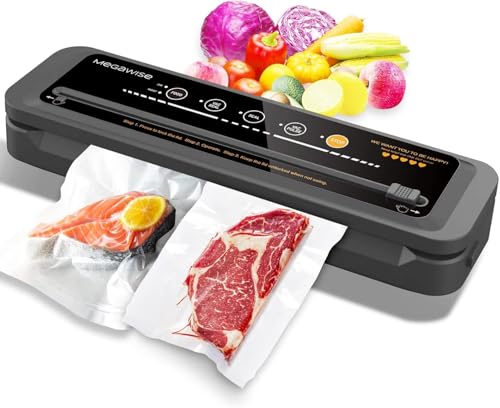
The FoodSaver system rewards buying into it deliberately rather than picking whichever box is cheapest at the store. Matching the line to how often you actually seal, using the accessory port instead of ignoring it, and knowing the honest limits of the moist setting will get more consistent results than chasing a specific model number ever will. For a broader look at sealer types outside the FoodSaver ecosystem, see our complete vacuum sealer guide, or compare entry-level pricing across brands in our budget vacuum sealer guide. Anyone sealing at a much higher volume than a home kitchen should also look at our commercial vacuum sealer guide before committing to a consumer-grade machine.