
Best Top Load Washers: A Complete 2026 Buying Guide
Disclosure: We may earn a commission when you buy through links on this page, at no extra cost to you. As an Amazon Associate I earn from qualifying purchases. Learn more
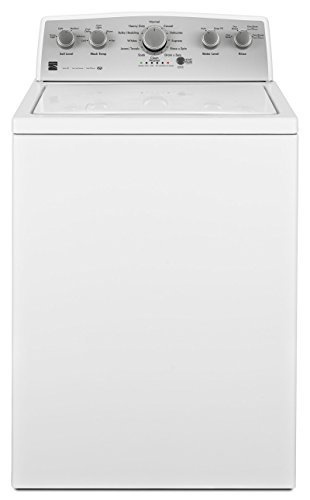
Doing laundry for a full household turns into a chore fast when your washer cycles too slowly or can't handle a bulky load of towels and bedding. If you're shopping around, finding the best top load washers for your home comes down to more than price or looks. Capacity, wash system, and how the machine fits your laundry room all shape how well it performs day to day. This guide walks through the factors that actually matter, from choosing between an agitator and an impeller to what installation looks like before delivery day, so you can compare models with confidence instead of guessing.
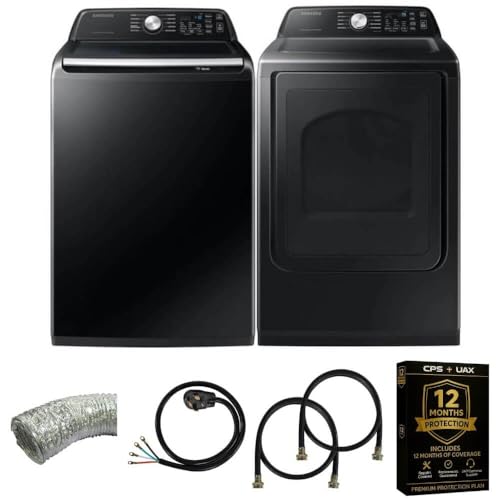
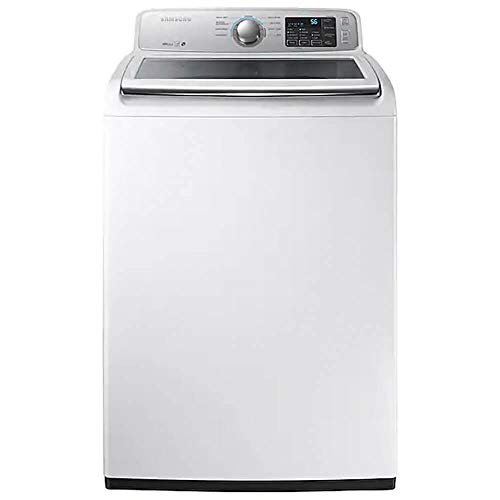
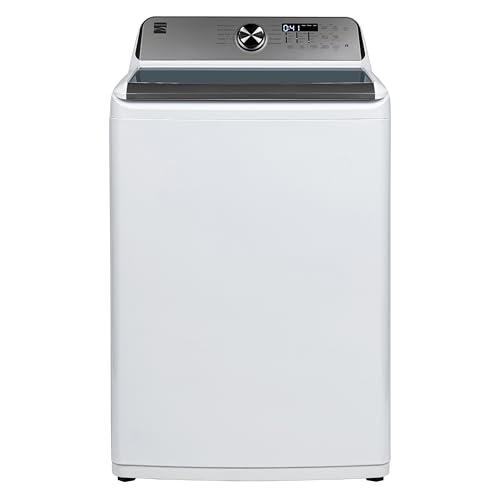

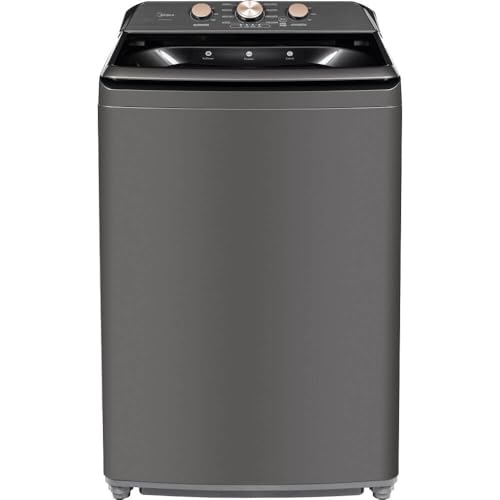
How Much Capacity You Actually Need
Capacity is usually the first spec listed on any washer, and for good reason. A machine that's too small forces you to run extra loads every week, while one that's oversized for your household wastes water and energy on half-empty cycles. Most standard top load washer models fall between 3.5 and 4.4 cubic feet, while large and extra-large capacity models run from about 4.5 up to 5.5 cubic feet.
Matching Capacity to Household Size
A single person or couple doing a few loads a week is usually well served by a standard capacity machine. Larger families, or households that regularly wash bedding, comforters, or sports gear, benefit from the extra room a large capacity drum provides. If you find yourself stuffing the drum to get everything in one load, that's a sign you need more capacity, not a better detergent.
Why a Higher Cu. Ft. Number Isn't Always Better
Cubic feet ratings describe drum volume, not how much laundry the machine can actually clean well. Overloading any washer, even a large one, reduces water circulation and leaves clothes less clean. When comparing the best top load washers on your shortlist, weigh the capacity number against real usable space and against how the wash system moves clothes through the water, which the next section covers.
Agitator or Impeller: The Two Wash Systems Explained
Nearly every modern top load washing machine uses one of two wash systems, and the difference affects both cleaning power and how gently clothes are treated. This is one of the first questions shoppers run into once they start comparing models, and it's worth understanding before you look at anything else.
How Each System Cleans Differently
An agitator is the central post that twists back and forth, physically working clothes through the water and detergent. It tends to clean heavily soiled loads well and finishes cycles quickly, but it uses more water and can be rougher on delicate fabrics. An impeller is a low-profile disc at the bottom of the drum that spins to create currents, rubbing clothes against each other rather than pulling them past a central post. Impeller machines use less water, hold larger single loads such as comforters, and are gentler on fabric.
Which One Fits Your Laundry Habits
If you regularly wash heavily soiled work clothes or activewear, an agitator model may clean tougher stains with less pretreatment. If you wash a mix of everyday clothing, bedding, and the occasional bulky item, an impeller model generally offers more usable space and gentler handling. Neither system is universally better. The right choice depends on what you actually put in the machine each week.
Installation Requirements to Check Before You Buy
It's easy to focus entirely on wash performance and forget that a washer also has to fit your space and hookups. Skipping this step is one of the more common regrets shoppers mention after delivery.
Water, Drain, and Electrical Needs
A top load washer needs dedicated hot and cold water supply lines, a standpipe or laundry sink for drainage, and a grounded electrical outlet nearby. Measure the water valve height and drain height in your laundry space before ordering, since older homes sometimes have connections positioned differently than newer construction expects.
Floor Space and Leveling
Unlike front load washers, top load models generally cannot be stacked with a dryer, so they need side-by-side floor space. They also need a firm, level floor. An uneven surface is one of the most common causes of excess vibration and noise during the spin cycle, so plan to check and adjust the leveling feet once the machine is in place.
Efficiency, Detergent, and Long-Term Reliability
Two washers with nearly identical specs can behave very differently over several years of use, and the details that predict that gap are worth checking before you buy rather than after something breaks.
Why HE Detergent Matters
Most modern top load washers are high-efficiency (HE) machines that use significantly less water than older deep-fill models. Regular detergent produces too many suds in that lower water volume, which can lengthen cycles, leave residue on clothes, and in some cases trigger error codes. Using HE detergent in the correct amount keeps the machine rinsing properly and helps avoid the oversudsing issues that generate the most common service calls.
What Affects Long-Term Reliability
Service data from appliance repair companies consistently points to a few recurring failure points across brands: suspension and bearing wear, control board issues, and problems caused by consistently unbalanced loads. Choosing a model with a solid warranty on the motor and drum, distributing loads evenly, and not overloading the drum all reduce the odds of an early repair call. Reliability tends to matter more over a five to ten year ownership period than any single feature on the spec sheet.
Top Load vs. Front Load: Is Top Load Still Right for You?
Most shoppers comparing top load washers also cross paths with front load models at some point, so it's worth a quick gut check. Top load machines are typically easier to load without bending, run shorter cycles, and cost less upfront. Front load machines are more water and energy efficient, handle larger single loads, and can be stacked with a dryer to save floor space. If accessibility, cycle speed, and simpler upfront cost matter most to you, a top loader is usually the more practical pick. If you're tight on floor space or want the lowest possible water and energy use, it's worth cross-shopping front load options before you decide.
Frequently Asked Questions
What size top load washer do I need?
For one or two people, a standard capacity of around 3.5 to 4.0 cubic feet is usually enough. Families of four or more, or households that wash bedding and bulky items often, typically do better with 4.5 cubic feet or larger.
Is an agitator or impeller better in a top load washer?
Neither is universally better. Agitator models clean heavily soiled loads well and use more water, while impeller models are gentler, hold larger single items, and use less water. The right pick depends on what you typically wash.
Do top load washers need HE detergent?
Most current top load washers are high-efficiency machines and require HE detergent. Using regular detergent can cause oversudsing, longer cycles, and residue buildup, so check your owner's manual or the detergent drawer label to confirm.
Are top load washers as reliable as front load washers?
Reliability varies more by individual model and usage habits than by loading style. Top load washers with simpler mechanical designs can be easier to service, but both styles are prone to issues if loads are consistently unbalanced or overloaded.
Can top load washers be stacked with a dryer?
Generally, no. Most top load washers require side-by-side installation because of how the lid opens and how the machine is accessed. If stacking is a priority for your space, a front load washer is typically the better fit.
Why does my top load washer keep showing an unbalanced load error?
This usually happens when bulky items like sheets or towels bunch to one side of the drum during the spin cycle, or when the washer isn't sitting level. Rearranging the load and checking the leveling feet usually resolves it.
Is a top load washer better than a front load washer?
It depends on your priorities. Top load washers are generally easier to load, cycle faster, and cost less upfront, while front load washers use less water and energy and can be stacked to save space.
Making Your Decision
There's no single model that works for every household, but the decision gets much easier once you know what to check. Start with the capacity that matches your real laundry habits, pick a wash system that fits what you actually clean, and confirm your space and hookups can support the machine you want. Keep those factors in mind and you'll be able to compare the best top load washers on the market with a clear sense of what actually matters for your home.


