Best Air Fryer Toaster Ovens: A Buying Guide for Counter Space and Cooking Needs
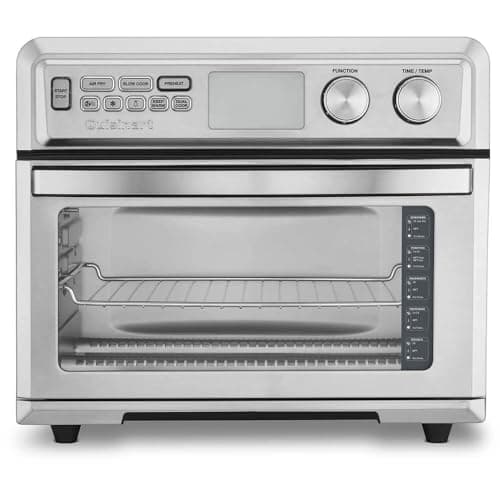
A buying guide to air fryer toaster ovens covering capacity, functions, even cooking performance, and counter space needs.
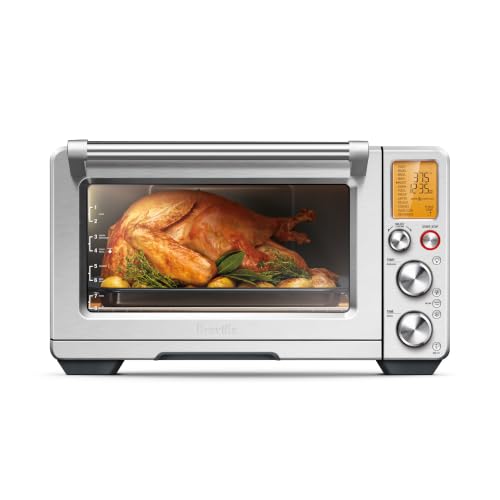
Combining an air fryer with a toaster oven sounds like an easy upgrade, but the category covers a wide range of sizes, functions, and cooking performance that make some models far more useful than others. Before you clear counter space for one, it helps to understand what actually separates the best air fryer toaster ovens from models that struggle with even cooking or take up more room than they are worth.
This guide walks through capacity, function count, airflow design, and the details that determine whether one of these appliances earns a permanent spot on your counter.




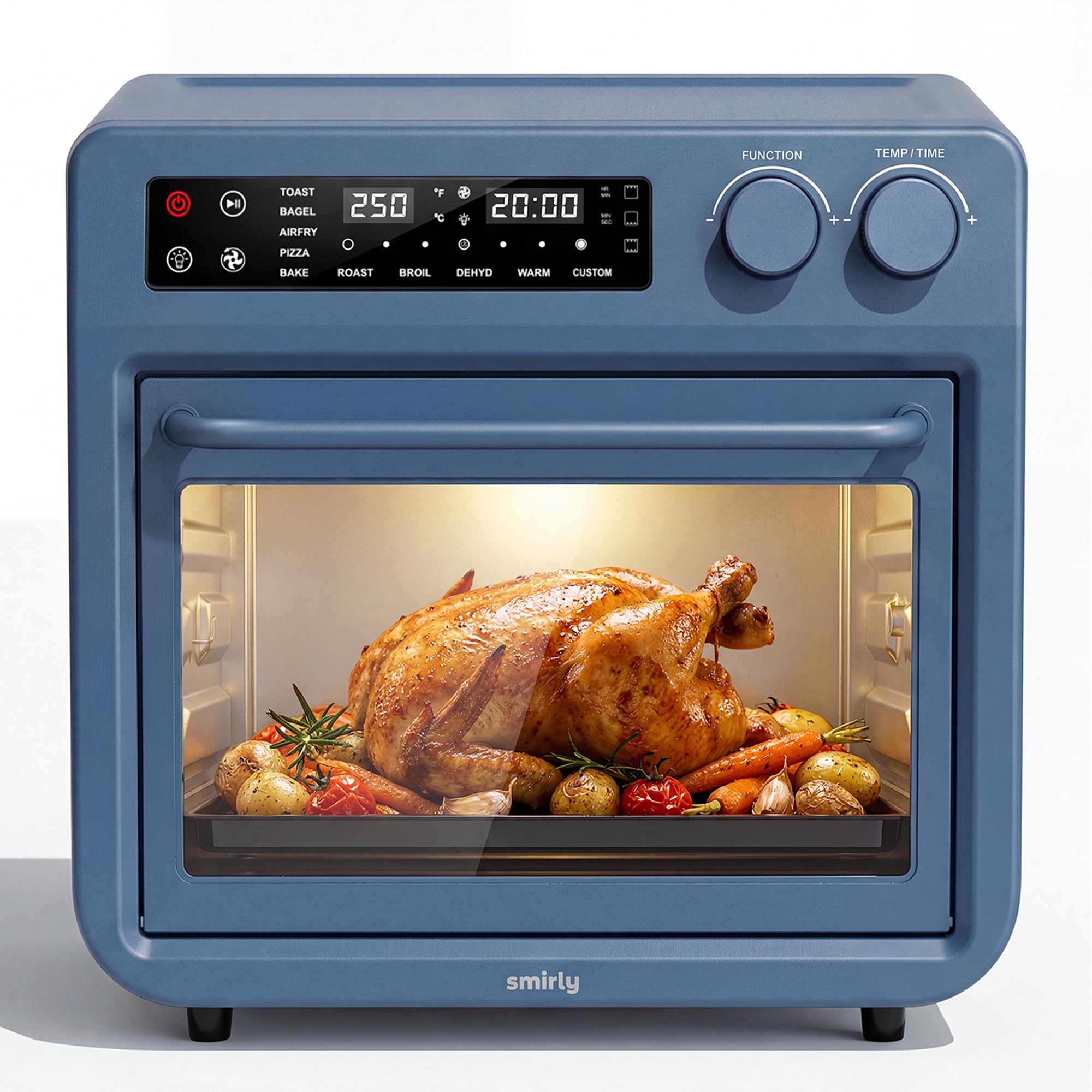
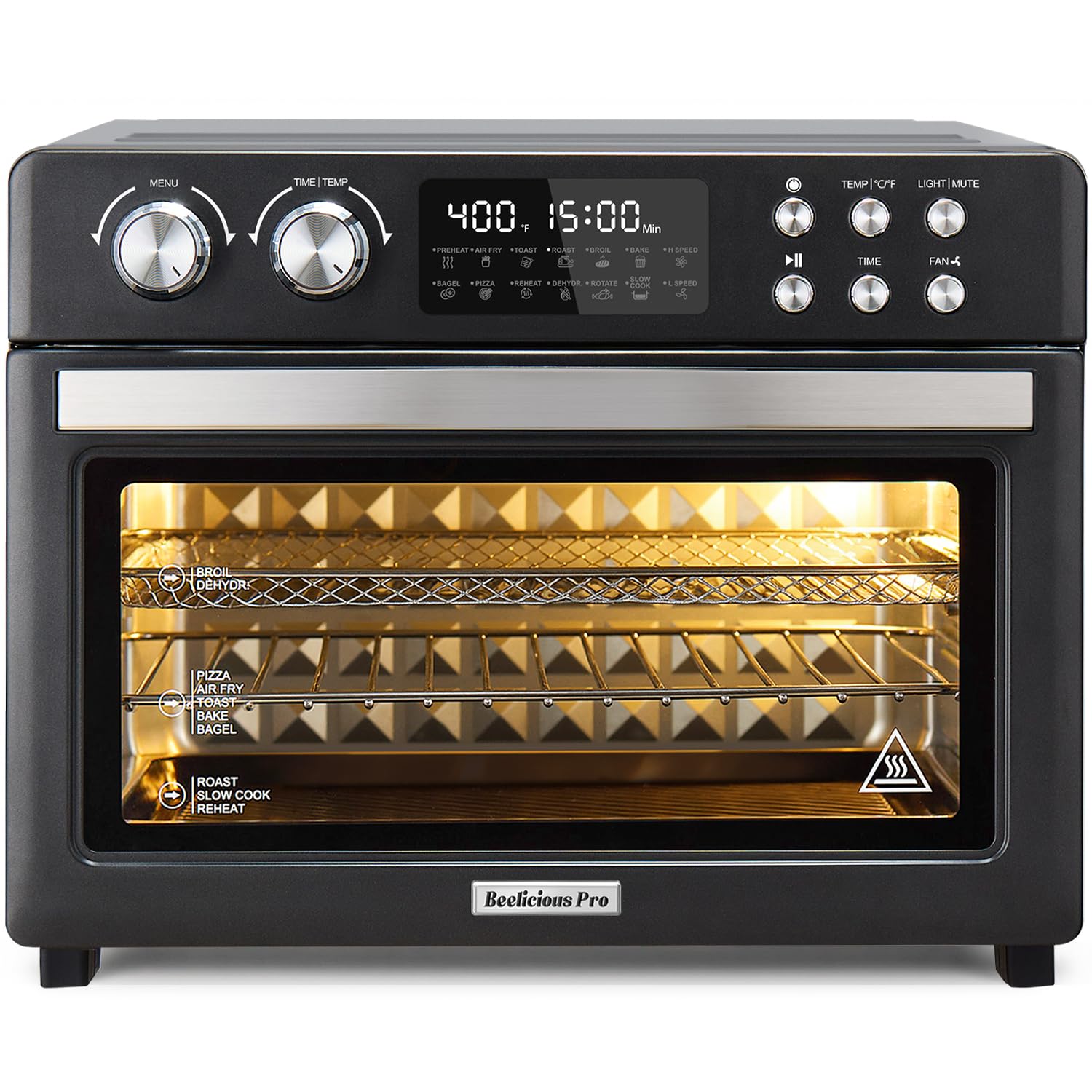


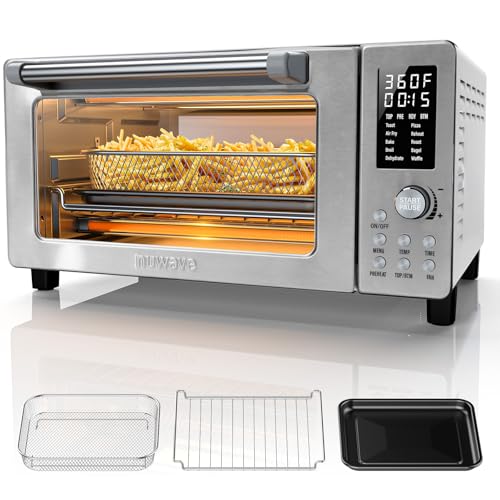


Capacity and Counter Footprint
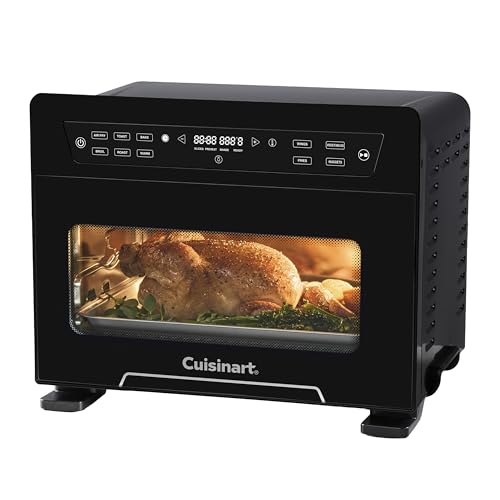
Interior capacity, usually measured in quarts or cubic feet, determines how much food fits at once, but it also directly affects how much counter space the unit occupies. A larger capacity oven that fits a whole chicken or a full sheet pan of vegetables takes up considerably more room than a compact model built for smaller batches.
Measure your available counter space before shopping by size alone, since a unit that looks reasonably sized in photos can be surprisingly bulky once it needs clearance on all sides for ventilation. Households cooking for one or two people rarely need the largest capacity available, while families cooking full meals benefit from the extra room.
Rack Placement and Usable Space
Two ovens with identical listed capacity can still cook differently depending on how many rack positions they offer and how evenly heat reaches each level. Multiple rack positions let you cook more food simultaneously, but check whether the top and bottom racks cook at noticeably different rates before assuming both work equally well.
Function Variety and What You Will Actually Use
Most models advertise a long list of cooking functions, from air frying and baking to dehydrating and broiling, but not every household uses all of them regularly. Consider which functions match your actual cooking habits rather than choosing based on the longest features list, since unused functions add cost without adding value.
Air frying and toasting cover the bulk of daily use for most people, while dehydrating and rotisserie functions tend to appeal to a smaller subset of shoppers with specific cooking interests. Prioritize the functions you will use weekly over ones you might try once and forget.
Airflow Design and Even Cooking
The quality of a unit's fan and heating element placement affects how evenly food cooks, particularly in larger interior spaces where heat has farther to travel. Uneven airflow leads to food that browns on one side while remaining pale on the other, often requiring a mid-cook rotation to compensate.
Preheat consistency matters too, since ovens that take longer to reach and hold a set temperature can throw off cook times listed in recipes designed for a standard air fryer basket. Reading reviews specifically about even cooking performance helps identify models that handle this well.
Basket and Tray Design
Non-stick coatings and dishwasher-safe trays make cleanup considerably easier, especially after cooking anything greasy or breaded. Solid trays with raised edges catch drips better than flat sheet pans, reducing smoke and mess during high-heat cooking sessions.
Noise and Kitchen Placement
The fan required for air frying makes these units louder than a standard toaster oven, which is worth considering if your kitchen is open to a living or dining space. Placement away from a kitchen table or nearby seating reduces how noticeable the fan noise feels during meal prep.
Ventilation clearance also affects placement options, since these units release hot air during operation and need space on the sides and back to avoid overheating nearby cabinets or trapping heat against a wall.
Cost and Value Across Price Tiers
Budget models handle basic air frying and toasting reasonably well but often cut corners on interior coating durability and control precision. Mid-range and higher-priced options typically add more consistent temperature control, sturdier hinges, and accessories like rotisserie spits or dehydrating trays.
Consider how often you will realistically use an appliance like this before paying for premium features. A well-reviewed, mid-range unit that handles daily air frying and toasting reliably often makes more sense than a higher-end model with functions that go unused.
Control Type and Ease of Use
Dial controls tend to be simpler and more durable over years of use, while digital touchscreens often add preset programs and more precise temperature and time adjustments. Consider how comfortable you are navigating a digital interface, especially if the unit will be used by multiple household members with different comfort levels around kitchen technology.
Preset programs can simplify common tasks like reheating or air frying frozen foods, but they are a convenience rather than a necessity. Manual time and temperature control covers the same ground for anyone willing to check a reference chart or recipe for cook settings.
Comparing This Category to a Standalone Air Fryer
A dedicated basket-style air fryer typically has a smaller footprint and reaches temperature faster, which can matter for quick weeknight cooking. Air fryer toaster oven combos trade some of that speed for versatility, adding toasting, baking, and broiling functions a basket-style unit cannot offer.
Households that already own a separate toaster or oven may not need the combined functionality, while those looking to consolidate countertop appliances often find that shopping for the best air fryer toaster ovens available saves both space and money compared to buying two separate machines.
Common Mistakes When Choosing One
- Buying based on capacity alone without measuring available counter space
- Choosing a model with more functions than your cooking habits actually require
- Overlooking reviews about uneven cooking or hot spots inside the oven
- Ignoring ventilation clearance needed around the unit during operation
- Skipping a check on whether trays and baskets are dishwasher safe
Frequently Asked Questions
How big of an air fryer toaster oven do I need?
Base capacity on typical household size and portion needs. One or two people rarely need the largest available size, while families cooking full meals benefit from more interior space.
Are air fryer toaster ovens louder than regular toaster ovens?
Yes, the internal fan needed for air frying adds noticeable noise compared to a standard toaster oven without that function.
Do these ovens cook food evenly?
It varies by model and rack position. Checking reviews specifically about even cooking and hot spots helps identify which units perform more consistently.
Can an air fryer toaster oven replace a full-size oven?
For smaller households or side dishes, often yes. For large meals or big batches, a full-size oven still handles volume that a countertop unit cannot match.
How much clearance does one need around it?
Most manufacturers recommend a few inches of clearance on all sides for proper ventilation, so check specific guidance before placing it against a wall or cabinet.
Are more cooking functions always better?
Not necessarily. Extra functions add cost, and many go unused. Matching functions to your actual cooking habits gets more value than chasing the longest feature list.
Final Thoughts on Choosing the Right Model
Picking among the best air fryer toaster ovens comes down to matching capacity and function count to how you actually cook, not the longest spec sheet available. Prioritize even cooking performance and realistic counter space before functions you may rarely use, and you will end up with an appliance that earns its spot in daily rotation.
Related reading: best cuisinart air fryer toaster oven and best rated air fryer toaster oven.