Best Toaster Oven Air Fryer: A Complete Buying Guide
Disclosure: We may earn a commission when you buy through links on this page, at no extra cost to you. As an Amazon Associate I earn from qualifying purchases. Learn more
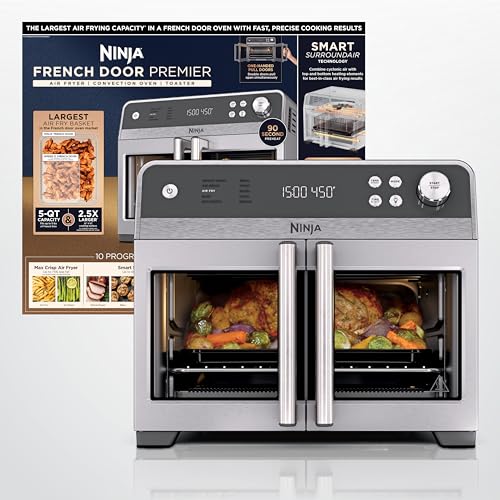
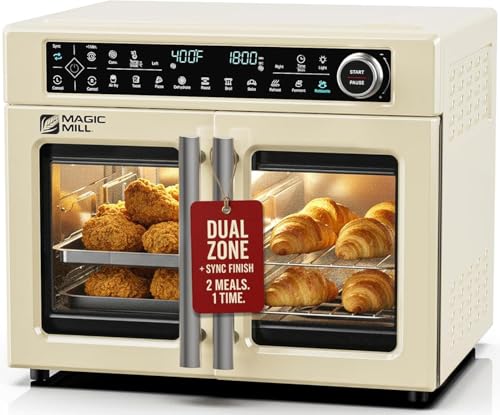
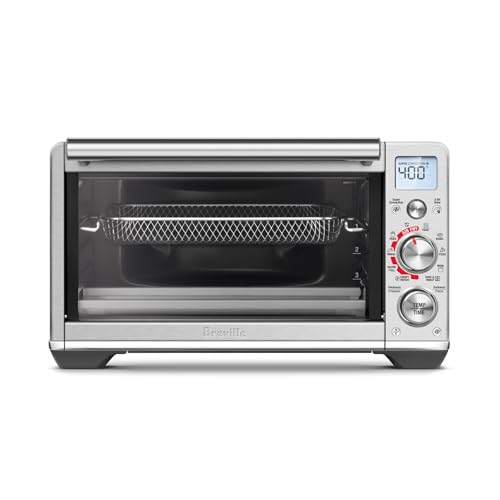


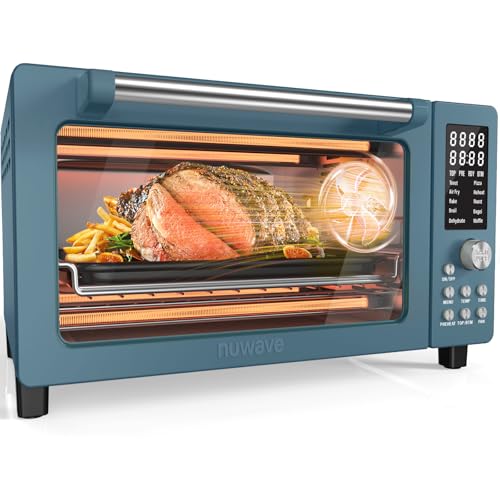
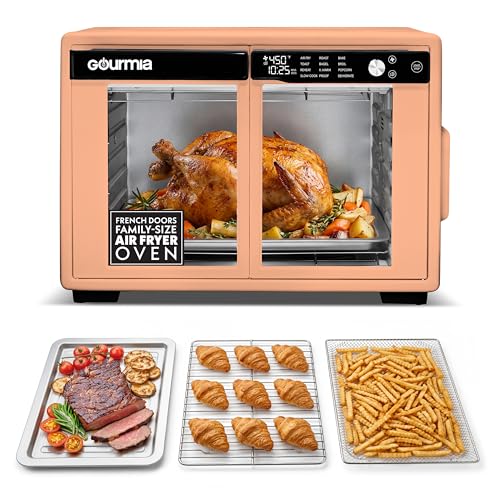

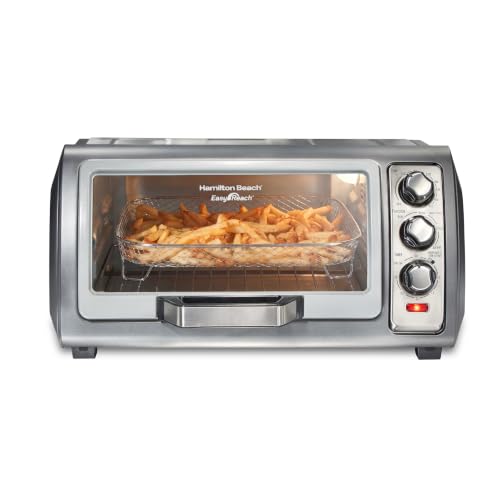
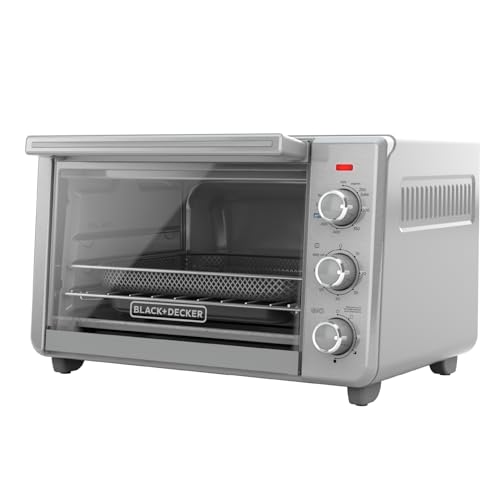
What a Toaster Oven Air Fryer Combo Actually Replaces
A toaster oven air fryer combo is built to take over the job of three or four separate countertop gadgets at once. Instead of a dedicated toaster, a standalone air fryer basket, and a small convection oven all fighting for outlet space, one unit handles toast, reheats, roasted vegetables, and crisped chicken thighs in the same cavity.
That consolidation matters most in smaller kitchens where counter real estate is scarce. A single combo appliance frees up a cabinet's worth of storage that would otherwise hold two or three single-purpose machines. It also means one appliance to clean, one cord to manage, and one learning curve instead of several.
Compared with a plain microwave oven, which mostly reheats and defrosts, a combo unit actually browns and crisps food the way a real oven does. If a household already owns a microwave for quick reheating, pairing it with a combo appliance rather than a second oven-style gadget usually covers the full range of everyday cooking needs.
Cooking Modes You'll Actually Reach For
Most combo ovens ship with a long list of presets, but in daily use, households tend to lean on a handful of them. Air fry, toast, bake, and reheat account for the bulk of runtime in nearly every household that owns one of these machines.
Convection baking is the mode that quietly does the most work. It circulates hot air around food the same way a full-size oven does, which is why roasted vegetables and sheet-pan dinners come out evenly browned instead of soggy on one side.
Specialty settings like dehydrate, proof, or broil are nice to have but not dealbreakers if missing. Before buying, it helps to list the three or four cooking tasks a household actually repeats weekly, then confirm the combo appliance handles those well rather than chasing the model with the longest feature list.
Matching Capacity to Your Household and Counter Space
Capacity is measured in quarts or liters, and the right size depends almost entirely on household headcount and how often a full meal gets cooked at once rather than a single snack.
- Singles and couples: roughly 6 to 10 quarts is enough for toast, small sides, and reheating without wasted preheat energy.
- Families of three to four: 10 to 15 quarts allows a full tray of vegetables or a small chicken alongside a second rack.
- Larger households or frequent entertainers: 15 quarts and up supports multiple racks running at once, which cuts down on cooking in batches.
Interior capacity is only half the story. The exterior footprint matters just as much, since a large-capacity combo oven can take up more counter depth than some kitchens can spare. Measuring the intended spot, including clearance for the door to swing open, before choosing a capacity tier prevents a return trip to the store.
Combo Appliance vs Two Separate Machines
The core tradeoff comes down to versatility against dedicated performance. A basket-style air fryer usually crisps slightly faster because of its smaller, more concentrated airflow chamber, while a toaster oven air fryer combo trades a bit of that speed for the ability to fit sheet pans, cook multiple racks, and toast bread properly.
Owning two separate appliances, a small toaster oven and a basket air fryer, still makes sense for households that use both heavily and have counter space to spare. It can also mean slightly better crisping in the dedicated basket unit for small-batch frying.
For most kitchens, though, a single combo unit covers the same use cases with one less appliance to store and maintain. Anyone weighing a similar multi-function tradeoff might also look at a convection microwave oven combo, which solves a related problem by merging reheating and baking instead of toasting and frying.
What Drives the Price, and Where It's Worth Spending More
Price generally scales with interior capacity, wattage, and the sophistication of the control panel. Digital touch controls with saved presets cost more than simple dial-based models, but they also tend to produce more consistent results once a household dials in its favorite settings.
Insulation quality is an underrated factor. A well-insulated cavity holds temperature more evenly and doesn't turn the surrounding counter and cabinets into a heat source, which matters in smaller kitchens.
Spending more usually buys better even heating and sturdier hinges rather than flashier presets. Shoppers working with a tighter budget can still get solid everyday performance from budget-friendly air fryer ovens as long as capacity and wattage match household needs.
Keeping the Basket and Crumb Tray in Good Shape
Routine cleaning is what keeps a combo oven performing well past its first year. The crumb tray should be emptied after heavy use and never left in place with a buildup of grease, since accumulated crumbs are a genuine fire risk in any toasting appliance.
- Let the unit cool completely before removing racks, baskets, or trays for cleaning.
- Hand-wash the basket and trays with warm, soapy water rather than abrasive scrubbers that damage nonstick coatings.
- Wipe the interior cavity weekly with a damp cloth to prevent smoke from old grease during the next use.
- Check the door seal periodically, since a worn seal lets heat escape and forces the unit to work harder.
Running the appliance without its crumb tray in place, even for a single use, is one of the more common mistakes owners make. It seems harmless but it lets debris fall directly onto the heating element.
Frequently Asked Questions
Is a toaster oven air fryer combo worth buying over a standalone air fryer?
For most households, yes. The added capacity and toasting function cover more daily tasks, and the tradeoff in crisping speed is minor for typical portion sizes.
Can a combo oven fully replace a conventional oven?
It can handle most everyday cooking, but very large dishes like a full turkey still need a full-size oven. Treat it as a supplement for smaller and faster meals.
Do these ovens use a lot of electricity?
They typically draw between 1200 and 1800 watts, similar to a standard toaster oven. Actual energy use is usually lower than a full oven since cook times and preheating are shorter.
How loud is the fan during air frying?
Most units produce a steady hum comparable to a kitchen exhaust fan on low. It is noticeable in a quiet room but not disruptive in normal daily use.
Is it safe to leave a combo oven running unattended?
Short unattended runs with a working auto shutoff are generally considered safe, but manufacturers still recommend staying nearby, especially during the first few uses of any new appliance.
Does the air fry setting require special cookware?
No special cookware is required beyond the included basket or tray. Metal and oven-safe glass work fine, but nonstick sprays should be applied lightly to avoid residue buildup.
Making the Combo Appliance Work for Your Kitchen
Choosing the right toaster oven air fryer comes down to matching capacity and cooking modes to how a household actually eats, not to how many presets are printed on the control panel. A smaller unit with reliable convection baking will outperform a larger one that runs unevenly.
Counter space, cleaning habits, and how often meals get cooked in batches all matter more than any single spec sheet number. Households that reheat and toast daily but only air fry occasionally can lean toward a smaller, faster-preheating model.
Taking a few minutes to measure the counter spot and list weekly cooking habits before comparing models saves both money and regret. The right size and mode selection, more than any brand-specific feature, is what determines whether the appliance earns permanent counter space or ends up in a cabinet after a month.