Double Wall Oven Buying Guide: What to Know Before You Buy
Disclosure: We may earn a commission when you buy through links on this page, at no extra cost to you. As an Amazon Associate I earn from qualifying purchases. Learn more

Picture a holiday dinner where the turkey needs a low, slow roast while the side dishes need a hot, fast bake, and dessert needs something in between. One oven cavity means constant juggling, opening doors, swapping racks, and hoping nothing overcooks while something else finishes. This is exactly the problem a double wall oven is built to solve.
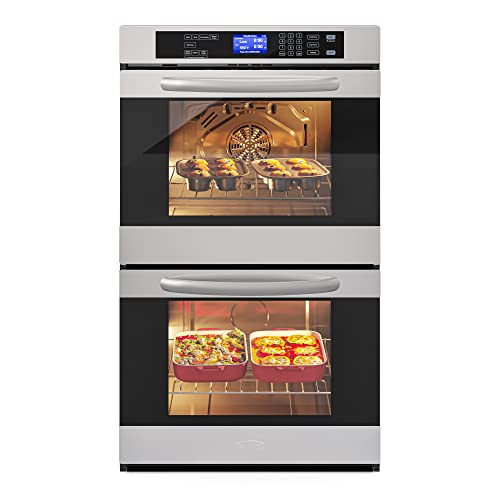
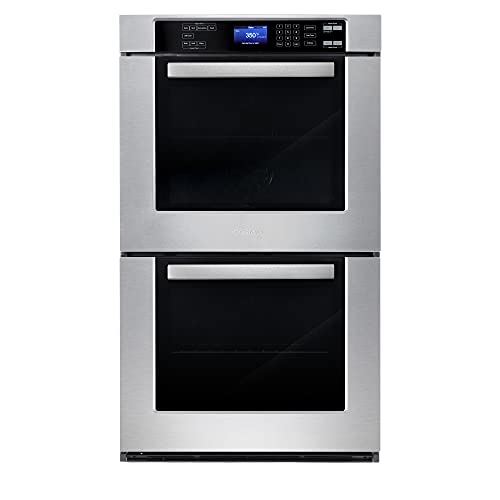
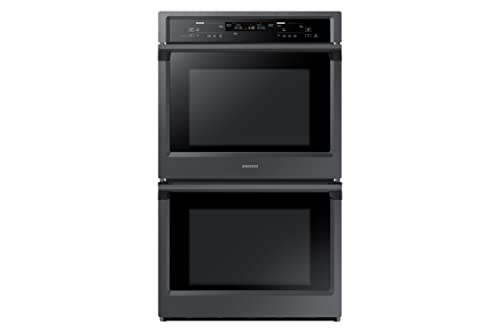
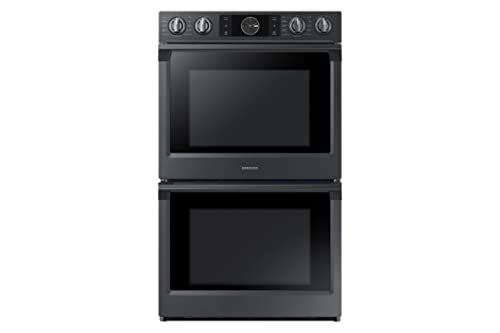
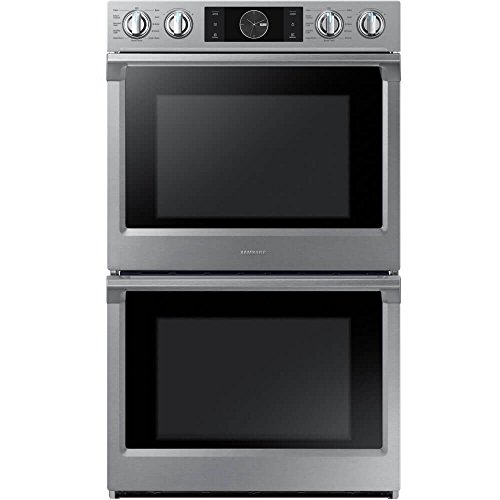
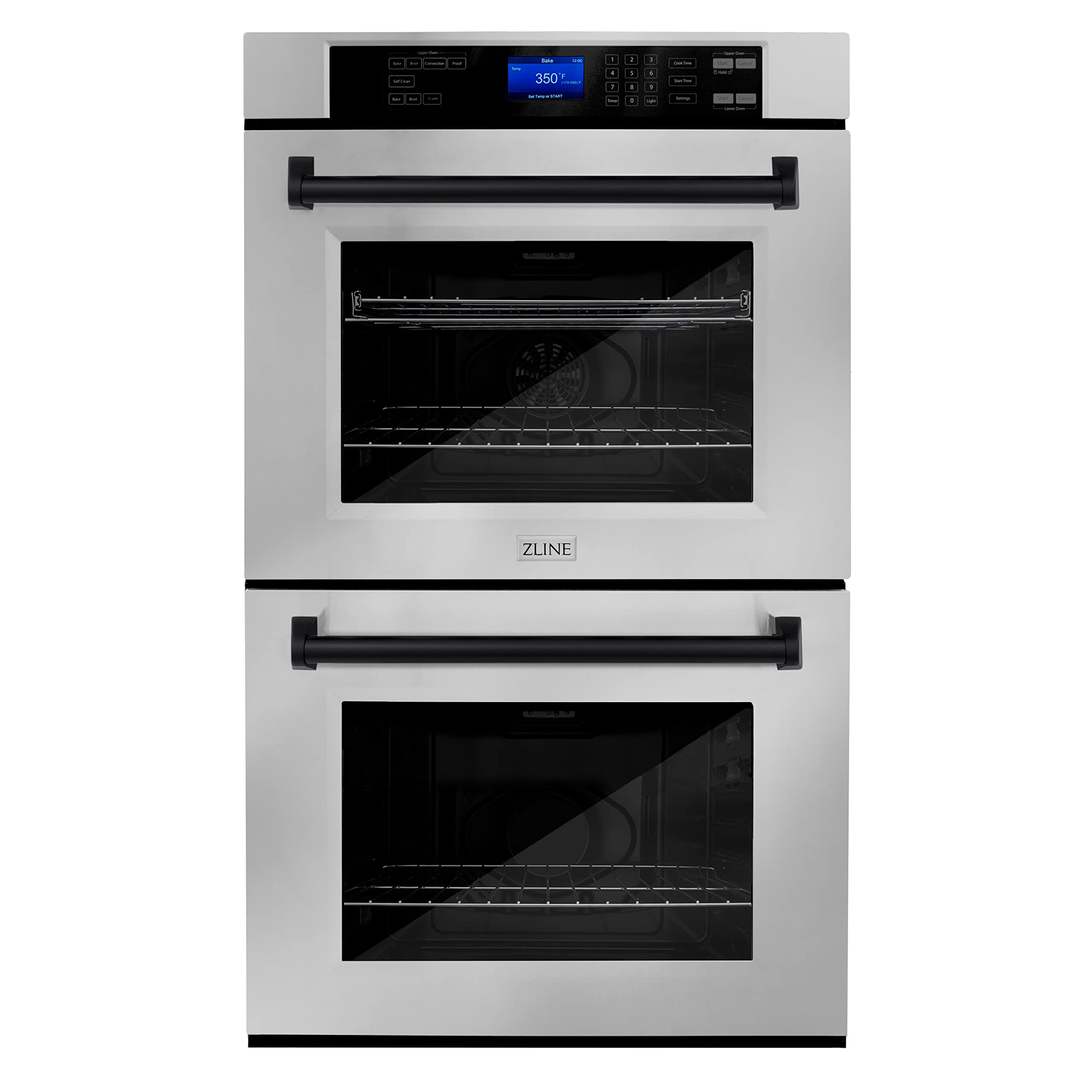
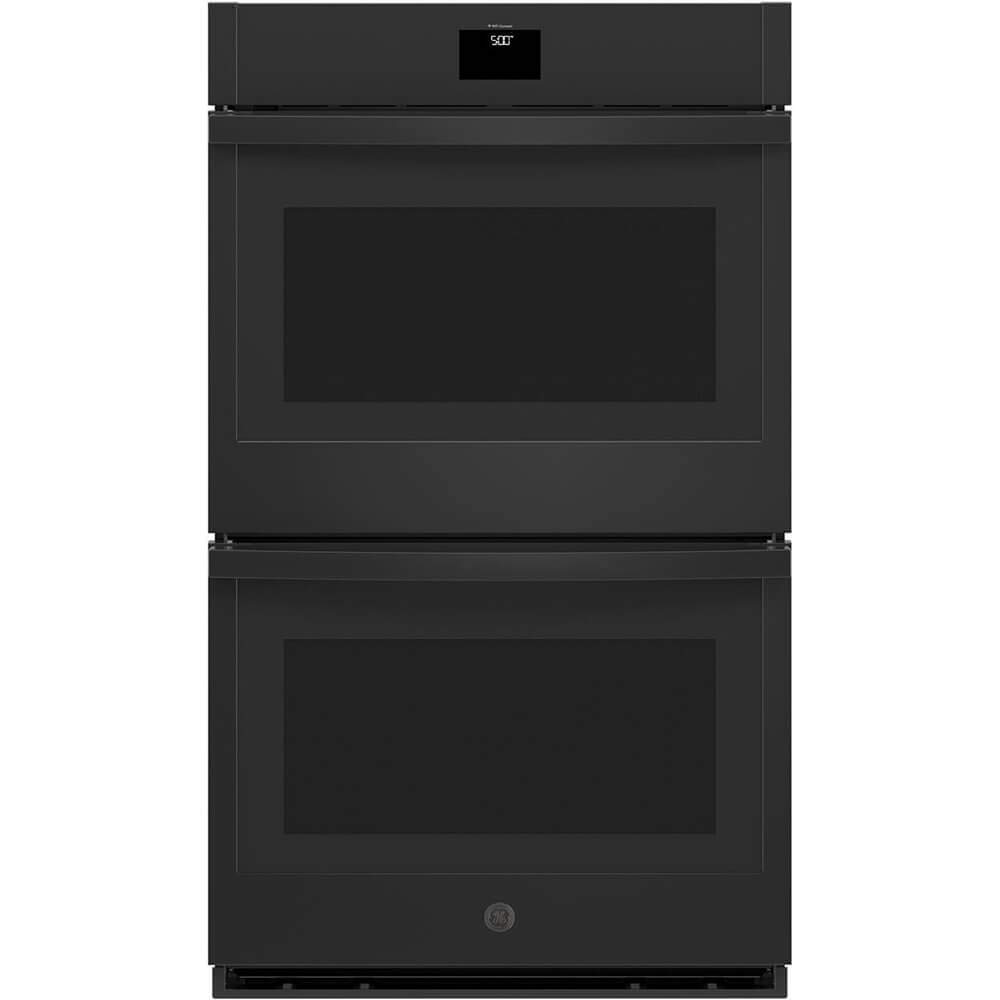
A double wall oven gives you two full-size cooking cavities stacked into one built-in unit, each with its own temperature and mode. That flexibility comes with real tradeoffs in cost, cabinet space, and installation complexity, so it is worth understanding before you commit. In this guide, you will learn who genuinely benefits from a second oven, what your cabinets need to handle the size and weight, how to think about matching features between the two cavities, and how a double wall oven stacks up against the popular oven-microwave combo alternative.




Who Actually Needs a Double Wall Oven
Not every kitchen needs two ovens, and plenty of people who buy one end up barely using the second cavity. Before you shop, it helps to be honest about how you actually cook, not how you imagine you might cook someday.
Household size and how often you cook for a crowd
If you regularly cook for a large household, host holidays, or entertain frequently, a second oven removes a lot of friction. You can roast a main dish in one cavity while baking sides or dessert in the other, without timing everything around a single door opening and closing. For a household of one to three people who cook mostly weeknight meals, a single oven or an oven range usually covers the need without the added expense.
Baking and roasting at two different temperatures at once
The other clear signal is temperature conflict. Bread and pastries often need a steady, lower heat, while a roast or broiled dish wants high heat. A double wall oven lets both happen simultaneously instead of forcing you to cook in sequence. If your meals rarely call for two different temperatures at the same time, that specific advantage will not get much use, and it is worth being realistic about whether that scenario comes up weekly or only a few times a year.
Cutout Size, Weight, and What Your Cabinets Need to Handle
This is the area where double wall ovens most often surprise first-time buyers, because the space and structural requirements are noticeably different from a single oven.
Standard width and height cutouts to plan around
Double wall ovens are typically available in 24, 27, and 30 inch widths, matching common single oven widths. The difference is height. Because two full cavities are stacked, the cutout runs roughly four feet tall, sometimes more depending on the model, compared to a much shorter cutout for a single oven. Before you shop, measure your existing cabinet opening carefully, and if you are remodeling, plan the cabinetry around the oven's cutout specs rather than the other way around. Depth typically runs close to 24 inches, similar to single models, but always confirm against the manufacturer's dimension sheet since specs vary between brands.
Why the cabinet floor usually needs reinforcement
A stacked double oven can weigh a couple hundred pounds or more once fully installed, which is significantly heavier than a single cavity unit. Standard cabinet shelving is not always built to support that load safely over time. Most installers recommend reinforcing the supporting shelf, often by adding a second layer of plywood, to prevent sagging or movement. If you are working with an installer or contractor, flag the oven's total installed weight early so the cabinetry can be built or reinforced correctly the first time, rather than retrofitted later.
Matching the Two Ovens: Capacity, Convection, and Everyday Features
Once size and structure are settled, the next decision is how the two cavities should function relative to each other.
Should both cavities be the same size
Some double wall ovens have two equally sized cavities, while others pair a larger main oven with a smaller second one. Equal cavities give you more flexibility for large-format cooking in either oven, which suits people who host often. A smaller second cavity can still be useful for side dishes, reheating, or smaller batches, and it sometimes allows for a shorter overall cutout height. Think about what you would realistically put in each oven on a typical cooking day before deciding which layout fits better.
Convection, self-clean, and smart features worth prioritizing
Convection cooking, which circulates hot air for faster and more even results, is worth having in at least the primary cavity, and many buyers prefer it in both. Self-cleaning modes save real effort over time, though they can add to the price. Smart connectivity, remote preheat, and app-based monitoring are convenient extras rather than essentials, so weigh them against your budget instead of treating them as must-haves. Focus first on even heat performance and reliable temperature control in both cavities, since that is what actually affects your cooking results day to day.
Double Wall Oven vs. an Oven-Microwave Combo
Before finalizing a double wall oven, it is worth comparing it against the other common built-in setup: a full-size oven paired with a microwave or speed-oven above it.
When a combo unit makes more sense
An oven and microwave combo typically needs a shorter cutout than a full double wall oven, which makes it a practical choice for kitchens with limited vertical cabinet space. You still get a second heat source for reheating, quick baking, or air frying, just not a second full-size oven cavity. If your main need is everyday convenience and speed rather than cooking two large dishes at very different temperatures at once, a combo unit often delivers most of the benefit at a lower cost and smaller footprint. A true double wall oven earns its place when you need two genuinely full-size cavities working independently, most often for larger households or frequent entertaining.
What a Double Wall Oven Typically Costs to Buy and Install
Expect a double wall oven to cost meaningfully more than a comparable single oven or range, both for the unit itself and for installation. The gap comes from more material, more electronics, and often more complex cabinetry or electrical work, especially if you are converting a space that was not previously built for a stacked unit. Installation costs can also rise if your existing cabinet needs structural reinforcement or if the electrical circuit needs to be upgraded to handle the additional load. It is worth getting a rough installation estimate before you buy, not just pricing out the appliance on its own, so you have a realistic total budget rather than a surprise later.
Frequently Asked Questions
Is it worth getting a double wall oven?
It depends on how you cook. If you regularly prepare large meals, entertain often, or need two different oven temperatures at the same time, the extra cost and space are usually worth it. If you cook for a small household most days, a single oven typically covers your needs for less money.
What is the standard size of a double wall oven?
Most double wall ovens come in 24, 27, or 30 inch widths, with a cutout height of roughly four feet to accommodate two stacked cavities. Depth is usually close to 24 inches, but you should always confirm exact dimensions against the specific model's spec sheet.
Do double wall ovens need extra cabinet support?
Yes, in most cases. A fully installed double wall oven can weigh a couple hundred pounds or more, and standard cabinet shelving may need reinforcement, often an added layer of plywood, to safely support that weight long term.
Can both ovens run at different temperatures at the same time?
Yes. Each cavity in a double wall oven has independent temperature and mode controls, so you can roast in one while baking at a different temperature in the other, which is one of the main reasons people choose this setup over a single oven.
Are double wall ovens gas or electric?
The large majority of built-in double wall ovens are electric, since electric elements offer more consistent, even heat across two stacked cavities. Gas double wall options exist but are far less common and more limited in selection.
Do both compartments need to be the same size?
No. Some models pair two equally sized cavities, while others use a larger primary oven with a smaller second one. Matching cavities offer more flexibility for large dishes, while a smaller second cavity can still handle sides, reheating, or smaller batches.
Making the Right Call for Your Kitchen
A double wall oven is a genuine upgrade for households that cook in volume or need two temperatures running at once, but it comes with real space, weight, and cost considerations that are worth planning for in advance. If, after reading through this, your household leans toward simpler day-to-day cooking, it is worth reading our guide to the single wall oven before deciding, since it may be the more practical fit.