
Best Wireless Headphones: Budget, Midrange, and Premium Picks
Disclosure: We may earn a commission when you buy through links on this page, at no extra cost to you. As an Amazon Associate I earn from qualifying purchases. Learn more

The best wireless headphones by budget: what $60, $150 and $450 pairs deliver in noise cancelling, comfort and sound.
Wireless headphones now range from $30 pairs with surprisingly good noise cancelling to $500 flagships with spatial audio and premium materials. The jump in price does not always bring a matching jump in sound, so it helps to know exactly what each extra dollar buys. This guide to the best wireless headphones sorts the market into budget, midrange and premium tiers, so you can decide where to spend and where to save.
We focus on over ear Bluetooth headphones for music, commuting, travel and working from home. You will find three picks across price levels, what to expect in each tier, the features worth paying for and the long term costs, such as replacement ear pads and battery aging, that most buyers overlook.





Top 3 Picks by Budget
These three come from the product table above and represent standout value at each price level. All are current models sold new on Amazon US from established audio brands, and all include active noise cancellation.
We compared noise cancelling strength, battery life, codec support, comfort features, microphone quality and app support, along with the overall pattern in owner feedback. We did not run our own listening trials; the notes reflect maker specifications and aggregated buyer experience.
If you are torn between tiers, think about where you listen most. Daily flights and loud offices justify the premium pick, mixed commuting and home use point to the midrange pick, and occasional listening or a second pair for travel makes the budget pick an easy choice.
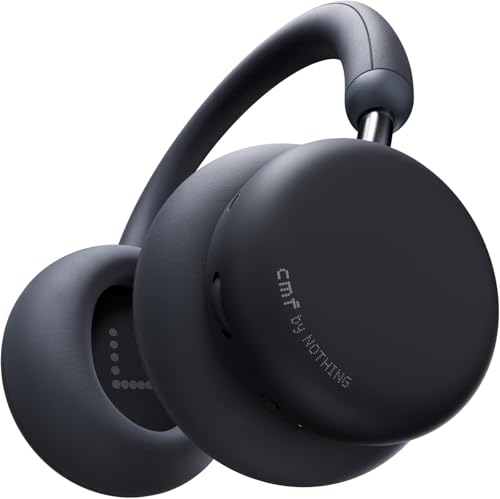
Best Budget Pick: CMF by Nothing Headphone Pro
The CMF by Nothing Headphone Pro suits students, commuters and anyone who wants modern features for around $59. It offers up to 40 dB of adaptive active noise cancellation, up to 50 hours of playback with ANC on, custom 40mm drivers and LDAC support with Hi-Res certification for higher quality Bluetooth audio on compatible phones.
Two features stand out at this price: a physical slider for bass and treble adjustment and a companion app with custom EQ and spatial audio. The limitation is premium finish and noise cancelling depth compared with flagship models. Skip it if you fly often and want the strongest possible noise cancellation for long flights.

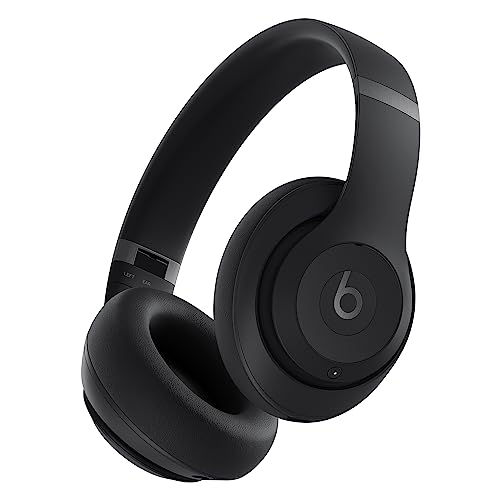
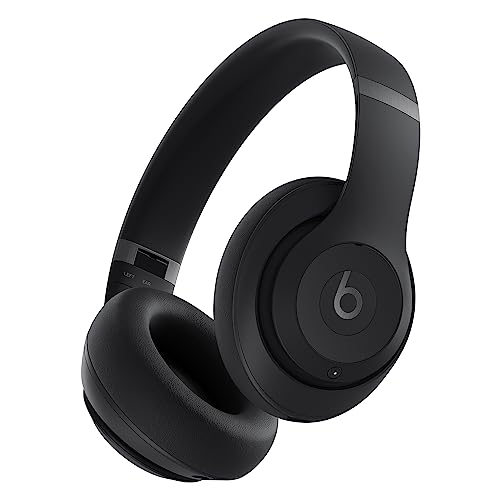
Best Midrange Pick: Beats Studio Pro
The Beats Studio Pro is for people who switch between Apple and Android devices and want a polished, travel ready headphone, at around $150. It offers active noise cancelling with a Transparency mode, up to 40 hours of battery life and Fast Fuel charging that gives up to 4 hours of playback from a 10 minute charge.
Its strengths are flexible connectivity, including one touch pairing for Apple and Android, USB-C lossless audio and a 3.5mm cable option, plus personalized spatial audio with head tracking. The trade off is that the fit feels snug for some head shapes during long sessions. Skip it if comfort over many hours matters more than style and features.
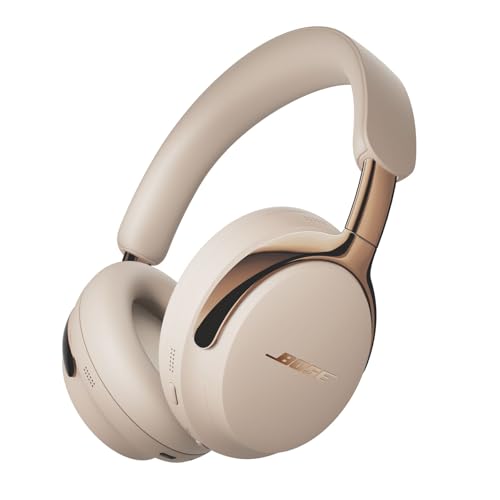
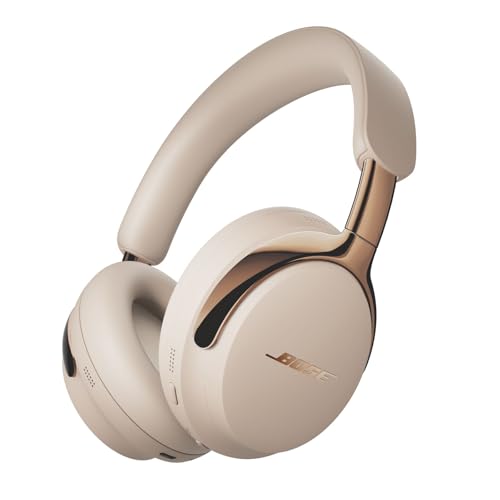
Best Premium Pick: Bose QuietComfort Ultra (2nd Gen)
The Bose QuietComfort Ultra second generation suits frequent flyers, open office workers and anyone who wants top tier quiet, at around $449. Bose describes it as its best noise cancellation for headphones, with Quiet and Aware modes, immersive spatial audio, a new Cinema mode and up to 30 hours of playback.
The appeal is serious noise cancelling combined with comfort: plush cushions and a metal headband that spreads pressure evenly, plus AI based background noise suppression for clear calls and USB audio over USB-C. The limitation is price and battery life with immersive audio on, which drops to about 23 hours. Skip it if you mostly listen at home, where a midrange pair delivers most of the experience.
What Your Money Gets You at Each Price Tier
Wireless headphones on Amazon US fall into three clear price bands. Sales are frequent, so treat these as typical prices rather than fixed numbers.
Budget Tier: What to Expect
Under around $80 you can now get hybrid active noise cancellation, long battery life of 40 to 90 hours and companion apps with EQ. Brands such as Soundcore, CMF by Nothing and TOZO compete hard here, and some budget models even support higher quality codecs.
What you give up is refinement. Noise cancelling is weaker against voices and irregular sounds, build quality relies on plastic, microphones struggle in noisy streets and ear pads may wear sooner. For students, gym use and backup pairs, though, budget headphones offer remarkable value.
Long battery figures are a highlight of this tier. Many budget models run for days between charges, which suits students who forget to plug in and travelers on long trips. Check whether the claimed figure is with noise cancelling on or off, since the difference can be large.
Midrange Tier: The Sweet Spot for Most Buyers
Between around $100 and $300 you get noticeably better noise cancelling, more natural sound tuning, better microphones and more comfortable designs. Models from Beats, Sony, Sennheiser and Bose's previous generation often fall here during sales.
This tier is the sweet spot because it delivers most of the flagship experience at half the price or less. Multipoint Bluetooth, which connects to a phone and laptop at once, becomes common, along with wear detection, solid apps and replaceable ear pads on some models.
Previous generation flagships often drop into this tier when a new model launches, which makes them some of the best deals in audio. A last generation premium headphone usually still offers excellent noise cancelling and sound, along with long software support.
Premium Tier: When Spending More Pays Off
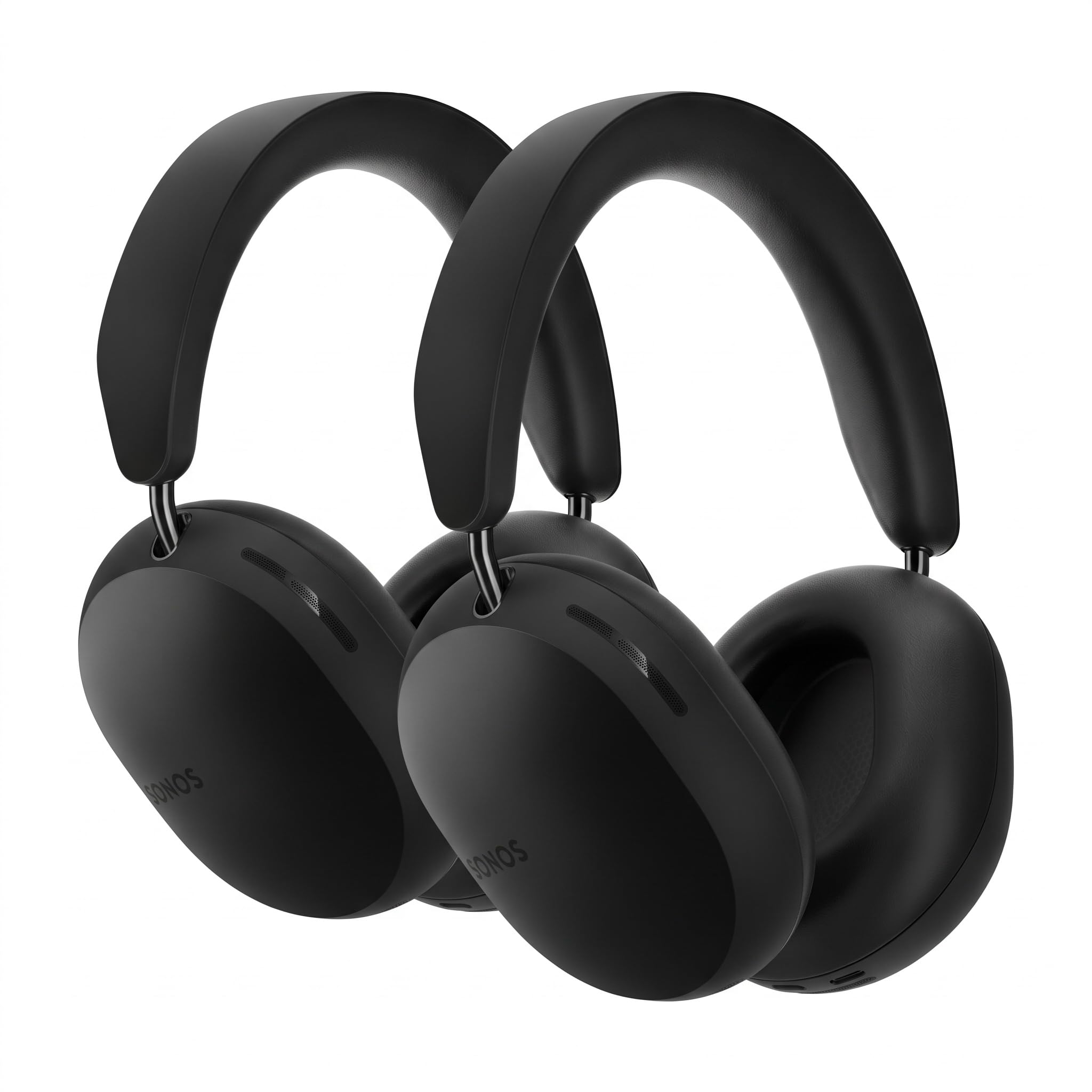
Above around $350 you reach flagships such as the Bose QuietComfort Ultra, Sony WH-1000XM6, Apple AirPods Max and Sonos Ace. You pay for the strongest noise cancellation, refined sound, premium materials, advanced spatial audio and tight integration with phones and smart home systems.
Spending more pays off if you fly often, work in noisy spaces or listen for many hours each day. Premium models also tend to have better call quality and longer software support. If you mainly listen at home or on short commutes, the extra money brings smaller benefits.
Premium headphones also tend to integrate deeply with one ecosystem. AirPods Max works best with Apple devices, while Bose and Sony offer apps for both iOS and Android. Choose the flagship that matches the phone, laptop and tablet you already use.
Best Wireless Headphones: Features Worth Paying For (and Ones to Skip)
Some features change your daily experience. Others mostly change the price. Here is how to tell them apart.
Battery Life and Charging
Battery life varies from around 20 hours on some flagships to more than 60 hours on budget models. For most people, 30 hours or more with noise cancelling on means charging once a week. Quick charging is worth having: many headphones give several hours of playback from a 10 or 15 minute charge.
USB-C charging and the option to use a wired cable when the battery dies add flexibility. Do not pay extra purely for a very high battery figure if you charge nightly anyway; comfort and sound matter more day to day.
Auto pause and wear detection sensors stop playback when you remove the headphones, which saves battery without thinking about it. Some models also power off automatically after a period of inactivity, which prevents a dead battery when you forget to switch them off.
Sound Quality and Tuning
Sound tuning ranges from bass heavy to balanced. A good EQ in the companion app lets you adjust the sound to your taste, which narrows the gap between price tiers. Codecs such as AAC, aptX and LDAC can improve wireless sound on compatible devices, while iPhones use AAC.
Spatial audio and head tracking create a more immersive, speaker like experience for movies and some music. These are nice extras, but core tuning and noise cancelling quality matter more for everyday listening.
Listening at moderate volume protects your hearing and often sounds better, since many headphones distort slightly at maximum level. Noise cancelling helps here too, because you no longer need to turn up the volume to drown out a noisy bus or plane cabin.
Comfort and Fit
Comfort determines whether you will actually wear headphones for long flights or workdays. Look for soft memory foam cushions, a padded or suspension headband, moderate clamping force and ear cups large enough to fit around your ears rather than pressing on them.
Weight matters too; most over ear headphones weigh between about 250 and 400 grams. Glasses wearers should look for soft cushions that seal around frames. Replaceable ear pads extend the life of good headphones.
Heat is a common complaint during long wear, especially with leatherette pads. Taking short breaks, choosing cushions with breathable materials and keeping pads clean all help. Some people prefer on ear designs for summer, though they usually isolate less noise.
Durability and Water Resistance (IP Rating)
Most over ear headphones are not rated for water resistance, so they should be kept away from rain and heavy sweat. If you work out in headphones, consider sport earbuds with an IPX4 or higher rating instead.
Durability comes from sturdy hinges, metal headband reinforcement and a protective case. Folding designs and hard cases protect headphones during travel. Check warranty terms, usually one year, and whether the maker sells replacement parts.
Hinges and headband sliders take the most stress, so fold and unfold headphones gently and avoid stretching them over large objects. Storing them in their case instead of a loose bag prevents scratches and keeps the ear pads from flattening.
Noise Cancellation and Isolation
Active noise cancellation reduces constant low sounds like engines, air conditioning and traffic. Premium ANC handles a wider range, including voices, more effectively. Transparency or aware modes let outside sound in so you can hear announcements or talk without removing your headphones.
Passive isolation from a good ear cup seal also matters. ANC is worth paying for if you commute, travel or work in shared spaces. If you mostly listen at home, a pair with good passive isolation and modest ANC is enough.
Wind noise reduction and adaptive ANC, which adjusts strength based on your surroundings, are useful premium features for people who walk or cycle in the city. Always use aware or transparency mode near traffic so you can hear cars, bikes and sirens.
Long Term Costs to Factor In
Wireless headphones carry a few costs beyond the purchase price. Ear pads wear out after one to three years of regular use, and replacements from the maker or third parties usually cost a modest amount. Batteries gradually lose capacity, often noticeably after three to four years, and most over ear models do not have user replaceable batteries.
A protective case, a spare charging cable and occasionally an airline adapter round out the extras. Premium headphones with replaceable pads and long software support often deliver better value over five years than cheaper models that need replacing sooner.
Software updates are part of long term value as well. Brands that keep updating apps and firmware add features, fix bugs and improve connectivity for years, while some budget brands stop updating soon after launch. Checking a brand's update history before buying can help you pick a pair that ages well.
Wireless Headphones: Your Questions Answered
Is ANC worth the extra cost?
Yes, if you commute, fly or work in noisy spaces. Active noise cancellation reduces engine hum and background noise, letting you listen at lower volumes, which is easier on your ears. Even budget headphones now include decent ANC. If you only listen in a quiet home, passive isolation may be enough, and you can save money.
How long does the battery last?
Most wireless headphones last between 20 and 60 hours per charge with noise cancelling on, and some budget models go even longer. Using spatial audio or high volume shortens battery life. Over the years, battery capacity slowly declines, so a pair rated for 30 hours may deliver less after several years of use.
Do I need a special codec?
Not necessarily. Codecs like LDAC and aptX can improve wireless audio quality, but only if your phone supports them; iPhones use AAC. For most listeners, tuning, fit and noise cancelling matter more than the codec. If you use high resolution music services on Android, a headphone with LDAC is a nice bonus.
Wired or wireless: which sounds better?
At the same price, wired headphones can sound slightly better because they skip Bluetooth compression and spend more on drivers. Modern wireless headphones sound excellent for most listeners and add convenience and noise cancelling. Many wireless models also include a cable for wired listening on flights or with dedicated audio gear.
What IP rating do I need for outdoor use?
For running, gym sessions or rain, look for IPX4 or higher, which resists sweat and splashes. Most over ear headphones lack an IP rating, so they are best for commuting, travel and indoor use. If you need headphones for workouts outdoors, sport earbuds with an IPX4 to IPX7 rating are a better choice.
Final Thoughts
The best wireless headphones for you balance noise cancelling, comfort and sound with a price that matches how often you listen. The CMF by Nothing Headphone Pro is our top budget pick, the Beats Studio Pro is a versatile midrange choice and the Bose QuietComfort Ultra second generation leads the premium tier for quiet and comfort.
For more listening options, see our guides to the best headphones for music, the best studio headphones, the best bluetooth earbuds under 100 and the best gaming headphones, plus our best headphones for music and gaming roundup. Then compare current prices in the product table above.


