Best Headphones for Music: What Actually Matters When You Buy
Disclosure: We may earn a commission when you buy through links on this page, at no extra cost to you. As an Amazon Associate I earn from qualifying purchases. Learn more
Shopping for the best headphones for music can feel harder than it should be. Most listings are stuffed with spec sheets, marketing buzzwords, and picks built for gaming or commuting rather than pure listening enjoyment. If you just want a pair that makes your favorite albums sound the way the artist intended, you need to know which specs actually matter and which ones are noise. In this guide, you'll learn how sound signature, driver design, and comfort work together, when open-back beats closed-back (and vice versa), whether wired still beats wireless, and if you really need an amp to hear the difference.
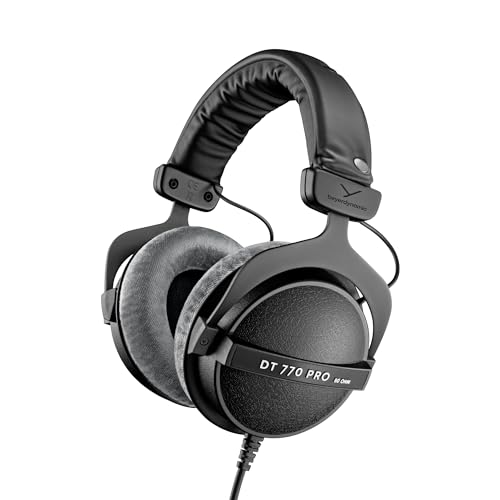
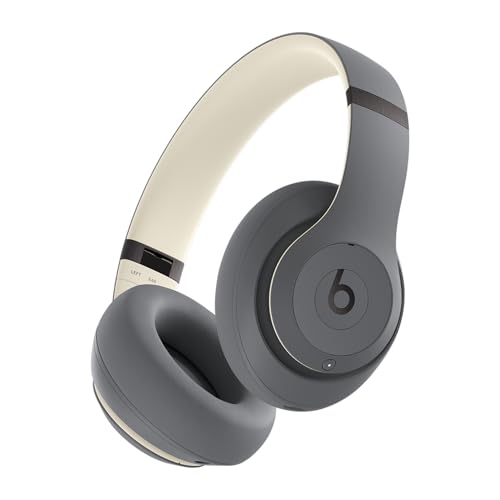
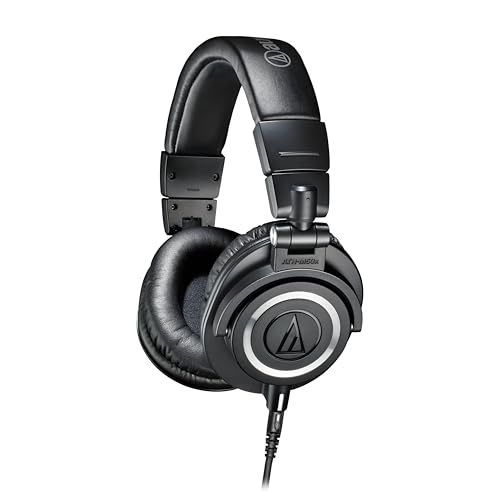

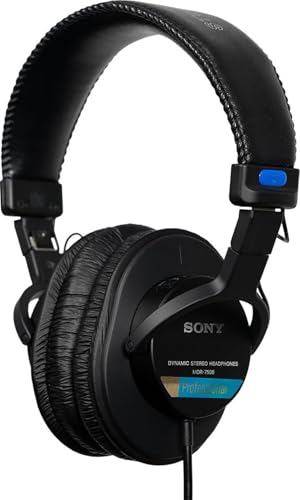
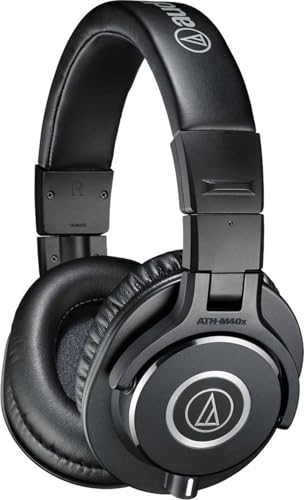
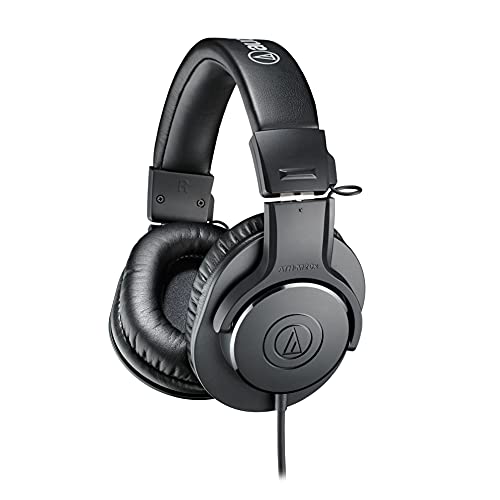
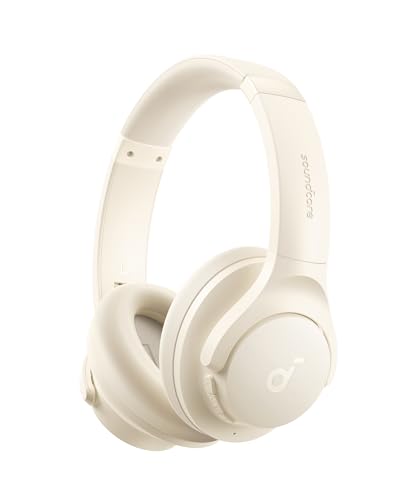
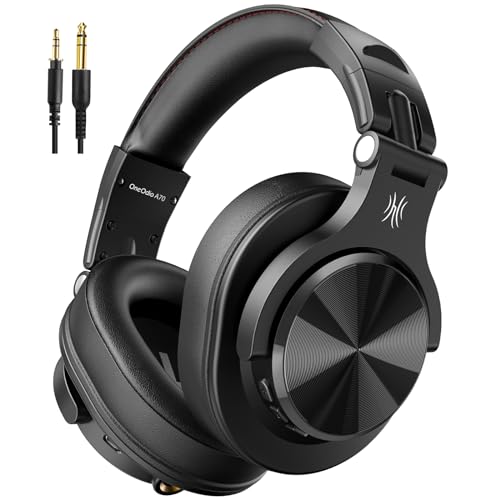

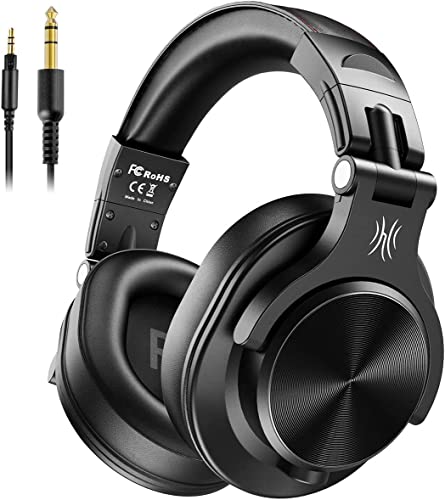
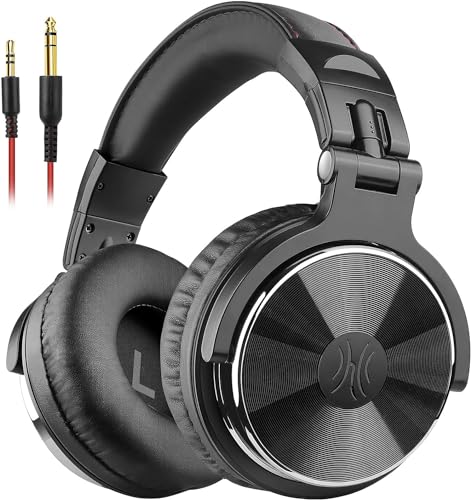
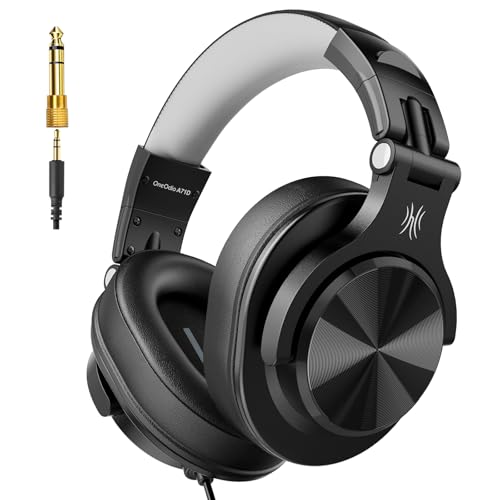
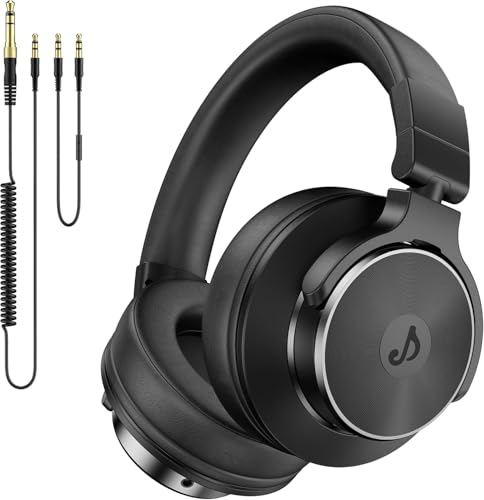
What to Look for in Headphones Built for Music
Not every pair of headphones is designed with music playback as the priority. Some are tuned for movie dialogue, some for gaming footsteps, and some for phone calls. Headphones made for music tend to share a few traits: a wide, even frequency response, drivers that can reproduce detail without distortion at higher volumes, and a fit comfortable enough that you forget you're wearing them an hour into an album.
Sound signature and frequency response
Every pair of headphones has a "sound signature," meaning how it emphasizes or de-emphasizes certain frequencies. A neutral or balanced signature reproduces bass, mids, and treble roughly as recorded, which is what most reviewers recommend for general music listening because it doesn't color the mix. A warmer signature boosts bass and lower mids slightly, which many listeners find more enjoyable for casual sessions, even if it's technically less accurate. Neither is objectively wrong. What matters is picking a signature that matches how you actually like to hear music, not just what a spec sheet claims.
Driver type and build quality
Most consumer headphones use dynamic drivers, which handle bass well and are affordable to produce. Planar magnetic drivers, found in higher-end models, tend to offer faster, more detailed treble and better control at loud volumes, though they usually cost more and can be harder to power. Beyond the driver itself, check the headband padding, hinge construction, and cable connection points. Cheap plastic hinges are often the first thing to fail, long before the drivers wear out.
Comfort for long listening sessions
Sound quality means little if you can't wear the headphones for more than twenty minutes. Look at clamping force, ear cup depth, and padding material. Over-ear pads that fully enclose your ears without pressing against them are generally more comfortable for multi-hour listening than on-ear designs that rest directly on your ears. Weight matters too. A slightly heavier pair with well-distributed padding can feel lighter over time than an ultralight pair with a tight headband.
Open-Back or Closed-Back: Which Fits How You Listen
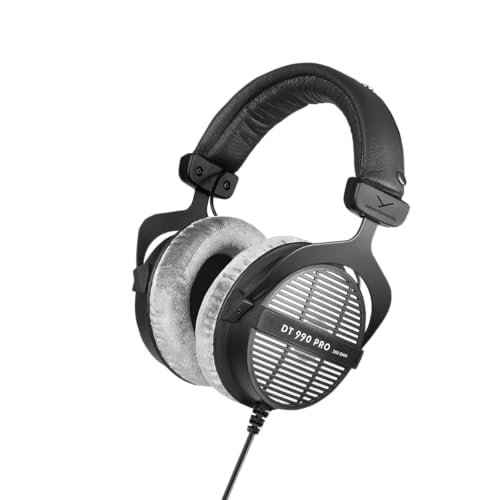
This is one of the most common questions people ask once they start taking music listening seriously, and it comes down to how the ear cups are sealed. Open-back headphones have cups with perforated or mesh backs that let air, and sound, pass through freely. That design reduces pressure buildup inside the cup, which creates a wider, more natural soundstage and less of that "boxed-in" feeling. The tradeoff is that they leak sound in both directions. Anyone nearby will hear what you're playing, and you'll hear them too.
Closed-back headphones seal the ear cup completely, which reinforces bass response and blocks outside noise. They're the better choice if you listen in shared spaces, on public transit, or anywhere quiet isolation matters. Closed-back models can start to feel warm during long sessions since air doesn't circulate, so ventilated padding is worth checking if you plan to wear them for extended stretches. If your listening happens mostly at home with nobody around, open-back is worth serious consideration. If you need privacy or portability, closed-back is the more practical pick.
Matching Sound Signature to the Music You Actually Play
The genres you listen to most should influence which sound signature you shop for, and this gets overlooked more often than it should. Bass-forward genres like hip-hop, electronic, and pop tend to sound more satisfying on headphones with a slightly boosted low end and tight, controlled bass. A flat, reference-style signature can make these genres sound thinner than the artist intended, even though it's technically more "accurate."
Classical, jazz, and acoustic music generally benefit from the opposite approach. A wide soundstage, clean mids, and detailed treble let you hear the separation between instruments and the natural decay of a room recording. This is where open-back designs tend to shine, since their airier presentation gives orchestral or acoustic recordings room to breathe. If your library is genuinely mixed across genres, a balanced or slightly warm signature is usually the safest middle ground rather than chasing the extremes on either side.
If your listening leans toward music production or mixing work rather than casual enjoyment, a flat, uncolored response matters even more, and that's a different priority than most everyday listeners need. Our guide to headphones built for mixing and mastering covers that use case in more depth if that's closer to what you're after.
Wired or Wireless: Does It Really Change the Sound
This question comes up constantly, and the honest answer is that it depends on how critically you listen. A wired connection carries audio data directly, without needing to compress it for Bluetooth transmission. In controlled listening tests, wired headphones at a given price point usually edge out wireless equivalents in detail and dynamic range, especially at higher volumes.
That said, wireless technology has closed the gap significantly. Modern Bluetooth codecs transmit far more data than older standards did, and for most casual listening, especially through a phone or in a noisy environment, the difference is hard to notice. Wireless also adds real convenience: no tangled cables, easier movement around a room, and often built-in noise cancellation. If pure fidelity for critical, focused listening sessions is your priority, wired still has an edge. If you want flexibility and don't listen in perfectly quiet conditions, a good wireless pair is a completely reasonable choice, and our roundup of top wireless headphone picks is a good next stop if that's the direction you lean.
Do You Need a Headphone Amp or DAC
Impedance is the spec that confuses the most buyers, and it's simpler than it looks. It measures how much electrical resistance a headphone presents, which affects how much power is needed to drive it properly. Headphones under roughly 32 ohms are typically designed to run well straight from a phone or laptop. Headphones above 100 ohms are usually built for stationary setups and genuinely benefit from a dedicated amplifier or DAC (digital-to-analog converter) to reach their full volume and dynamic range.
If you're buying headphones to use mostly with a phone or laptop, stick with lower-impedance models, and you likely won't need extra gear at all. If you're building a dedicated home listening setup and considering higher-impedance headphones, budget for a modest amp or DAC alongside them. Without one, high-impedance headphones can sound quiet, flat, and underwhelming, not because the headphones are bad, but because they're not getting enough clean power to perform.
Frequently Asked Questions
What kind of headphones are best for listening to music?
The best headphones for music are ones with a sound signature that matches your taste, whether that's neutral, warm, or bass-forward, paired with comfortable padding for long sessions. There's no single "best" model, just the best fit for how and what you listen to.
Are open-back or closed-back headphones better for music?
Open-back headphones generally offer a wider, more natural soundstage, which suits quiet home listening. Closed-back headphones isolate outside noise and reinforce bass, making them better for shared or noisy environments. Neither is universally better; it depends on where and how you listen.
Do I need expensive headphones to enjoy music more?
Not necessarily. There are real, audible improvements as you move from entry-level to mid-range headphones, but the gains shrink significantly past a certain point. Comfort and fit often matter as much as price once you're in a reasonable mid-range bracket.
Is wired or wireless better for music sound quality?
Wired headphones generally deliver slightly more detail and dynamic range because they avoid Bluetooth compression, especially noticeable during focused, critical listening. For casual, everyday listening, the difference is often small enough that convenience becomes the deciding factor.
Do headphones need an amp for music?
Only if their impedance is high, typically above 100 ohms. Most consumer headphones designed for phones and laptops run fine without extra gear. Higher-impedance headphones built for home setups usually need a dedicated amp or DAC to sound their best.
Are over-ear headphones better than earbuds for music?
Over-ear headphones typically offer larger drivers, a wider soundstage, and more comfortable long-session wear than earbuds. Earbuds win on portability, but for dedicated listening at home, over-ear designs usually deliver a fuller, more immersive sound.
Finding the Right Fit for Your Ears
There's no single perfect pair of headphones for music, only the pair that matches your listening habits, your favorite genres, and how much setup you're willing to deal with. Start by identifying whether you value soundstage or isolation more, then narrow down by sound signature and comfort. Getting those basics right will matter more than any single spec on the box.