
Best Cameras for Point and Shoot: Everything to Know Before Your First Purchase
Disclosure: We may earn a commission when you buy through links on this page, at no extra cost to you. As an Amazon Associate I earn from qualifying purchases. Learn more

A first buyer guide to the best cameras for point and shoot: sensor size, zoom, autofocus and the main compact camera types.
Point and shoot cameras are having a comeback. People want photos that look different from phone shots, a real zoom lens for travel and school events, or a simple camera for kids that does not double as a social media machine. If this is your first dedicated camera, the specs can look confusing. This guide explains the best cameras for point and shoot photography in plain English, so you can choose the right kind of camera for how you actually take pictures.
We cover what point and shoot cameras are and how they differ from phones and interchangeable lens cameras, then translate the specs that matter: sensor size, zoom, autofocus, stabilization and battery life. You will also find rookie mistakes to avoid and a simple setup routine for your first day with a new camera.







Cameras 101: The Basics
A point and shoot camera, also called a compact camera, has a built in lens that cannot be removed. You turn it on, frame the shot and press the button, while the camera handles focus, exposure and color automatically. Many models also offer manual controls when you want more creative say.
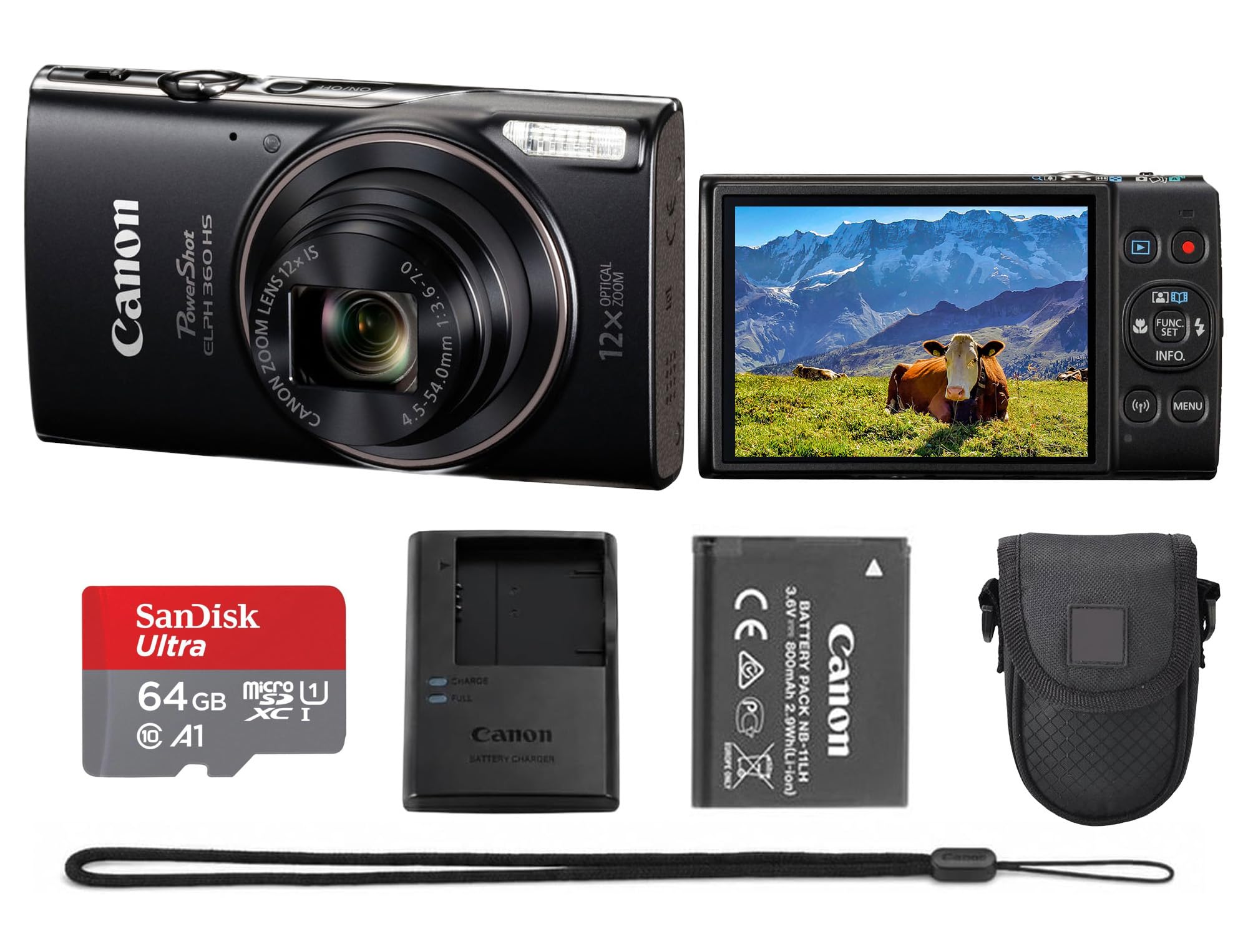
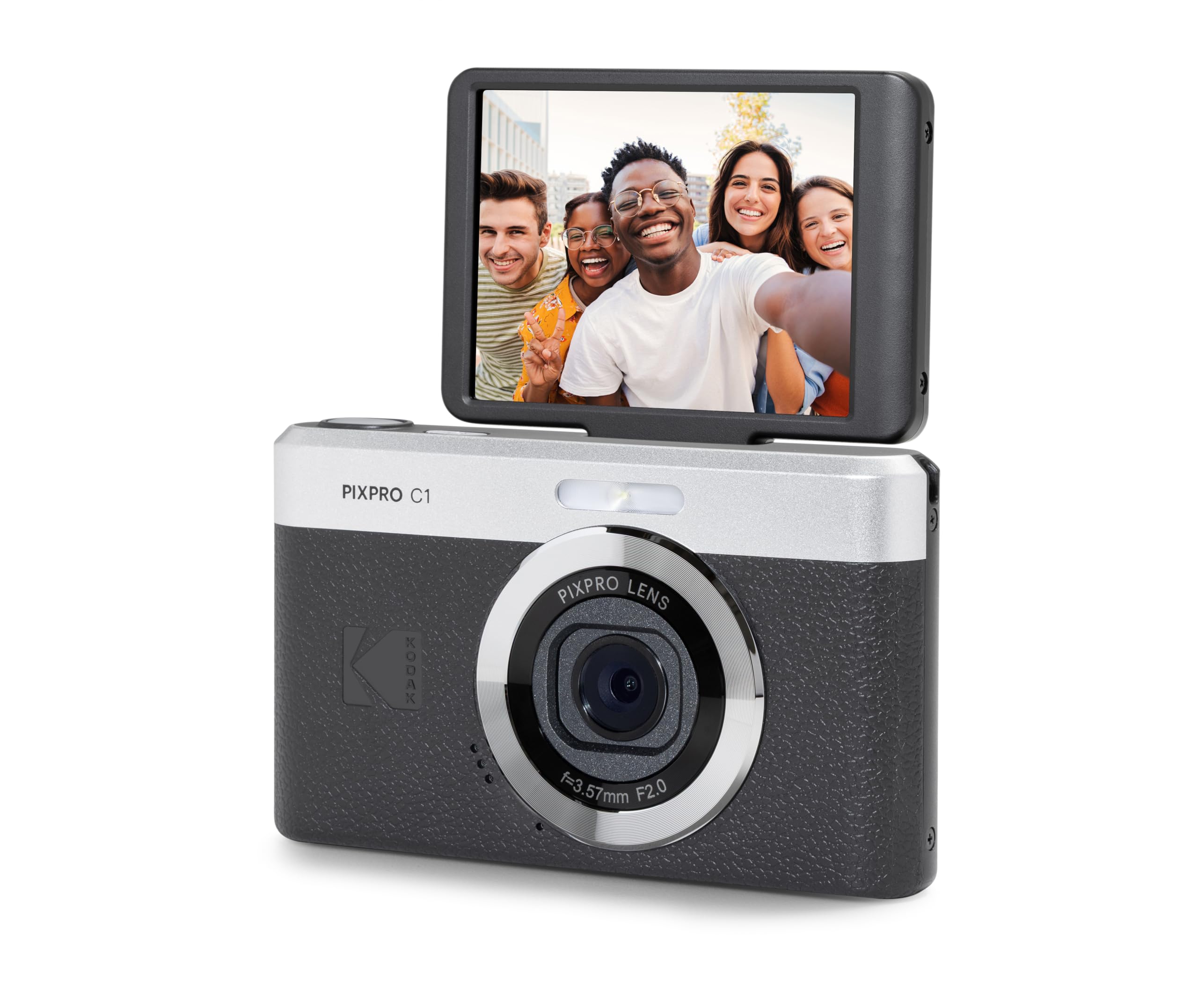
Compacts fall into three broad groups. Budget compacts, such as the Kodak PIXPRO line, cost around $100 to $250 and use small sensors with modest zoom; they are fun, simple and popular with kids and casual users. Travel zoom and superzoom cameras, such as Panasonic LUMIX ZS and Nikon COOLPIX P models, pack long zoom lenses into a compact or bridge style body for wildlife, sports and travel. Premium compacts, such as the Sony RX100 series and Ricoh GR line, use larger sensors for image quality closer to interchangeable lens cameras.
Vlogging cameras form a fourth, newer group. Models like the Canon PowerShot V10 and V1 focus on video, with flip screens, good microphones and wide lenses for filming yourself.
Compared with a smartphone, a point and shoot offers real optical zoom, a dedicated grip and buttons, longer battery life for long days of shooting, and a different look to photos. Compared with mirrorless cameras, compacts are smaller, simpler and cheaper overall, since you never need to buy extra lenses.
Who buys a compact camera today? Parents who want a sturdy camera for kids, travelers who want zoom without carrying lenses, hobbyists who want a pocket camera with better image quality than a phone, and creators who film themselves. Knowing which group you fit narrows the field quickly, because each group values different specs.
Price also tracks the category closely. Budget compacts under $250 are about fun and simplicity, travel zooms and vlogging cameras between $400 and $900 add reach or video features, and premium compacts above $1,000 focus on image quality and handling. Spending more only helps if you need what the higher category offers.
Cameras for Point and Shoot: Key Specs Explained in Plain English
Camera listings are full of numbers. Here is what each important spec means and how much weight to give it as a first time buyer.
No single model is perfect for everyone, so the best cameras for point and shoot use are the ones whose specs line up with your priorities. Use the sections below to rank what matters to you: image quality, zoom, video or simplicity.
Features That Matter for Point and Shoot
For point and shoot use, the features that matter most are a good automatic mode, a lens that covers the shots you take and controls that are easy to reach. A reliable auto mode handles most situations, so you can enjoy the moment instead of adjusting settings.
Other helpful features include a tilting or flip screen for high and low angles or selfies, an electronic viewfinder for bright sunlight, Wi Fi or Bluetooth for sending photos to your phone, and 4K video if you film often. Physical buttons and a control dial make adjustments faster than menus alone.
Size and weight belong on the list too. The best camera is the one you carry, so a slim model that fits a jacket pocket often gets more use than a bulkier superzoom left at home. Check the dimensions and imagine where you will keep the camera day to day.
Sensor Size and Image Quality
The sensor is the part that captures light, and its size affects image quality more than megapixels. Budget compacts use small 1/2.3 inch sensors, similar in size to many phone sensors, which work well in good light but struggle indoors and at night. Premium compacts use 1 inch sensors, which are much larger and produce cleaner images in low light with nicer background blur.
APS-C sensors, found in cameras like the Ricoh GR IIIx and Fujifilm X100 series, are larger still and rival many interchangeable lens cameras. Megapixels matter less than sensor size: 16 to 20 megapixels is plenty for prints and screens, and more pixels on a tiny sensor can actually increase noise.
Image processing matters as well. Cameras with modern processors handle noise reduction and color better, which is one reason a newer budget camera can look better than an older one with similar specs. When in doubt, look at sample photos taken in conditions similar to yours, such as indoor parties or evening walks.
Battery Life and Charging
Battery life is usually measured by CIPA standard, in shots per charge. Compacts range from around 200 to more than 400 shots, and using the screen, zoom and Wi Fi heavily reduces that number. Some budget Kodak models run on AA batteries, which are easy to replace while traveling.
USB charging lets you top up from a power bank or laptop, which is very convenient on trips. For long days, buy a spare battery; it is inexpensive and saves the frustration of a dead camera in the middle of an event.
Cold weather drains batteries faster, so keep a spare in an inside pocket during winter trips or ski holidays. Turning off Wi Fi and lowering screen brightness also stretches each charge noticeably.
Autofocus and Stabilization
Autofocus decides whether your shots come out sharp, especially with moving kids and pets. Modern compacts offer face and eye detection that tracks people around the frame, which is helpful for family photos. Faster autofocus systems, found in premium models, lock on quickly in lower light.
Image stabilization reduces blur from shaky hands, which matters most at long zoom and in dim light. Optical image stabilization moves elements in the lens, while electronic stabilization crops the image for video. Both help you get sharper photos and smoother clips without a tripod.
For sports, pets and active kids, continuous autofocus and burst shooting help capture the decisive moment. Budget cameras often have slower autofocus that misses fast action, so if most of your subjects move quickly, consider a travel zoom or premium compact with a more capable focusing system.
Lens and Zoom Range
Zoom is described in two ways: as a multiplier, such as 5x or 40x, and as a focal length range, such as 24 to 360mm. The first number is the wide end, good for landscapes and groups; the second is the long end, good for distant subjects. A 24mm wide end suits indoor and group shots.
Only optical zoom counts; digital zoom simply crops and enlarges, lowering quality. Longer zoom often means smaller sensors and slower lenses, so there is always a trade off between reach and low light quality. Aperture numbers, like f/1.8, tell you how much light the lens gathers; lower numbers are brighter.
Think about your typical subjects when choosing zoom. A 5x zoom covers family gatherings and street scenes, 15x to 30x suits travel and kids' sports from the sidelines, and 40x or more reaches wildlife and the moon. Very long zoom cameras are larger and benefit from a steady hand or a small tripod.
Rookie Mistakes to Avoid
- Chasing megapixels. Sensor size and lens quality matter far more than a high megapixel number.
- Relying on digital zoom. Digital zoom degrades photos; use optical zoom and move closer when you can.
- Forgetting a memory card. Most cameras do not include one, so buy a fast SD card with enough capacity.
- Ignoring low light needs. If you shoot indoors or at night often, small sensor budget cameras will disappoint.
- Skipping the manual. A few minutes learning the modes and buttons makes a huge difference to results.
Another common mistake is buying an older premium model just because it once had great reviews. Some older compacts are still excellent, but check that batteries, chargers and support are still available, and compare them with newer budget models that may offer better video and connectivity.
Getting Started: Setup and First Use
Charge the battery fully, insert a memory card and format it in the camera, which prepares it properly. Set the date, time and language, then choose the highest JPEG quality setting. Turn on image stabilization and, if available, face detection.
Start in auto or program mode and take photos in different situations: outdoors, indoors, close ups and zoomed shots. Review them on a computer or phone to see what works. Next, try the scene modes for portraits, landscapes or night shots. Pair the camera with its smartphone app so you can transfer images easily, and back up your photos regularly to the cloud or a computer.
Once you are comfortable, explore features like exposure compensation, which brightens or darkens images, and burst mode for fast action. Small adjustments like these turn snapshots into photos you will want to print.
Protect your investment from day one. A small padded case prevents scratches on the lens and screen, a wrist strap prevents drops, and a microfiber cloth keeps the lens clean. Avoid touching the front glass with your fingers, since smudges soften photos more than most people realize.
FAQs
What features matter most in cameras for point and shoot?
The most important features are sensor size, which affects image quality, a lens with the zoom range you need and reliable autofocus. After that, look for image stabilization, a tilting screen, easy controls and phone connectivity. Choose a larger sensor for low light and a longer zoom for travel, wildlife and sports.
What does optical zoom mean?
Optical zoom uses the lens itself to magnify a distant subject without losing quality. A 5x optical zoom makes subjects appear five times closer than at the widest setting. Digital zoom only crops and enlarges the image, which reduces sharpness. When comparing cameras, focus on optical zoom numbers and the focal length range.
Which is better for low light?
Cameras with larger sensors and brighter lenses perform best in low light. Premium compacts with 1 inch or APS-C sensors and apertures around f/1.8 to f/2.8 capture cleaner images indoors and at night. Budget models with small sensors need more light or a flash. Image stabilization also helps by allowing slower shutter speeds.
If you often photograph indoor events like birthdays or school plays, prioritize low light ability over zoom. A brighter lens and larger sensor make a bigger difference in those rooms than an extra few times of magnification.
Is a smartphone enough instead?
For many people, a modern smartphone is enough for everyday photos. A point and shoot makes sense if you want real optical zoom, a different look, a camera for kids without internet access, longer battery life or a dedicated device for travel. Premium compacts also offer image quality and controls that phones cannot fully match.
Many owners use both: the phone for quick snaps and sharing, and the compact camera for trips, events and moments where zoom or image quality matters more.
What specs matter most for beginners?
Beginners should focus on a good automatic mode, the right zoom range and a comfortable size. Sensor size matters if you shoot indoors often. A tilting screen, image stabilization and easy phone transfer make the camera more enjoyable. Do not worry about advanced manual controls at first; you can grow into them later.
It also helps to try a camera in hand when possible. Grip size, button layout and menu design vary a lot between brands, and a camera that feels natural to hold is one you will reach for more often.
How much should I spend on my first one?
Spend around $100 to $250 for a simple, fun camera for kids or casual use, $400 to $900 for a travel zoom or vlogging camera, and more than $1,000 for a premium compact with a large sensor. Set your budget by how often you will use it and how important low light quality is to you.
Remember to budget for a memory card, a spare battery and a small case, which together add a modest amount to the total but make the camera far more useful from the first day.
Our Verdict
The best cameras for point and shoot photography match your priorities. Choose a budget Kodak PIXPRO for simple fun and kids, a Panasonic LUMIX travel zoom or Nikon COOLPIX superzoom for reach, a Canon PowerShot V series model for vlogging, and a Sony RX100 or Ricoh GR for premium image quality in a pocketable body. Focus on sensor size, zoom range and ease of use, and you will enjoy your first camera for years.
For more options, see our guides to the best point and shoot digital cameras, the best point and shoot cameras for travel, the best point and shoot cameras with zoom and the best film cameras point and shoot. Then compare current prices in the product table above.


