The Best Studio Headphones for Mixing and Mastering in 2026
Disclosure: We may earn a commission when you buy through links on this page, at no extra cost to you. As an Amazon Associate I earn from qualifying purchases. Learn more
Mixing a track on consumer headphones tuned for bass-heavy pop can leave your mix sounding wrong on every other system, which is exactly the problem the best studio headphones are built to solve with a flat, accurate response. Here is what to look for and our picks for the best studio headphones for 2026.


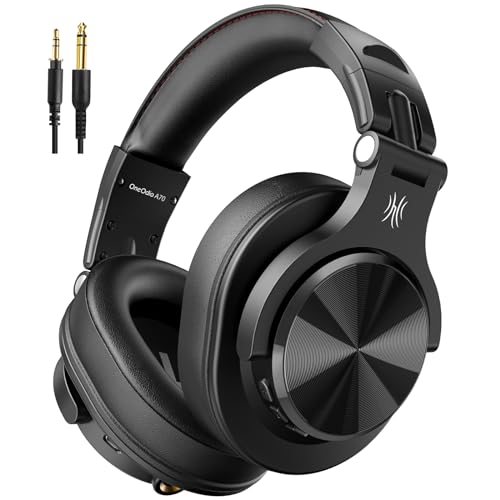
What to Look for in Studio Headphones
Not every pair of studio headphones is built for the same job, and a few key specs make a real difference for mixing, mastering, or tracking.
Open-back vs. closed-back design is the first major decision. Open-back headphones let air pass through the ear cups for a wider, more natural soundstage that's ideal for critical mixing and mastering in a quiet room, while closed-back headphones isolate outside noise and prevent sound leakage, making them the better choice for tracking vocals or instruments near a live microphone.
Frequency response should be as flat and neutral as possible rather than boosted in the bass or treble, since the goal of a studio headphone is to reveal exactly what's in a mix rather than flatter it the way consumer headphones often do.
Impedance affects how much power a pair of headphones needs to sound its best. Lower impedance headphones, typically under 80 ohms, can be driven adequately by a phone or laptop, while higher impedance models, sometimes 250 ohms or more, need a dedicated headphone amplifier to reach their full potential.
Comfort and build quality matter more for studio headphones than almost any other category, since mixing and mastering sessions often run for hours at a time. Look for plush ear cushions, an adjustable headband, and a sturdy frame that can handle daily studio use.
Cable and connectivity options vary by model. Most studio headphones use a detachable coiled or straight cable with a 3.5mm to 6.35mm adapter, though some newer models add Bluetooth for casual listening away from the studio.
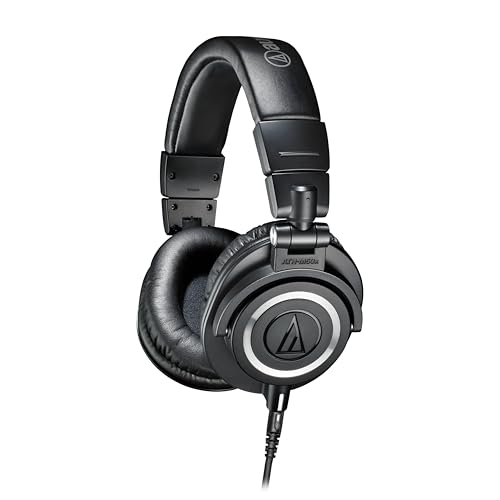
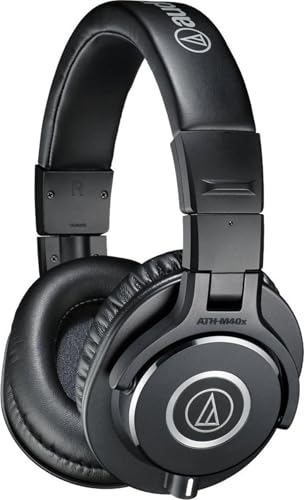
Best Overall: Audio-Technica ATH-M50X
The ATH-M50X has become close to the industry-standard recommendation for studio headphones, and its massive, overwhelmingly positive review base confirms why. The closed-back design delivers accurate, detailed sound with enough bass presence to catch problems in a mix without coloring the overall tonal balance.
- Design: Closed-back, professional grade
- Cable: Detachable, includes multiple cable options
- Best for: Mixing, mastering, and general studio use
Pros:
- Massive, long-established review base across the entire product line
- Accurate, detailed sound without excessive coloration
- Detachable cable design adds durability and flexibility
Cons:
- Closed-back design has a narrower soundstage than open-back alternatives
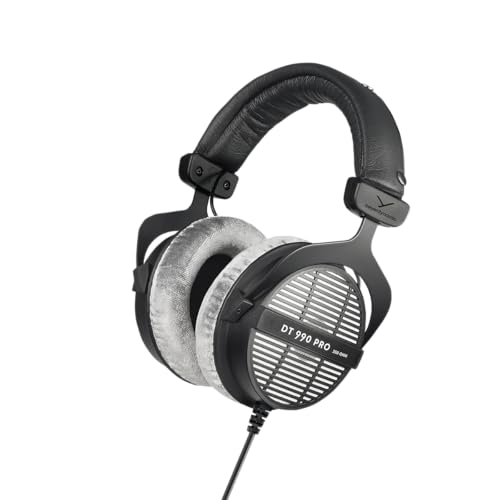
Best Open-Back: beyerdynamic DT 990 PRO
beyerdynamic's open-back design delivers the wide, natural soundstage that critical mixing and mastering work benefits from, and its huge review base shows this reputation has held up over years of use in home and professional studios alike. The 250 ohm impedance means it performs best with a dedicated headphone amplifier.
- Design: Open-back, 250 ohm impedance
- Build: Velour ear pads, German engineering
- Best for: Critical mixing and mastering in a quiet room
Pros:
- Wide, natural soundstage ideal for critical listening
- Huge, consistently positive review base
- Comfortable velour ear pads for long sessions
Cons:
- High 250 ohm impedance requires a dedicated headphone amp to sound its best
Best Budget: AKG K240 STUDIO
AKG's semi-open K240 STUDIO has been a staple in home studios for decades, delivering a balanced, natural sound at the lowest price on this list. Its long-established review base reflects how well this budget classic has held up against newer, pricier competitors.
- Design: Semi-open back
- Impedance: 55 ohms, easy to drive
- Best for: Budget-conscious home studios and beginners
Pros:
- Lowest price among priced studio headphones on this list
- Long-established reputation as a reliable budget classic
- Low impedance makes it easy to drive from a phone or laptop
Cons:
- Build quality feels less premium than the pricier picks above
Open-Back vs. Closed-Back: Which Should You Choose?
Open-back studio headphones deliver a wider, more natural soundstage that makes it easier to judge spatial elements in a mix, but they leak sound in both directions, so they only work well in a quiet room without a live microphone nearby. Closed-back studio headphones isolate outside noise and prevent sound leakage, making them the practical choice for tracking vocals or instruments, or for mixing in a room that isn't fully soundproofed. Many working producers eventually own one of each and switch between them depending on the task at hand.
Frequently Asked Questions
Do I need studio headphones to mix music at home?
You don't strictly need studio headphones, but consumer headphones tuned with extra bass or treble can make a mix sound misleadingly good on that specific pair while translating poorly elsewhere. A flat-response pair of studio headphones gives you a more honest picture of how a mix will actually sound.
What's the difference between studio headphones and regular headphones?
Studio headphones are designed with a flat, neutral frequency response so you hear an accurate representation of the audio, while regular consumer headphones are often tuned to sound more exciting or pleasant, typically with boosted bass, which can hide flaws in a mix.
Do studio headphones need an amplifier?
It depends on the impedance. Lower impedance studio headphones, usually under 80 ohms, can be driven adequately by a phone, laptop, or audio interface, while higher impedance models, like many open-back designs around 250 ohms, benefit significantly from a dedicated headphone amplifier.
Can I use studio headphones for casual listening too?
Yes, plenty of producers and musicians use their studio headphones for everyday listening, though the flat, uncolored sound signature can feel less exciting than consumer headphones tuned with extra bass. Many people find they simply get used to the more neutral, accurate presentation over time and end up preferring it for critical listening.
Conclusion
For most home and professional studios, the Audio-Technica ATH-M50X remains the most trusted, versatile choice among studio headphones. If critical mixing and mastering is your main focus, the beyerdynamic DT 990 PRO delivers a wider, more natural soundstage. Beginners and budget-conscious producers should look at the AKG K240 STUDIO instead.