The Best Projectors Screens for 2026
Disclosure: We may earn a commission when you buy through links on this page, at no extra cost to you. As an Amazon Associate I earn from qualifying purchases. Learn more

A practical guide to choosing a projector screen by gain, material, mount style, and size.
A projector is only half the equation for a sharp home theater image; the surface it lands on matters just as much. Choosing among the best projectors screens means matching gain, material, and size to both the projector's brightness and the room's lighting conditions. This guide breaks down what separates a screen that makes an image pop from one that leaves it looking washed out.






Screen Gain and Why It Matters
Gain measures how much light a screen reflects back toward the viewer compared to a standard reference white surface. A gain of 1.0 reflects light evenly in all directions, while higher-gain screens reflect more light toward the center but narrow the effective viewing angle. Lower-gain or matte white screens tend to preserve color accuracy and offer wider viewing angles, making them a common choice for rooms with good light control and multiple seating positions.
Fixed Frame vs Motorized vs Portable Screens
Fixed Frame Screens
Fixed frame screens mount permanently to a wall and stay taut at all times, delivering a consistently flat surface without ripples or sag. They work best in a dedicated home theater room where the screen never needs to be moved or hidden away.
Motorized Screens
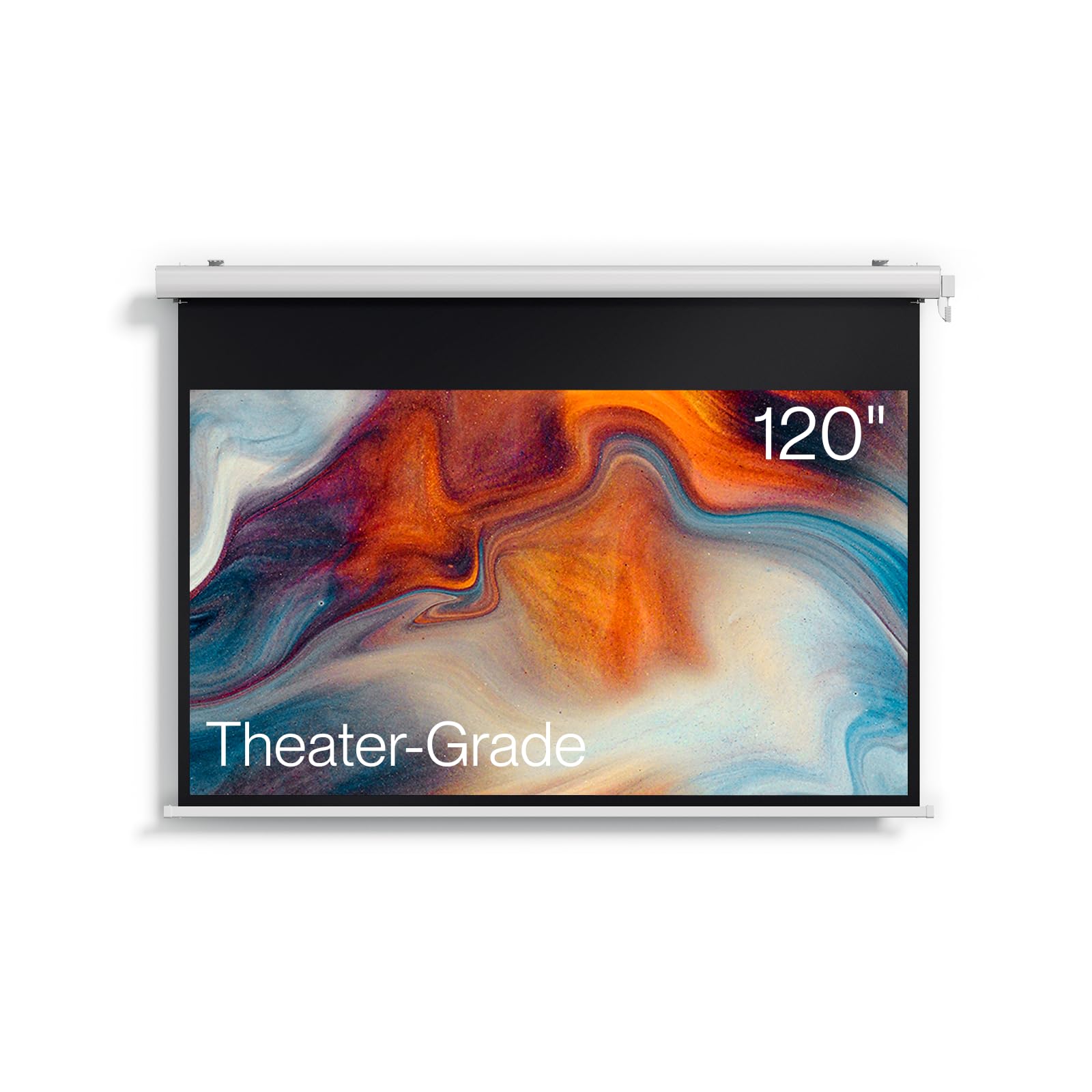
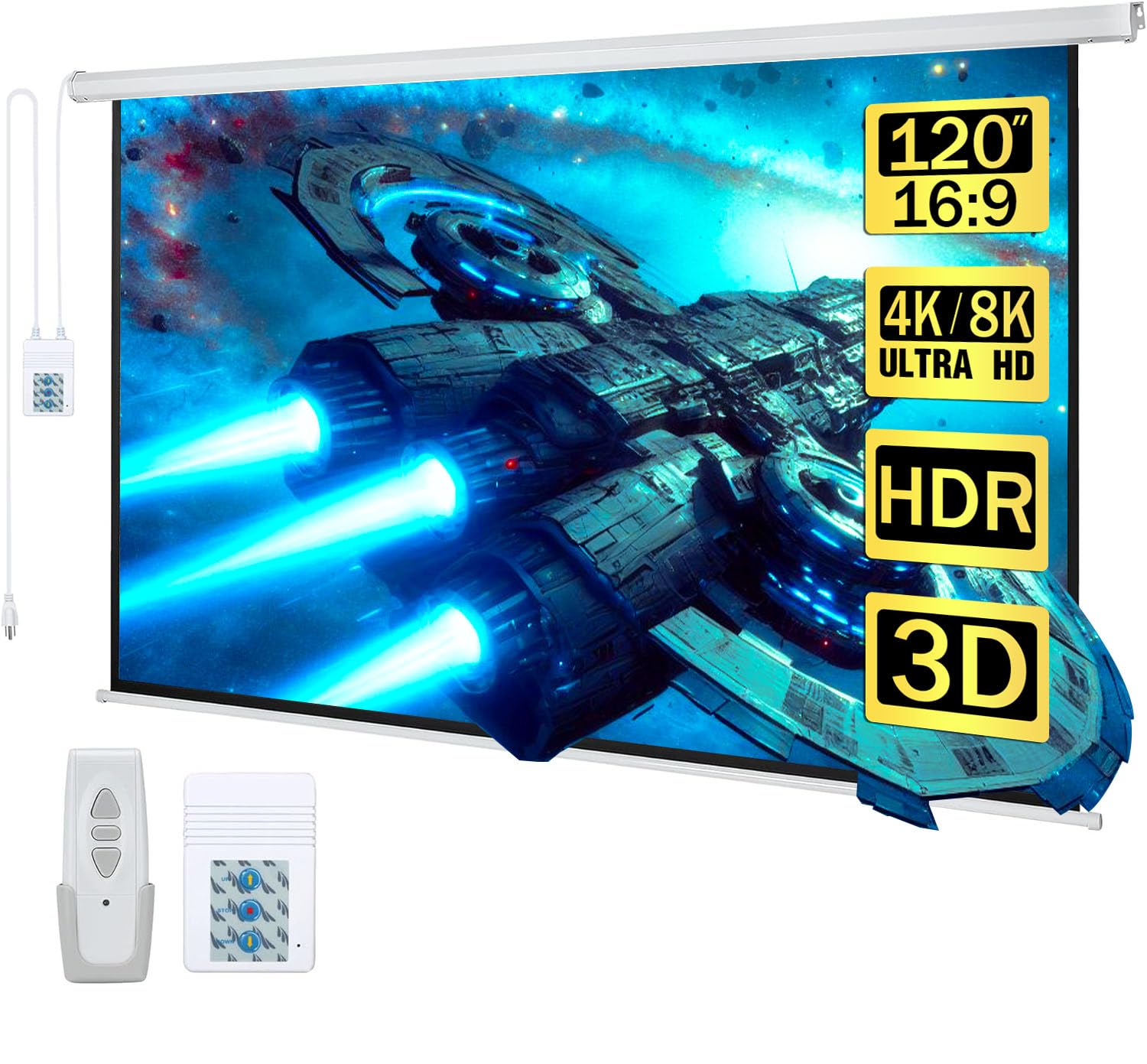
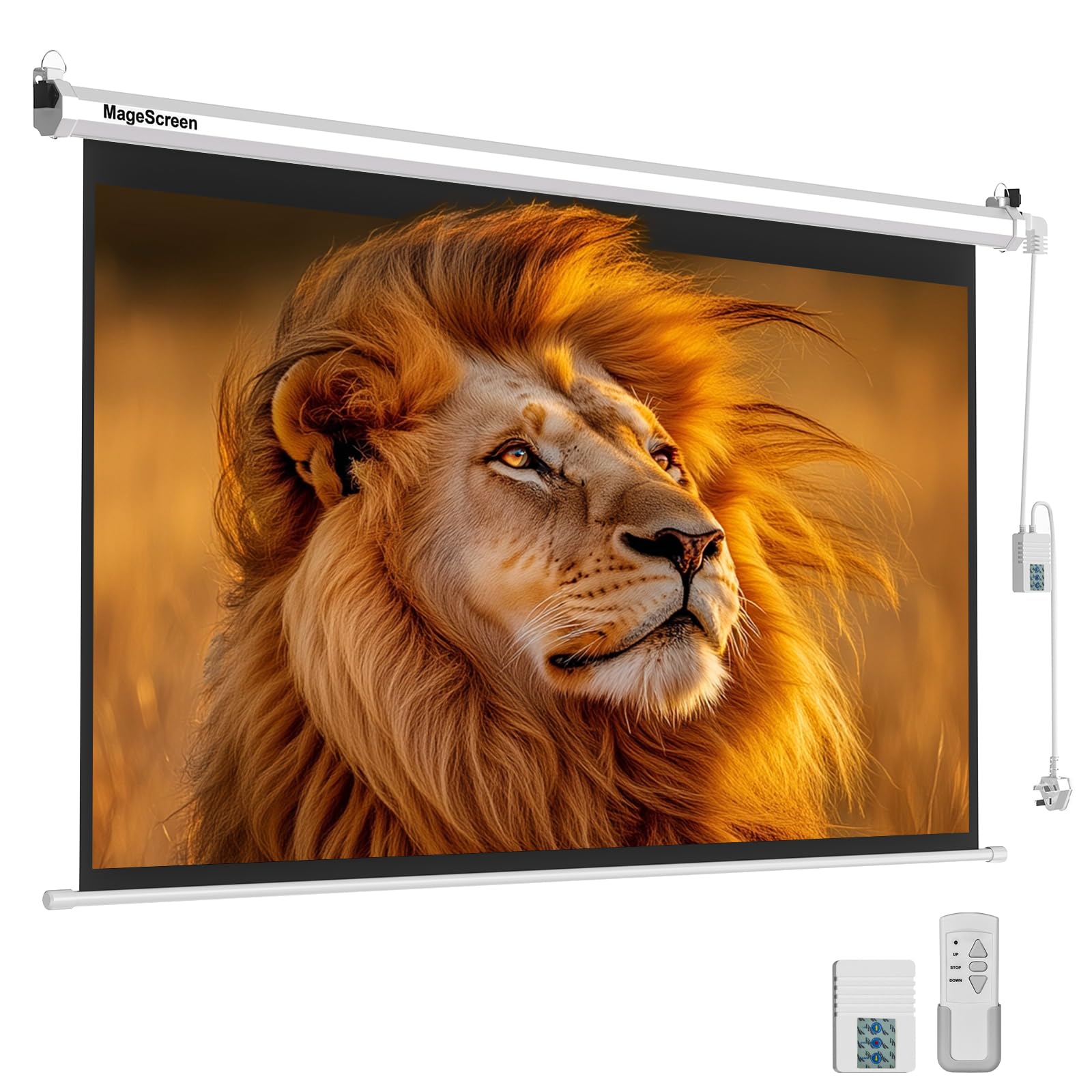
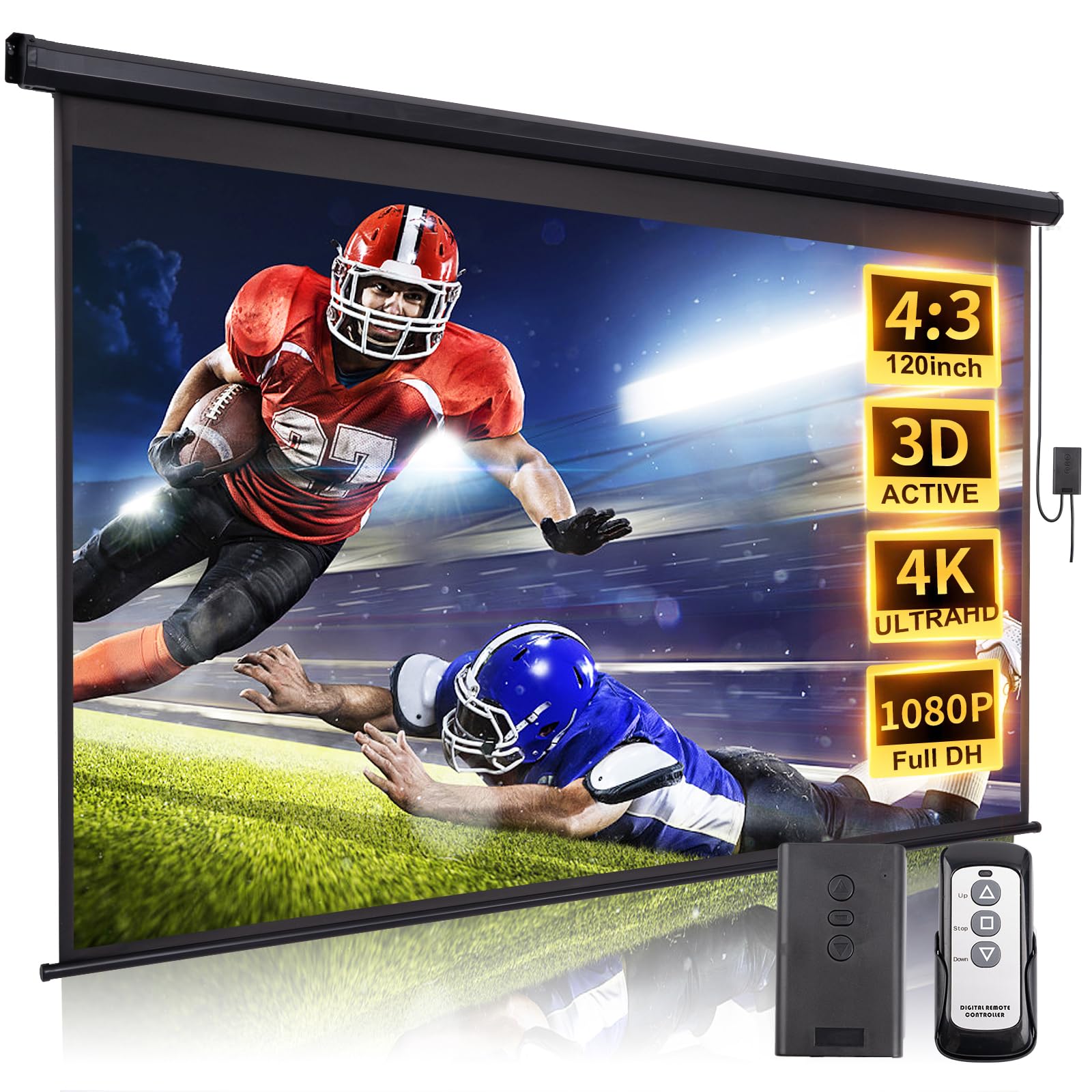
Motorized screens roll up into a housing when not in use, which suits multipurpose rooms where a permanently mounted screen would get in the way. The tradeoff is a higher price point and, over time, potential wear on the motor mechanism compared to a fixed frame's simpler design.
Portable Screens
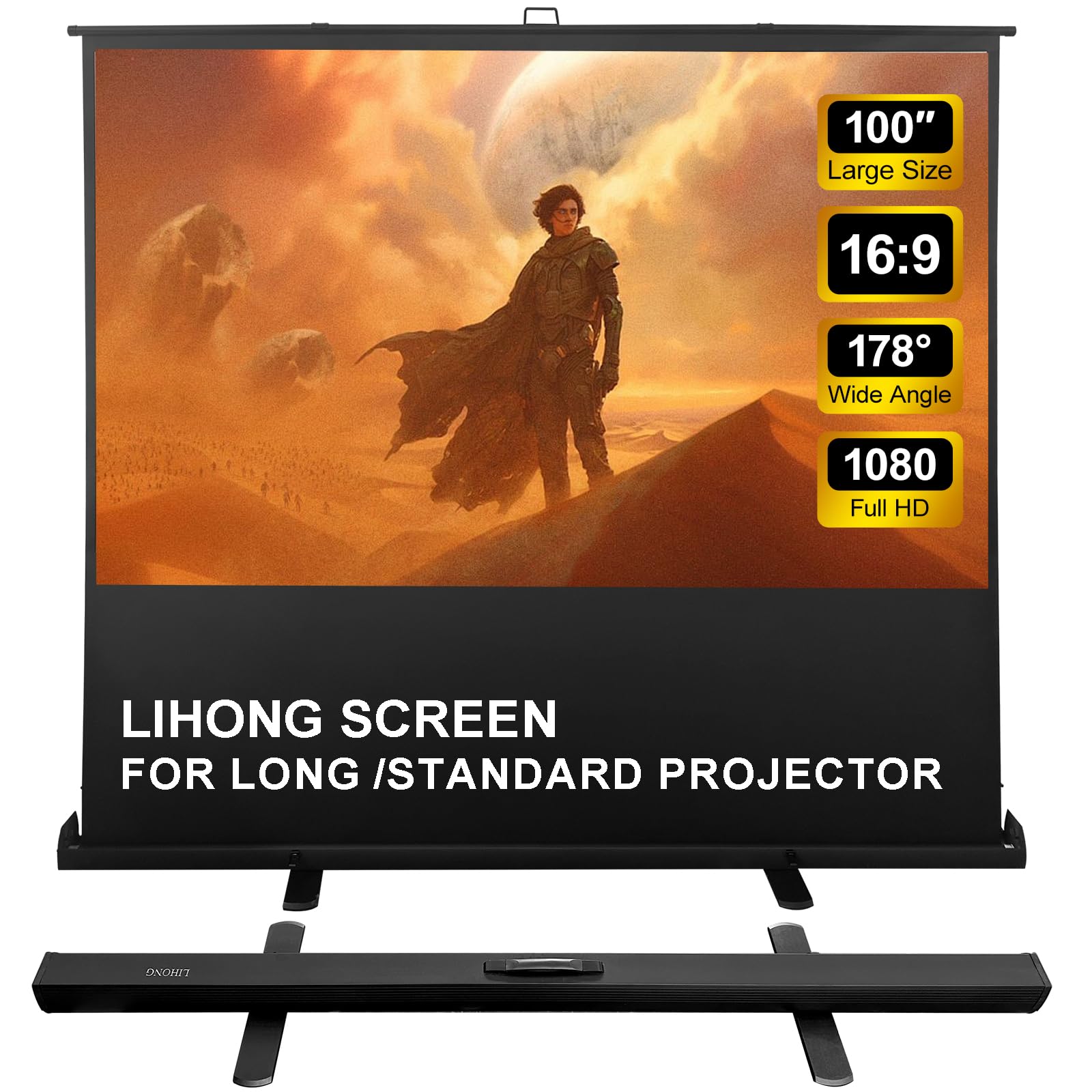
Portable screens fold or roll for travel and setup in different locations, making them useful for outdoor movie nights or presentations away from a fixed home theater. They generally sacrifice some image flatness and stability compared to fixed or motorized options.
Ambient Light Rejection Screens
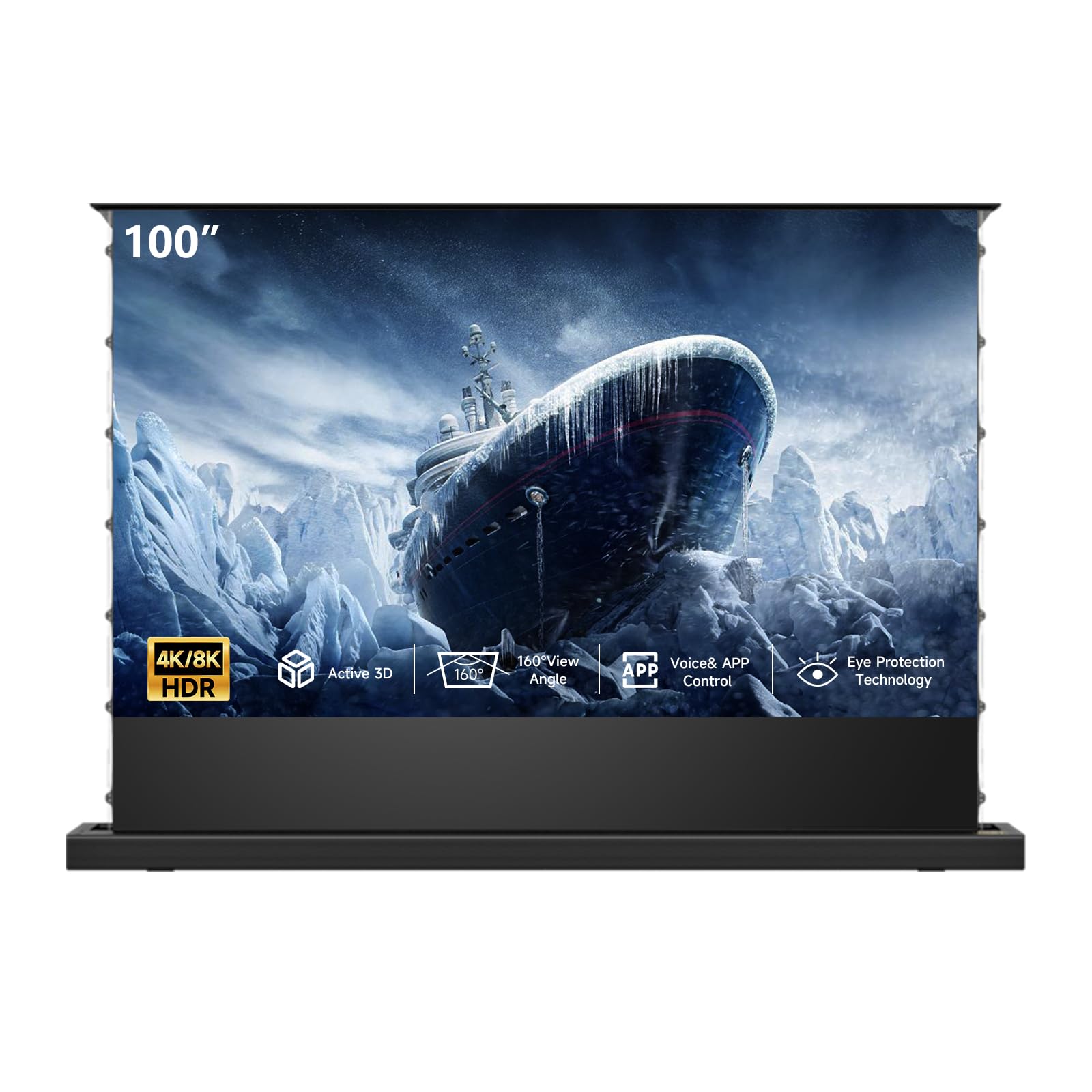
Ambient light rejecting screens use specialized materials to reflect light coming from the projector while minimizing reflections from room lighting or windows. These screens make a meaningful difference in rooms that cannot be fully darkened, though they typically cost more than standard matte white screens and work best when matched to the correct projector throw angle.
Sizing a Screen to the Room
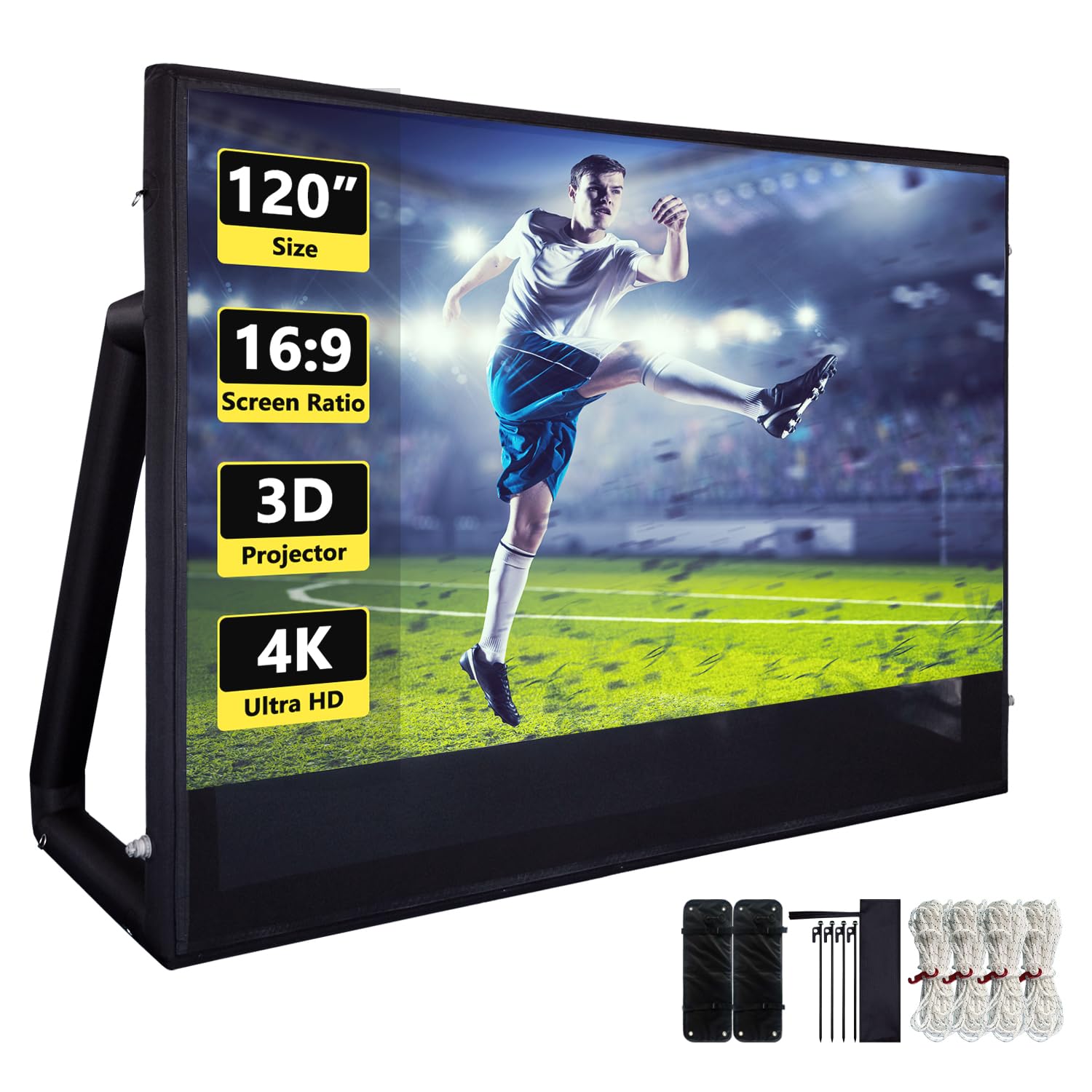
Screen size should account for both the projector's throw distance and the seating distance from the screen. A common guideline places seating at a distance of roughly 1 to 1.5 times the screen's diagonal width for an immersive but comfortable viewing experience.
- 100 to 120 inches: common for dedicated home theater rooms with proper seating distance
- 120 to 150 inches: larger rooms or true cinema-style setups
- Under 100 inches: smaller rooms or multipurpose spaces with limited depth
Aspect Ratio Considerations
Most screens are built for either a 16:9 standard widescreen ratio, matching most streaming content and television broadcasts, or a 2.35:1 cinemascope ratio, matching many theatrical films. Choosing the wrong aspect ratio for the content watched most often can lead to black bars or a cropped image, so checking what format gets watched most helps guide this decision.
Screen Material and Surface Texture
Woven or acoustically transparent materials allow sound from a speaker placed directly behind the screen to pass through, which is useful for setups using a centered front speaker in a home theater configuration. Standard vinyl or PVC screen materials block sound but generally offer a smoother, more uniform image surface at a lower price point.
Frequently Asked Questions
Does screen gain affect image brightness?
Yes, higher-gain screens reflect more light back toward the viewer, which can boost brightness but often narrows the viewing angle and can slightly shift color accuracy.
Are ambient light rejecting screens worth the extra cost?
For rooms that cannot be fully darkened, they can meaningfully improve contrast and image quality compared to a standard matte white screen.
What screen size works best for a typical living room?
A 100 to 120 inch screen generally suits most living rooms, assuming seating distance is roughly matched to the screen's diagonal size.
Can a screen work with any projector?
Most screens are compatible with standard projectors, though ambient light rejecting screens perform best when matched to a specific projector throw angle.
Do acoustically transparent screens reduce sound quality?
High-quality acoustically transparent materials are designed to minimize sound interference, allowing a speaker placed behind the screen to sound close to unobstructed.
Final Thoughts
Choosing among the best projectors screens comes down to matching gain, material, and size to both the room's lighting and the projector being used. Getting this pairing right makes a far bigger difference in perceived image quality than most people expect going in.
Related reading: best projectors under 500 and best short throw projectors.